
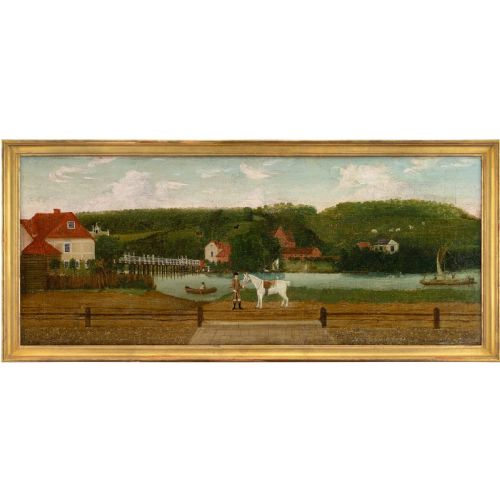
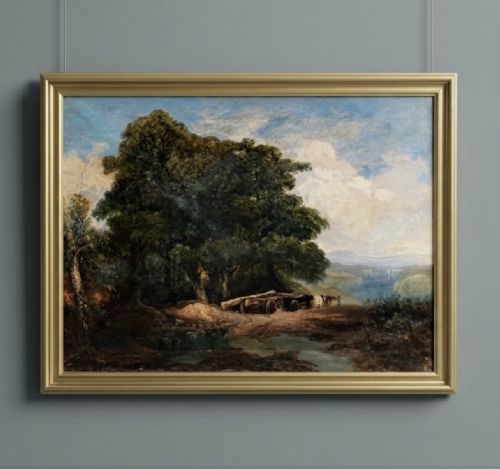
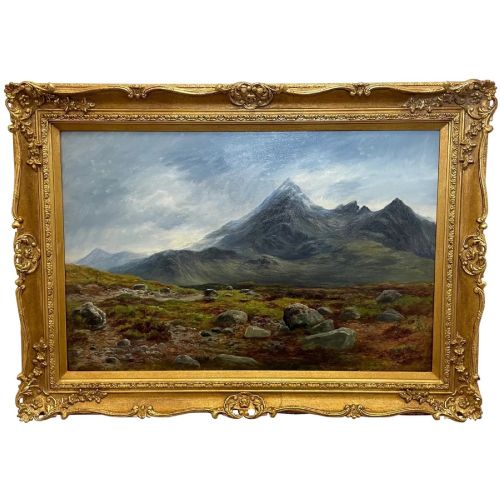
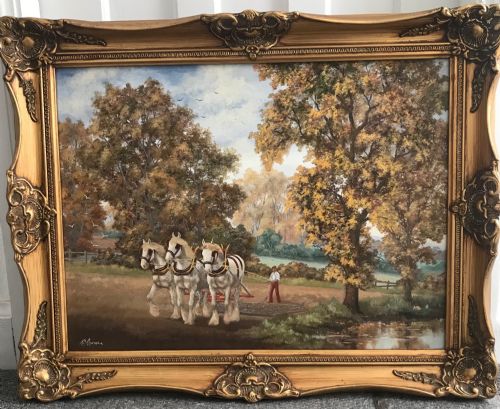



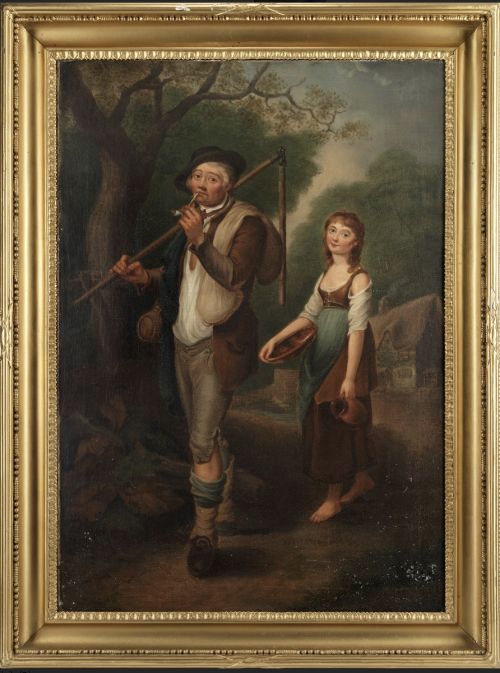
Traditional Landscape Canvas Artwork
Traditional landscape canvas artwork brings pastoral scenes and open skies into rooms through oil paint and wood frames.
Traditional Landscape Canvas Artwork
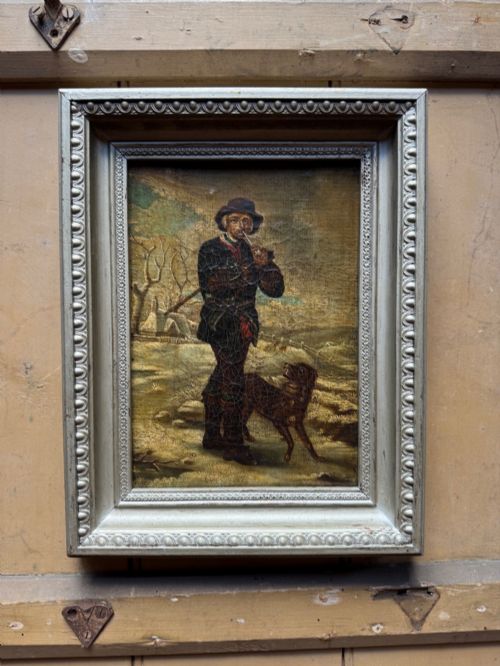
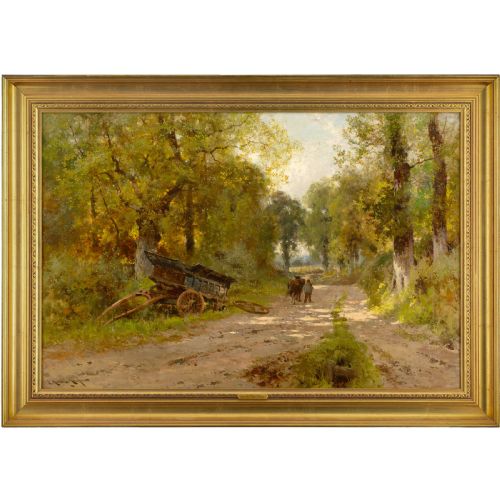
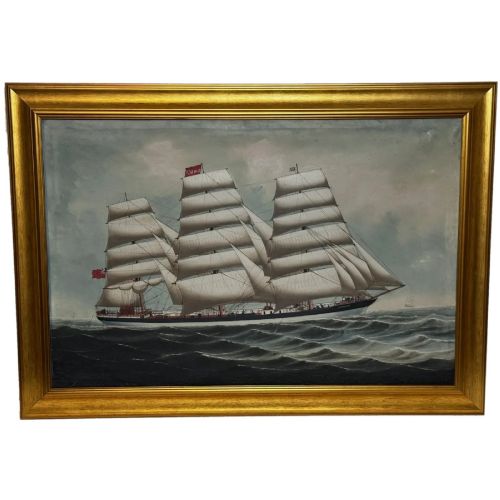
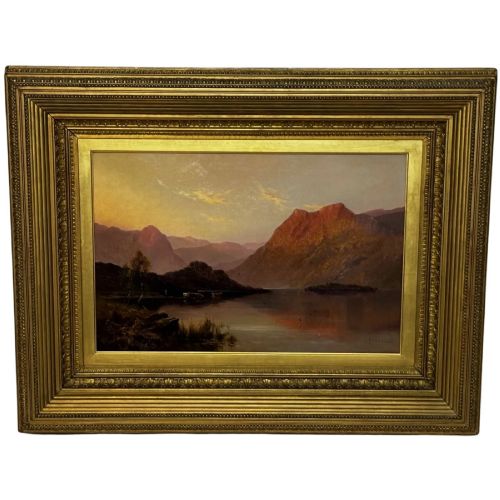
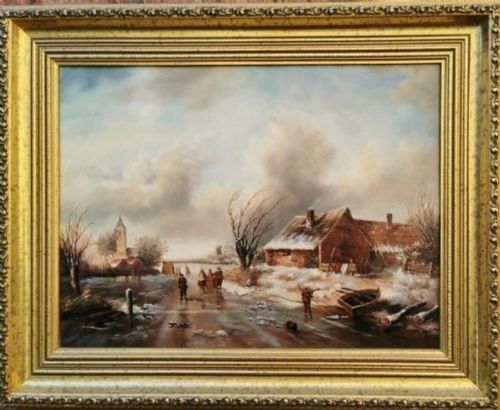
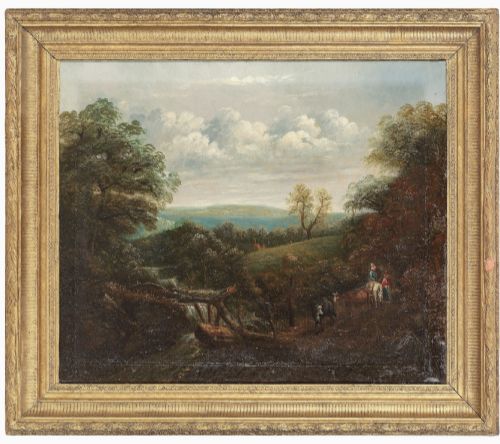
Traditional landscape canvas artwork captures rural vistas, woodland paths, and coastal views through painted depictions on woven fabric supports. Buyers seeking this category encounter pieces dating from the nineteenth century onward, reflecting periods such as the Victorian era and the twentieth century.
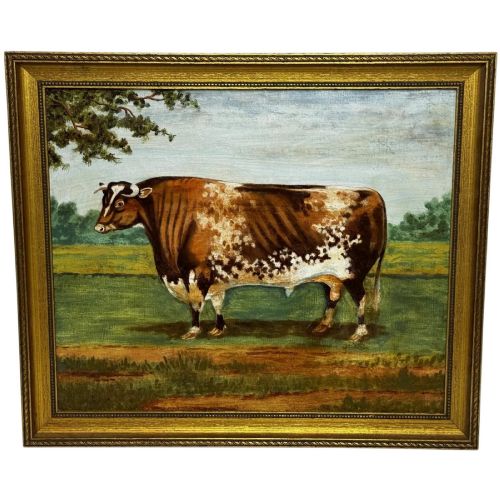
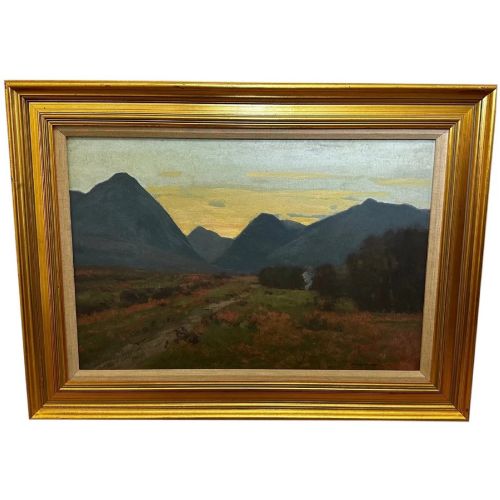
The works on this page frequently originate from British, Scottish, and French schools, alongside specific regional movements like the Norwich School. Forms range from intimate framed panels to large decorative oils depicting pastoral daily life, livestock, and dramatic topography.
Materials and technique
Makers build traditional landscape canvas artwork using oil paint applied to stretched canvas supports, often prepared with gesso grounds. The resulting pigment layers create rich textures and luminous depth across rural and marine scenes.
Finished works are typically housed in wood frames, frequently finished in gilt or gesso, which complement the depth of the nineteenth and twentieth-century oil paintings within.
Listings span the nineteenth and twentieth centuries, incorporating Victorian pastoral scenes, Scottish impressionism, and Dutch manner winter landscapes.
Judging quality
Quality in these paintings rests upon the handling of light, atmospheric depth, and the naturalistic rendering of figures, animals, and foliage. Masterful brushwork distinguishes works by named artists from anonymous school pieces.
The integrity of the original canvas and the preservation of the pigment layers dictate the overall condition and visual impact of the artwork.
Richard Sebastian Bond·William Beattie-Brown·William H Myers·Reginald Arthur Borstel·Alfred Fontville de Breanski Jr·George Houston·Thomas Barker of Bath·Thomas W Lascelles·David Bates·Thomas Smythe·Robert John Hammond·Walter Heath Williams·Thomas Creswick·Thomas Sidney Cooper·Albert Rieger·William Watson Jnr·Johann Friedrich Voltz
The Traditional Landscape Canvas Artwork Glossary
- Canvas
- A heavy woven fabric used as a support surface for oil paintings. It is typically stretched tightly over a wooden frame before painting begins.
- Gesso
- A plaster-like mixture applied to frames or canvas grounds to prepare a smooth surface for gilding or painting. It provides a stable base for decorative elements.
- Oil Paint
- A slow-drying paint made by mixing pigments with drying oils such as linseed. This medium allows artists to blend colours smoothly and build rich textures.
- School
- A group of artists sharing a similar style, geographical origin, or period influence. It often helps identify unsigned works by regional characteristics.
Traditional Landscape Canvas Artwork: Frequently Asked Questions
How do I hang a heavy oil painting safely?
Heavy oil paintings require sturdy fixings screwed directly into wall studs or appropriate masonry anchors. The weight of the wood frame and canvas demands secure picture wire or brackets.
Position the artwork at eye level, away from direct sunlight and fluctuating heat sources that might affect the canvas and paint layers.
How should I clean a vintage canvas painting?
Dust accumulation on canvas and frames should be removed gently using a soft, dry brush. Avoid using household cleaners, water, or moisture on the painted surface.
Professional conservators should handle deeper cleaning or the removal of discoloured varnish to protect the underlying oil paint.
What defines nineteenth-century landscape styles?
Nineteenth-century landscapes focus on naturalistic depictions of light, weather, and rural topography. Artists often recorded specific regions, incorporating figures, livestock, or cottages to establish narrative context.
Movements like Victorian realism and regional schools emphasised accurate observation of the British and European countryside.
Are these paintings on original canvas?
The listings feature works created on canvas supports, some retaining their original wooden stretchers and frames. Over time, older canvases may show signs of relining or structural stabilisation.
Examining the reverse of the stretcher reveals stamps, labels, and the general age of the materials used.