






Traditional Lacquered Storage Box
A traditional lacquered storage box brings depth and tactile warmth to a room, offering both practical containment and enduring decorative presence.
Traditional Lacquered Storage Box
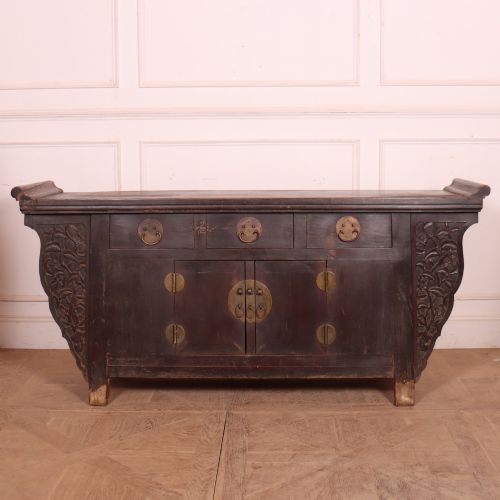
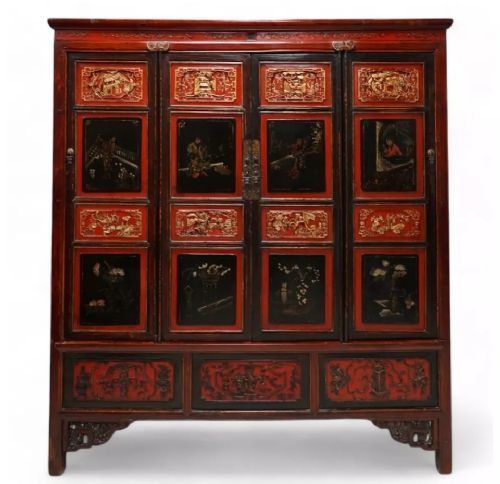
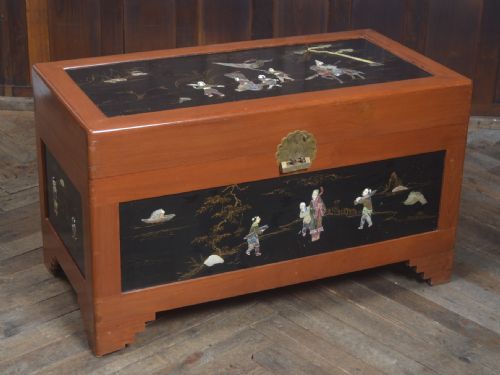
When you search for a traditional lacquered storage box, you enter a diverse field of Asian and Indian containers spanning the nineteenth century through the early twentieth century. The selection includes nested sets of red and black boxes, heavily constructed camphor wood blanket chests, and specialised rice carriers.
Most examples you will encounter lean towards Chinese and Japanese workmanship, alongside occasional Kashmiri pieces. Forms range from portable round containers to large shipping trunks covered in pig skin or finished with floral Chinoiserie decoration.
The period scope leans heavily on nineteenth-century craftsmanship, supplemented by pieces dated to the nineteen-twenties and thirties. Buyers seek these items to anchor a room with distinct historical texture and functional storage capacity.
How they were made
Makers built the foundational structures from domestic timbers such as elm, kiri wood, and camphor wood, applying multiple layers of lacquer or pigment to seal and finish the surface. Iron and brass fittings provided structural reinforcement and functional hardware for daily use.
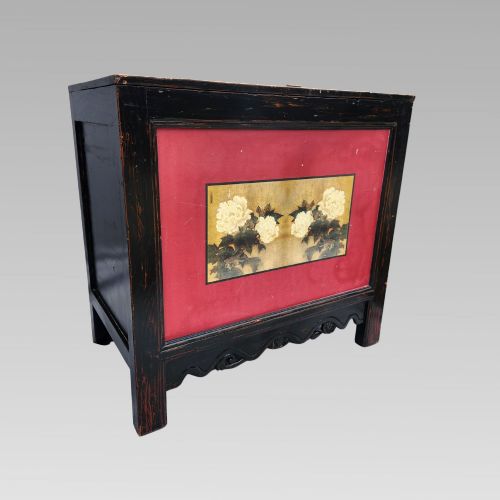
Surface decoration frequently involved hand painting and floral Chinoiserie motifs applied over black or red lacquer grounds. Selected trunks utilised durable pig skin stretched over wooden cores to withstand travel and transport.
Traditional Lacquered Storage Box Retail Price Guide 2026
Typical asking prices for traditional lacquered storage box among the pieces listed under this phrase on Sellingantiques today, from the lower quarter to the upper quarter. They describe what is for sale here now, not the wider market.
What varies in quality
Quality reveals itself in the integrity of the wooden joinery and the resilience of the lacquer finish against age and handling. Superior examples maintain stability in their heavy camphor wood or elm carcasses without excessive timber movement.
The refinement of the painted details and the preservation of the original pigmented surfaces distinguish standard utility containers from finer decorative works. Metal hardware such as brass and iron hinges and latches should integrate harmoniously with the primary material.
The Traditional Lacquered Storage Box Glossary
- Lacquer
- A durable resin finish applied in multiple coats to wooden surfaces. It creates a smooth, protective shell that takes pigments and decorative painting well.
- Kiri wood
- A lightweight, pale timber native to Japan, prized for stability and resistance to moisture. Makers utilised it extensively for cabinets and storage chests.
- Camphor wood
- An aromatic timber frequently employed for blanket boxes and storage chests. Its natural scent helped protect stored textiles from insects.
- Chinoiserie
- European interpretation and imitation of Chinese artistic traditions and motifs. It appears on decorative storage chests in floral and figurative painted schemes.
- Pig skin
- An animal hide stretched and cured over wooden trunks for added exterior toughness. It provided a resilient surface for shipping and travel.
Traditional Lacquered Storage Box: Frequently Asked Questions
What are traditional lacquered storage boxes used for?
These boxes serve primarily as functional containers for blankets, linens, and household goods while functioning as prominent decorative furniture pieces. Their solid construction makes them suitable for contemporary living spaces requiring concealed storage.
Historically, specific forms such as rice carriers and marriage cabinets fulfilled distinct domestic and ceremonial roles within traditional households. Today, owners utilise them as coffee tables, end tables, or statement storage chests in various rooms.
How do I care for a lacquered box?
Keep wooden and lacquered pieces away from direct sunlight and extreme humidity fluctuations to prevent the finish from cracking or lifting. Dust gently with a soft, dry cloth without applying modern chemical polishes.
Maintain stable indoor temperatures to protect the underlying timber and the integrity of the applied pigment or lacquer layers. Proper environmental care preserves the historic surface sheen indefinitely.
How do I identify a nineteenth-century box?
Nineteenth-century examples display construction methods appropriate to their regional workshops, utilising traditional hand tools and native timbers like elm and camphor wood. Signs of age appear in the natural patination of the lacquer and the wear patterns on iron and brass hardware.
Comparing the decorative styles, such as Qing Dynasty motifs or Meiji period Japanese work, helps anchor the piece within its historical era. Regional variations in painted rice carriers and tansu chests further clarify the date.
Where were these storage boxes made?
The available pieces originate from workshops across China, Japan, and Kashmir, reflecting distinct regional material preferences and decorative styles. Chinese items frequently feature elm or camphor wood, while Japanese examples often utilise kiri wood.
Each geographic region imparted specific characteristics to the furniture, from Japanese tansu construction to Indian painted surface traditions. This geographic diversity creates a wide spectrum of visual forms within the same category.