


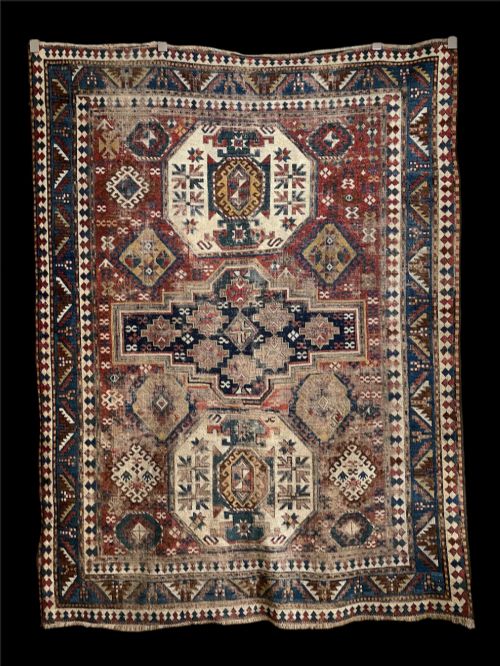


Traditional Kazak Rug
A traditional kazak rug brings geometric energy and rich natural dyes directly from the Caucasus into your living space.
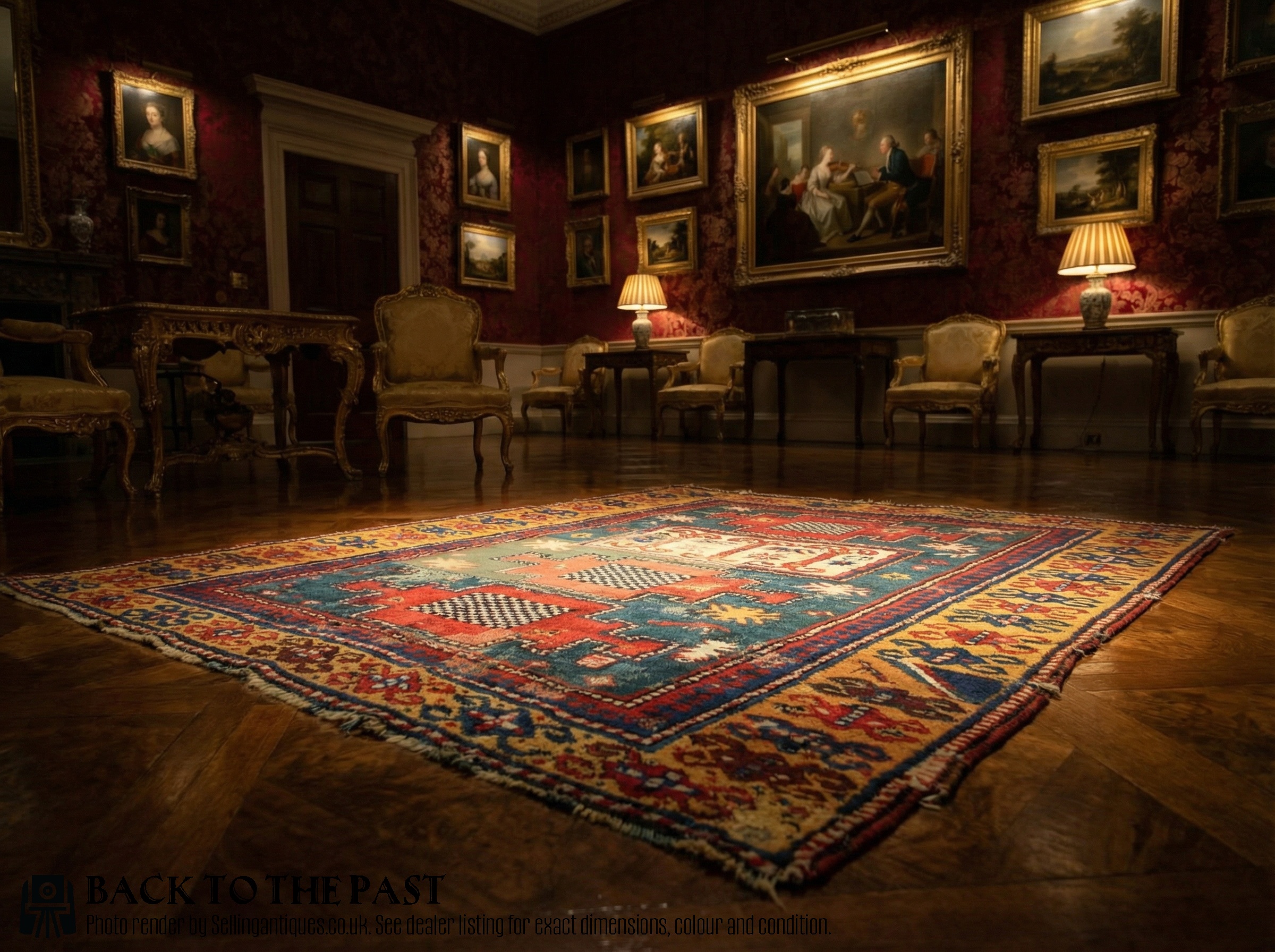
Traditional Kazak Rug
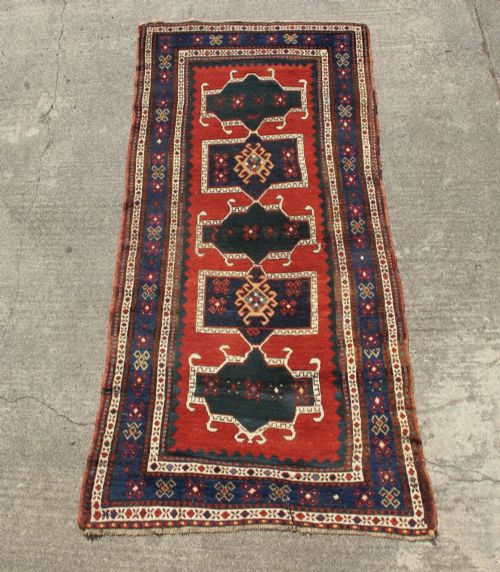
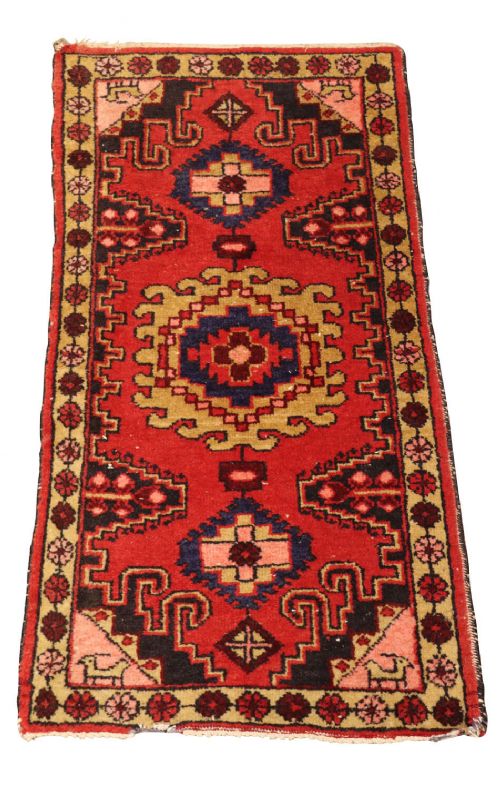
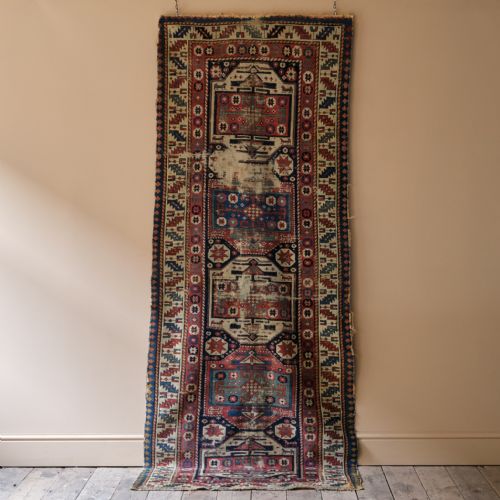
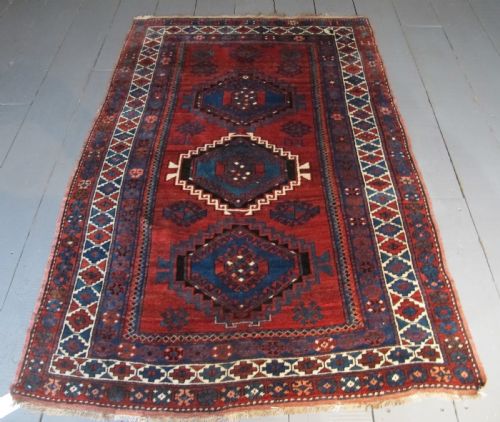
When you search for a traditional kazak rug, you are looking at hand-knotted tribal floor coverings originating from the Caucasus region. These textiles date primarily from the nineteenth century up to the early twentieth century, spanning periods from the eighteen-fifties to the nineteen-thirties.
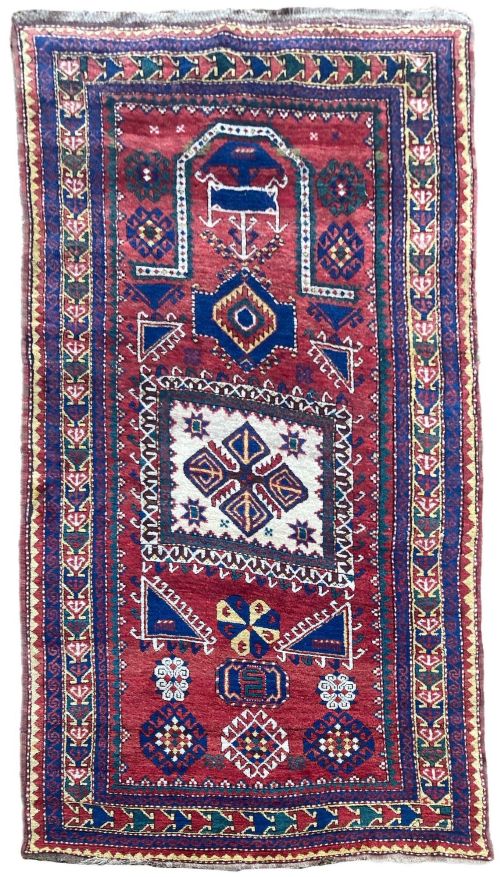
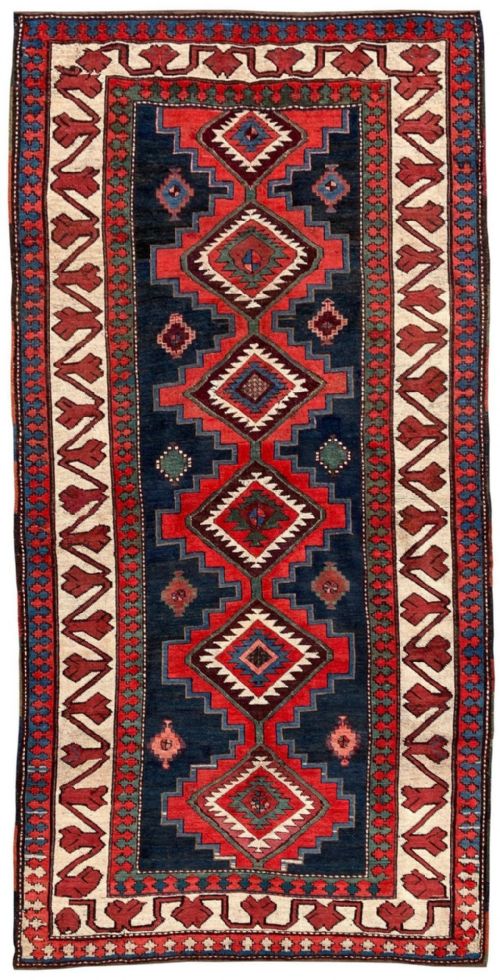
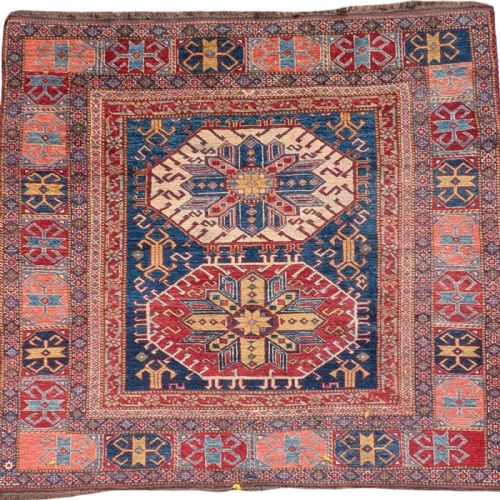
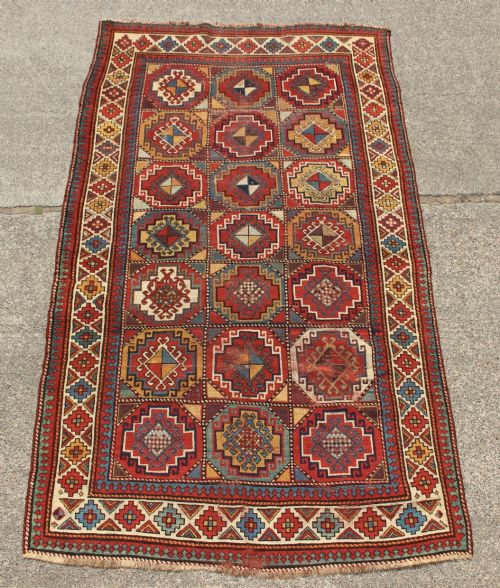
The most common versions on this page appear as rectangular area rugs, runners, and square prayer formats. They showcase regional styles such as Fachralo, Moghan, Borchalu, Karachov, Chelaberd, and Gendje designs.
Makers in this tradition utilised geometric medallion layouts, animal motifs, and repetitive patterns like the boteh or Memling guls. Pieces range from standard floor dimensions to unusual sizes, carpets, and occasional remnants.
How they were made
Weavers constructed each traditional kazak rug using wool foundation materials paired with hand-spun wool for the pile. Artisans applied natural dyes to achieve the distinct colour palettes seen across these Caucasian carpets.
The technique relies entirely on hand-knotting methods executed by tribal weavers across the Caucasus. This laborious construction creates a dense, durable pile designed for longevity.
Listings span periods from the eighteen-fifties through the nineteen-thirties, using wool, cotton, and natural dyes.
What varies in quality
The degree of fineness in the hand-knotting distinguishes different tiers of these tribal rugs. Tighter knot counts allow sharper definition within geometric medallions and intricate motifs.
The complexity of regional designs and the purity of the natural dyes influence the visual depth of the piece. Well-preserved wool pile and clear, harmonious colour distribution separate standard utility carpets from exceptional examples.
The Traditional Kazak Rug Glossary
- Kazak
- A term applied to rugs woven by various tribal groups in the Caucasus region. These textiles are known for bold geometric designs and saturated natural colours.
- Prayer Rug
- A smaller format rug featuring a mihrab or arch design traditionally utilised for personal devotion. They frequently appear in square or compact rectangular proportions.
- Boteh
- A stylised almond or pear-shaped motif of Persian origin representing a floral shoot or cypress tree. Weavers repeat this pattern across Gendje and regional runner formats.
- Memling Gul
- An octagonal medallion enclosing hooked or stepped geometric figures. This motif frequently decorates Moghan tribal carpets.
- Runner
- A long, narrow carpet format suited for hallways and passages. These pieces often incorporate repeating regional motifs such as boteh designs.
Traditional Kazak Rug: Frequently Asked Questions
Where were traditional kazak rug pieces made?
These textiles originate from the Caucasus region, encompassing areas historically associated with tribal weaving traditions. Communities across the mountains produced distinct regional styles.
Local workshops and nomadic groups utilised native materials and traditional motifs passed down through generations.
How do I identify different regional types?
Identification relies on observing specific geometric layouts, medallion structures, and border motifs unique to particular Caucasian districts. For example, Karachov pieces often feature large central rectangular blocks.
Examining the use of natural dyes and specific symbols like Memling guls or hooked polygons helps narrow down the origin.
Can I use these rugs on modern floors?
These durable wool textiles function well on contemporary flooring when paired with a quality underlay. Their robust hand-spun construction handles normal domestic foot traffic.
Placing them away from direct, harsh sunlight preserves the natural dyes used in the nineteenth and early twentieth-century weaving process.
What materials make up the pile?
Weavers utilised wool and hand-spun wool for the surface pile of these Caucasian carpets. Cotton occasionally appears in the foundational structure depending on the specific tribal origin.
Natural dyestuffs provide the colour palette across the wool fibres, yielding varied tones influenced by age and wear.