
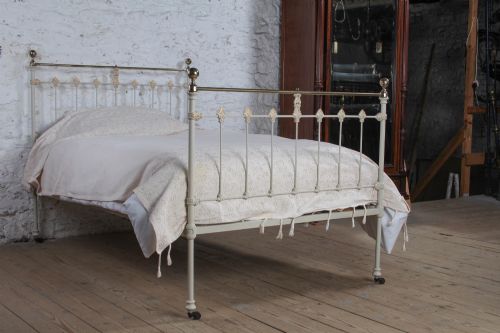
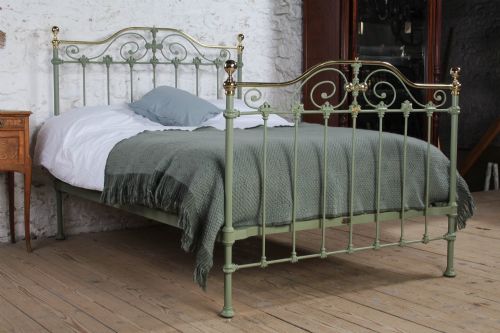
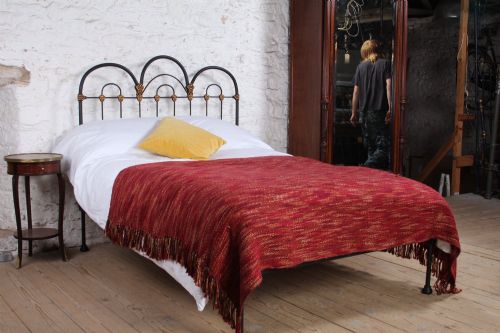
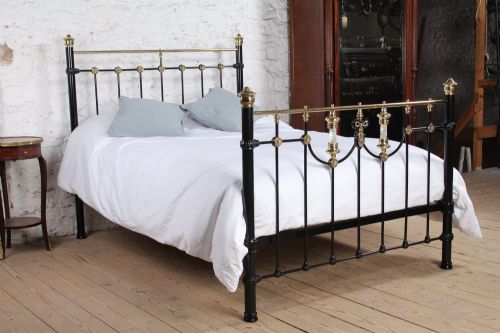
Traditional Iron Double Bed
These traditional iron double beds bring robust Victorian and Edwardian metalwork into modern bedrooms with enduring structural strength.
Traditional Iron Double Bed
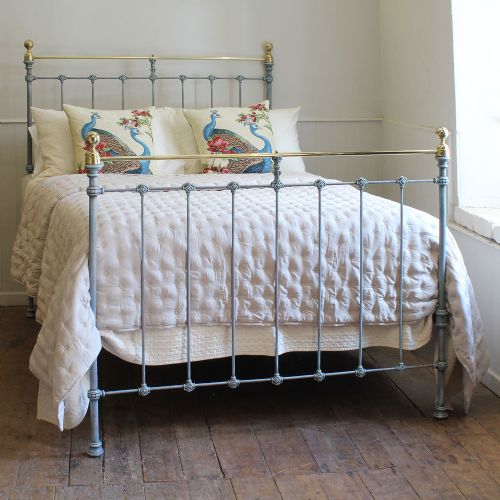
A traditional iron double bed forms the centrepiece of a period bedroom, combining functional sleeping space with decorative metal framing. Most examples encountered here date from the Victorian era up to the early twentieth century, spanning decades of industrial and domestic metalwork design.
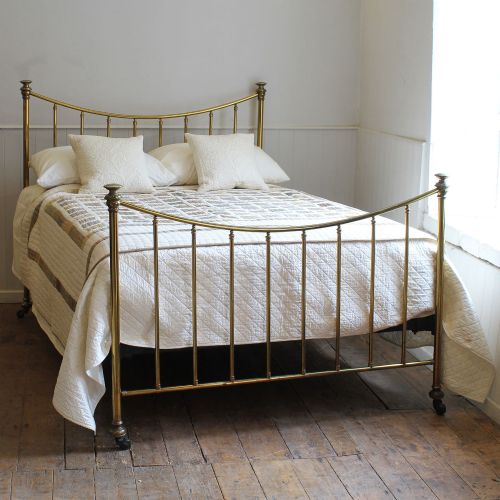
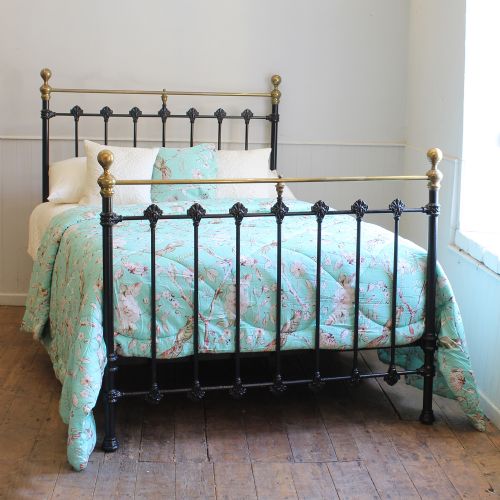
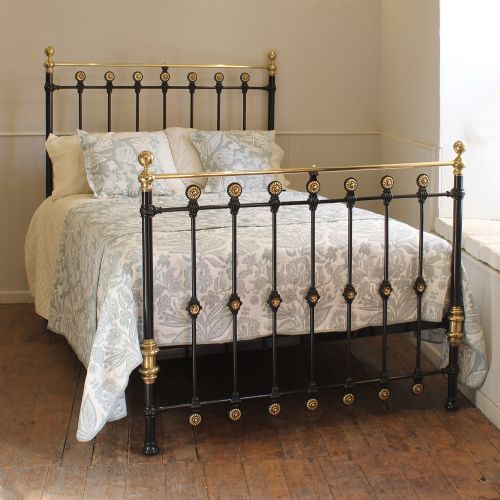
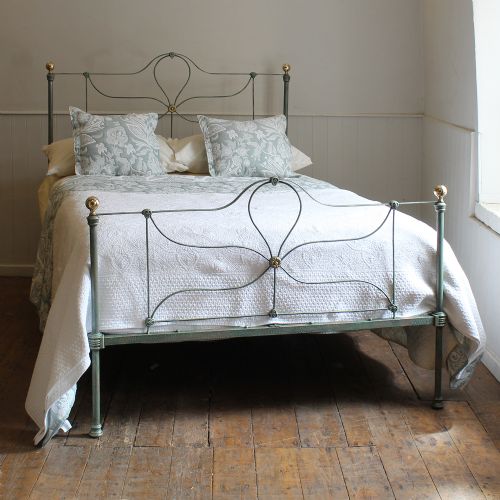
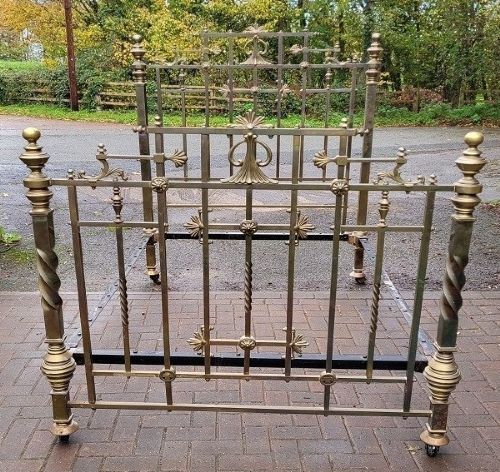
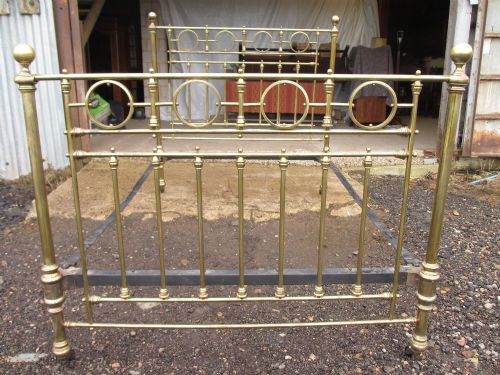
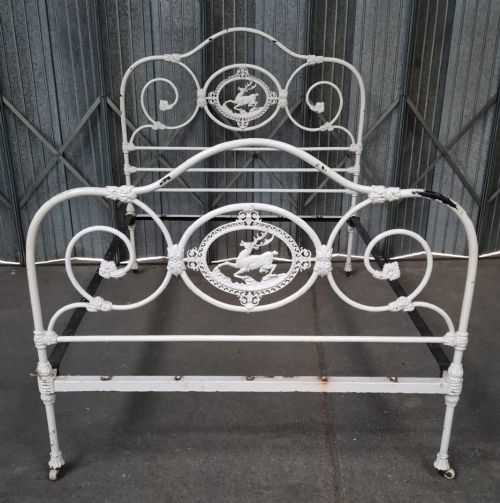
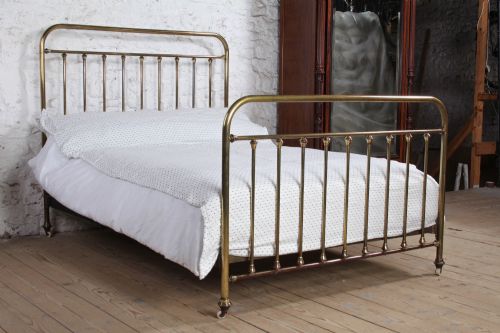
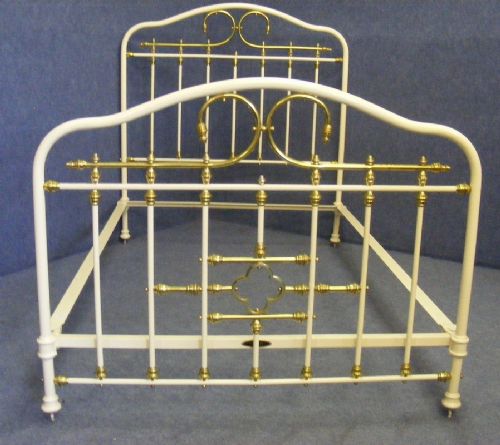
The form typically comprises a headboard and footboard linked by side irons, often set on castors for mobility. Variants range from simple straight rail designs to ornate curly ironwork and half tester structures, sometimes incorporating brass components.
Origins represented in these frames include British Victorian workshops alongside French Provincial styles and Irish designs. Buyers select these pieces for their combination of heavy-duty metal construction and distinctive period aesthetic.
Materials and Construction
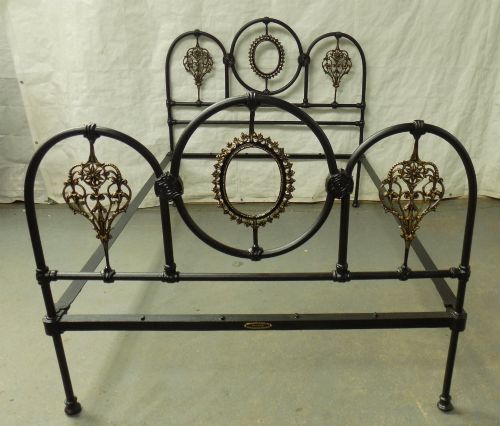
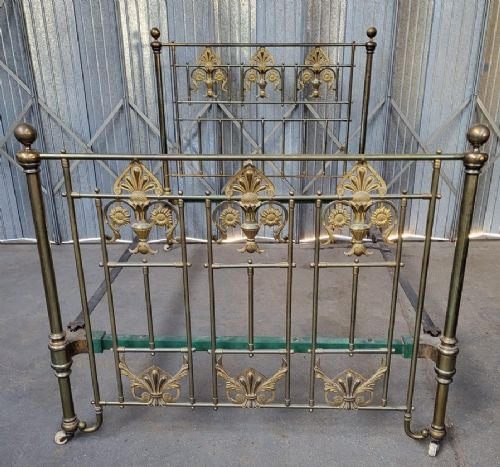
Construction relies heavily on cast iron and wrought iron, frequently paired with polished or lacquered brass fittings. Components were cast in moulds or forged by hand, then joined with mechanical fixings or slot-in frames.
Surface finishes include original black paint, decorative green paint, and exposed polished metals. Selected pieces incorporate unusual embellishments such as mother of pearl inlays set directly into the metalwork.
Listings feature Victorian, Edwardian, and nineteenth-century frames constructed from cast iron, wrought iron, and polished brass.
Judging Quality
Quality in these beds is dictated by the crispness of the iron castings and the structural integrity of the joints. Finer examples display detailed decorative mouldings and substantial gauge metal rather than thin, stamped components.
The presence of original manufacturer components, such as branded castors and stamped maker plates, elevates an example. The harmony between iron frames and brass detailing also marks out the superior workshops.
RW Winfield·Maple & Co.
The Traditional Iron Double Bed Glossary
- Bedstead
- A framework of a bed upon which the mattress is supported. This term frequently appears in nineteenth-century listings for complete metal bed structures.
- Dip Rail
- A headboard or footboard rail that curves downward in the centre. This profile is characteristic of specific Victorian bed frame designs.
- Half Tester
- A bed with a canopy projecting from the headboard over the upper portion of the bed. These frames often combine cast iron and brass elements.
- Castor
- A small wheel mounted on a swivel attached to the base of the bed legs. They allowed heavy iron frames to be moved across floors for cleaning.
- Slot-in Frame
- A method of assembly where side rails drop directly into slotted brackets on the headboard and footboard posts. This system requires no threaded bolts for the primary joints.
Traditional Iron Double Bed: Frequently Asked Questions
How do I fit a modern mattress?
Many traditional metal bed frames accommodate standard modern mattress sizes, though older proportions can vary slightly from contemporary dimensions. It is essential to check the internal length and width between the side rails before purchasing.
Custom mattress makers can also supply bespoke bases or mattresses tailored specifically to historical frame dimensions. This ensures a snug fit within the original iron side irons.
Are these beds easy to assemble?
Most traditional iron beds utilise simple slot-in or wedge-lock joints that require basic mechanical assembly without complex tools. The heavy components typically lift into place and lock under their own weight.
Two people are usually required for assembly due to the substantial weight of cast iron and brass components. Once locked together, the frame provides rigid structural stability.
How do I clean iron and brass?
Iron frames generally require gentle dusting and occasional cleaning with a dry or lightly oiled cloth to protect the painted or forged finish. Abrasive cleaners should be avoided to preserve original surface patinas.
Brass elements can be polished with proprietary metal cleaners if a bright finish is desired, though many prefer to leave the aged patina untouched. Lacquered brass requires only wiping with a soft damp cloth.
Did these beds come with bases?
Original period beds typically relied on taut wire mesh or linked spring bases suspended within the iron frame. These early support systems are frequently replaced today with modern wooden slats.
Contemporary slatted bases fit neatly across the side irons to provide firm support for modern foam or pocket-sprung mattresses. This adaptation maintains the historical appearance while ensuring modern sleeping comfort.