



Traditional Indian Painting
Traditional indian painting brings historic pigment, gouache, and textile wall art into modern rooms with rich narrative depth.
Traditional Indian Painting
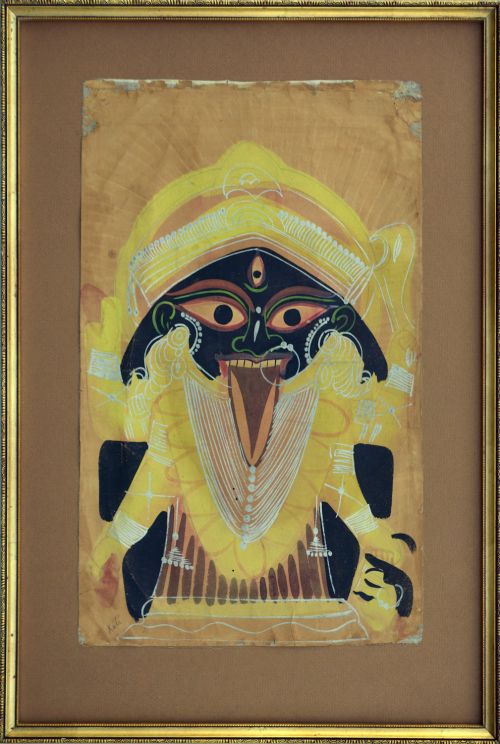
Traditional indian painting covers vibrant wall cloths, delicate miniatures, and temple artworks that depict figures, deities, and court scenes. Buyers searching this phrase encounter detailed textile wall art alongside framed paper and silk works.
The pieces on this page span the nineteenth century through the early twentieth century, showing influences from Kashmiri, Indian School, and Indian Folk Art traditions. Subjects range from portraits of nawabs and maharajahs to mythological narratives involving Krishna.
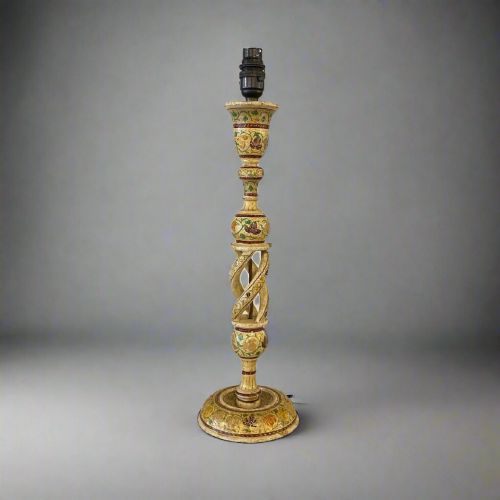
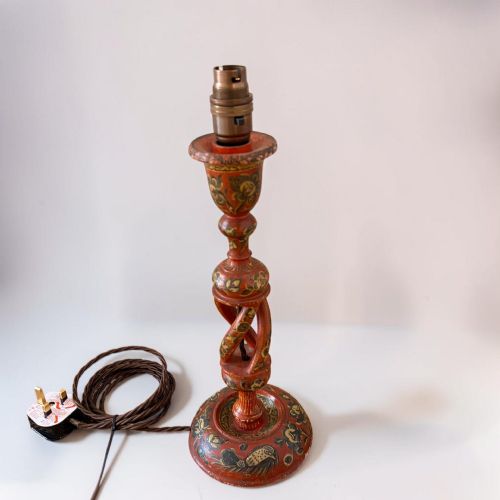
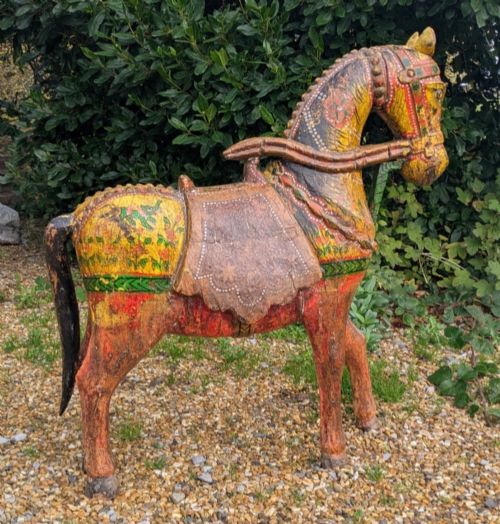
Alongside flat works, the selection includes painted architectural textiles and cloth hangings that function as statement wall art. Each object carries distinct regional methods and storytelling motifs that anchor historic South Asian decorative arts.
Materials and techniques
Artisans applied rich pigments and gouache directly onto paper, silk, and fabric grounds to build up dense, colourful compositions. Textile wall cloths and miniature paintings rely on fine brushwork to delineate figures, garments, and architectural details.
Many works incorporate traditional binding agents and natural dyes to achieve lasting saturation across cloth and paper surfaces. The physical support often includes woven textiles or prepared panels designed to hold detailed polychrome schemes.
Traditional Indian Painting Retail Price Guide 2026
Typical asking prices for traditional indian painting among the pieces listed under this phrase on Sellingantiques today, from the lower quarter to the upper quarter. They describe what is for sale here now, not the wider market.
Several depictions feature composite animals formed from intertwining figures, delighting observant viewers with hidden optical surprises.
Defining quality in these works
Quality rests in the precision of the brushwork and the preservation of the original pigment or dye across the surface. Finer examples display meticulous facial expressions, intricate patterning in garments, and clear narrative cohesion.
The integrity of the supporting fabric or paper ground also distinguishes finer pieces, with well-preserved textiles retaining their original vibrancy. Superior works maintain crisp outlines and balanced colour relationships without heavy modern restoration.
The Traditional Indian Painting Glossary
- Gouache
- An opaque water-based medium frequently used in miniature paintings for its dense colour and matte finish. It allows artists to build layered, vibrant details on paper.
- Kalamkari
- A traditional style of hand-painted or block-printed textile work often seen on large wall cloths. These pieces employ natural dyes on cotton or fabric grounds.
- Miniature painting
- A small-scale, highly detailed artwork traditionally executed on paper or fabric using fine brushes. These works often depict courtly scenes, portraits, or mythological narratives.
- Silk painting
- An artwork created by applying pigments or dyes directly onto a woven silk support. This technique yields a luminous surface quality prized in historic portraiture.
- Wall cloth
- A large textile hanging designed for interior display, frequently depicting narrative scenes from mythology or folklore. These textiles bring considerable scale and colour to architectural spaces.
Traditional Indian Painting: Frequently Asked Questions
How do I hang a textile wall art piece?
Fabric and cloth pieces benefit from professional mounting onto conservation-grade backing or framing behind glass to protect the fibres.
Alternatively, a sleeved wooden dowel can support the upper edge for a traditional hanging presentation.
Where should I place miniature paintings?
Miniatures suit intimate spaces where viewers can examine the fine brushwork and detailed iconography up close.
Keep them away from direct sunlight to preserve the delicate gouache and pigment layers.
How are different periods identified in these paintings?
Stylistic conventions, costume details, and pigment analysis help date works to specific nineteenth or early twentieth-century eras.
Portrait subjects and courtly attire often provide clear chronological markers for regional schools.
Can silk paintings be cleaned safely?
Historic silk supports require specialist textile conservation rather than domestic cleaning methods.
Dust accumulation should be gently removed by professionals using appropriate conservation tools.