
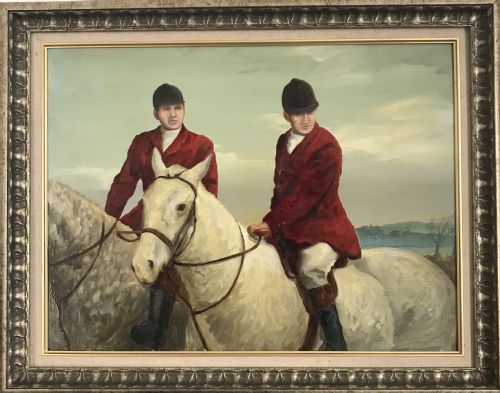


Traditional Hunting Scene Artwork
Traditional hunting scene artwork captures the drama and pageantry of rural pursuits across centuries of sporting life.
Traditional Hunting Scene Artwork
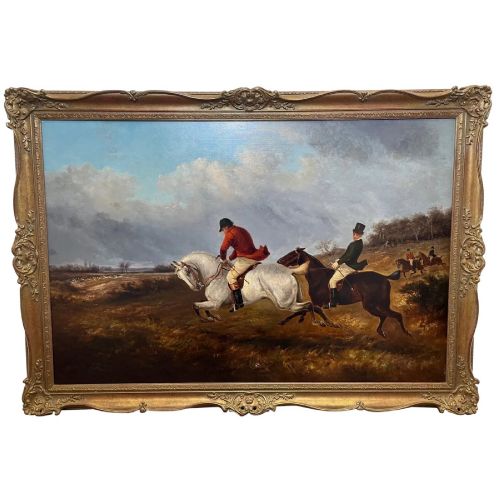
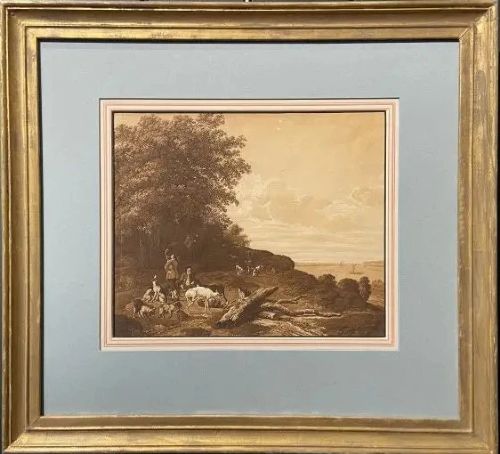
Traditional hunting scene artwork encompasses oil paintings, watercolours, drawings, and hand-coloured engravings depicting equestrian pursuits, hound packs, and shooting parties. These pieces typically record the structured pageantry of the hunt, from the initial meet through the chase to the final kill in open countryside.
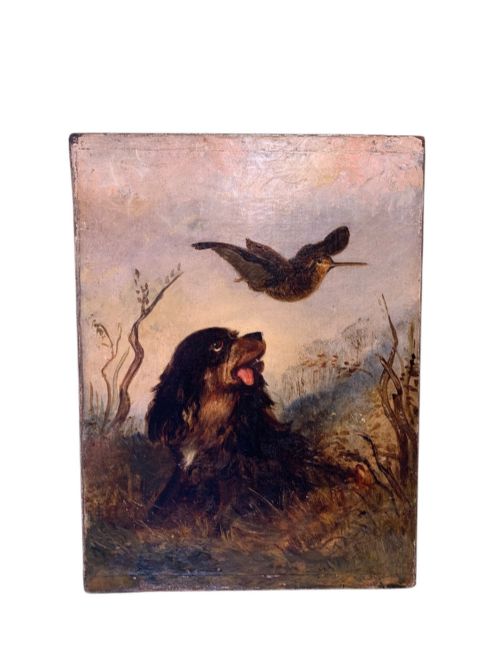
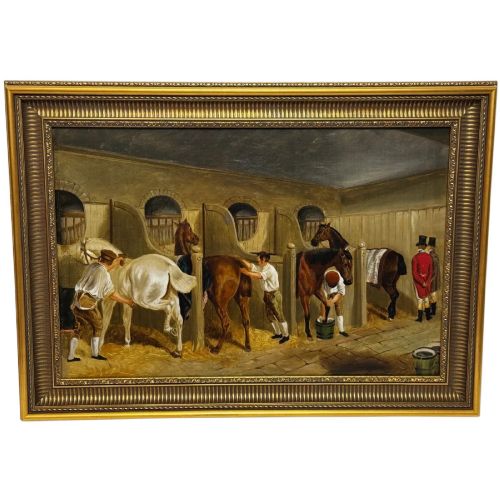
The selections span from seventeenth-century Dutch and European compositions to nineteenth-century Victorian sporting art and early twentieth-century works. Buyers encounter depictions of notable packs like the Berkeley Hunt alongside intimate portrayals of spaniels, pointers, and hunters in stable or moorland settings.
Materials and methods
Painters utilised oil paint on canvas or wood panels, building rich textures for the coats of horses, the rough fur of hounds, and the changing light of country landscapes. Watercolour and gouache on paper appeared alongside detailed pencil and chalk sketches for preliminary studies and finished works.
Engravings provided printed editions of popular sporting subjects, often finished with hand colouring to add vibrancy to the riders' pink coats and the surrounding foliage. Frames fashioned from giltwood or plain wood preserved and complemented these works, maintaining the distinct visual language of traditional sporting art.
Listings feature eighteenth and nineteenth-century oil paintings alongside watercolours, pencil drawings, and hand-coloured engravings on paper.
Variations in quality
The quality of traditional hunting scene artwork rests upon the artist's anatomical accuracy in rendering horses, hounds, and human figures in dynamic motion. Master hands convey the tension of the chase and the specific conformation of a hunter with precision, whereas lesser works rely on stiff postures and generic background landscapes.
Compositional balance and brushwork control separate routine workshop output from the definitive works of recognised sporting painters. The handling of atmospheric light, distant skies, and the textures of tweed, leather, and fur dictate the distinction between standard decorative pieces and accomplished fine art.
Thomas Smythe·Johannes Lingelbach·John Arthur Lomax·Philip Henry Rideout·George Armfield·Michael Lyne·Charles Faulkner·John Frederick Herring Jnr·John Sanderson Wells·Henri Schouten·Heywood Hardy·Ludolf de Jongh·Guillaume Urban Régamey·George Goodwin Kilburne·Edgar Hunt·Thomas Blinks·Snaffles·Godfrey Douglas Giles·Frank Dadd·Edward B Herberte·Samuel John Egbert Jones·Dean Wolstenholme·Charles Ashmore
The Traditional Hunting Scene Artwork Glossary
- Sporting art
- Fine art dedicated to depicting field sports, equestrian subjects, and animals. This genre developed significantly in Britain during the eighteenth and nineteenth centuries.
- Giltwood
- Wood carved and coated with gold leaf or gold paint, frequently utilised for traditional picture framing. It adds a reflective border that enhances the colours of oil paintings.
- Gouache
- An opaque water-based paint composed of pigment and a binding agent, often used on paper for detailed miniature and illustrative works. It allows for rich, solid areas of colour.
- Full cry
- A hunting term describing the sound made by a pack of hounds when they have located and are actively pursuing quarry. Artists frequently chose this moment for high-drama compositions.
Traditional Hunting Scene Artwork: Frequently Asked Questions
What periods do these artworks represent?
The pieces span from the seventeenth century through the Victorian era and into the early twentieth century. They reflect the evolving styles of European masters and British sporting artists.
Victorian and Edwardian works dominate the selection, capturing the height of traditional hunting culture in oils, watercolours, and engravings.
How are horses and hounds depicted?
Artists focused heavily on the correct anatomical proportions and energetic postures of hunters, greys, and chestnuts. Hounds are shown reacting to scent or gathered in disciplined packs during the meet.
Detailed handling of musculature and coat textures brings a sense of movement and realism to the unfolding chase.
What mediums were commonly used?
Oil on canvas and wood panel served as the primary mediums for finished paintings designed for country houses and drawing rooms. Watercolours, chalk, and hand-coloured engravings provided alternative formats for collectors.
Persian miniature paintings employing gouache on paper also appear, offering a distinct cultural perspective on hunting subjects.
How should I frame and display them?
Original giltwood frames often accompany these works, preserving their historic character and complementing the traditional subject matter. Display them away from direct sunlight to protect pigments on canvas and paper.
Pairing them with other equestrian or landscape pieces helps create a cohesive gallery wall in a study or hallway.