

Traditional Hunt Painting
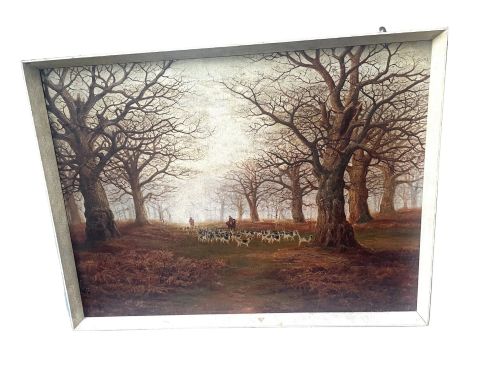
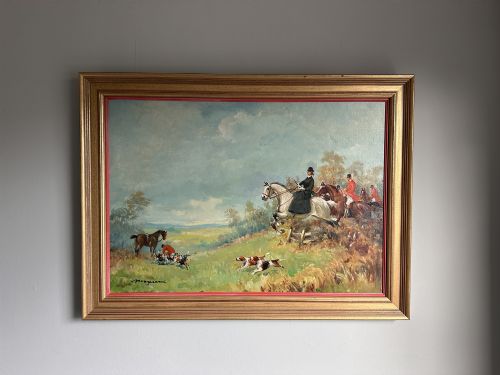
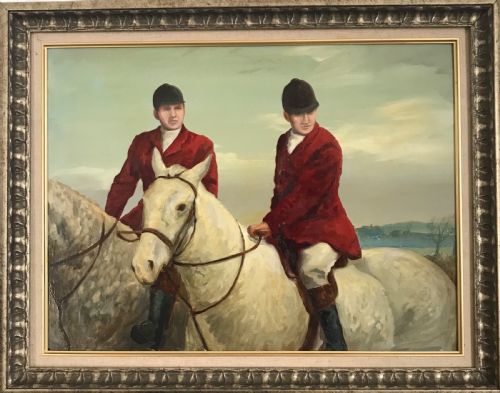
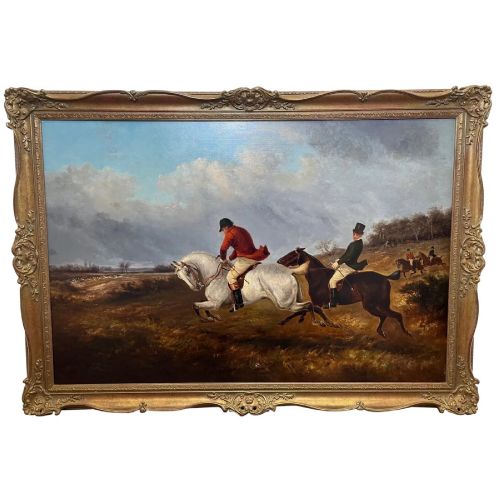
A traditional hunt painting captures the motion of hounds, horses, and riders across nineteenth and early twentieth-century rural landscapes.
Traditional Hunt Painting
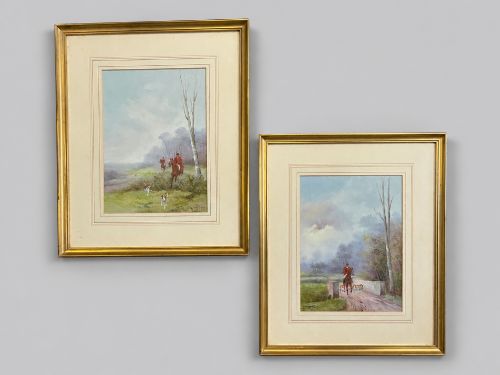
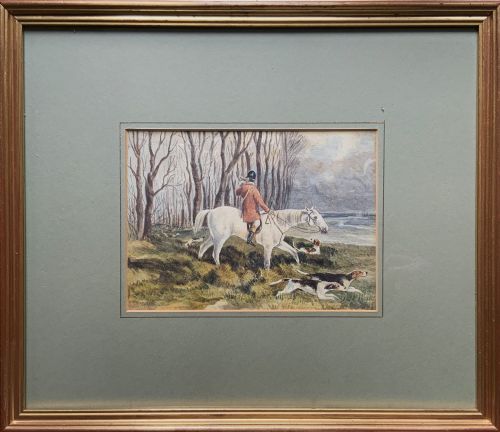
A traditional hunt painting depicts equestrian scenes, fox hunting, and sporting dogs set within expansive rural countryside.
The works on this page span the Victorian and Edwardian periods, stretching from the nineteenth century into the twentieth century.
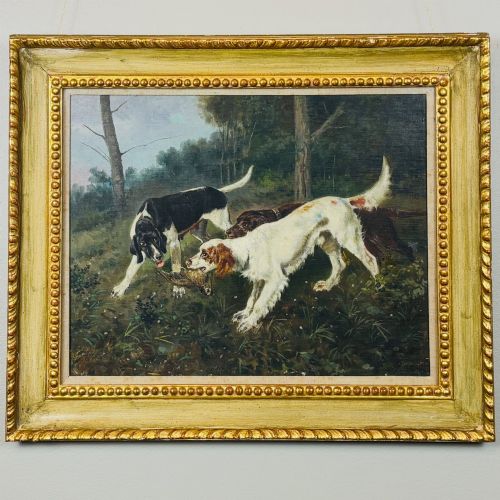
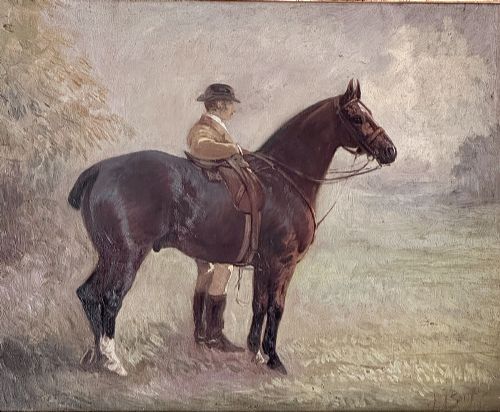
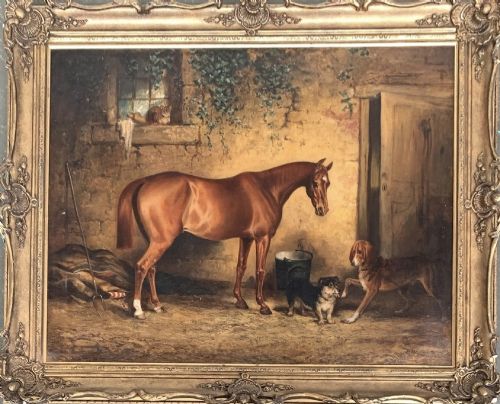
Canvases range from intimate animal portraits of gun dogs and hunters to large exhibition scenes showing the meet and full cry.
How they were made
Artists painted primarily in oil on canvas, applying oil paint to capture the rich coats of horses and hounds against winter landscapes.
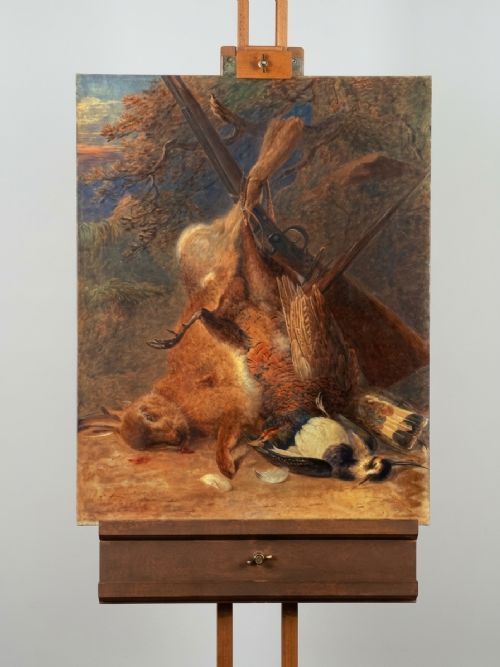
Watercolour and bodycolour appear on paper for detailed studies of game and countryside views.
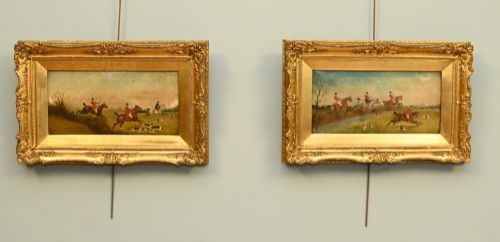
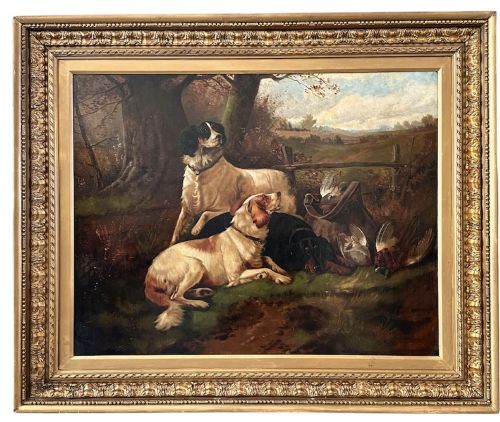
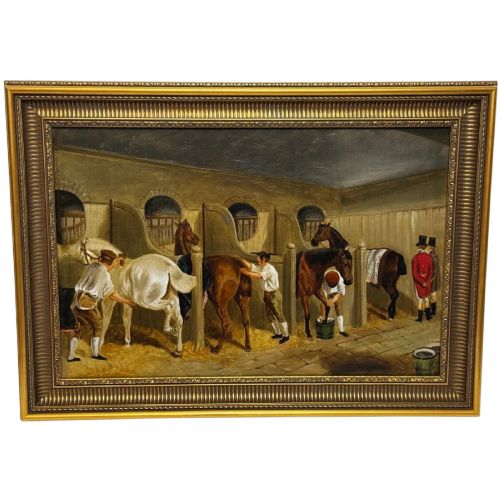
Many works retain their original gilt wood or giltwood frames, providing structured borders for the canvas.
Traditional Hunt Painting Retail Price Guide 2026
Typical asking prices for traditional hunt painting among the pieces listed under this phrase on Sellingantiques today, from the lower quarter to the upper quarter. They describe what is for sale here now, not the wider market.
Listings feature oil on canvas, paper, wood, and gilt wood across Victorian, Edwardian, and nineteenth-century periods.
What varies in quality
Anatomy and movement distinguish skilled animal painters from lesser hands, particularly in the rendering of galloping horses and hounds.
Atmospheric depth in the landscape and the treatment of light during winter scenes elevate the composition beyond a simple record.
Henry Barraud·Thomas Smythe·John Arthur Lomax·George Wright·Basil Nightingale·Philip Henry Rideout·George Armfield·Fannie Moody·John Frederick Herring Jnr·Michael Lyne·Henri Schouten·Heywood Hardy
The Traditional Hunt Painting Glossary
- Oil on Canvas
- A traditional painting medium where oil paint is applied to a stretched fabric support. This combination allows for rich blending and deep tones.
- Gilt Wood
- Wood carved and covered with a thin layer of gold leaf or metallic gilt. It frames many traditional sporting paintings.
- Bodycolour
- An opaque watercolour paint mixed with a white pigment to create solid, flat areas of colour. It offers more density than standard watercolour.
- Sporting Art
- A genre of art depicting bloodsports, racing, and animals in the field. It forms the core of these equestrian and hunting scenes.
Traditional Hunt Painting: Frequently Asked Questions
What periods do these paintings come from?
The listings span the nineteenth century, the Victorian era, the Edwardian period, and into the early decades of the twentieth century.
Most canvases reflect British sporting art traditions established during the eighteen hundreds and early nineteen hundreds.
How were these paintings originally displayed?
These works hung in country houses, estate libraries, and hunting lodges as records of local packs and favoured mounts.
Large exhibition pieces were often commissioned to document specific hunts or notable equine portraits.
What subjects appear besides mounted riders?
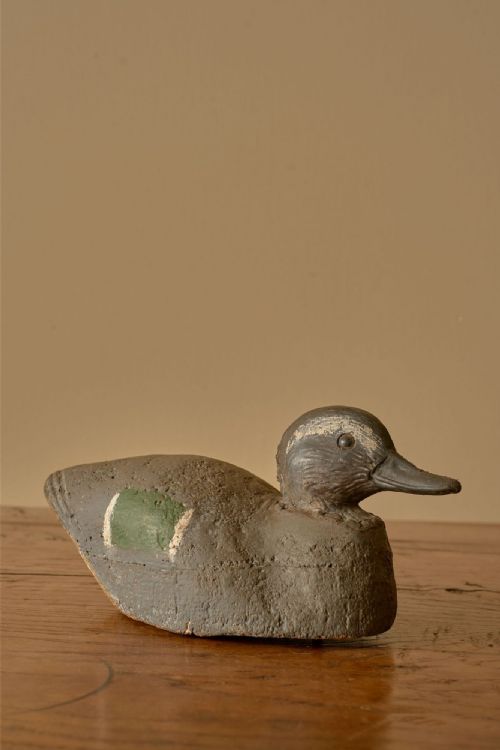
Artists frequently painted individual gun dogs, terriers, setters, and decoy ducks alongside wider pack scenes.
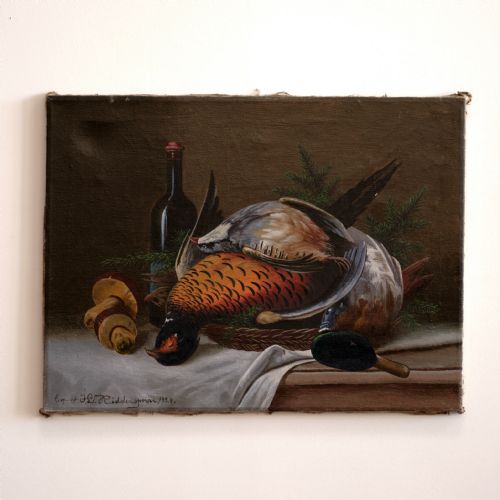
Still life arrangements featuring dead game and tavern interiors also accompany the equestrian works.
Are all the works painted on canvas?
While oil on canvas is the primary medium, several pieces utilise paper for watercolours and bodycolour.
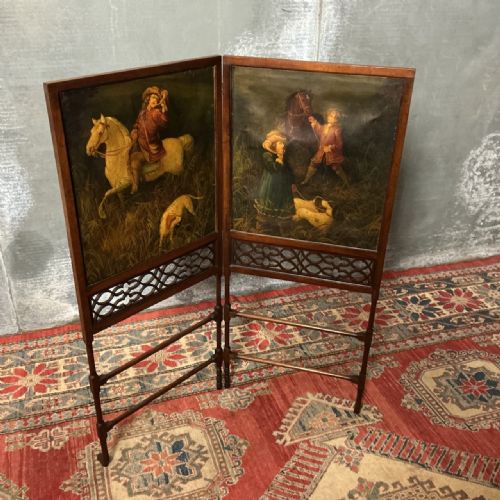
Some Edwardian examples incorporate painted panels directly into decorative wood screens.