
Traditional Horse Oil Painting
A traditional horse oil painting captures the enduring bond between humanity and the equine form through rich, layered pigments.
Traditional Horse Oil Painting
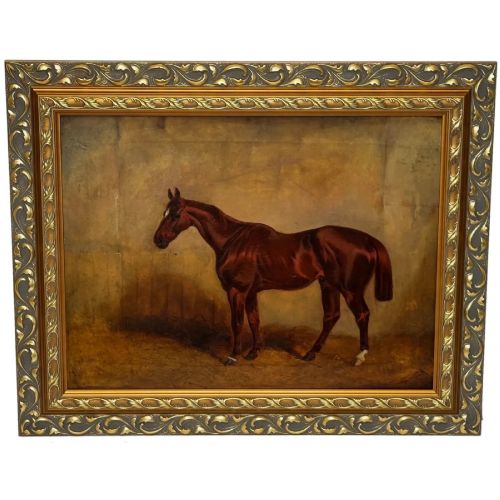
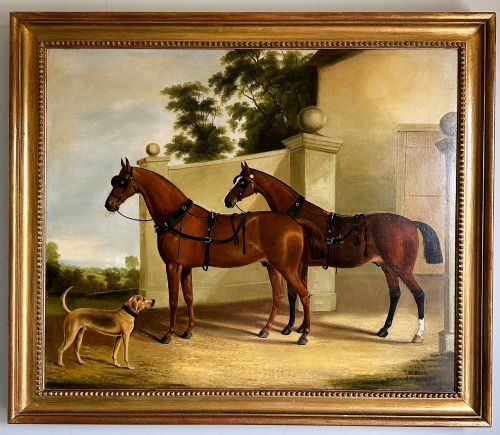
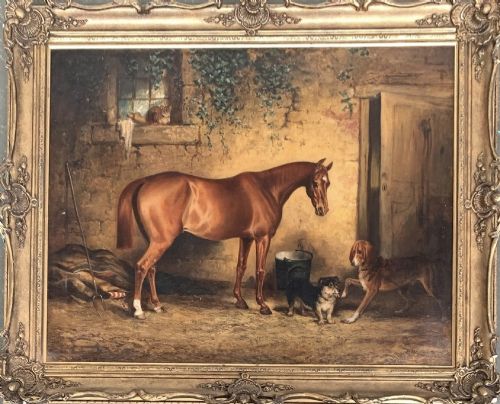
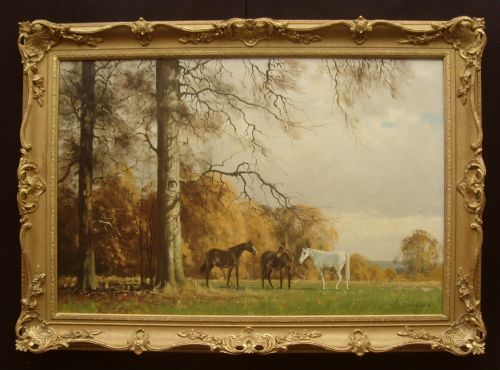
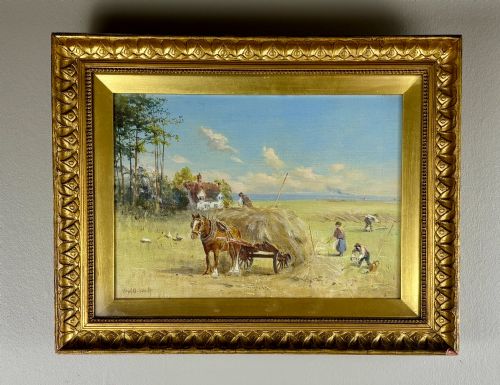
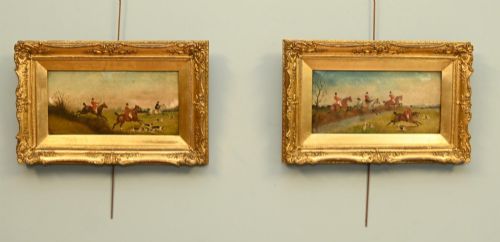
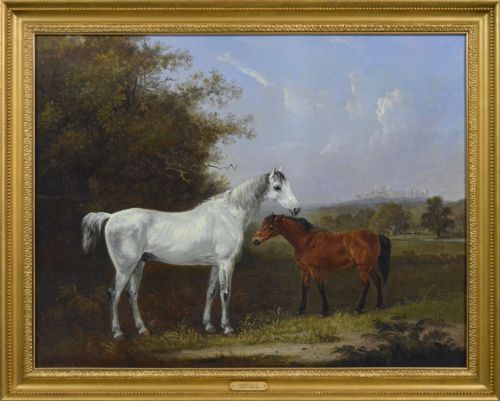
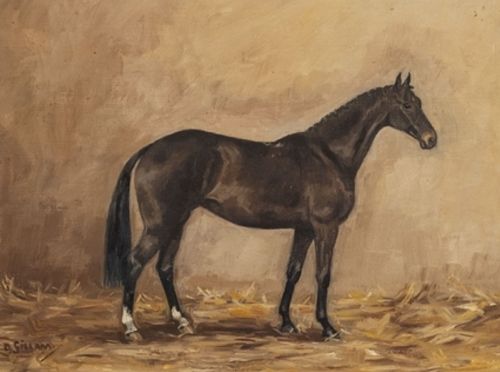
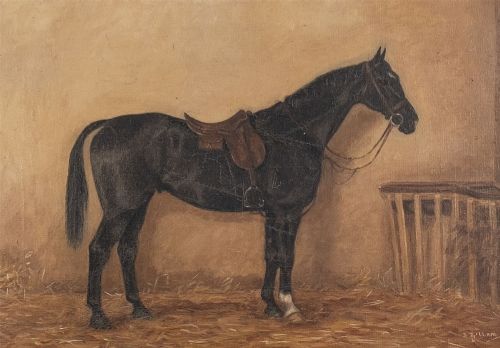
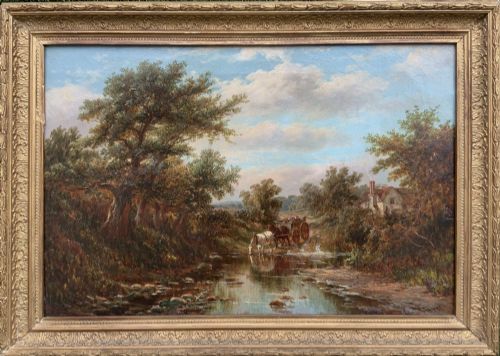
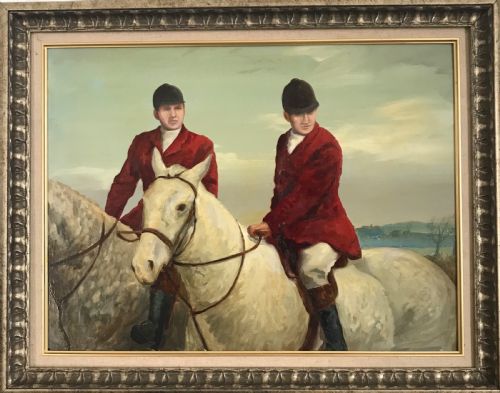
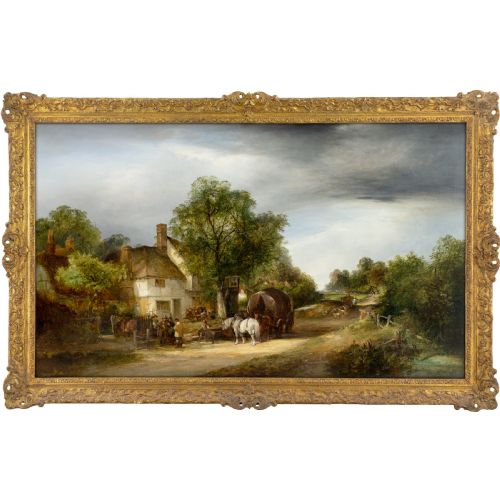
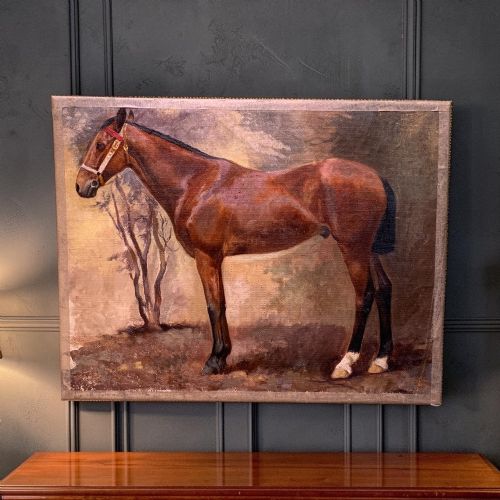
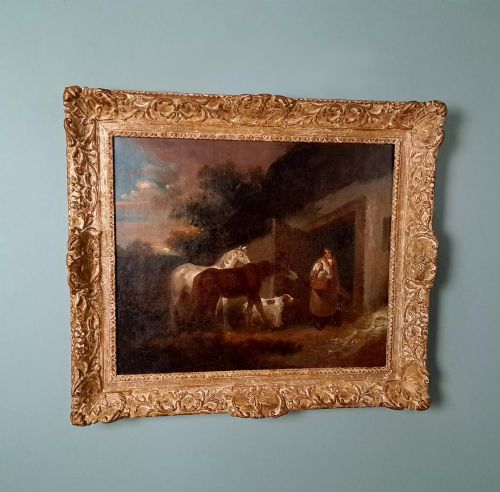
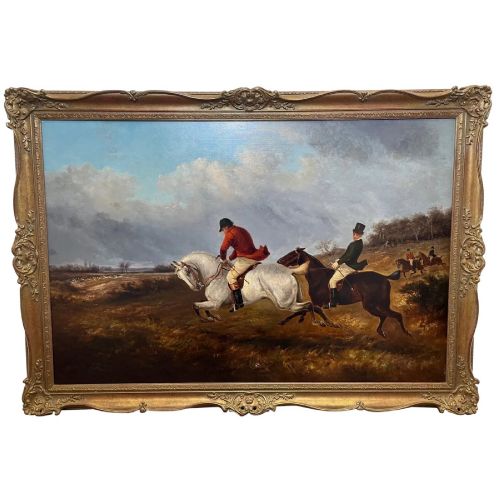
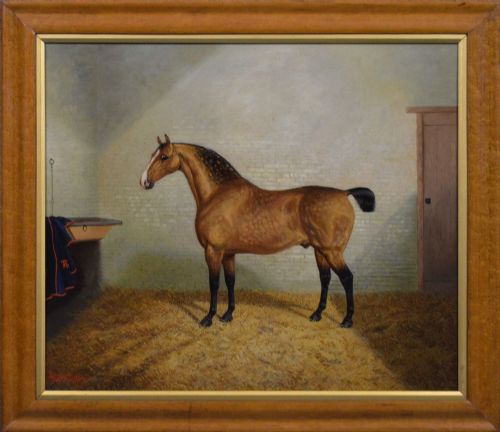
A traditional horse oil painting portrays equine subjects ranging from powerful workhorses and gentle farm ponies to celebrated racehorses and prized hunters. These works capture the animal's physical form alongside rural landscapes, stable interiors, and country estates.
The pieces span several periods, with Victorian and early twentieth-century examples appearing most frequently on this page. Collectors encounter individual animal portraits, racing scenes, and rural working life depicted by artists working within British realism and sporting art traditions.
The selection includes framed canvases, works on panel, and even decorative pieces integrated into period wall mirrors. Each composition reflects the specific aesthetic concerns of its era, from nineteenth-century sporting commissions to later rural landscape studies.
Materials and construction
These works rely primarily on oil paint applied to canvas or wood panels, utilising the slow-drying nature of oil to build depth, texture, and luminosity. Artists manipulate pigment to render the sheen of a horse's coat, the play of light across muscle, and atmospheric background details.
Many paintings are housed in their original giltwood or gilt frames, which provide structural support and complement the visual warmth of the canvas. The combination of durable oil pigments and wooden supports explains the survival of these pieces across centuries.
Several paintings include curious canine companions keeping a watchful eye on the horses from the stable floor.
Variations in quality and execution
Quality in these works rests upon the artist's anatomical accuracy, brushwork control, and ability to convey the character and movement of the animal. Superior examples demonstrate a nuanced understanding of equine bone structure and musculature rather than rigid formulaic rendering.
The handling of light and background atmosphere further distinguishes finer works, where skies, landscapes, and stable interiors possess depth and context. Original framing and documented provenance also contribute to the distinction of higher-tier examples.
Henry Barraud·William Joseph Shayer Senior·Thomas Smythe·Albert Clark·Frederick Albert Clark·George Wright·William Albert Clarke·Ernest Payne·John Alfred Wheeler·Thomas Walker Bretland·George Morland·Charles Walter Simpson·C W Tuck·John Sanderson Wells·John Frederick Herring Jnr
The Traditional Horse Oil Painting Glossary
- Oil on Canvas
- Pigment mixed with drying oil applied to a woven fabric stretched across a wooden frame. This material combination allows for rich colour blending and textured brushwork.
- Giltwood
- Wood that has been coated with a thin layer of gold leaf or gold paint. Frames constructed from this material frequently accompany traditional sporting art.
- Sporting Art
- A genre of painting dedicated to equestrian subjects, hunting, racing, and rural pastimes. It gained significant popularity during the Georgian and Victorian periods.
- Panel
- A rigid wooden support used as a base for painting before canvas became standard. Panels offer a smooth, stable surface for fine detail work.
- Equestrian
- Pertaining to horses, horse riding, or the representation of horses in art. This term defines the primary subject matter of these works.
Traditional Horse Oil Painting: Frequently Asked Questions
How do I identify a Victorian horse painting?
Victorian horse paintings often feature detailed anatomical studies of hunters, racehorses, or farm animals set against rolling countryside or traditional stables. The brushwork tends to be precise, reflecting the era's strong interest in sporting art and realism.
Examination of the canvas, framing materials, and artist signatures can provide further clues to confirm the nineteenth-century origins of the work.
What is equine sporting art?
Equine sporting art is a genre dedicated to documenting horses, racing, hunting, and rural activities, particularly prominent in British art history. These works served as status symbols for owners who wished to record the victories and lineage of their prized animals.
Artists in this tradition focused heavily on accurate conformation and the vibrant atmosphere of the sporting field.
How should I care for an oil painting on canvas?
Protect the canvas from direct sunlight and stable fluctuations in temperature and humidity to prevent cracking of the oil paint and warping of the stretcher frames. Dust the surface gently with a soft, dry brush without applying pressure to the pigment.
Professional conservation should be sought for cleaning or repairing older canvases to preserve the integrity of the original materials.
Are these paintings original or reproductions?
The pieces featured here are original period works created using traditional oil paints on canvas or wood panels by historical artists. Each painting carries the unique brushstrokes and material ageing characteristic of authentic antique fine art.
Signatures, stylistic markers, and underlying medium help distinguish these original compositions from modern prints.