



Traditional Highback Armchair
These traditional highback armchair examples provide deep support and shelter from draughts, combining solid timber frames with generous upholstered seating.
Traditional Highback Armchair
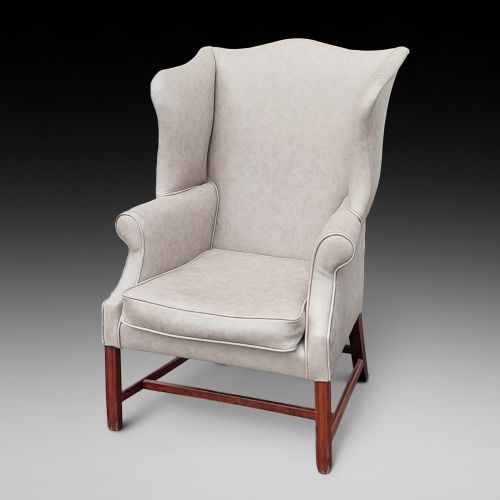
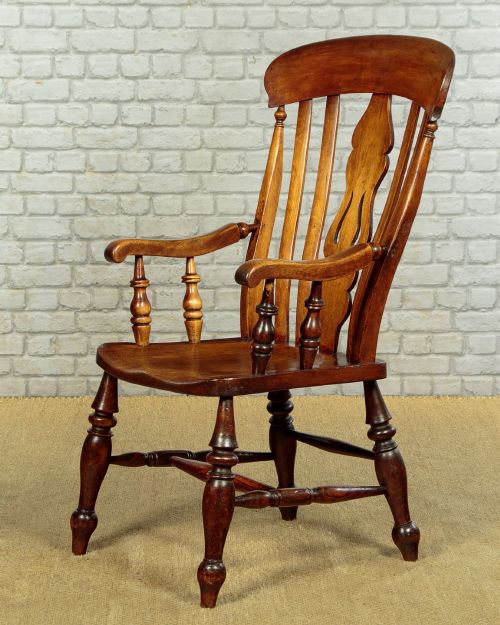
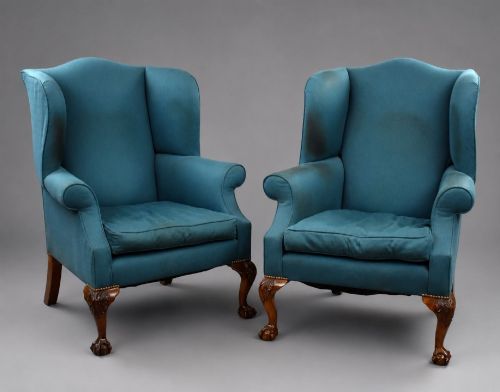
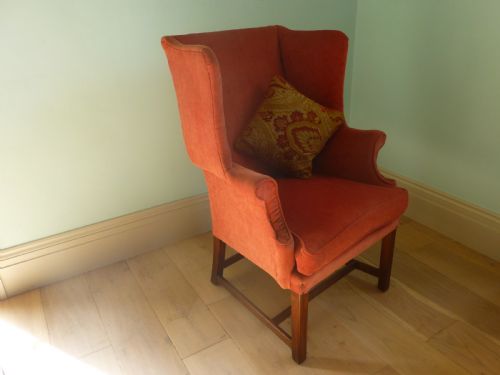
A traditional highback armchair encompasses high-backed seating forms designed for warmth and comfort, drawing from 18th century, 19th century, Victorian, and Edwardian periods. Buyers encounter wing chairs, Windsor chairs, and fireside easy chairs.
Many variants arrive upholstered in modern chenille or traditional calico and hessian. Others highlight exposed timber construction in yew wood, elm, and oak.
How traditional highback armchair frames and finishes were constructed
Frames rely on sturdy native hardwoods such as oak, elm, yew, and mahogany, shaped into spindles, legs, and structural wings. Joinery utilises traditional pegging and turning techniques.
Upholstered variants incorporate internal padding beneath calico and hessian foundations, finished with textiles like chenille and leather. Brass details occasionally appear on castors or hardware.
Traditional Highback Armchair Retail Price Guide 2026
Typical asking prices for traditional highback armchair among the pieces listed under this phrase on Sellingantiques today, from the lower quarter to the upper quarter. They describe what is for sale here now, not the wider market.
Crofter chairs in Scottish oak kept the wind from whistling down the glen and straight onto the back of your neck.
What separates fine traditional highback armchair examples
Quality rests in the integrity of the timber frame, the depth and proportion of the high back, and the authenticity of the period upholstery foundations. Timber selection ranges from humble kitchen elm to finely figured early mahogany.
Execution of turned spindles, arm bow shapes, and wing contours dictate the distinction between vernacular workshop items and formal parlour seating.
The Traditional Highback Armchair Glossary
- Wing chair
- An upholstered armchair with projecting side panels designed to shield the occupant from draughts. These panels are also known as cheeks.
- Windsor chair
- A wooden chair constructed with upright spindles inserted into a solid sculpted seat. The back rises into a high framework often supported by a central splat.
- Chenille
- A textured pile fabric utilised for tactile upholstery finishes. It provides a soft, durable surface layer.
- Hessian
- A coarse woven fabric typically utilised as internal foundation bagging for traditional upholstery. It supports underlying stuffing materials.
- Splatt
- A central vertical slat of wood set into the back of a chair. It adds structural rigidity and decorative contour.
Traditional Highback Armchair: Frequently Asked Questions
How do I date a wing chair?
Dating relies on examining the stretcher arrangement, leg profile, and timber species used in the underframe. Earlier examples often display vernacular joinery and solid timber framing.
Secondary indicators include the height of the wings and the rake of the back legs, which shifted from straight vertical lines to curved cabriole forms across different periods.
What is a Windsor armchair?
A Windsor armchair is a wooden seating form where turned legs and back spindles are wedged directly into a thick, saddle-shaped wooden seat. Highback versions offer elevated head support.
These chairs were traditionally made by vernacular village artisans using local timbers such as yew, elm, and ash.
Where should I place a highback chair?
These chairs suit fireside settings, reading corners, or studies where their tall backs create a sense of enclosure and privacy. They anchor larger rooms effectively due to their vertical visual weight.
Ensure adequate clearance around the wings and arms so the proportions of the chair balance the surrounding furniture.
Are these chairs comfortable for daily use?
Highback chairs designed for fireside or library use offer substantial ergonomic support through deep seats and tall backrests. Upholstered versions provide softer padding for extended sitting.
Wooden Windsor variants offer firmer upright posture supported by sculpted wooden seats and steam-bent arm bows.