







Traditional Hand Embroidery
Traditional hand embroidery encompasses textile panels, wall hangings and ceremonial garments created across Central Asia and beyond, offering collectors vibrant historic needlework.
Traditional Hand Embroidery
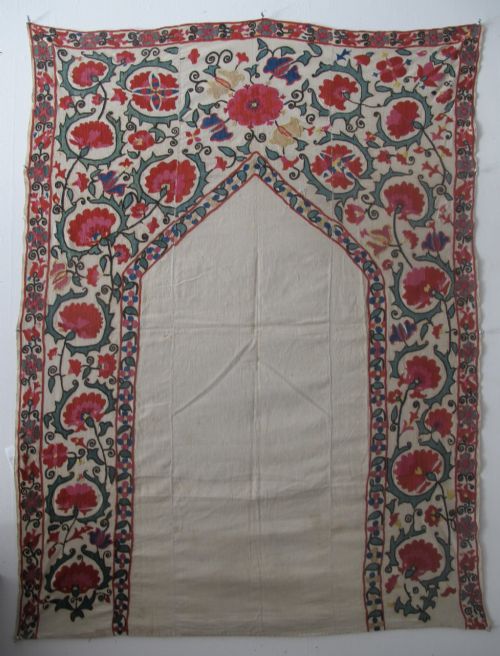
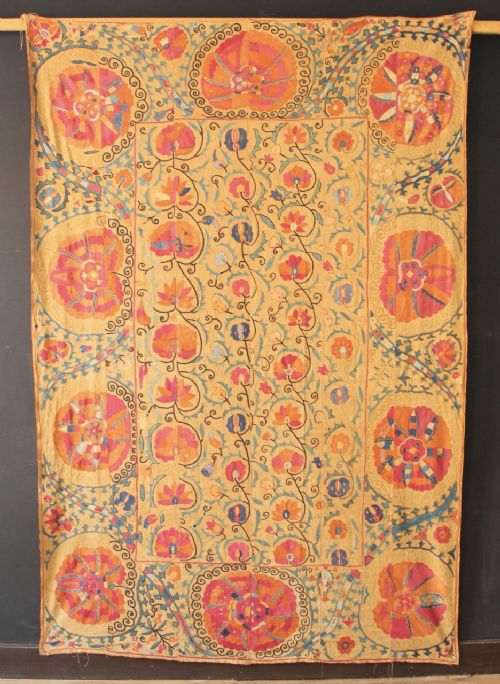
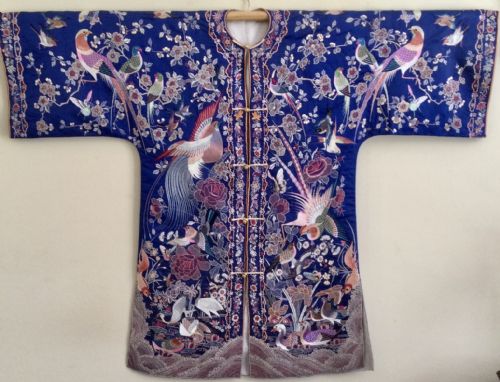
When searching for traditional hand embroidery, buyers encounter a diverse array of textile wall hangings, rugs, shawls, and garments originating primarily from Central Asian regions such as Uzbekistan. The most prevalent pieces on this page are suzanis, which are large, intricately embroidered wall coverings and bed covers created using silk threads on cotton, linen, or wool grounds.
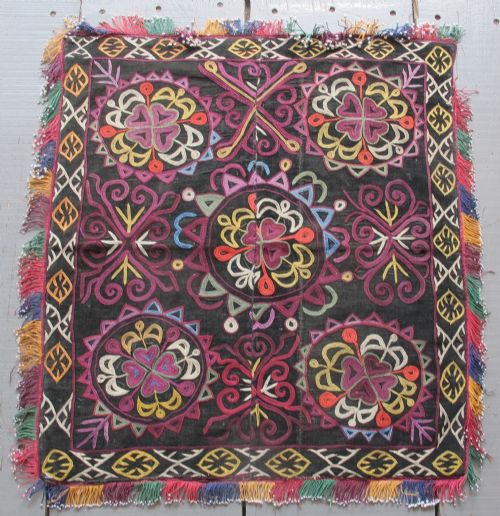
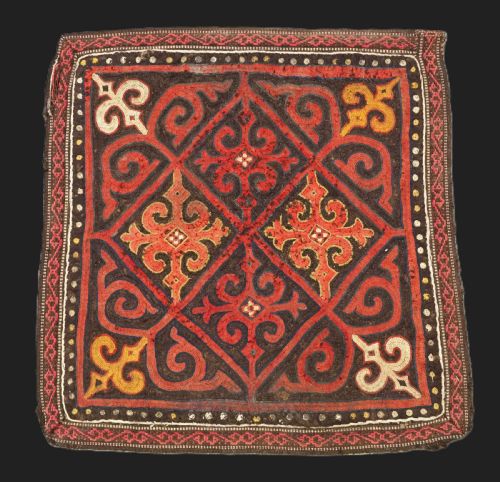
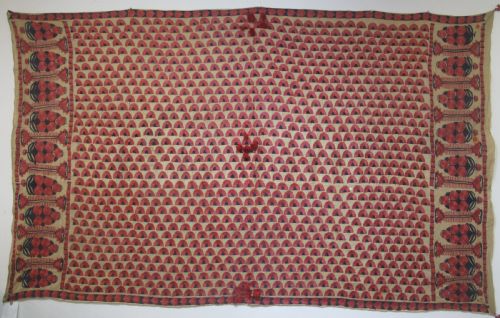
The selection also includes specialised items like Turkmen ceremonial coats, Kashmiri wedding shawls, mirror covers, and felt panels. These objects date from the mid-nineteenth century through to the early decades of the twentieth century, reflecting distinct tribal and regional designs from makers in Bukhara, Tashkent, Shakrisabz, and Kashmir.
Assessing quality in antique needlework
Quality in these textiles rests upon the density and precision of the needlework, where fully embroidered pieces requiring extensive labour command greater attention than sparse designs. The vibrancy, complexity, and condition of the natural colour palette further distinguish superior examples.
The fineness of the ground fabric and the structural integrity of the base material also influence the standard of the piece. Superior items exhibit balanced composition, harmonious regional colour combinations, and careful preservation of the delicate silk threads.
Traditional Hand Embroidery Retail Price Guide 2026
Typical asking prices for traditional hand embroidery among the pieces listed under this phrase on Sellingantiques today, from the lower quarter to the upper quarter. They describe what is for sale here now, not the wider market.
Many nineteenth-century embroideries include intentional minor pattern flaws, left by makers to ward off the evil eye.
The Traditional Hand Embroidery Glossary
- Suzani
- An embroidered tribal hanging originating from Uzbekistan and Tajikistan, traditionally worked in silk on a cotton or linen foundation by brides as part of their dowry.
- Chyrpy
- A sleeveless ceremonial ladies coat heavily embroidered with silk thread, traditionally worn by Turkmen women.
- Adras
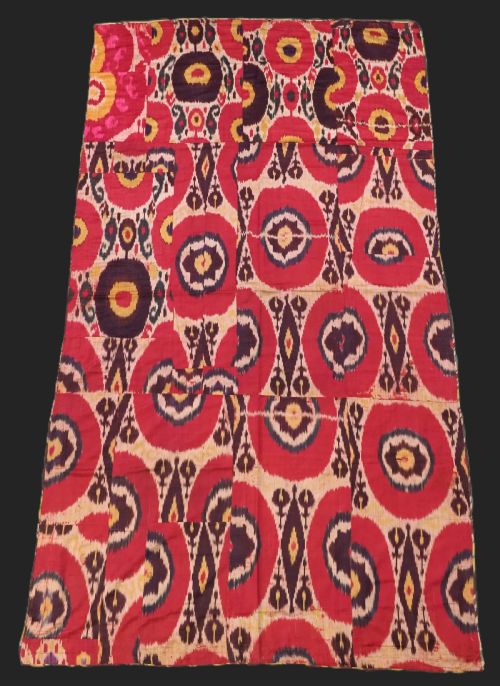
- A traditional Central Asian mixed fabric woven using a combination of silk warp and cotton or wool weft threads.
- Torba
- A small storage bag or hanging produced by nomadic and tribal groups in Central Asia, often featuring detailed embroidery or pile work.
- Palak
- A specific type of suzanis characterised by a dense, fully embroidered background featuring large floral and celestial motifs.
Traditional Hand Embroidery: Frequently Asked Questions
How were antique embroidered textiles used?
Historic embroideries served primarily functional yet decorative roles within nomadic and settled households across Central Asia and India. They functioned as wall hangings, bed covers, wedding shawls, and ceremonial garments.
Items like mirror covers and small torbas were utilised for domestic storage and protection of personal belongings within the home.
How should I care for antique silk embroidery?
Protect delicate silk and cotton textiles by keeping them away from direct sunlight, which fades natural dyes over time. Display them on padded supports or mount them securely to distribute weight evenly.
Avoid moisture and professional chemical washing; instead, consult a textile conservator for gentle cleaning advice.
How do I identify regional styles?
Regional styles are distinguished by specific colour palettes, ground fabrics, and characteristic stitch densities. For instance, Tashkent and Bukhara suzanis often feature distinct floral arrangements and full-work layouts.
Examining the backing material, such as red cotton or adras silk, provides further clues regarding the geographical origin and period.