




Traditional Hallway Cane Holder
These traditional hallway cane holders keep wet umbrellas and walking sticks organised while setting a classic tone the moment the front door opens.
Traditional Hallway Cane Holder
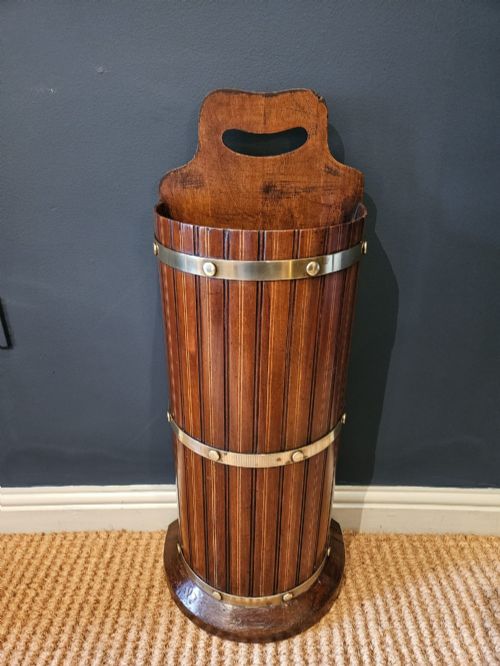
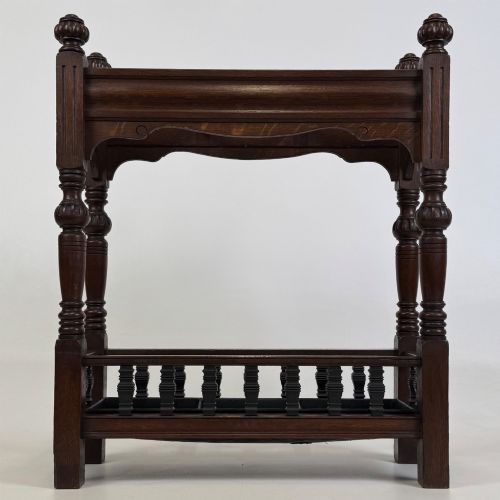
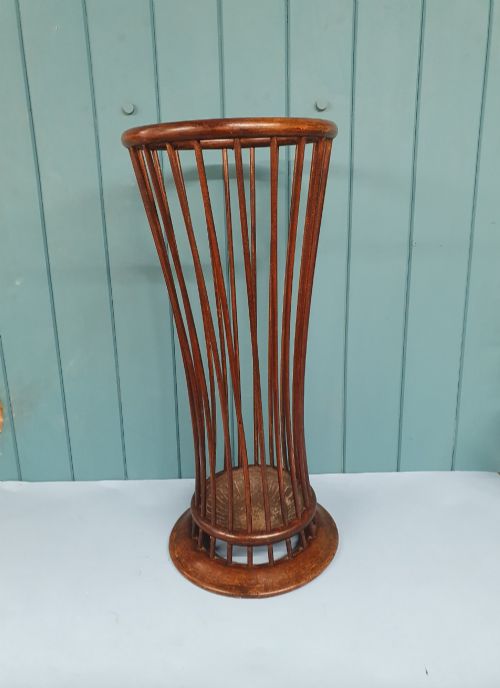
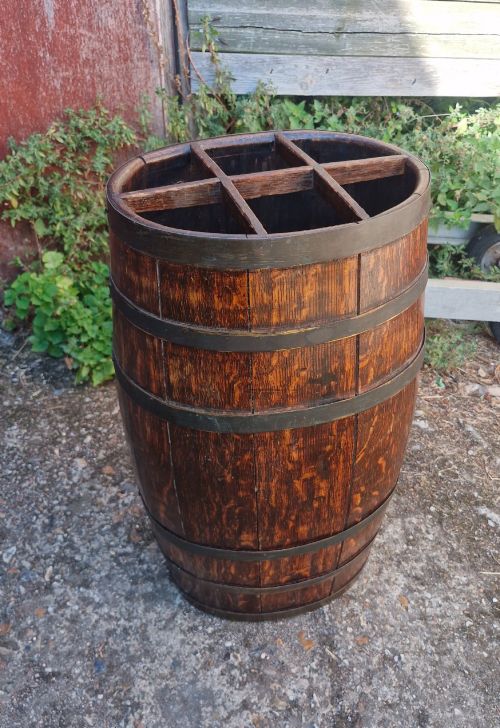
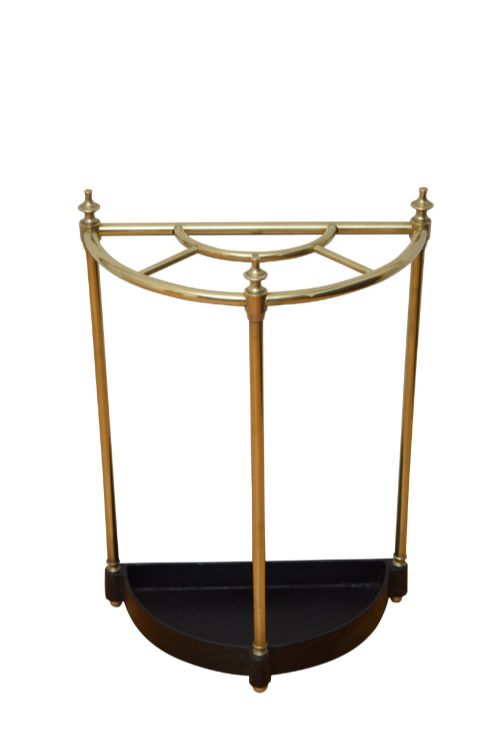
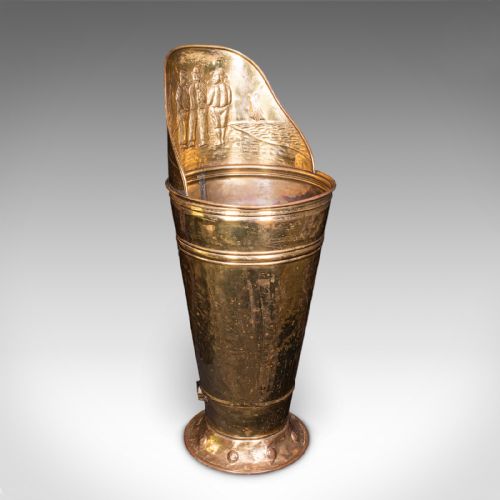
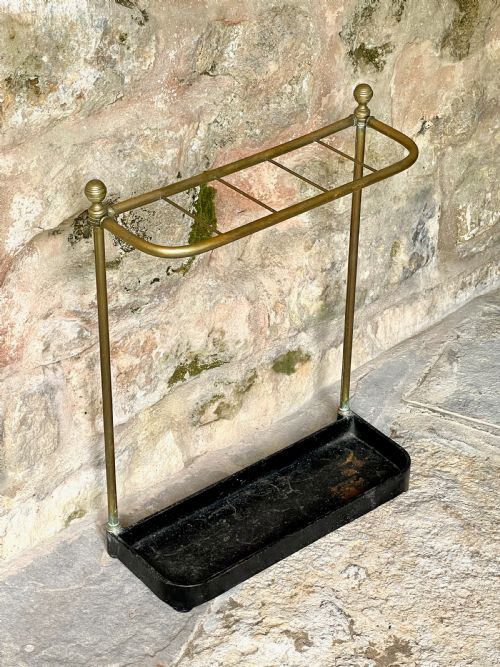
A traditional hallway cane holder serves as a practical entranceway receptacle for walking sticks, canes and umbrellas, appearing across periods from the Victorian era through the Edwardian years and into the early twentieth century. When searching for this type of object, buyers encounter various forms designed for domestic corridors, ranging from semicircular hallway items to freestanding barrel shapes.
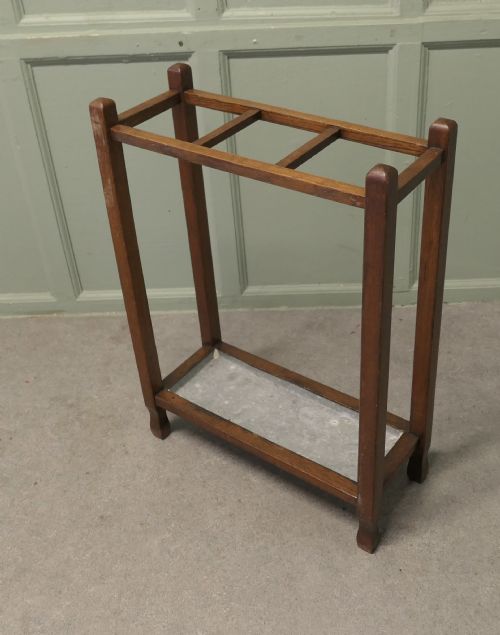
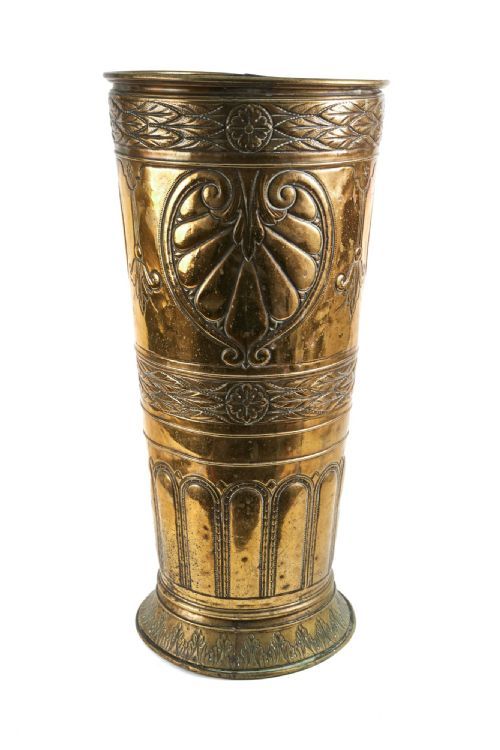
Design influences vary from plain English country house styles to decorative Dutch pieces and the characteristic geometric honesty of the Arts and Crafts movement. Whether standing flat against a wall or fitting neatly into a corner, these pieces perform the exact function intended by their makers over a century ago.
How they were made
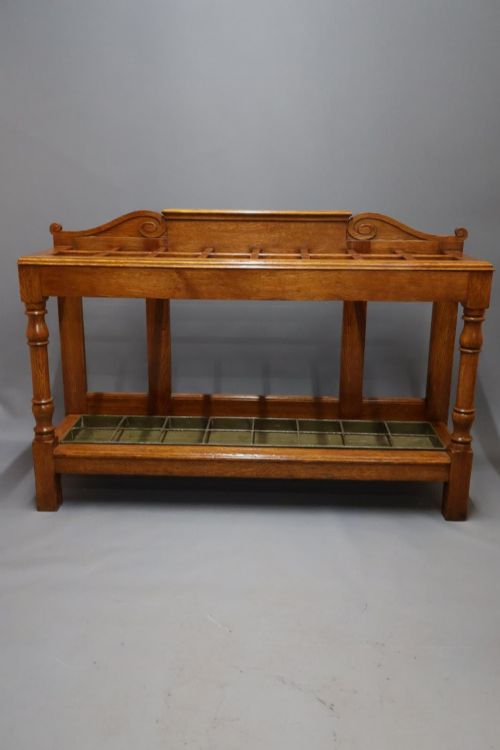
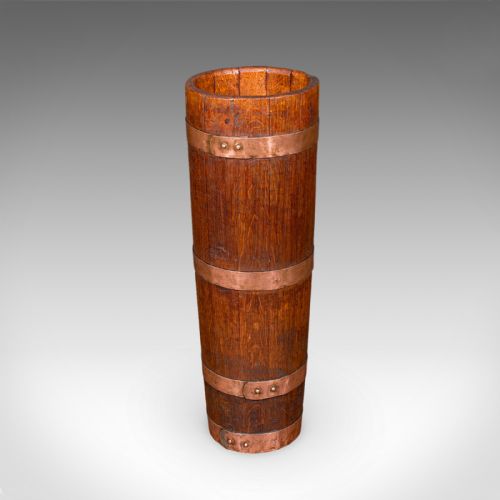
Woodworking forms the foundation of most examples, utilising solid oak, mahogany and walnut shaped into barrels or rectangular frames. Coopered construction appears frequently, using tight wooden staves bound together by metal bands.
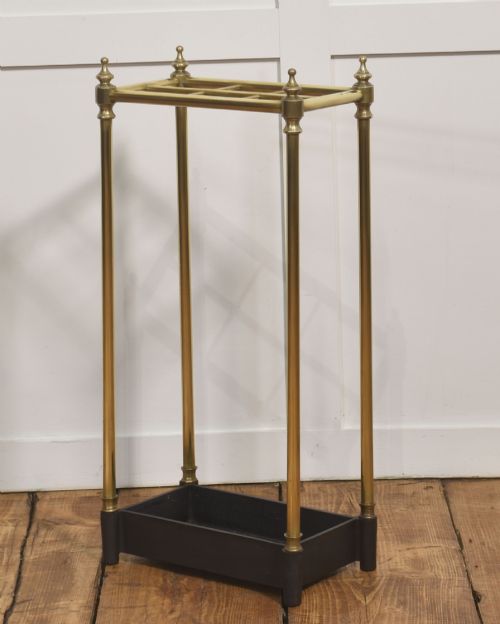
Metal elements play a vital structural and decorative role, incorporating brass, cast iron, copper and zinc. These metals appear as binding hoops, corner supports and removable drip trays designed to catch moisture from wet items.
Makers utilised straightforward joinery and turned components to build durable furniture suitable for daily household use. The combination of dense hardwoods and corrosion-resistant metals ensured longevity in damp entranceways.
Many Edwardian hallways smelled faintly of wet tweed and linseed oil whenever these sturdy cane holders did their proper rainy-day job.
What varies in quality
The choice of timber and the complexity of the woodwork dictate the upper tier of these pieces. Dense, finely figured oak or rich mahogany combined with substantial brass bindings signal superior craftsmanship compared to simpler utility items.
Originality of components elevates a piece significantly, particularly the presence of matching metal drip trays and authentic securing bands. Replacements or heavy alterations alter the integrity of the object.
Decorative ambition separates standard hallway items from exceptional examples, such as those featuring distinct Arts and Crafts detailing or specialist coopered construction. The balance between utilitarian purpose and refined aesthetic design determines the standing of each piece.
The Traditional Hallway Cane Holder Glossary
- Coopered
- Constructed from curved wooden staves joined edge-to-edge, similar to barrel-making techniques. This method provides robust cylindrical strength for wooden stands.
- Demi-lune
- Shaped like a half-moon or semicircle. Such items sit flush against a hallway wall to save floor space.
- Drip tray
- A shallow metal basin placed at the base of the holder to catch rainwater from umbrellas. These trays protect wooden flooring from moisture damage.
- Arts and Crafts
- A design movement valuing handcraftsmanship and simple vernacular forms over mass production. Pieces from this tradition display honest construction and understated decoration.
- Corner stand
- A piece specifically configured with an angled back to fit snugly into a room intersection. This layout maximises floor space in narrow hallways.
Traditional Hallway Cane Holder: Frequently Asked Questions
Where should I place a cane holder?
Position your holder near the primary entrance of the home where family members and guests remove wet outerwear.
Ensure there is enough clearance around the piece for walking sticks and umbrellas to be retrieved easily without obstruction.
How do I protect the floor?
Most traditional stands include an original metal tray at the base to catch water dripping from wet items.
Check that this tray remains watertight and empty it periodically to prevent moisture from reaching wooden floorboards.
Can these hold heavy walking sticks?
The sturdy timber and cast iron construction of these holders makes them well-suited for heavy wooden and metal-tipped canes.
Their substantial weight prevents tipping even when several heavy walking sticks lean against one side.
How do I clean wooden stands?
Dust the timber surfaces regularly with a dry cloth and apply occasional wax to nourish the grain of the oak or mahogany.
Avoid using harsh chemical cleaners that might strip the historic finish or corrode the brass and copper components.