
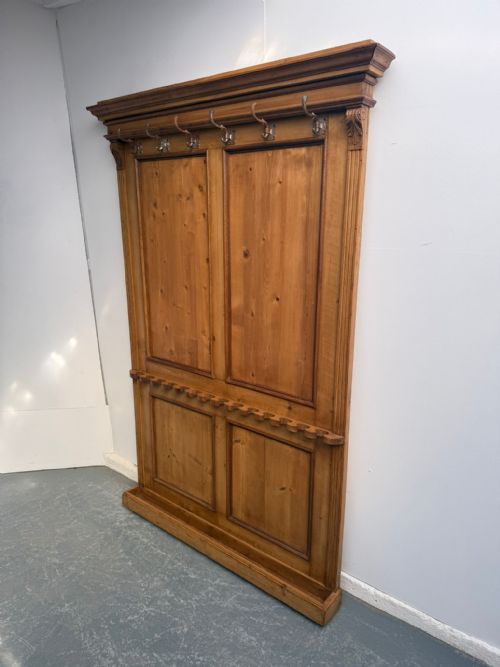


Traditional Hall Coat Stand
These traditional hall coat stand designs offer practical organisation for entryways, combining hat hooks, umbrella holders, and sturdy timber frames.
Traditional Hall Coat Stand
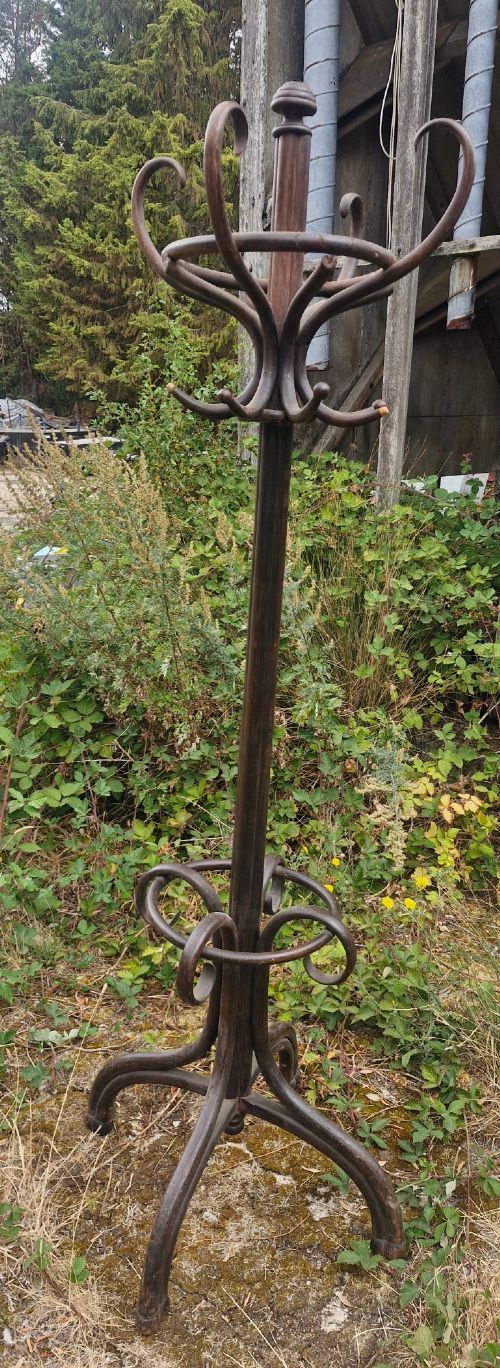
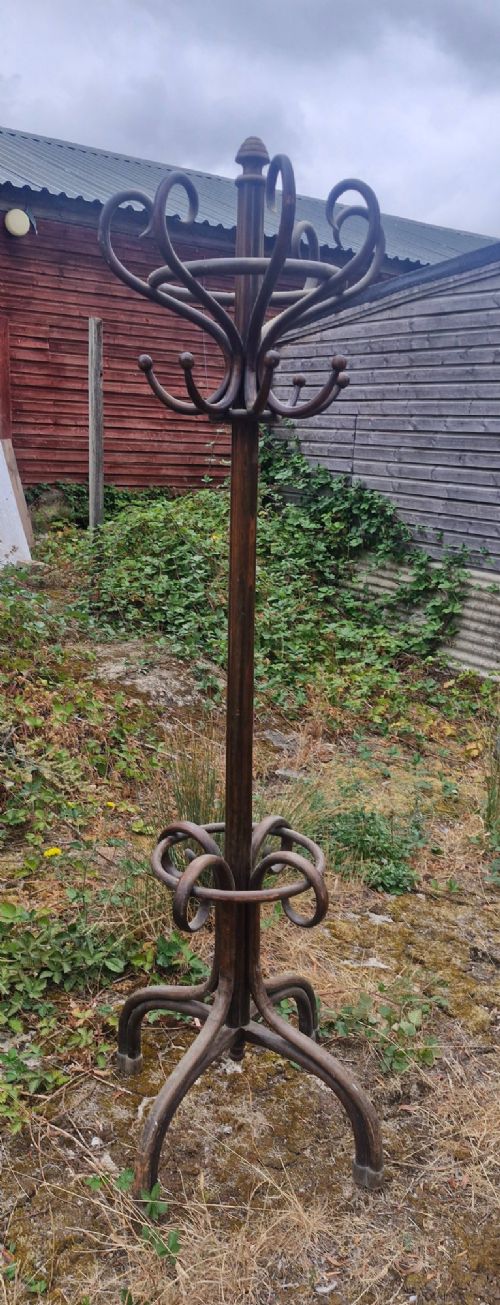
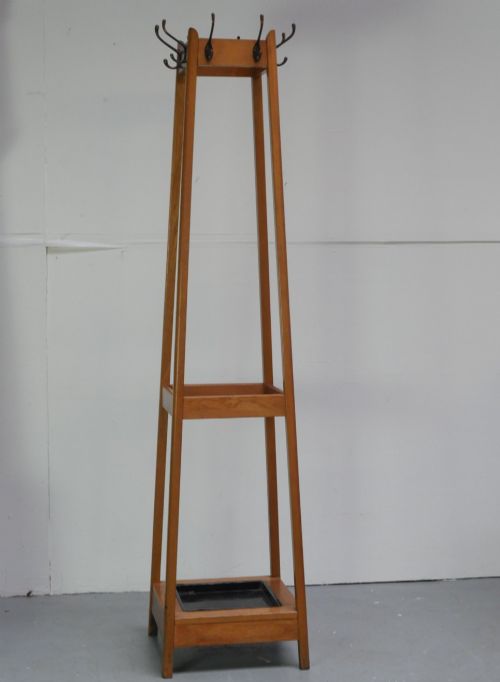
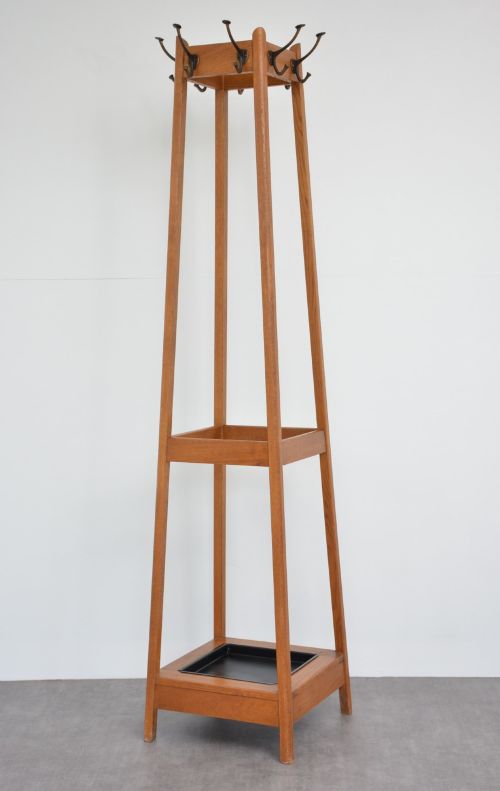
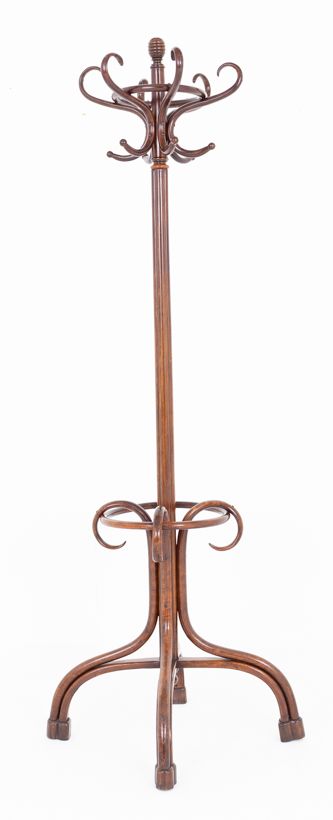
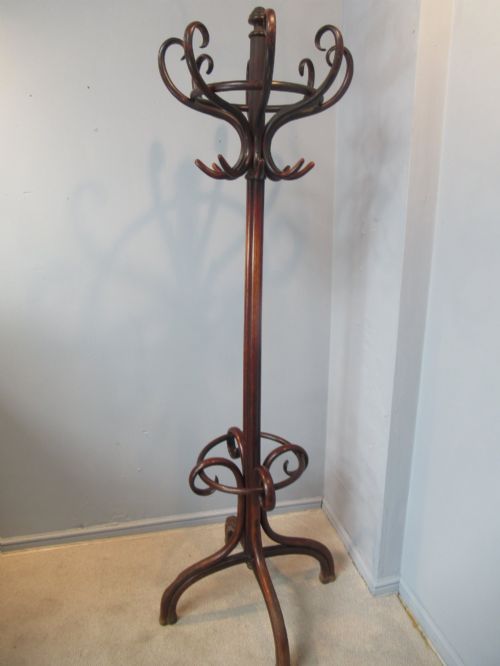
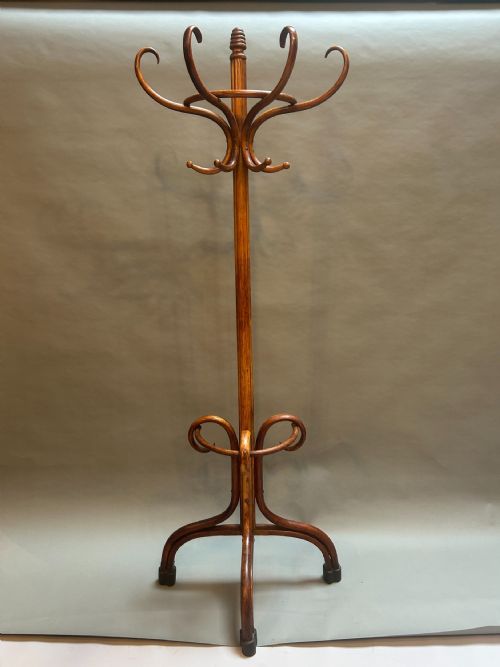
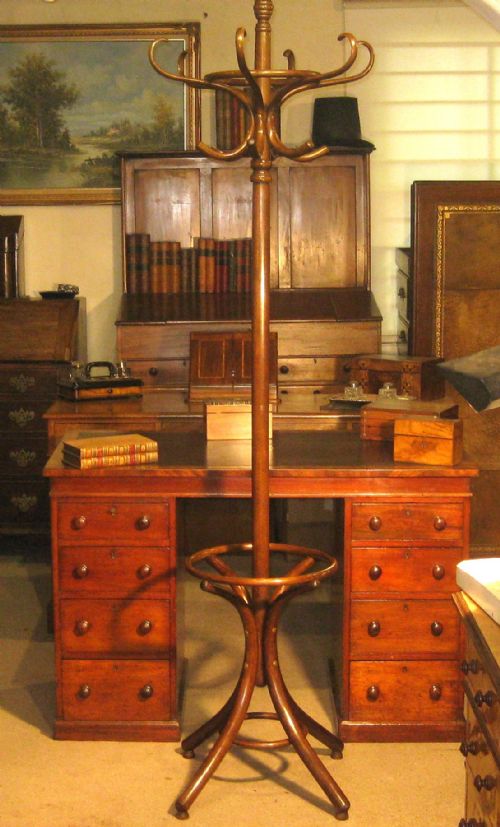
A traditional hall coat stand serves as a functional entryway furnishing designed to hold outdoor garments, hats, and umbrellas. The selection spans robust timber furniture from the Victorian and Edwardian eras alongside lighter steamed wood designs.
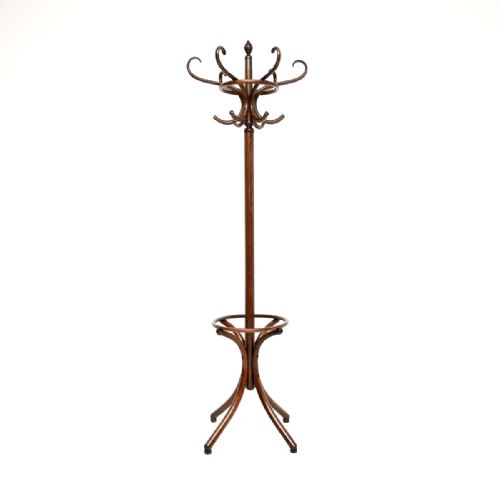
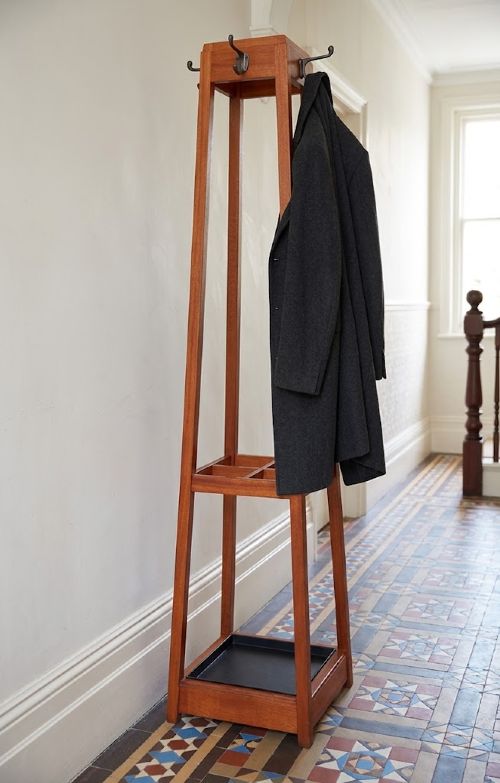
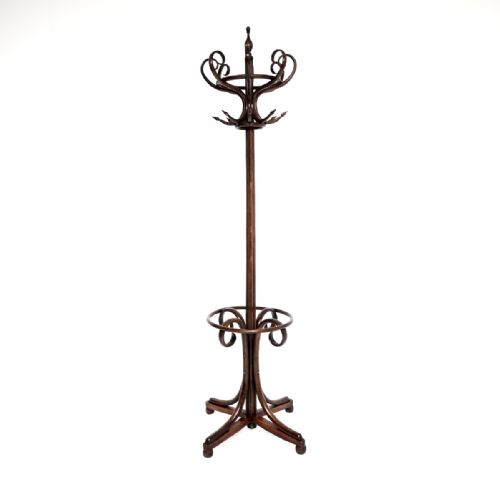
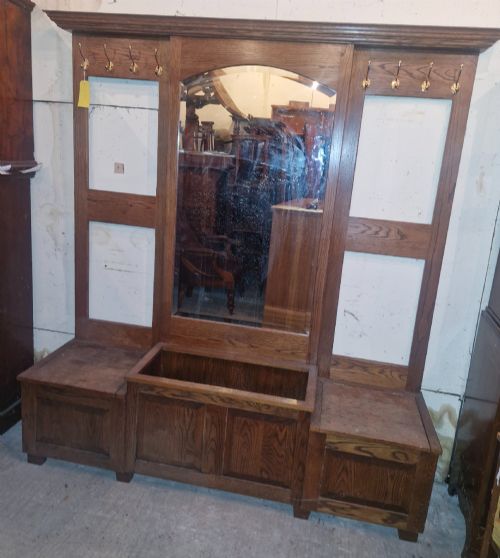
Buyers will encounter various configurations ranging from compact wall-standing hatstands to multi-functional pieces incorporating umbrella holders, drip trays, and integrated hall seats. The forms draw on styles including Arts and Crafts, Thonet bentwood, and Victorian country designs.
Origins stretch from the late 19th century through the early decades of the 20th century, utilising durable hardwoods and steam-bent timber. These pieces reflect the domestic requirements of period hallways where guests and family deposited outerwear upon entry.
How they were made
Construction relies heavily on solid hardwoods such as oak, mahogany, walnut, and pine, frequently complemented by beechwood for steam-bent components. Steaming timber allowed craftsmen to bend wood into graceful curves for coat hooks and upright frames.
Metal elements including brass and iron feature prominently as structural brackets, hanging hooks, and integrated umbrella drip trays. Glass components occasionally appear as mirrors fitted into the back panels of larger hall seats.
Listings feature oak, mahogany, walnut, and beechwood spanning the Victorian era through the 1950s.
What varies in quality
The distinction between tiers rests upon the choice of timber and the complexity of the joinery rather than mere age. Solid mahogany, walnut, and heavy oak frames demonstrate superior structural integrity compared to lighter utility pieces.
Execution of steam-bending techniques and the integration of functional elements like drip trays and revolving tops dictate the refinement of the piece. Superior examples maintain original hardware and stable joinery across high-stress hanging points.
The Traditional Hall Coat Stand Glossary
- Bentwood
- Wood shaped by steaming timber until pliable and bending it into curved forms. This technique created lightweight yet resilient coat stands popularised in the 19th and early 20th centuries.
- Hall Tree
- An alternative term for a hall stand that incorporates hooks, a mirror, and sometimes a bench seat. These multi-functional pieces maximised utility in compact entrance spaces.
- Drip Tray
- A metal basin positioned at the base of a stand to catch water from wet umbrellas. These trays protected wooden flooring from moisture damage.
- Demi Lune
- A half-moon shape used for furniture designed to sit flat against a wall. This profile allowed hatstands to occupy narrow corridors without obstructing movement.
Traditional Hall Coat Stand: Frequently Asked Questions
Where should I place a traditional hall coat stand?
Position your stand in an entrance hallway or boot room where guests and family naturally shed outerwear. Ensure adequate clearance around the base for umbrellas and dangling coats.
Keep wooden stands away from direct heat sources such as radiators to prevent the timber or bentwood from drying out and splitting over time.
How do I maintain bentwood coat stands?
Dust regularly with a dry cloth and occasionally nourish the timber with a traditional beeswax polish to maintain the finish. Avoid excessive moisture on bentwood components.
Check the stability of the hooks and joints periodically, as daily hanging loads can gradually loosen fixings in older frames.
Did all hall stands include mirror panels?
Mirror panels are common on larger Victorian and Edwardian hall seats and cupboard combinations rather than simpler upright hatstands. They served the practical purpose of allowing a final check before heading outdoors.
Upright bentwood and metal stands focused strictly on hanging capacity and rarely featured glass elements.
What is the difference between a hatstand and a hall stand?
A hatstand generally refers to a lighter, vertical structure designed primarily for hats and coats, often featuring a revolving top. Examples include Austrian bentwood designs.
A hall stand typically denotes a heavier, panelled piece of furniture that may incorporate an umbrella stand, a mirror, storage cupboards, and a seat.