


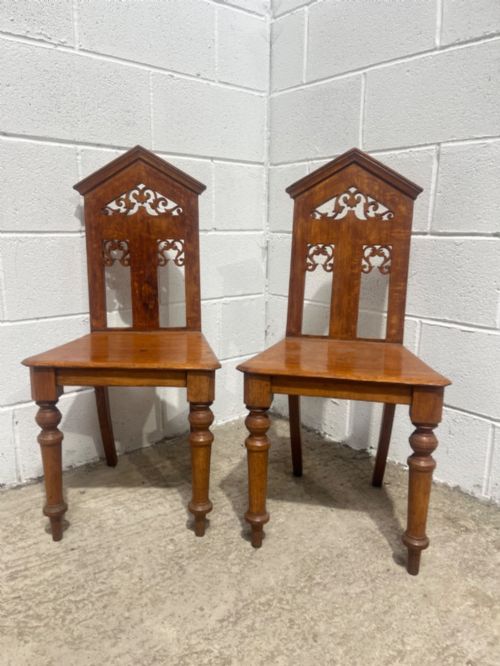
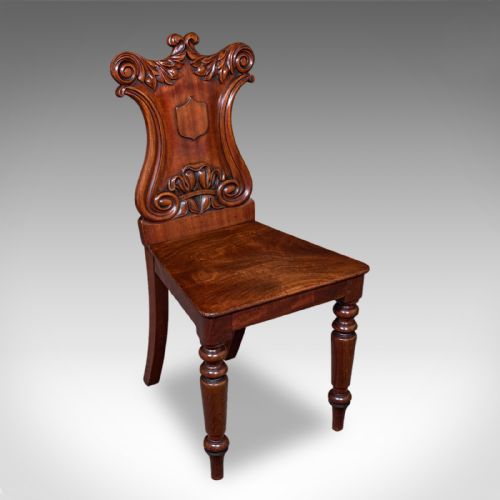
Traditional Hall Chair
A traditional hall chair stands ready to receive visitors, offering firm seating in entryways from the seventeenth century onward.

Traditional Hall Chair
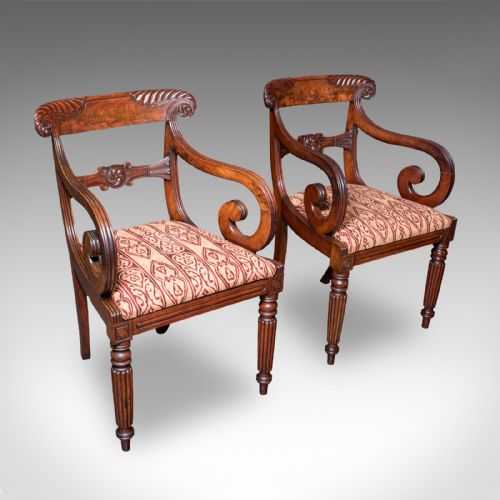
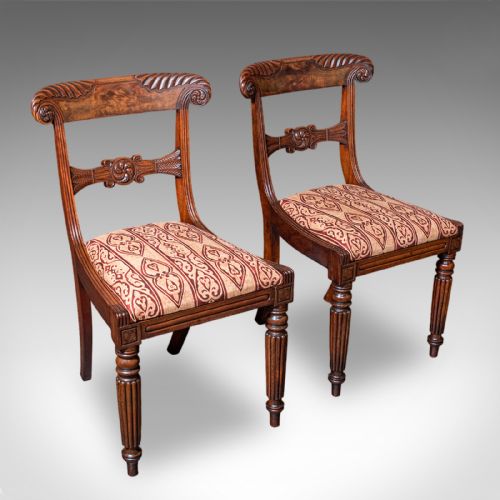
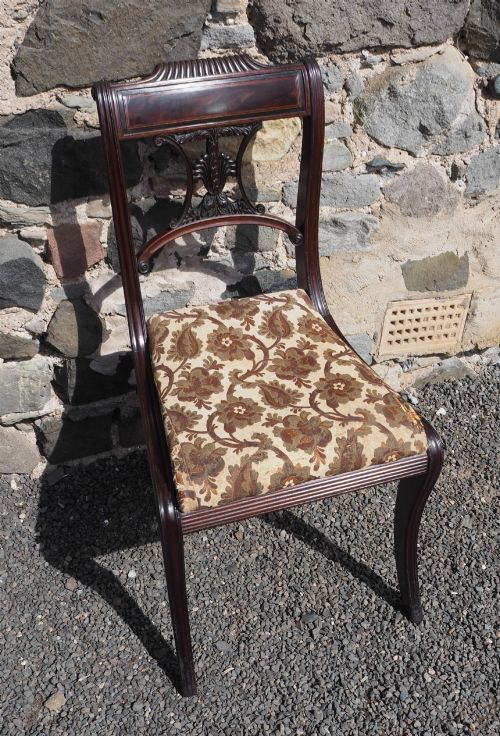
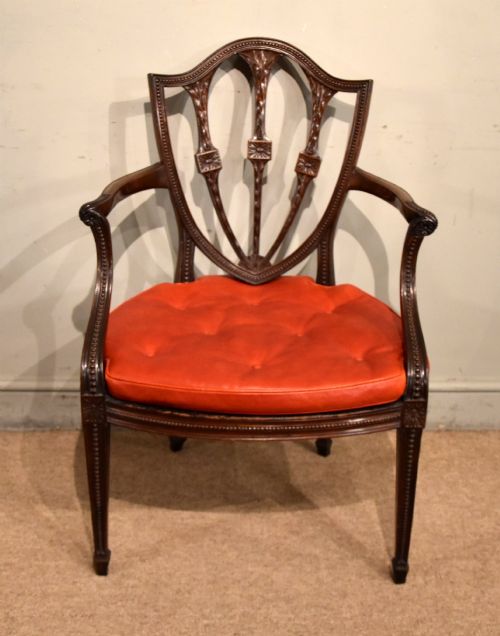
A traditional hall chair serves as practical entranceway seating, appearing frequently in Victorian, Regency, and eighteenth-century forms across these listings. Buyers encounter sturdy side chairs, benches, and occasional seats designed for brief repose in passages and reception spaces.
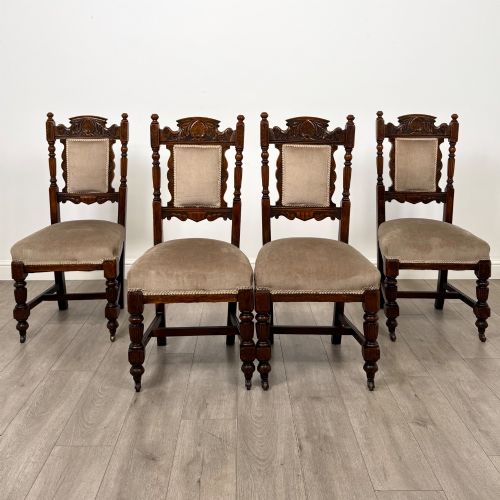
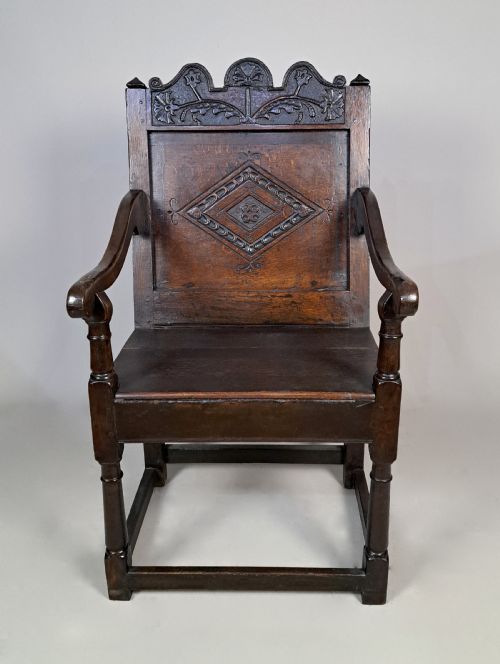
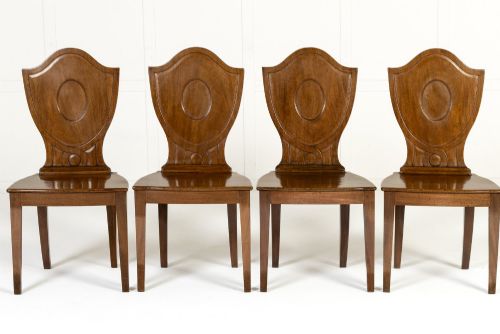
The selection ranges from solid oak wainscot examples bearing seventeenth-century characteristics to mahogany and walnut designs influenced by Jacobean Revival and William IV styles. Many pieces arrive as matched pairs or sets, reflecting their original purpose of furnishing formal hallways.
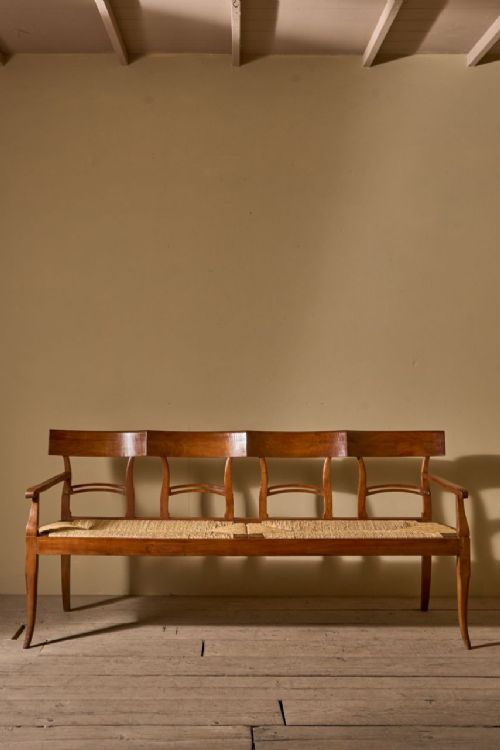
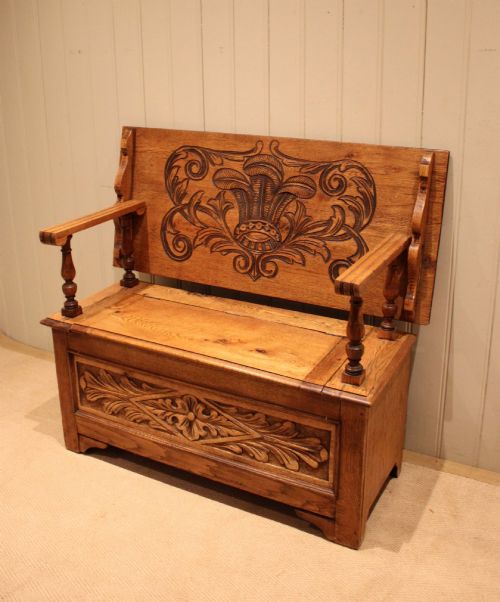
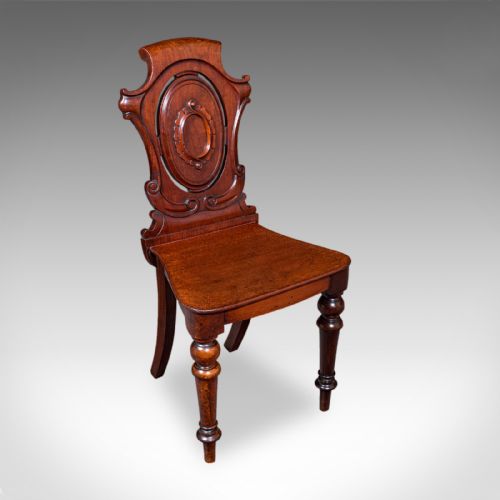
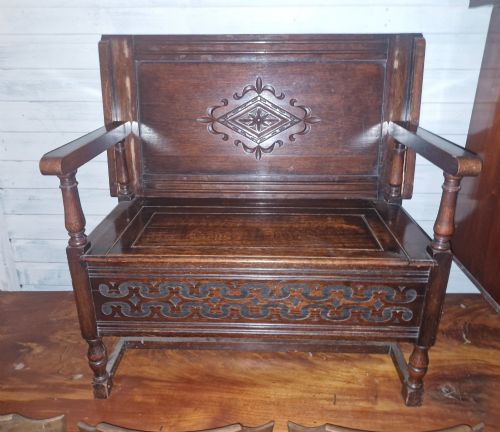
Makers often incorporated carved shields, high backs, or timber seats without soft upholstery, ensuring the furniture withstood heavy daily passage. Variations include hinged storage benches and specialised rush-seated formats originating from regional workshops.
Materials and construction
Carpenters relied heavily on dense hardwoods such as oak, mahogany, and walnut to construct a traditional hall chair, frequently employing carved panel work and bobbin turning. Pine and cherrywood appear in regional seating and benches, sometimes complemented by painted finishes or simple rush seating.
Joinery methods involved traditional pegged joints and mortise and tenon construction to provide rigidity for heavy timber frames. Upholstered variants utilise fabric or leather inserts secured directly to the wooden framework.
Listings feature timber varieties including oak, mahogany, walnut, pine, and cherrywood across multiple centuries.
Evaluating craftsmanship
Quality rests upon the depth and crispness of carved details, such as heraldic shields or foliage motifs, alongside the selection of timber figures in mahogany and oak. Superior examples display tight, stable joinery and retained original wooden surfaces without excessive modern intervention.
The integrity of the frame and the retention of authentic structural elements determine the standing of each piece, distinguishing utilitarian workshop output from refined parlor seating.
Charles Tozer
The Traditional Hall Chair Glossary
- Wainscot chair
- A heavy wooden armchair constructed primarily from oak, featuring a paneled back and solid timber seat typical of seventeenth-century domestic interiors.
- Sgabello
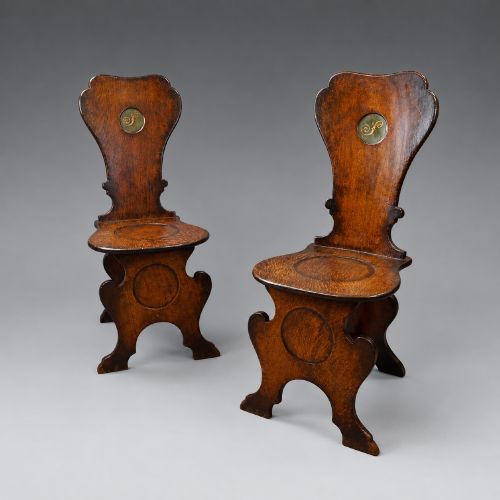
- A Renaissance-style chair type featuring a wooden seat supported by carved trestle boards or box-like bases rather than four distinct legs.
- Side chair
- An upright chair without arms designed primarily for placement against walls or around dining tables.
- Bobbin turning
- A form of woodturning characterised by a series of rounded, spool-like shapes repeated along the length of a furniture leg or stretcher.
- Settle
- A wooden bench featuring a high back to block draughts, often incorporating enclosed storage beneath the lift-up seat.
Traditional Hall Chair: Frequently Asked Questions
Where were traditional hall chairs placed?
These chairs stood in entrance halls, corridors, and reception rooms to provide brief seating for callers and visitors waiting to be announced.
Their upright proportions ensured they occupied minimal floor space while making a formal decorative statement in domestic interiors.
Did these chairs have soft cushions?
Many traditional hall chairs utilised solid wood seats without upholstery, designed to withstand heavy everyday use and outdoor garments.
Examples featuring leather or fabric pads generally appeared in later Victorian morning rooms or specialised reception spaces.
How do I date an oak chair?
Carpentry techniques, such as hand-cut pegged joinery and timber grain patterns, help indicate the period of manufacture.
Stylistic indicators like bobbin turnings or carved wainscot panels provide further clues regarding the century of origin.
Can I use a hall bench for storage?
Certain surviving hall benches and settles incorporate lift-up seats or fold-over tops designed to hold household items.
This dual functionality made them particularly useful for organising entranceways in older properties.