


Traditional Green Armchair
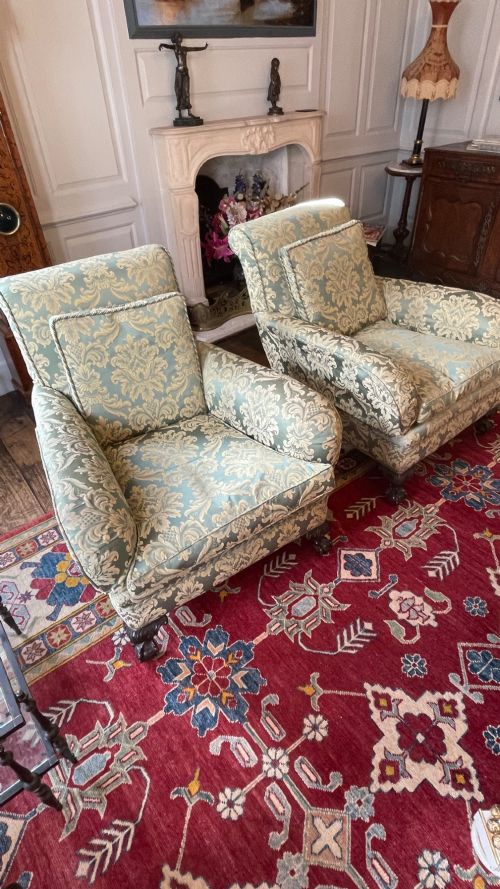
A traditional green armchair brings enduring comfort and rich colour to a room, anchoring the space with classic upholstery and sturdy timber frames.
Traditional Green Armchair
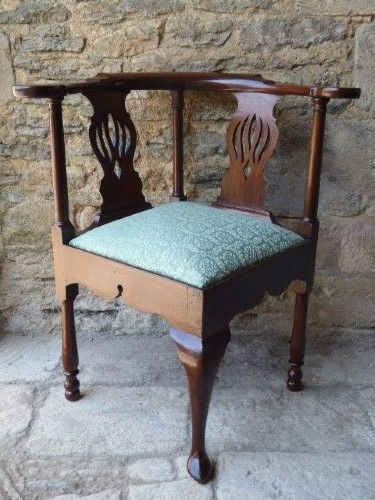
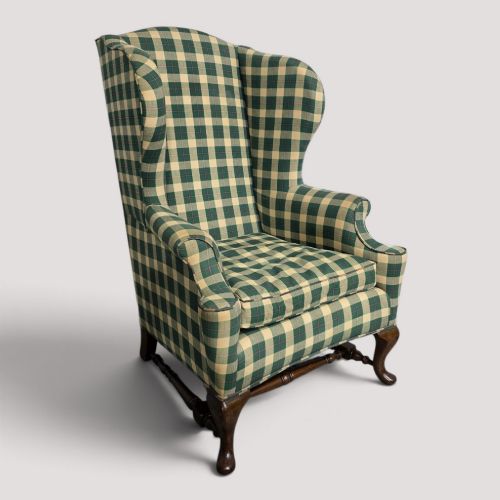
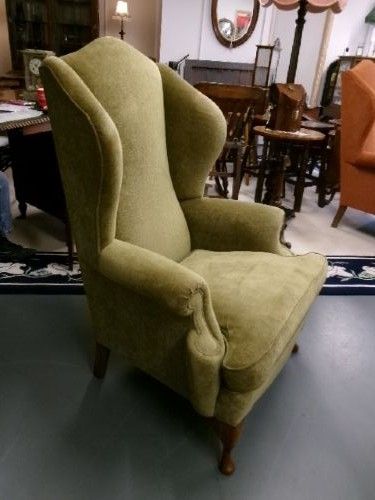
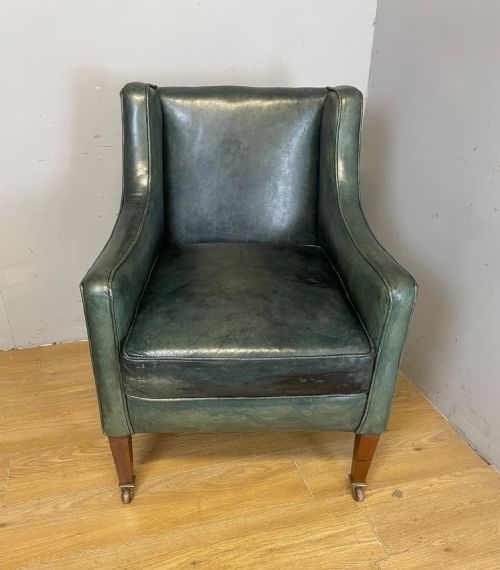
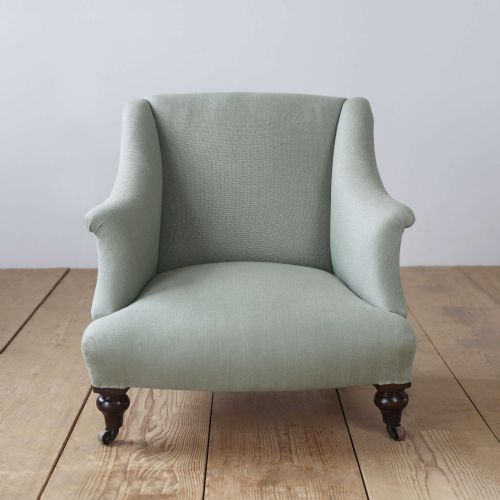
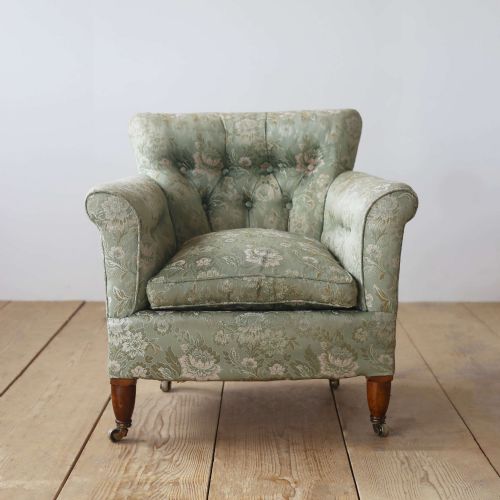
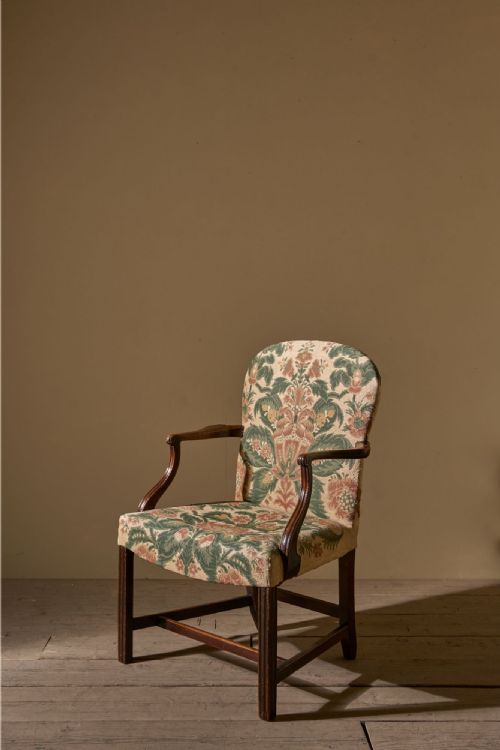
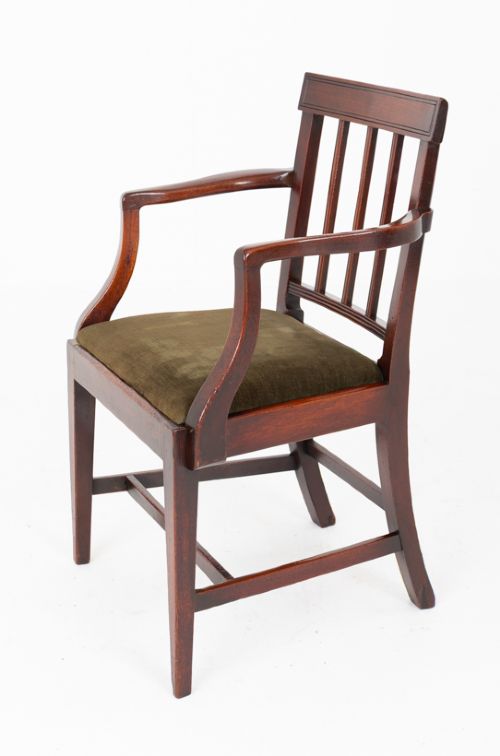
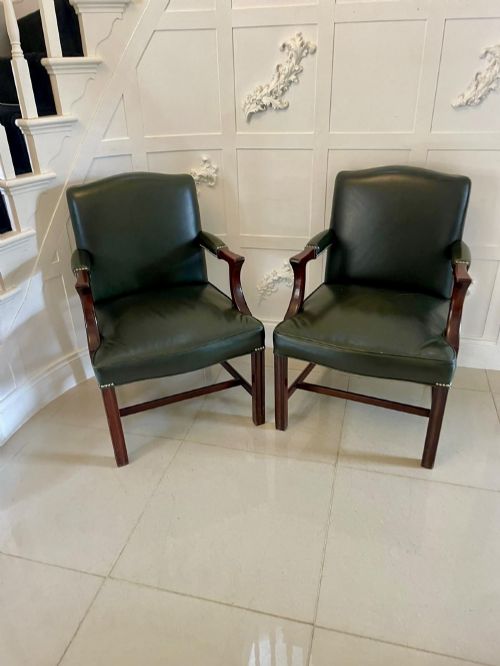
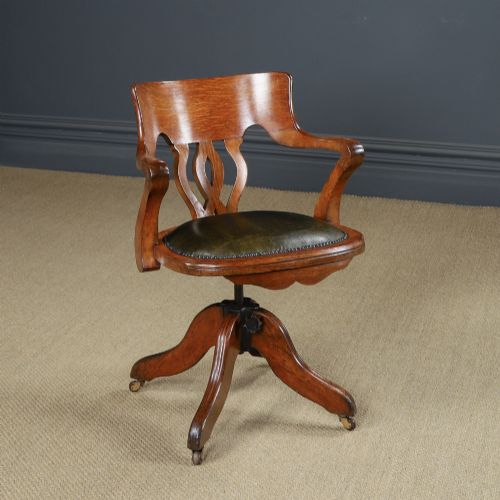
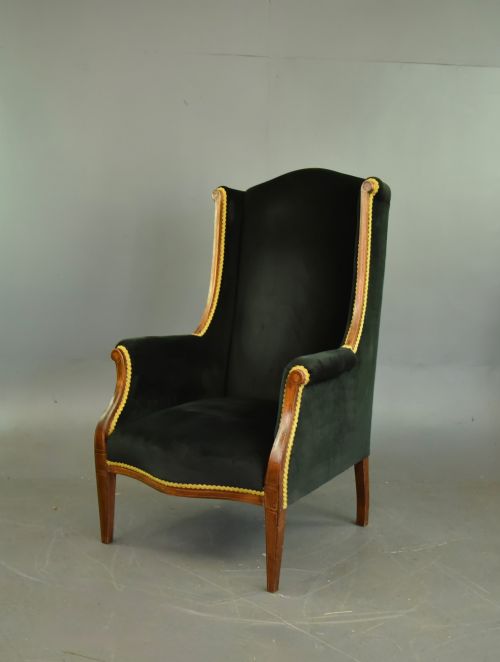
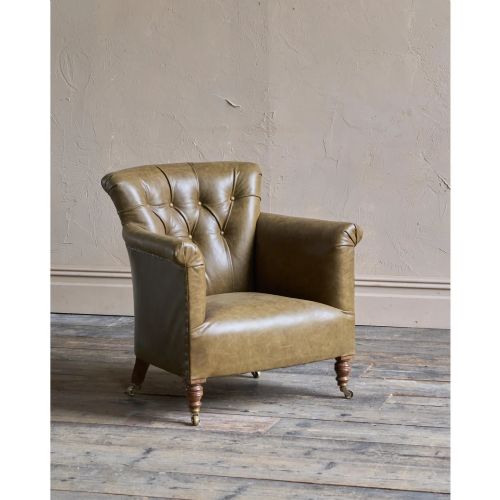
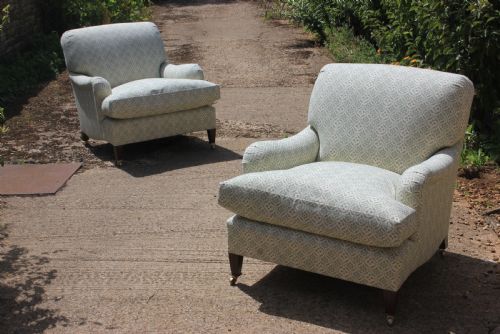
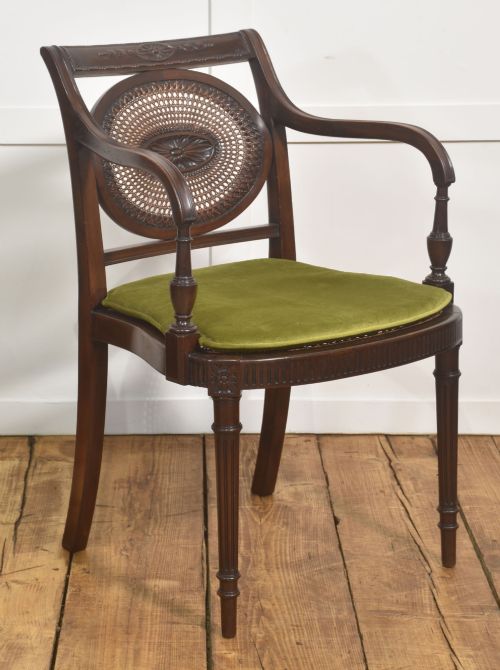
A traditional green armchair spans several centuries of design, encompassing everything from Georgian mahogany models and Victorian library chairs to Edwardian office seating and later revival pieces. When searching for a traditional green armchair, buyers encounter diverse forms including wingbacks, library chairs, swivel desk chairs, and low carvers upholstered in velvet, leather, and textured textiles. The selections on this page range from formal library seating in rich mahogany and oak to comfortable reading chairs rooted in English country style.
How they were made
Makers built these frames using dense hardwoods such as mahogany, oak, and walnut, often shaping the timber into cabriole legs, scroll arms, or reeded supports. Joinery relied on traditional mortise and tenon methods to ensure the structural integrity of the frame under daily weight.
Upholstery techniques varied by period, employing horsehair stuffing, buttoning, and hand-tacked leather or fabric fastened with brass studs. Chairs designed for desks incorporated swivel mechanisms and brass castors, while library chairs focused on sprung seats and supportive wingback or barrel structures.
Traditional Green Armchair Retail Price Guide 2026
Typical asking prices for traditional green armchair among the pieces listed under this phrase on Sellingantiques today, from the lower quarter to the upper quarter. They describe what is for sale here now, not the wider market.
Listings feature timber frames in mahogany, oak, and walnut, paired with green leather, velvet, and woven fabric upholstery.
What varies in quality
The distinction between standard seating and finer workshop production lies in the crispness of the timber carving and the selection of primary woods. Superior examples display carefully figured mahogany or walnut grain, hand-turned components, and well-executed joinery that remains tight after generations of use.
Upholstery finish and leather selection heavily influence the overall calibre of the piece. Top-tier chairs utilise supple, vegetable-tanned leathers or rich textiles paired with traditional stuffing methods that maintain proper tension and contour across the back and seat.
Howard and Sons·Gillows·Hampton and Sons
The Traditional Green Armchair Glossary
- Bergère
- An enclosed armchair with stuffed upholstery and cane or upholstered sides. The wooden frame is usually exposed and polished.
- Gainsborough chair
- A wide, low-seated armchair with an upholstered back and open arms, typically designed for a desk or writing table during the eighteenth century.
- Wingback armchair
- A high-backed chair featuring flanking side panels designed to shield the sitter from drafts and retain fireplace heat. Early versions often stood on cabriole legs.
Traditional Green Armchair: Frequently Asked Questions
How do I date an antique green armchair?
Dating relies on examining the timber species, construction joints, and upholstery methods underneath the fabric. Stylistic clues such as cabriole legs, scroll arms, or brass castors also point to specific periods like the Georgian era or Victorian times.
Secondary woods used in the frame interior offer further proof of age. Hand-cut screws and traditional fixings help differentiate genuine period pieces from later twentieth-century revivals.
Are these chairs suitable for daily use?
Many of these chairs were built for active environments like libraries, offices, and studies, making them structurally robust for everyday sitting. Solid hardwood frames and sturdy leather or wool upholstery handle regular daily wear very well.
Checking the internal webbing and padding ensures the seat provides proper support. Professional maintenance keeps the timber and leather conditioned for continued domestic use.
What is the difference between a desk chair and a library chair?
Desk chairs generally feature swivel mechanisms, lower backs, and mobility aids like castors to allow easy movement around a workspace. They prioritize compact proportions for sliding beneath tables.
Library chairs are wider, deeper, and often include wings or padded arms designed for extended reading and relaxation. They occupy a more permanent, stationary position in a room.
How do I care for leather upholstery?
Leather upholstery benefits from regular dusting and occasional treatment with appropriate leather balms to prevent the hide from drying out. Keeping the chair away from direct sunlight and heat sources preserves the natural colour and supple texture.
Avoiding harsh chemical cleaners ensures the surface finish remains intact. Gentle cleaning maintains the patina developed over decades of use.