
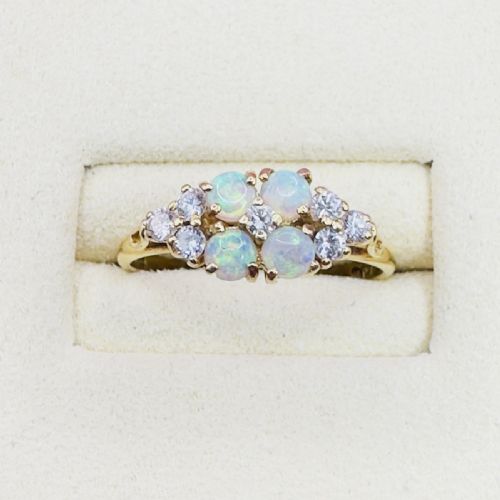


Traditional Gold Cluster Ring
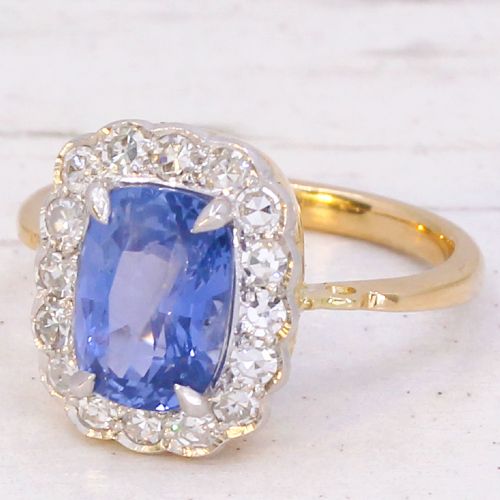
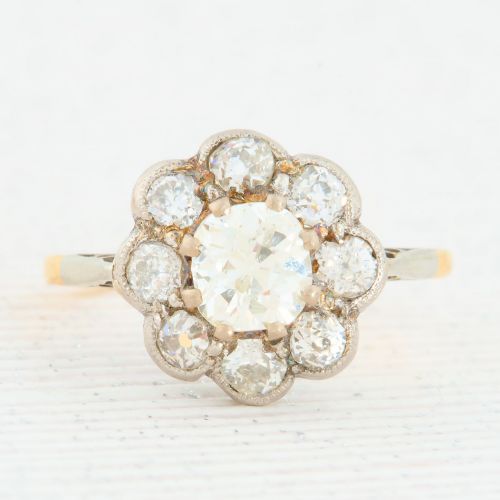
A traditional gold cluster ring centres a prominent gemstone within a bright border of smaller stones, offering substantial presence on the hand.
Traditional Gold Cluster Ring
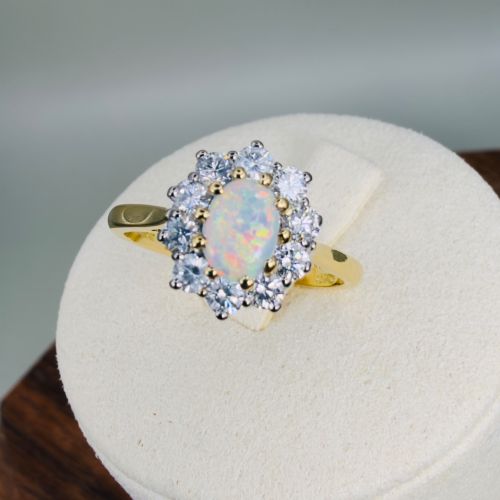
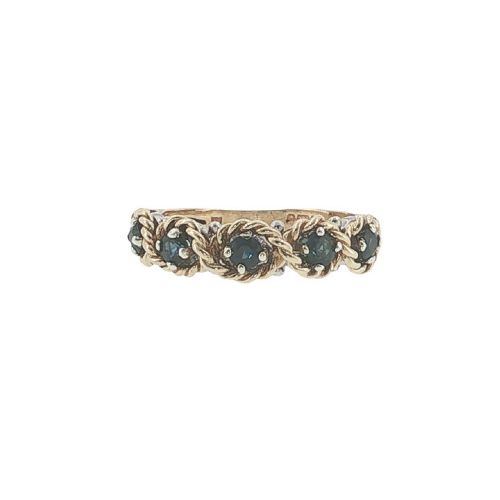
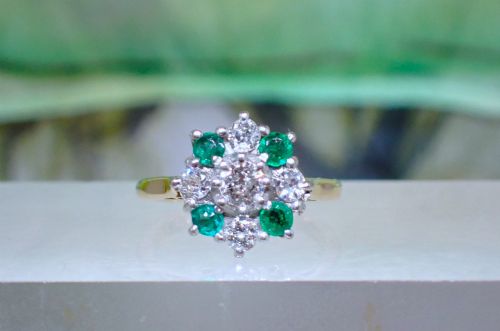
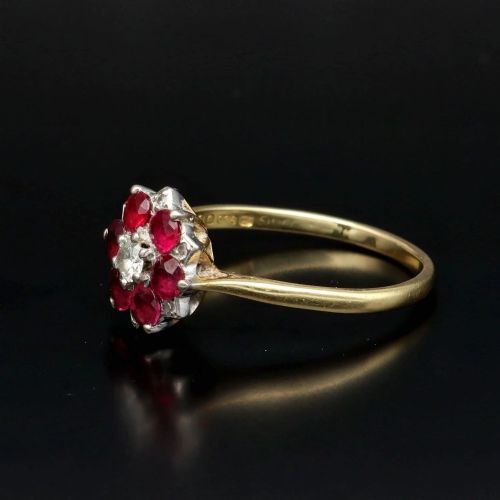
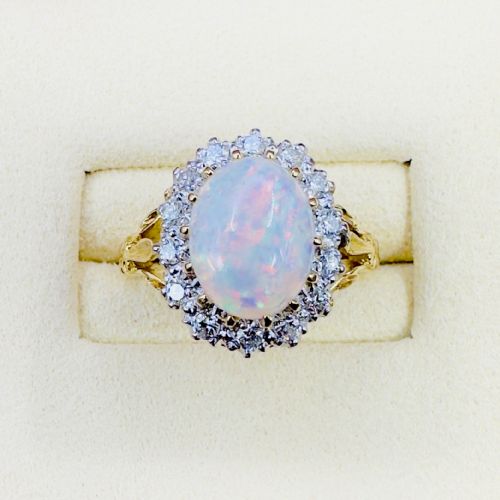
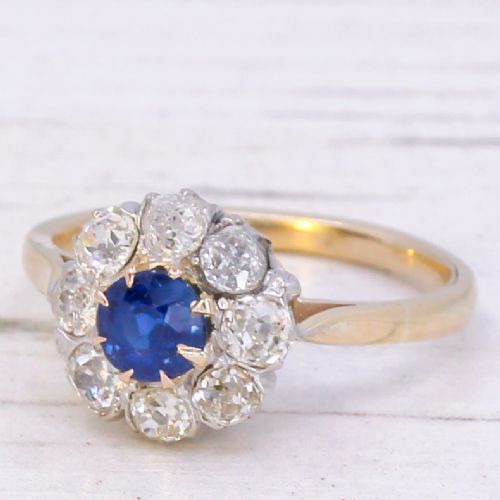
A traditional gold cluster ring brings together a central jewel surrounded by a halo of accent gems, creating a distinct floral or geometric outline. You will frequently encounter examples featuring diamonds paired with sapphires, rubies, emeralds, or opals set into yellow or white gold bands.
The pieces span various decades, drawing from Edwardian aesthetics, Art Deco geometry, and mid-century designs. While diamond and sapphire combinations remain prevalent, opal and emerald variants appear across the selection.
Most items take the form of dress rings or engagement rings, utilising both nine-carat and eighteen-carat gold alongside platinum settings.
How they were made
Goldsmiths constructed these rings using nine-carat and eighteen-carat gold, occasionally incorporating platinum for secure claw settings that held diamond and coloured gemstone clusters. Gemstones were shaped into round, oval, and cabochon cuts to fit tightly within the concentric arrangements.
The metalwork balances durable yellow gold shanks with brighter white gold or platinum heads designed to enhance the brilliance of the central stones and their surrounding borders.
Some mid-century clusters sneakily arrange emeralds and diamonds together, as if undecided between a lush garden and an ice rink.
What varies in quality
The standard of a cluster ring rests on the calibre of the central gemstone and the precise alignment of the surrounding halo. Better examples display evenly matched accent stones with secure claw or cluster settings that sit harmoniously without awkward gaps.
Subtlety in the transition between the central jewel and the outer border marks the work of skilled jewellers, alongside the substantial weight and purity of the gold or platinum used in the shank.
The Traditional Gold Cluster Ring Glossary
- Cluster ring
- A ring featuring a central gemstone encircled by a group of smaller stones. This arrangement maximises visual impact and light reflection.
- Cabochon
- A gemstone shaped and polished with a smooth, rounded surface rather than faceted edges. This cut is frequently utilised for opals.
- Carat
- A unit of weight used for measuring gemstones. It also denotes the purity of gold in the setting.
- Trilogy ring
- A ring set with three prominent stones representing past, present, and future. Variations occasionally incorporate opal and diamond combinations.
- Halo
- A concentric ring of smaller pavé-set diamonds or gemstones surrounding a larger centre stone. It enhances the perceived size of the main jewel.
Traditional Gold Cluster Ring: Frequently Asked Questions
How do I wear a cluster ring daily?
Due to their prominent settings and multiple stones, these rings require mindful wear during physical tasks. Many owners reserve them for regular daily activities while removing them for heavy manual work.
Pairing them with plain wedding bands or wearing them alone allows the cluster head to remain the focal point of the hand without interference.
How can I tell the period of a ring?
Dating relies on stylistic clues like Edwardian filigree, Art Deco geometric symmetry, or mid-century curves. Hallmarks stamped inside the band provide official records of assay offices and exact years.
Examining the cut of the gemstones and the construction of the setting also assists in narrowing down the decade of manufacture.
What is the difference between opal and sapphire clusters?
Sapphire clusters utilise faceted blue stones that offer high durability and deep colour contrast against diamonds. Opal clusters feature smooth cabochon stones displaying play-of-colour phenomena.
Opals require slightly more care due to their softer composition compared to corundum sapphires and diamonds.