




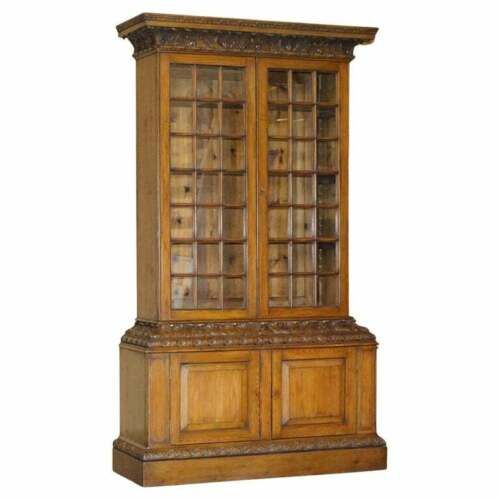
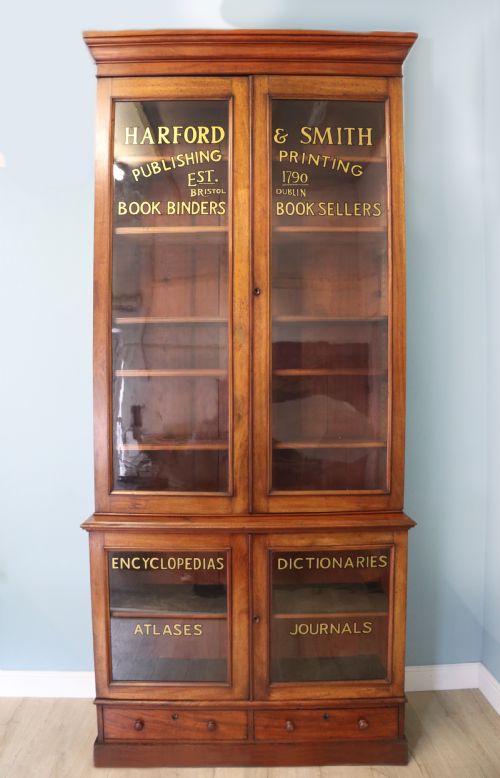

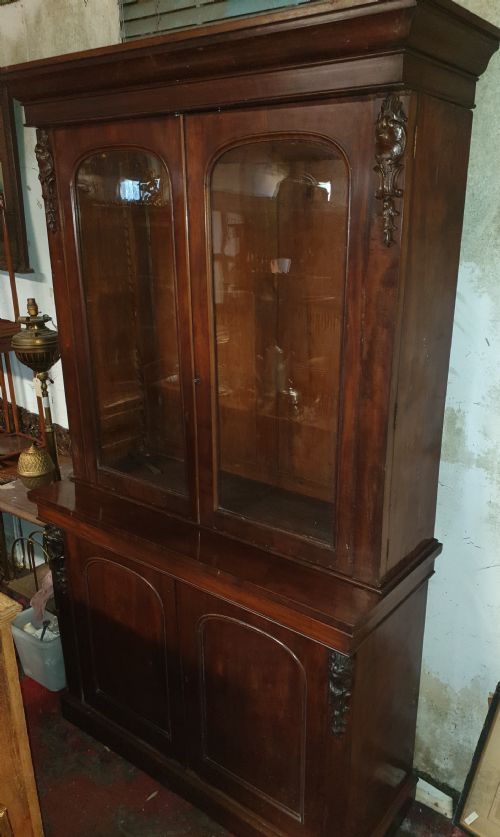


Traditional Glazed Book Cabinet
A traditional glazed book cabinet brings timeless order and protection to a room, offering the classic charm of timber and glass framing.
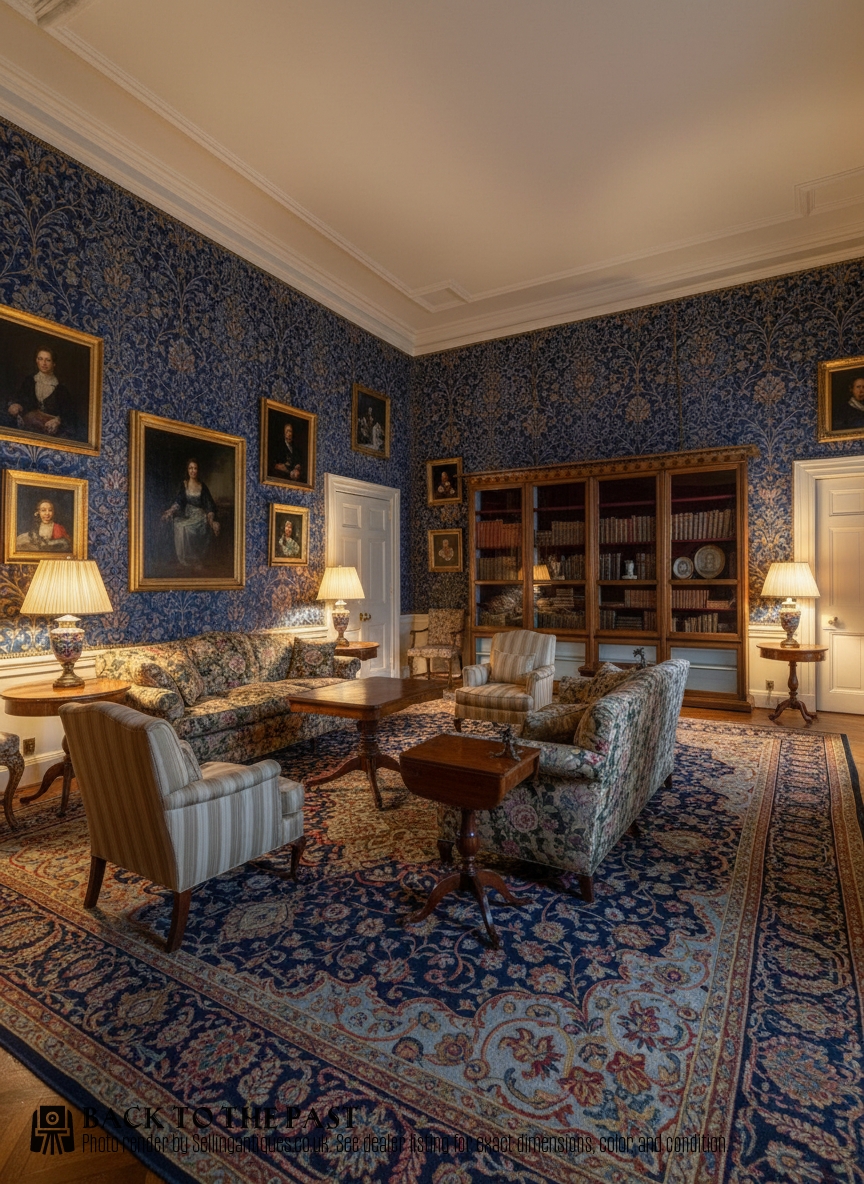
Traditional Glazed Book Cabinet
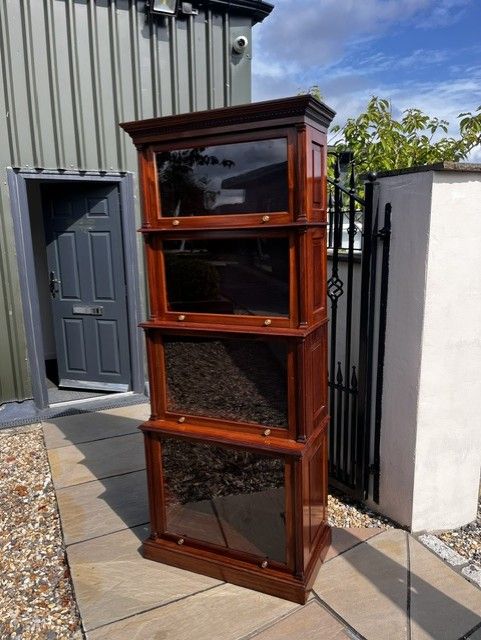
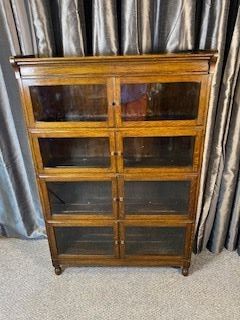
A traditional glazed book cabinet is a foundational piece for any collector or reader, designed to house and display volumes while keeping dust at bay. When searching for a traditional glazed book cabinet, buyers encounter forms ranging from modular stacking units to grand two-part library pieces.
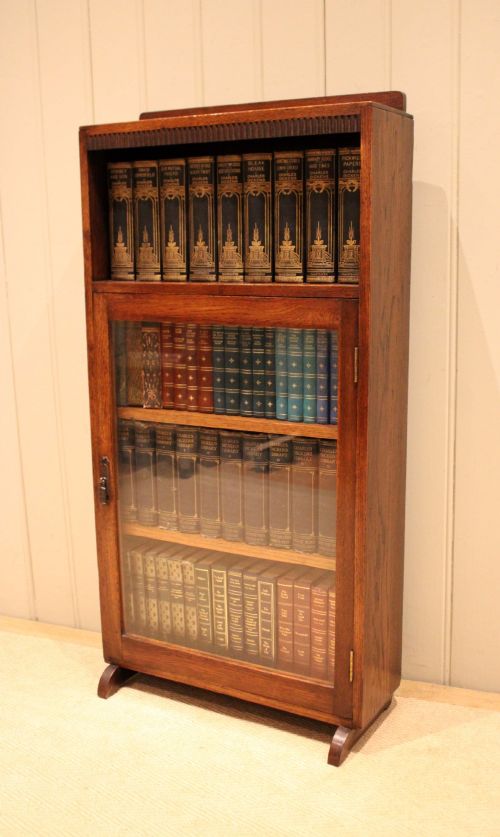
The pieces on this page span the nineteenth and early twentieth centuries, encompassing Victorian, Edwardian, and Regency periods alongside revival styles. Common structural formats include two-door cabinets, breakfront fronts, and tall multi-section designs suited for extensive collections.
Origins and periods dictate the architectural language of these cabinets, reflecting the shifting tastes from Regency elegance to the heavier, substantial presence of Victorian and Edwardian craftsmanship. Buyers find both modest oak cupboards and substantial mahogany library suites represented in the selection.
How they were made
Cabinet makers utilised dense, durable timbers such as mahogany, oak, and pitch pine to ensure the structural integrity required to support heavy rows of books. Solid mahogany and oak provide the primary carcasses, often complemented by lighter secondary woods like satinwood for internal details.
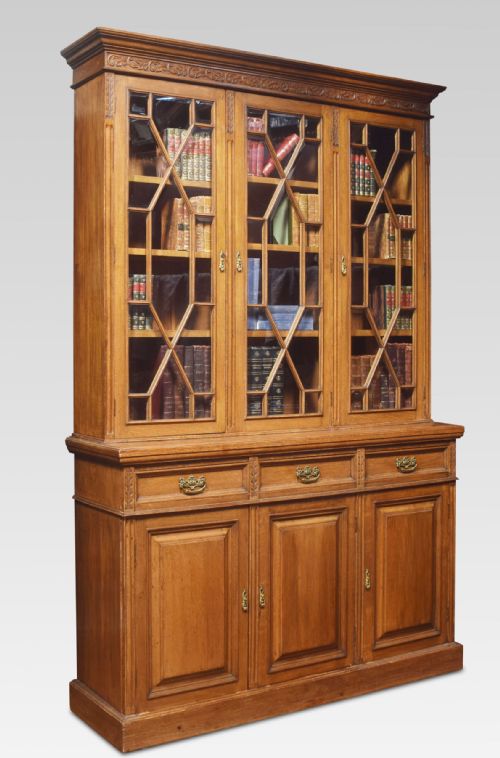
Glazing techniques involve fitted glass panels secured by timber bars, frequently forming astral patterns that segment the view into elegant geometric panes. Brass hardware, including hinges, handles, and occasional locking mechanisms, provides functional metal accents across the doors and sections.
Traditional Glazed Book Cabinet Retail Price Guide 2026
Typical asking prices for traditional glazed book cabinet among the pieces listed under this phrase on Sellingantiques today, from the lower quarter to the upper quarter. They describe what is for sale here now, not the wider market.
Listings feature mahogany, oak, and pitch pine timbers across Victorian, Edwardian, and Regency periods.
What varies in quality
The distinction between standard utility pieces and finer examples rests upon the selection of timber grain, the precision of joinery, and the sophistication of the styling. Elaborate revival details, such as Hepplewhite or classical motifs, indicate a higher grade of design ambition.
Scale and proportion also define the upper tier, where large breakfront silhouettes and multi-part stacking constructions demonstrate advanced carpentry. The integration of quality brass fittings and refined astral glazing further separates superior cabinets from simpler workshop productions.
The Traditional Glazed Book Cabinet Glossary
- Astral glazed
- Glass panels divided into smaller panes by narrow wooden bars, creating a decorative geometric grid across the cabinet doors.
- Breakfront
- A cabinet front where the central section projects forward from the flanking wings, adding architectural depth to large library pieces.
- Pitch pine
- A resinous softwood utilised for robust furniture construction, known for its distinct grain pattern and durability.
- Revival style
- A design approach that emulates historical aesthetics from earlier centuries, such as Jacobean or Hepplewhite traditions.
- Stacking bookcase
- Modular shelving units designed to sit one upon another, allowing modular expansion for growing collections.
Traditional Glazed Book Cabinet: Frequently Asked Questions
What is a traditional glazed book cabinet?
A traditional glazed book cabinet is a wooden piece of furniture featuring glass-paned doors designed to store and display books.
These cabinets protect volumes from dust and environmental wear while keeping titles visible for easy selection.
How are these cabinets dated?
Cabinets are dated by examining their construction methods, timber types, and stylistic revival influences.
Victorian, Edwardian, and Regency periods each display distinct architectural markers and proportions that identify their era of manufacture.
Where were these cabinets used?
These cabinets were traditionally placed in libraries, studies, and formal drawing rooms of large homes.
They served as functional storage for private literature and scholarly collections owned by affluent households.
How do I care for timber and glass?
Maintenance involves keeping the timber nourished with appropriate wax and cleaning the glass panes with standard solutions.
Keeping the cabinets away from direct sunlight and dramatic humidity changes protects the wood and historical finishes.