

Traditional Gilded Chandelier
A traditional gilded chandelier brings warmth and reflective brilliance to a room, casting candlelight or electric illumination through glass and crystal.
Traditional Gilded Chandelier
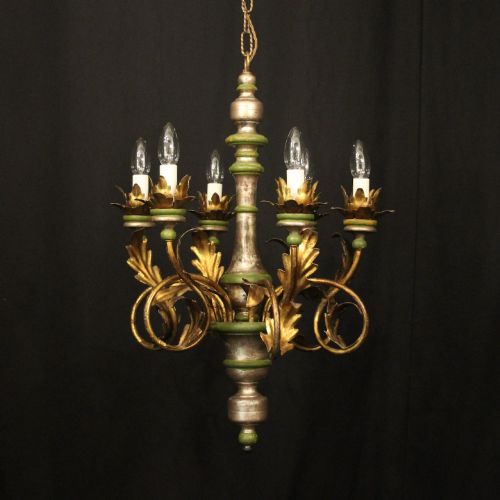
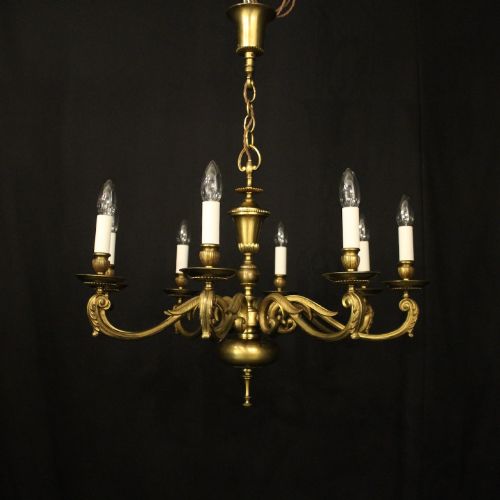
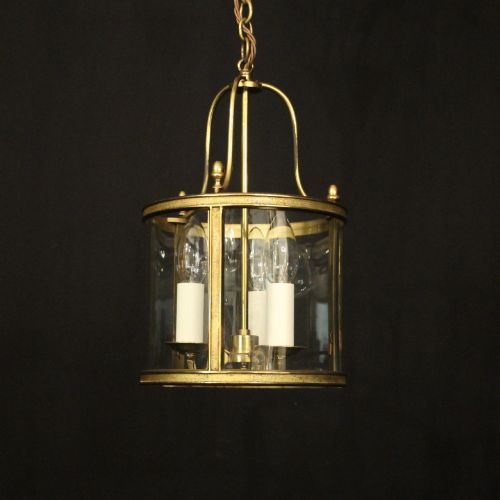
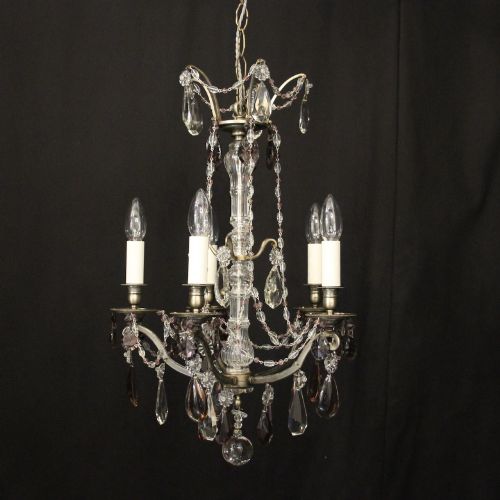
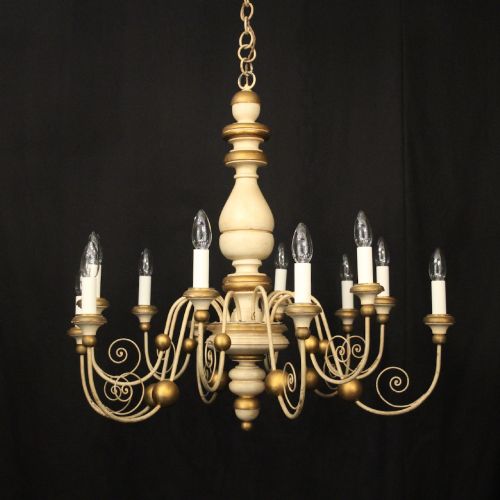
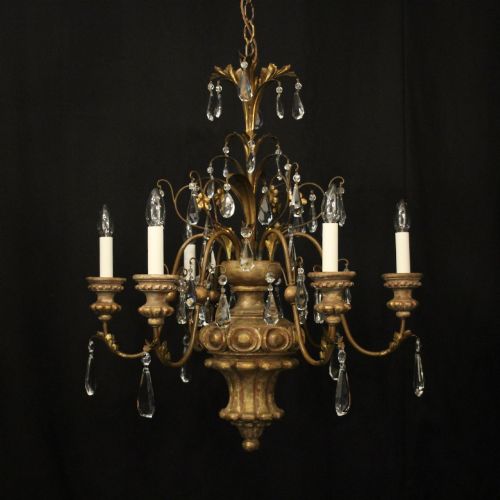
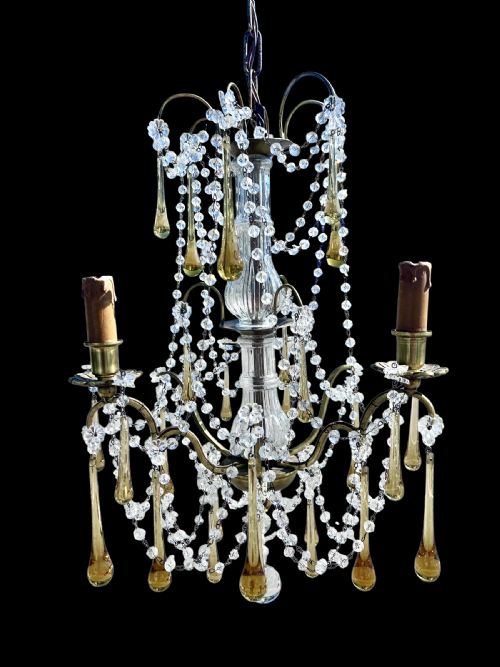
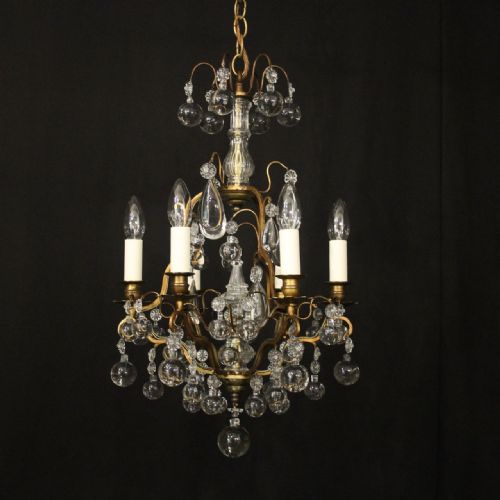
A traditional gilded chandelier comprises suspended light fittings constructed with metallic finishes in gold tones, often featuring crystal drops, glass dressings, and multiple arms. When seeking a traditional gilded chandelier, buyers navigate an array of ceiling lighting that spans multi-light candelabras to hall lanterns. The selection leans heavily towards continental European workshops, particularly French and Italian examples dating from the nineteenth and early twentieth centuries.
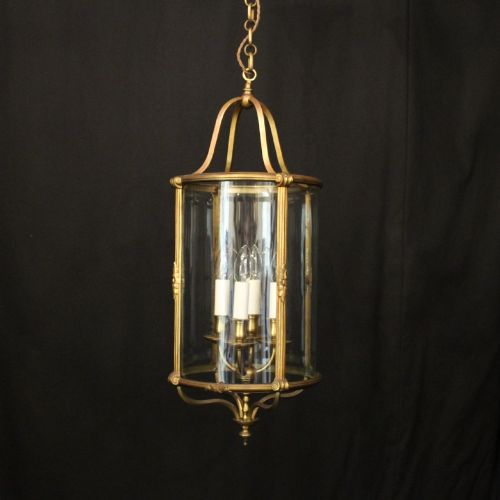
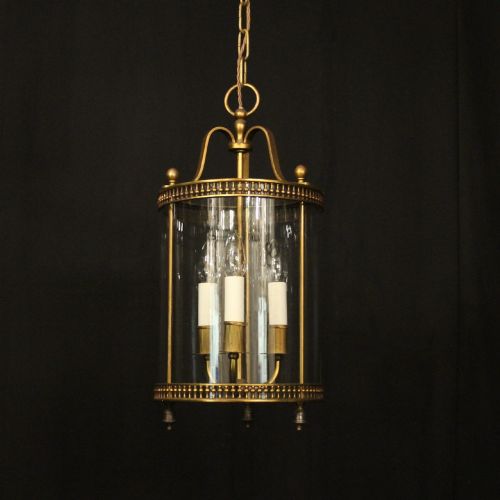
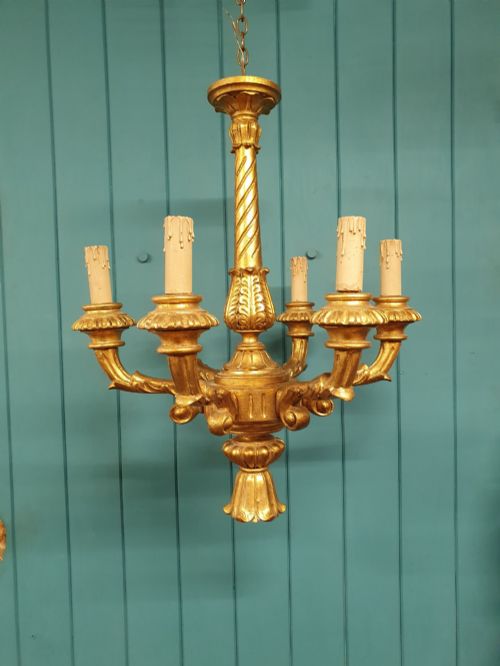
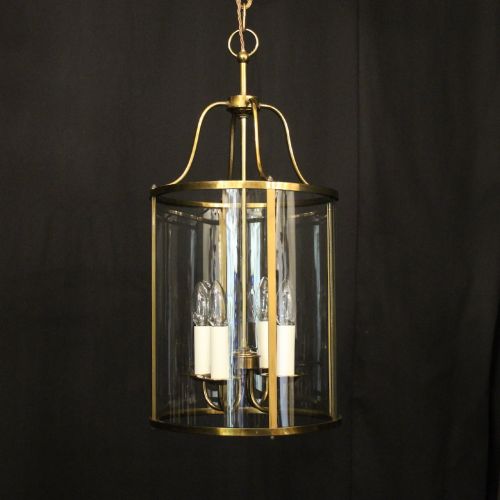
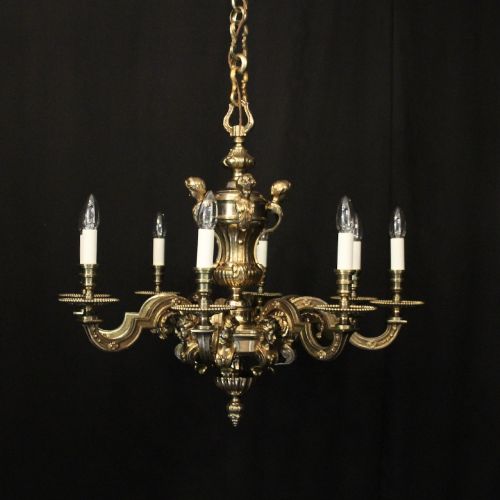
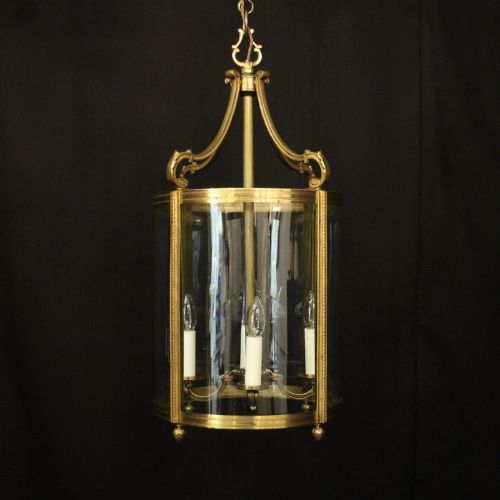
The forms vary from grand sixteen-light double-tiered fixtures down to compact three-light hall lanterns. French designs display influences from Rococo and Neoclassical styles, whilst Italian pieces often showcase Florentine giltwood and polychrome work. These light fittings hang from ceilings to provide both primary illumination and a strong decorative presence in a room.
Materials and construction
Construction relies on metals such as bronze, brass, and gilt metal, which receive surface applications of gold leaf or gilt finishes. Workshops also utilise carved wood, gesso, and toleware to form the structural bodies of the chandeliers. These metallic and wooden frames provide the armature required to support numerous branching arms and decorative elements.
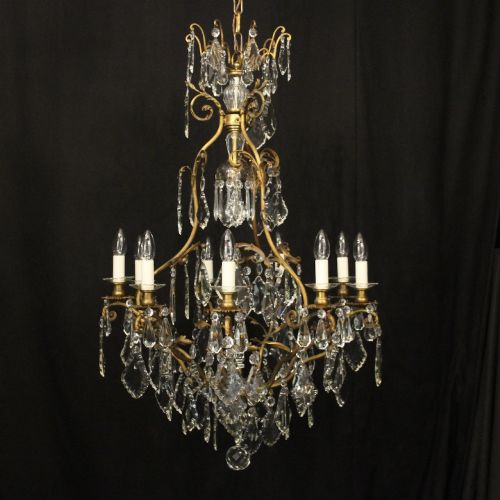
Makers integrate glass and crystal components, suspending teardrops, prisms, and pendants from the metal armature to refract the light. Bronze and brass castings undergo chasing and gilding processes before assembly, whilst giltwood frames involve carved timber sealed with gesso and gold leaf. The integration of crystal dressing requires careful wire-work to secure each pendant to the frame.
The listings span the eighteenth through to the twentieth centuries, recording materials such as gilded bronze, giltwood, toleware, and crystal.
Distinctions in quality
The standard of a piece rests upon the crispness of the bronze or brass casting and the depth of the hand-applied gilding. Superior examples display finely chased detailing on the metal mounts and substantial crystal components with clean facet cutting. Lesser pieces rely on simpler stamped brass or thinner surface treatments that lack the tactile richness of better workshops.
Structural complexity also separates the tiers of production, seen in the transition from standard single-tier frames to multi-tiered creations carrying sixteen lights or more. The integration of materials, such as polychrome accents on Florentine giltwood or complex cage frames with integrated glass, demonstrates the ambition of the original maker.
The Traditional Gilded Chandelier Glossary
- Gilded Bronze
- Bronze metal coated with a thin layer of gold or gold leaf. This material offers durability and a fine surface for detailed metalwork.
- Giltwood
- Timber carved and subsequently coated with gold leaf or a gilt finish. It appears frequently in Italian Florentine chandeliers.
- Hall Lantern
- An enclosed ceiling light designed for entrance halls and corridors. These fixtures often feature convex glass panels held within a metal frame.
- Crystal Teardrop
- A glass pendant cut into the shape of a teardrop and hung from the chandelier arms. These elements refract light across the room.
- Cage Chandelier
- A lighting form constructed with a metal skeletal framework enclosing the central stem and supporting peripheral light arms.
Traditional Gilded Chandelier: Frequently Asked Questions
How do I hang a heavy antique chandelier?
Hanging a heavy fixture requires securing a dedicated ceiling hook directly into the timber joist above. An electrician must verify that the wiring and ceiling support can safely bear the combined weight of the metal and crystal.
Professional installation prevents structural damage to the ceiling and ensures the fitting hangs at the correct height for the room. Weight distribution matters significantly with multi-tiered bronze designs.
What is the difference between French and Italian styles?
French lighting designs typically draw on Neoclassical and Rococo vocabulary, utilising gilded bronze, cast brass, and structured crystal arrangements. They favour symmetrical metal frames and polished bronze components.
Italian pieces, particularly from Florence, frequently employ carved giltwood and polychrome finishes with a softer, more organic aesthetic. The materials and decorative motifs reflect the distinct regional workshops of origin.
How do I clean crystal drops safely?
Cleaning requires removing the crystal drops individually or wiping them in place using a lint-free cloth dampened with a mild cleaning solution. Care must be taken to support the metal wire loops holding each pendant.
Harsh chemical cleaners should be avoided to protect the surrounding gilt surfaces and the metal armature. Regular dusting maintains the reflective quality of the glass without risking the patina.
Can these chandeliers be converted to electricity?
Many surviving pieces have already been converted from candle power to electricity during the twentieth century. Modern internal wiring runs through the central stem and arms to supply lamp holders.
Any rewiring should be undertaken by a qualified specialist to maintain safety standards whilst preserving the historical wiring paths and exterior metalwork.