


Traditional Fruit Canvas
Traditional fruit canvas works bring rich harvest scenes and careful tabletop compositions into domestic rooms.
Traditional Fruit Canvas
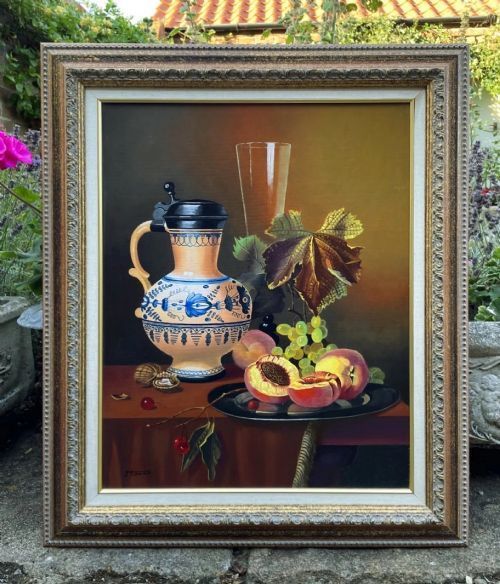
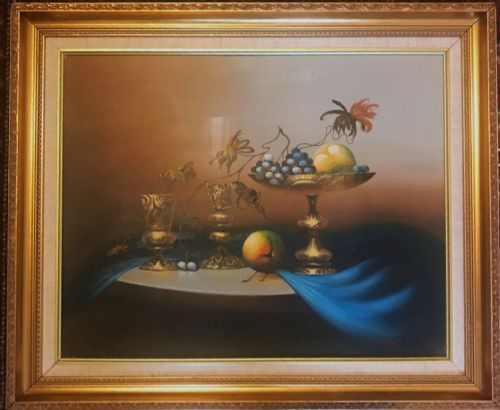
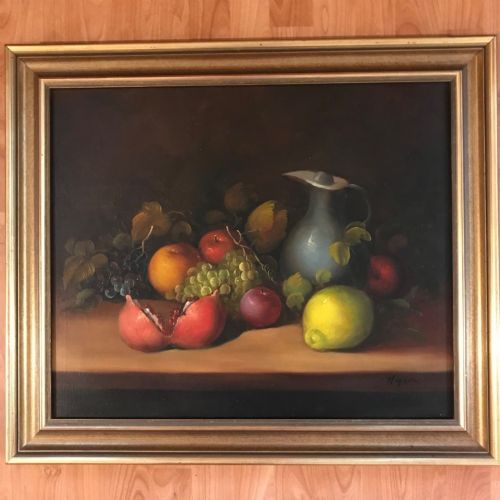
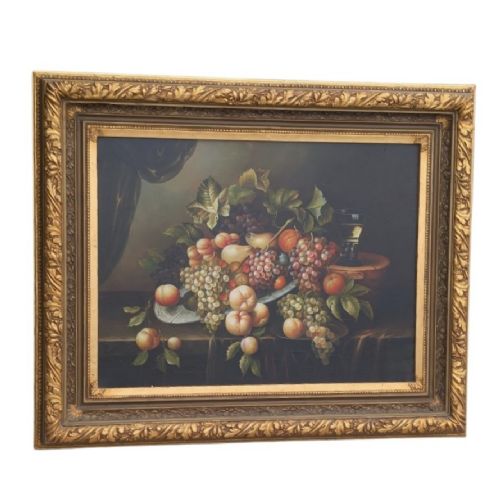
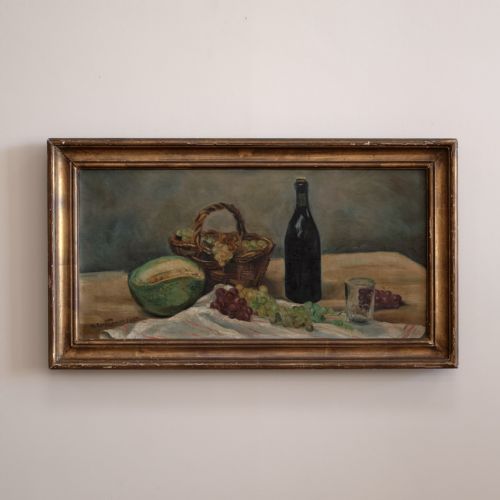
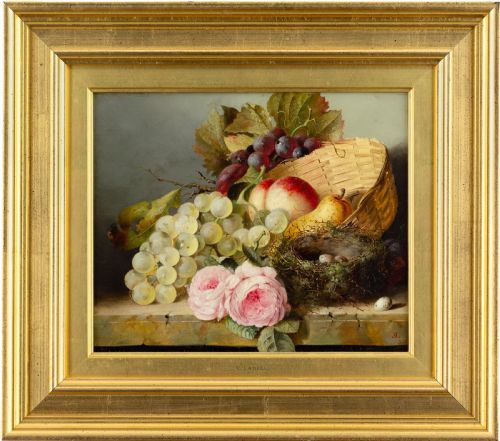
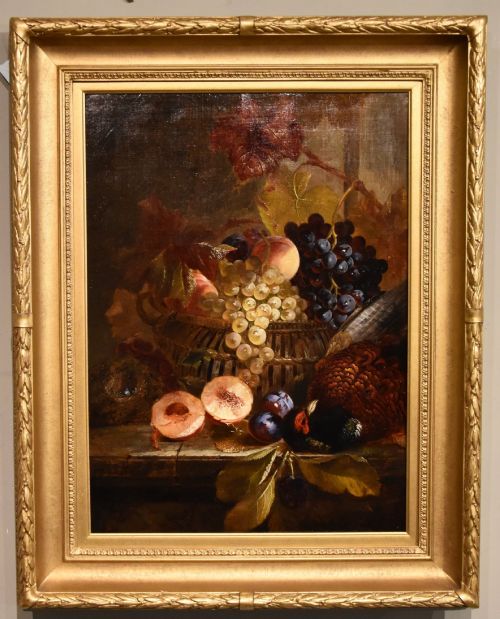
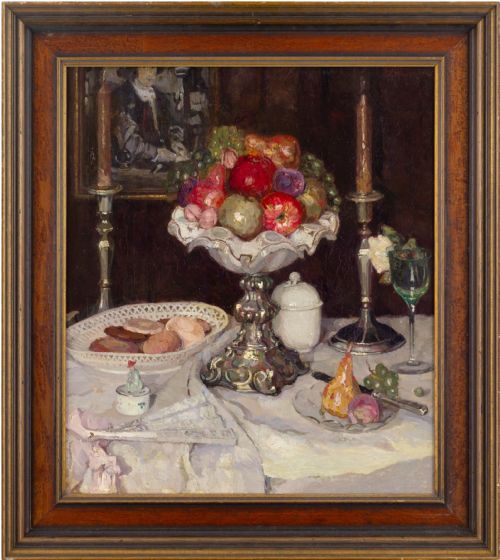
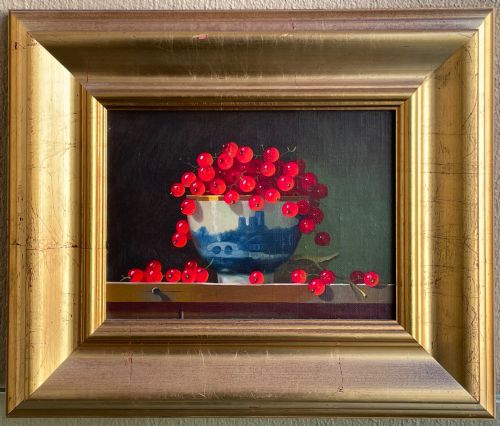
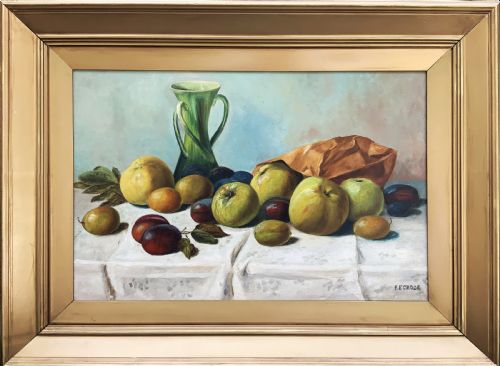
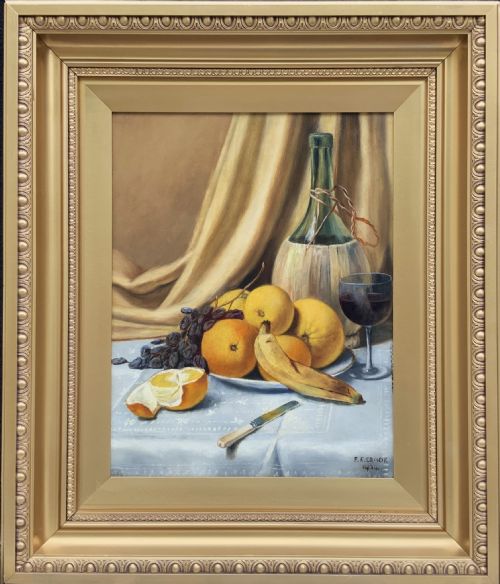
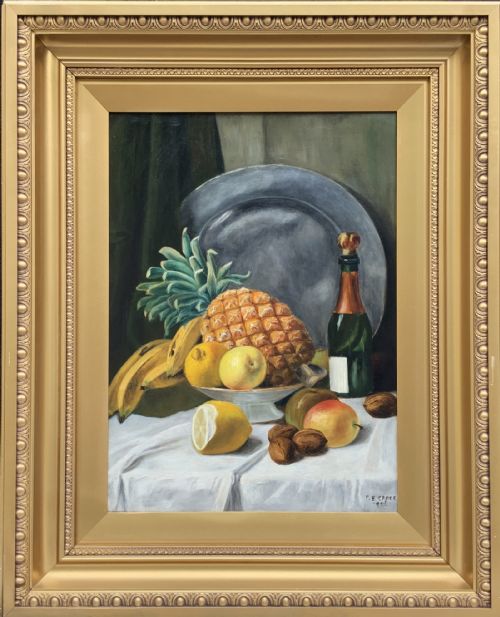
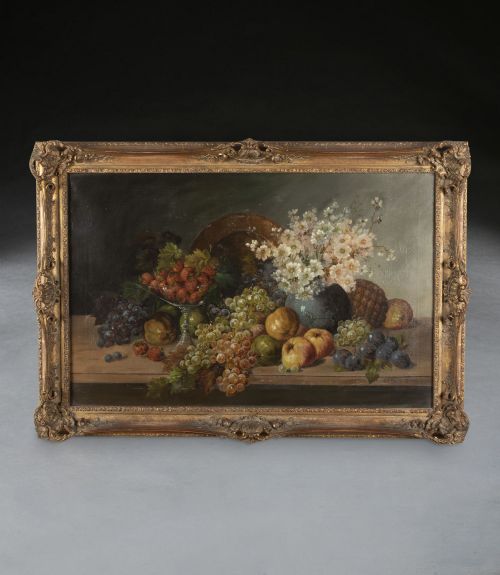
A traditional fruit canvas shows carefully arranged subjects like apples, grapes, baskets, and jars rendered in oil paint. These paintings draw on classical still life traditions spanning the nineteenth and early twentieth centuries. Buyers encounter compositions that range from simple tabletop studies to elaborate arrangements featuring game or porcelain.
Most examples originate from the nineteenth century or the Edwardian period, executed by British, European, and regional schools. Artists use canvas as the primary support, often retaining original wood and giltwood frames. The focus remains on naturalistic portrayals of seasonal produce placed within domestic interiors.
Materials and construction methods
These works rely on oil paint applied to woven canvas stretched over wooden frames, sometimes using tempera variants or incorporating gold leaf. Painters build up layers to render the translucent skin of grapes, the texture of wicker baskets, and the polished surface of pottery. Gilding appears frequently on the surrounding wood frames that house the paintings.
The physical build combines stretched textile supports with rigid timber backing and ornate moulding. Frame construction utilises carved wood finished with gilt layers to complement the warm tones of the oil pigments within. Canvas preparation involves traditional priming methods suited to holding pigment stability over decades.
Several canvases manage to squeeze an entire aviary, a pineapple, and a plate of currants into a single tabletop view.
Factors influencing execution and finish
Quality rests in the precision of brushwork and the lifelike rendering of light across differing textures like fruit flesh, metal vessels, and woven wood. Stronger examples display depth in shadow and accurate proportion in complex groupings of objects such as porcelain jars and game birds. Weaker pieces lean on flat application and repetitive forms without tonal variation.
The integrity of the canvas and the preservation of the original gilt frame contribute substantially to the standing of a piece. Skilled handling of oil paint by recognised artists yields superior definition in details like vine leaves, bird feathers, and reflections in glassware. The relationship between the painted subject and its framing enclosure determines visual harmony.
Edward Ladell·William Duffield·George Lance·Jozsef Molnar·Else Preubner
The Traditional Fruit Canvas Glossary
- Canvas
- A heavy woven fabric used as a support surface for oil paintings. Artists stretch this material tightly over wooden stretcher bars before applying ground layers and paint.
- Giltwood
- Wood that has been coated with a thin layer of gold leaf or metallic powder. This treatment decorates the frames enclosing many traditional oil paintings.
- Still life
- An artwork depicting inanimate subject matter, typically commonplace objects like fruit, flowers, and tableware. This genre emphasises composition, lighting, and texture.
- Tempera
- A permanent, fast-drying painting medium consisting of coloured pigments mixed with a water-binder agent. It provides a flat, opaque finish compared to oil.
- Baroque
- An artistic style characterised by exaggerated motion and clear detail used to produce drama. Works from this tradition often feature theatrical lighting and rich colour palettes.
Traditional Fruit Canvas: Frequently Asked Questions
What periods do these paintings date from?
The available selection spans the eighteenth century through to the mid twentieth century, with a strong concentration of nineteenth century and Edwardian works. Painters from these eras produced detailed realistic studies of natural subjects.
Specific dates within titles point toward Victorian and early twentieth century production periods. Stylistic traits help place undated pieces within these broader historical windows.
How should I hang a traditional fruit canvas?
These works suit dining rooms, kitchens, and living spaces where traditional still life subjects complement domestic interiors. Hanging them away from direct sunlight preserves the oil paint and gilt frames.
Ensure wall fixings match the weight of the timber and giltwood frames housing the canvas. Proper placement at eye level allows the fine details of the fruit and vessels to be appreciated.
Are these paintings signed by the artists?
Many examples feature visible signatures or attribution to named painters such as Edward Ladell or George Lance. Unsigned pieces are often attributed to specific European or regional schools based on technique.
Signatures typically appear in corners where the artist inscribed their name into the wet oil paint. Documentation alongside the canvas often records known biographical details of the creator.
What subjects typically accompany the fruit?
Compositions frequently include everyday domestic items like Chinese ginger jars, wine glasses, wicker baskets, and candlesticks. Some works incorporate dead game birds or flowers alongside the produce.
These added elements provide contrast in texture and colour against smooth apples, grapes, and peaches. The arrangement mimics the natural display practices of past centuries.