

Traditional French Ceiling Pendant
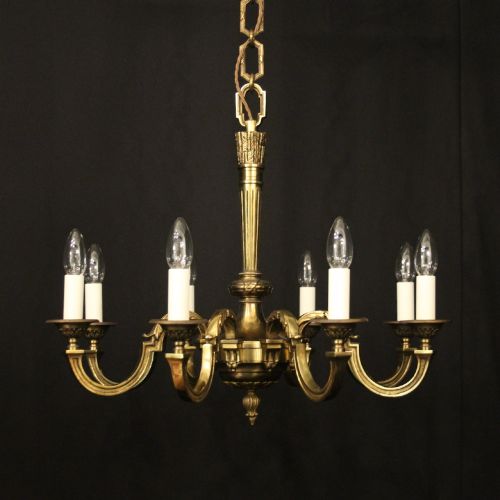
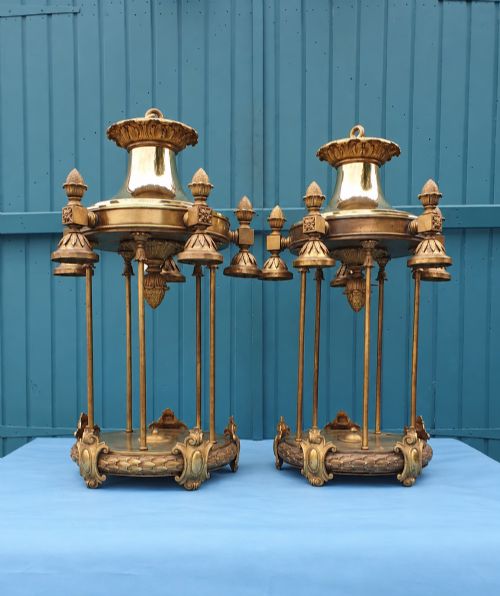
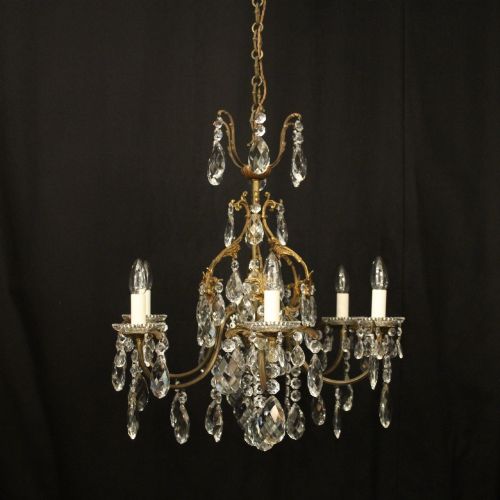
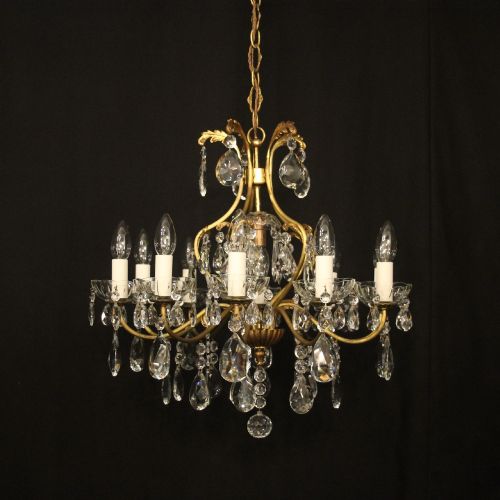
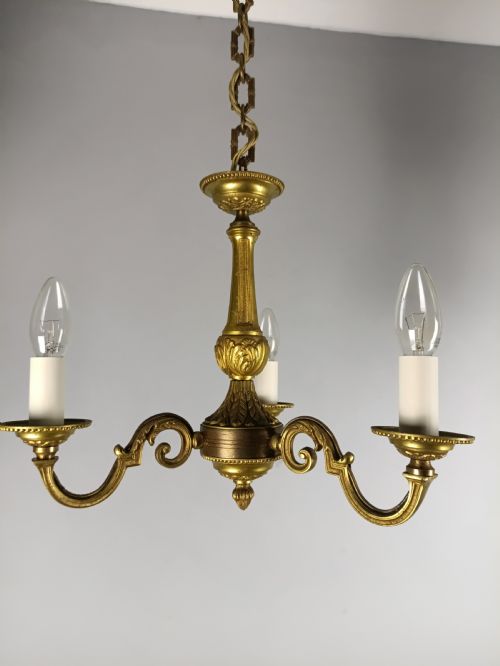
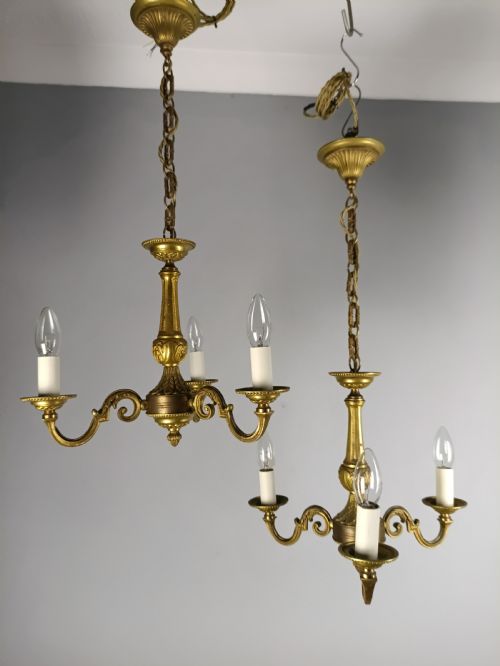
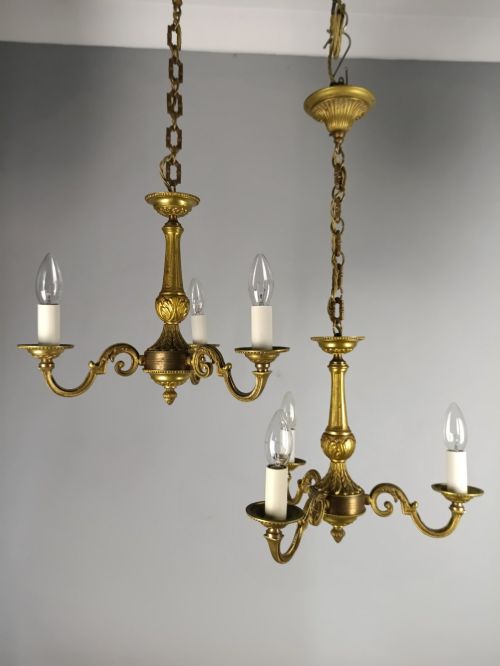
These traditional french ceiling pendant light fixtures bring nineteenth and early twentieth century illumination into a room through brass, bronze and crystal.
Traditional French Ceiling Pendant
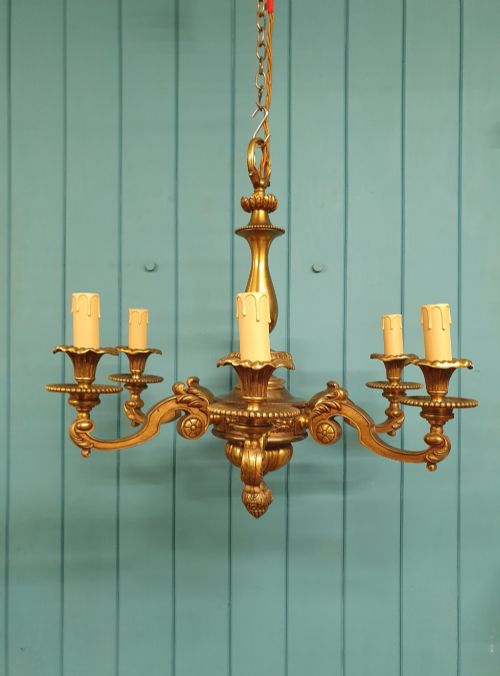
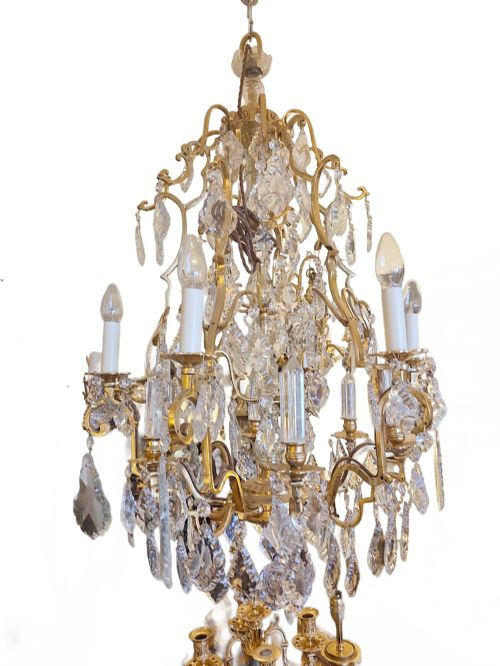
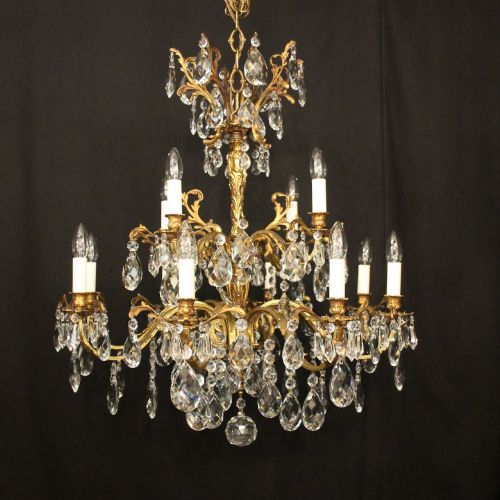
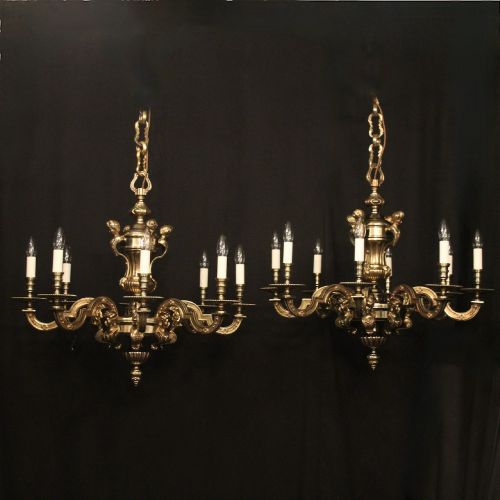
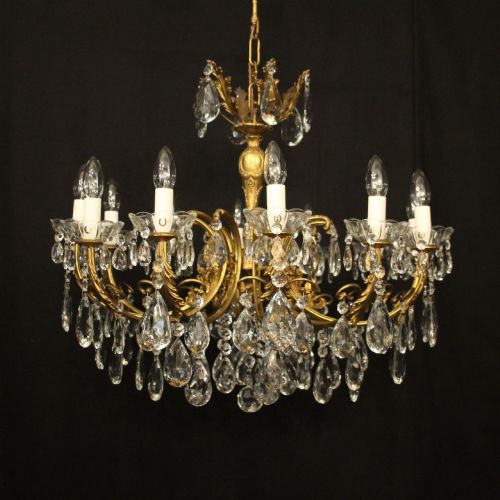
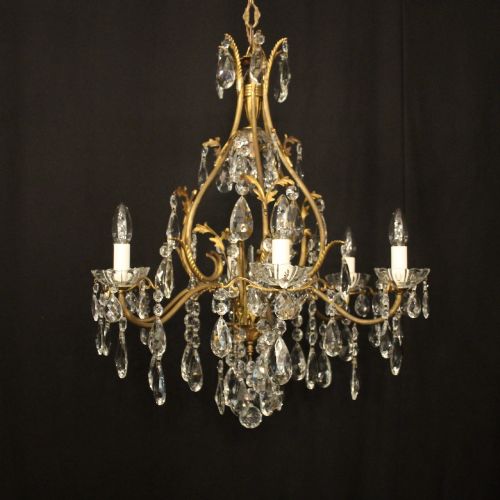
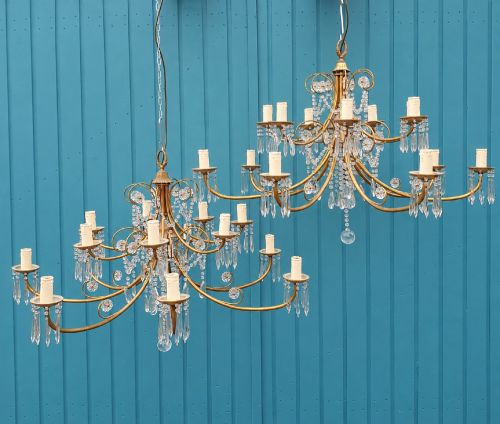
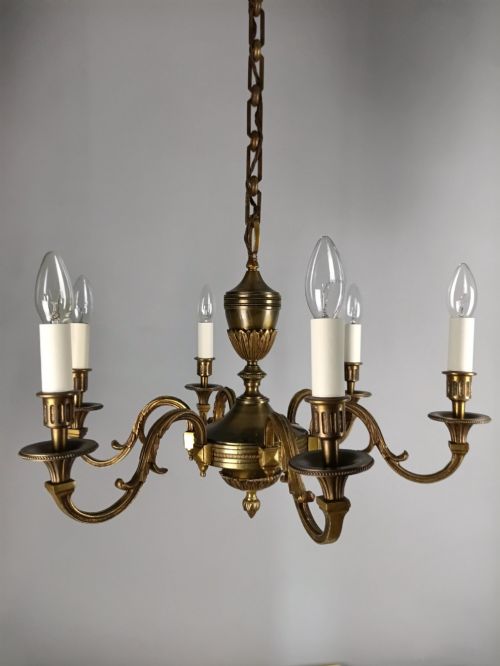
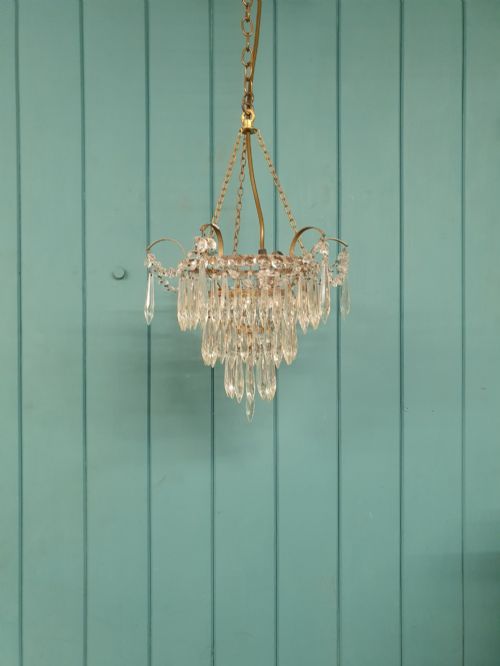
A traditional french ceiling pendant spans styles from nineteenth century examples to early twentieth century pieces dated through the nineteen tens, twenties and thirties. These light fixtures take the form of multi-arm chandeliers, hanging hall lanterns, tent and waterfall designs, and convex lanterns.
The selections on this page draw upon French chateau, Rococo, Empire, Neoclassical and Victorian aesthetics. Buyers encounter works featuring multiple light branches, crystal drops, cut glass and gilded metal frames.
What varies in quality
The refinement of the metal casting and the depth of the gilding determine visual weight. Heavier bronze and detailed brass castings support intricate scrollwork and crisp architectural motifs.
The clarity and cut of the crystal components distinguish fine examples. Heavier cut glass drops and complex tent formations create greater light refraction than simpler glass arrangements.
Traditional French Ceiling Pendant Retail Price Guide 2026
Typical asking prices for traditional french ceiling pendant among the pieces listed under this phrase on Sellingantiques today, from the lower quarter to the upper quarter. They describe what is for sale here now, not the wider market.
Listings span periods from the nineteenth century through to nineteen thirty, encompassing Edwardian and early twentieth century examples.
The Traditional French Ceiling Pendant Glossary
- Chandelier
- A branched ceiling-mounted lighting fixture designed to hold multiple light sources. These fixtures frequently incorporate crystal drops and metal arms.
- Hall lantern
- An enclosed hanging light fixture suspended by a chain or rod, traditionally positioned in entranceways. Versions include convex and bronze framed designs.
- Waterfall chandelier
- A lighting form defined by cascading tiers of crystal beads or drops arranged in a sloping profile. This configuration creates a dense sheet of light refraction.
- Tent and waterfall
- A chandelier style featuring a conical upper section of crystal strings above a lower cascading bowl of drops. This dual arrangement defines many pieces from the early twentieth century.
- Gilt bronze
- Metalwork finished with a thin layer of gold applied to a bronze base. This technique protects the underlying metal while providing a warm metallic sheen.
Traditional French Ceiling Pendant: Frequently Asked Questions
What periods do these pendants date from?
The pieces span the nineteenth century, the Edwardian era, and the early decades of the twentieth century up to the nineteen thirties.
Designs reflect historical revivals including Empire, Rococo, and Neoclassical styles popular across these decades.
How do hall lanterns differ from chandeliers?
Hall lanterns are enclosed fixtures designed to shield the light source, often featuring glass panels and framed metal bodies.
Chandeliers are open-branched fixtures with multiple arms extending outward to hold individual lights.
What materials make up the frames?
Frames are constructed from brass, gilt brass, bronze, gilt bronze, copper, and general metal alloys.
Many surfaces feature applied gold leaf or silver gilding to enhance the decorative metalwork.
Where were these light fixtures used?
These pendants were traditionally hung in principal reception rooms, dining spaces, ballrooms, and entrance halls.
Larger multi-arm chandeliers and tall lanterns were intended for spaces with high ceilings.