




Vintage Triple Arm Chandelier
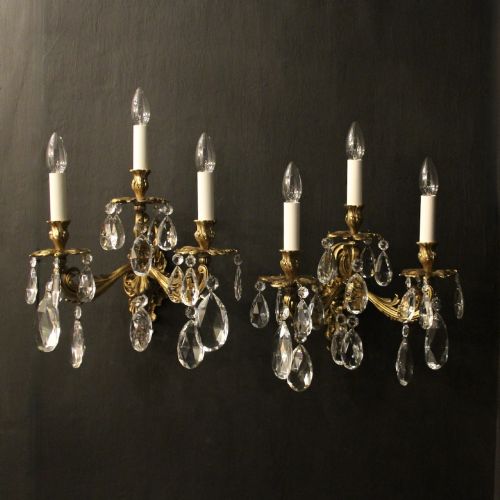
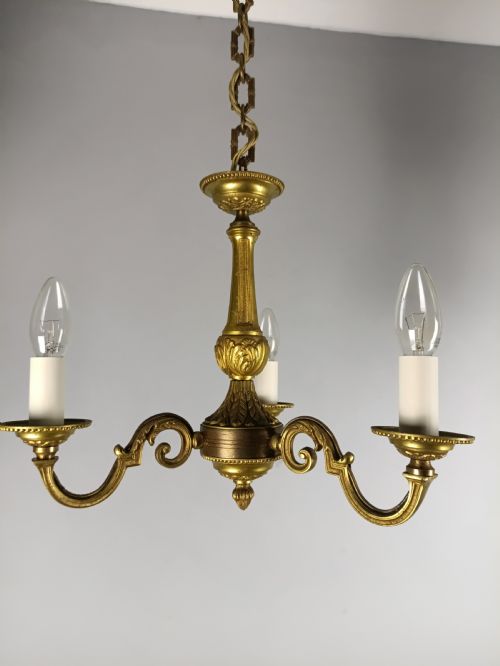
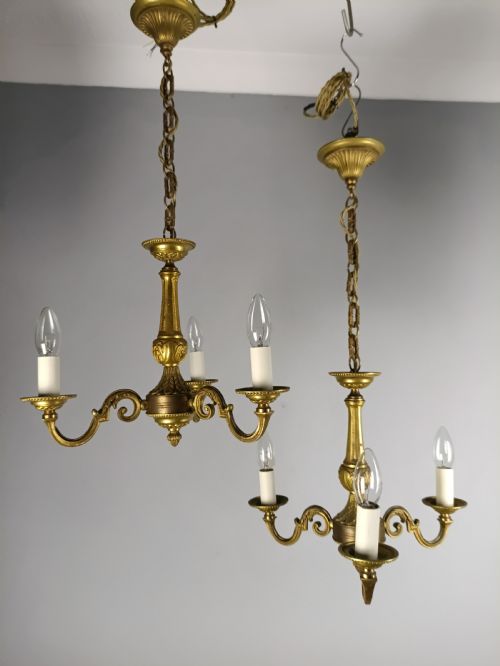
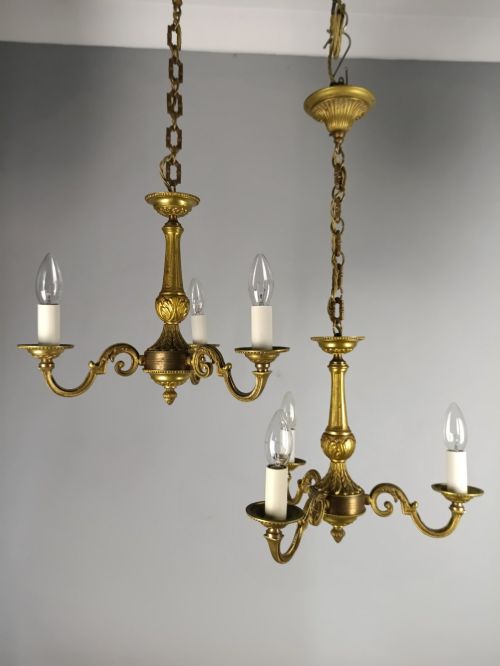
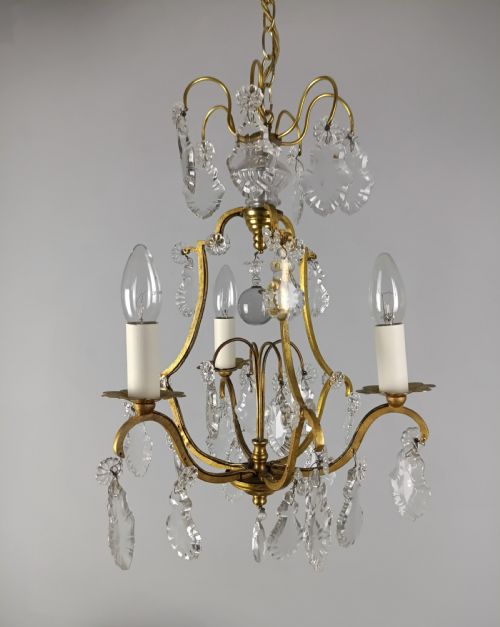
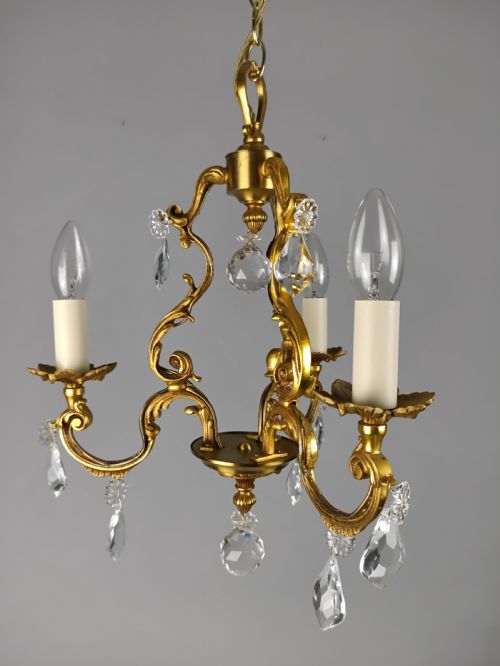
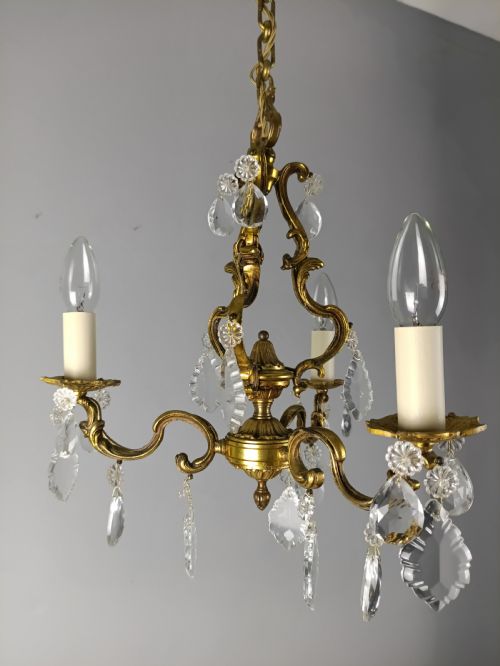
These vintage triple arm chandeliers bring French and Florentine lighting into a room, offering three-light illumination with classical styling.
Vintage Triple Arm Chandelier
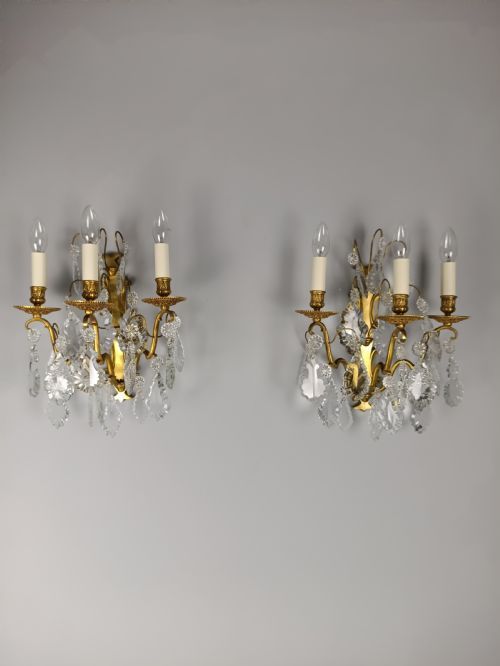
When you search for a vintage triple arm chandelier, you find three-light fixtures originating mainly from the 1920s, the 1930s, and the nineteenth century. These pieces encompass both hanging chandeliers and matching wall lights designed for interior illumination.
The selections on this page lean heavily toward French designs, including chateau, rococo, neoclassical, and baroque styles, alongside Florentine examples. Most pieces combine metal frames with hanging glass and crystal drops.
How they were made
The framework relies on cast and gilt metals, specifically brass, gilded bronze, and giltwood, shaped into arms to support three light points. Craftsmen built these structures to hold weight while maintaining decorative curves and profiles.
Crystal and cut crystal elements hang from the main frame, often taking the form of birdcage designs or draped droplets that catch and refract the light. The combination of gilded metalwork and glass components defines the construction of these fixtures.
Vintage Triple Arm Chandelier Retail Price Guide 2026
Typical asking prices for vintage triple arm chandelier among the pieces listed under this phrase on Sellingantiques today, from the lower quarter to the upper quarter. They describe what is for sale here now, not the wider market.
Birdcage chandeliers pack enough tiny crystal prisms to turn a simple afternoon sunbeam into a private disco on your ceiling.
What varies in quality
The refinement of the cast metalwork and the precision of the gilding set the baseline for each piece, distinguishing simple castings from intricate baroque or rococo ornamentation. Heavier gilt brass and detailed bronze retain their crispness and depth over time.
The presence and clarity of cut crystal elements alter the overall impact, where older cut glass additions add greater brilliance than plain glass. Integrity of the structural arms and the completeness of the hanging drops dictate the visual success of the fixture.
The Vintage Triple Arm Chandelier Glossary
- Gilt brass
- Brass treated with a gold-coloured surface layer to give a rich, metallic finish. This material appears frequently across the French fixtures.
- Birdcage chandelier
- A lighting form where metal wirework forms an open cage structure enclosing the central stem and lights. Crystal drops often drape around this framework.
- Gilded bronze
- Bronze metal coated with a thin layer of gold. It allows for sharp, detailed casting in decorative styles.
- Florentine style
- Design originating from Florence, often characterised by carved giltwood and ornamental floral motifs. This style brings a distinct regional character to the lighting.
- Cut crystal
- Glass shaped with facets cut by hand or machine to increase light refraction. These pieces hang from the chandelier arms and crowns to add sparkle.
Vintage Triple Arm Chandelier: Frequently Asked Questions
How do I hang a vintage chandelier?
Hanging requires a secure ceiling hook capable of supporting the combined weight of metal and crystal. Professional installation ensures the electrical wiring meets safety standards.
Position the fixture at a height that clears head room while serving as a focal point in the room. Matching wall lights should align with the design scale of the main chandelier.
What periods do these chandeliers come from?
The pieces span the nineteenth century, the 1920s, and the 1930s. Earlier examples showcase Florentine giltwood, while later pieces favour French gilt brass.
Stylistic cues like rococo curves or neoclassical symmetry help identify the era of manufacture. Most listed items reflect French decorative traditions from the early twentieth century.
Are wall lights available to match?
Matching wall lights appear alongside the hanging chandeliers, sharing the same gilt brass and crystal materials. These paired fixtures allow for coordinated lighting schemes within a space.
Wall lights often feature the same triple arm configuration or complementary double and single formats. They bring period character to smaller wall spaces.
What materials make up these fixtures?
Construction relies on metals such as brass, bronze, and giltwood, paired with glass and cut crystal. Gilding finishes the metal surfaces to provide a warm metallic tone.
Crystal drops and strands dangle from the arms to catch the light. The combination of these durable materials ensures longevity for each fixture.