


Traditional French Brass Lighting
Traditional french brass lighting brings warmth and architectural weight to a room through cast metal work and hanging glass.
Traditional French Brass Lighting
Traditional french brass lighting spans chandeliers, wall lights, and hall lanterns sourced from the nineteenth and early twentieth centuries. These pieces reflect historical design movements including Neoclassical, Empire, and Rococo styles.
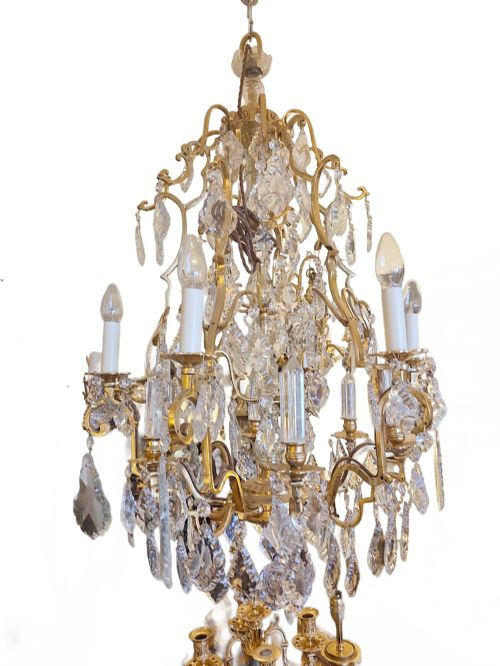
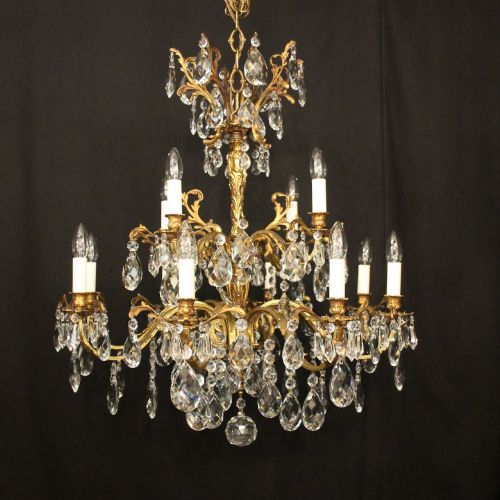
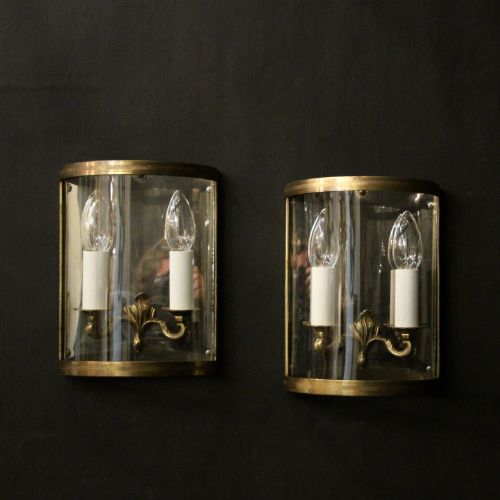
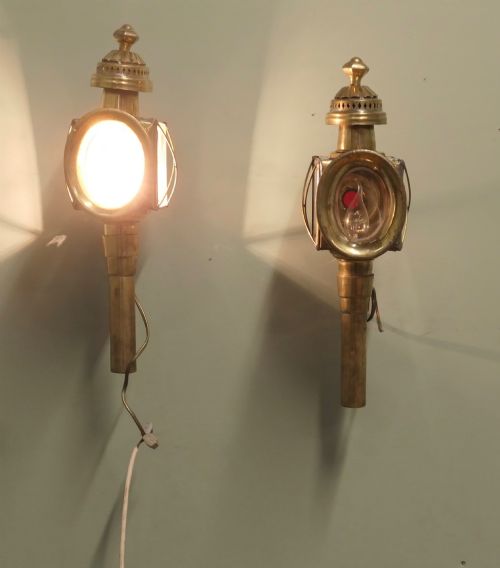
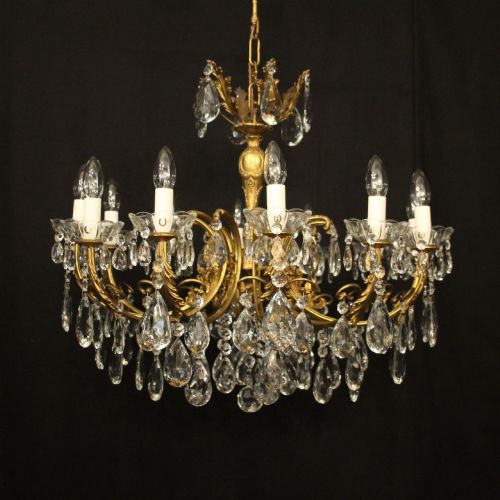
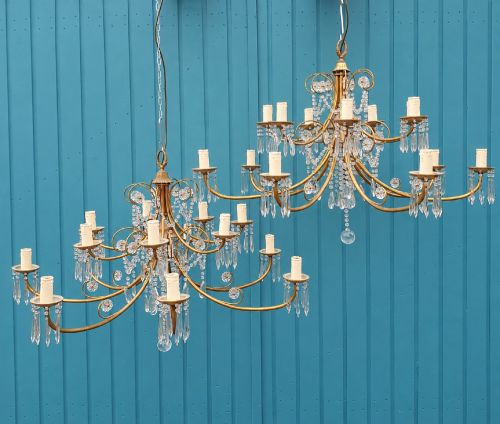
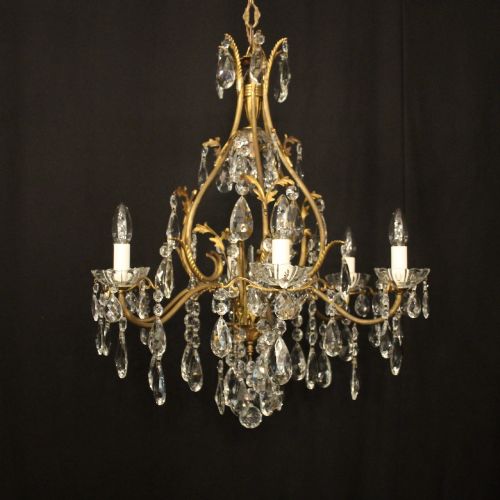
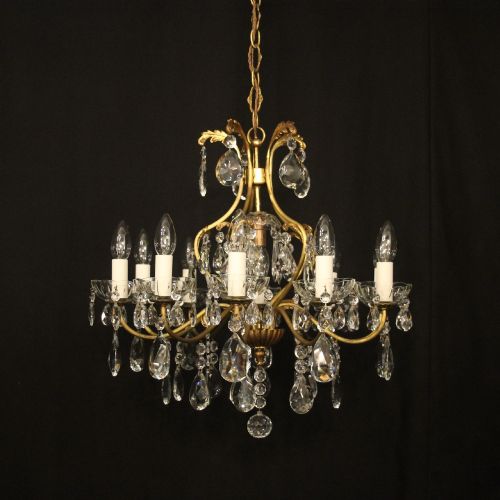
Chandeliers with multiple light branches and crystal drops appear most frequently on this page alongside wall lanterns and hall lanterns. Many examples feature gilded bronze or brass combined with cut glass elements.
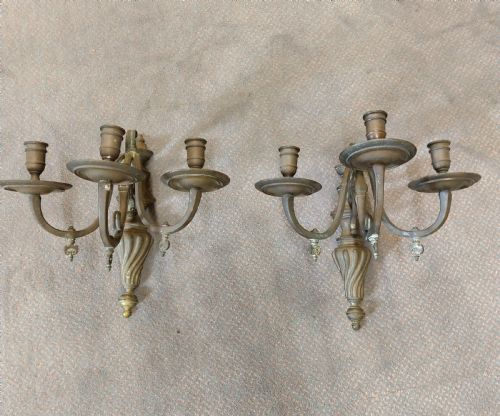
The objects originate from periods such as the Victorian era, the Edwardian years, and the decades leading up to 1930. Smaller items like brass candleholders also surface among the larger hanging fixtures.
Materials and Construction
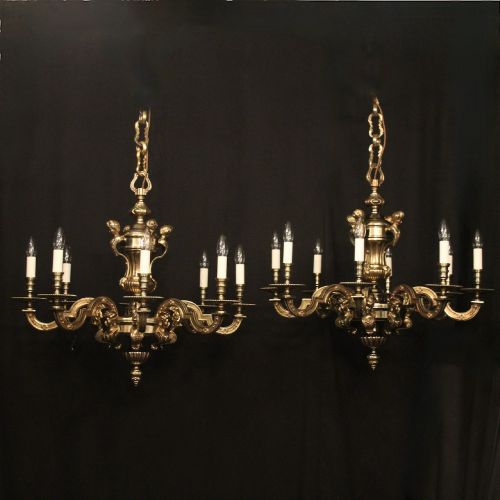
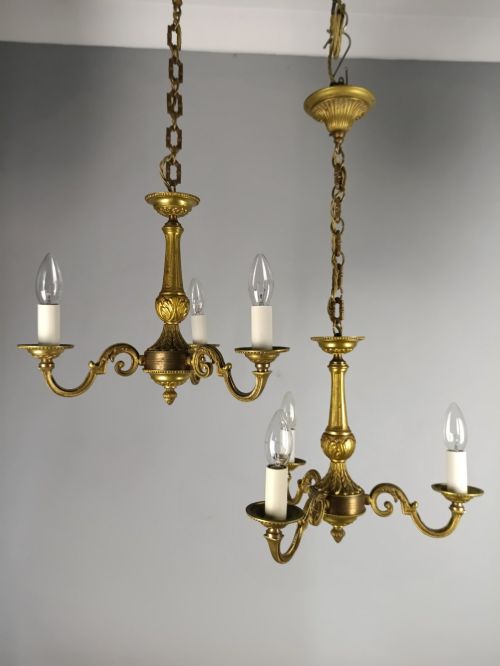
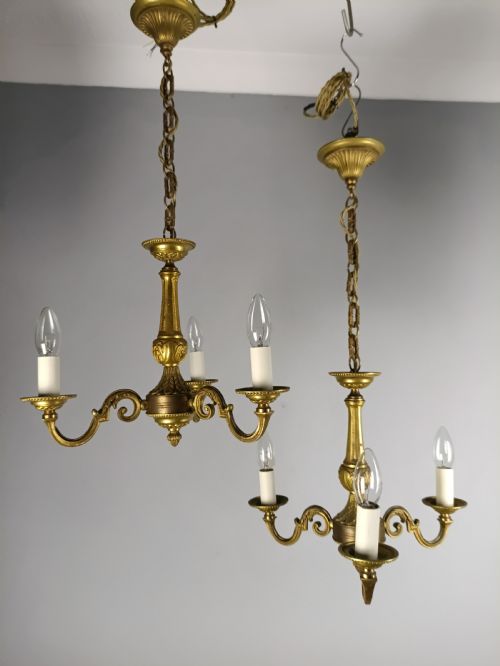
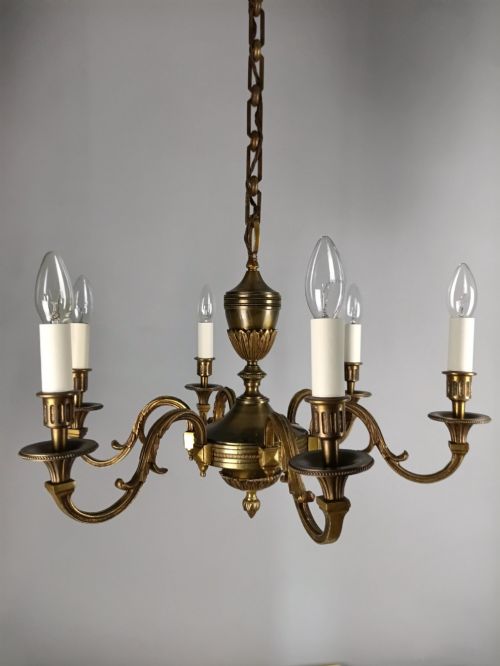
Foundries cast brass, bronze, and gilt metal into structural frames, arms, and decorative mounts. Artisans then applied fire gilding or surface finishing to achieve the golden tone characteristic of these fixtures.
Glassmakers produced cut glass drops, crystals, and convex panels to catch and refract light from the bulbs or candles. Wirework and pinned metal links secured these glass components to the central cages and tent frames.
Traditional French Brass Lighting Retail Price Guide 2026
Typical asking prices for traditional french brass lighting among the pieces listed under this phrase on Sellingantiques today, from the lower quarter to the upper quarter. They describe what is for sale here now, not the wider market.
Materials across these listings include solid brass, gilt bronze, cut glass, and crystal combined within cage and tent chandelier formats.
Assessing Quality
The crispness of the metal casting distinguishes superior pieces from simpler work. Finer examples display deeply chased surface details on the brass and bronze mounts rather than soft, smoothed edges.
The integration of the crystal determines the overall elegance of the fixture. High-grade chandeliers utilise hand-cut glass drops with sharp facets that hold clarity and weight, suspended securely from robust metal frames.
The Traditional French Brass Lighting Glossary
- Gilt bronze
- Metal alloy coated with a thin layer of gold, providing a durable and luminous finish on decorative mounts.
- Hall lantern
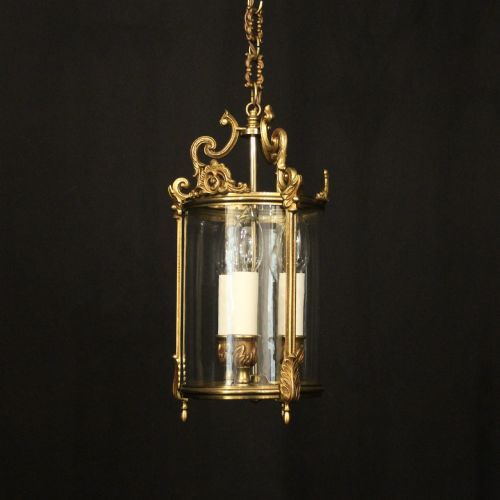
- Enclosed hanging light designed for corridors and entrance spaces, frequently featuring glass panels held in a brass frame.
- Tent and waterfall
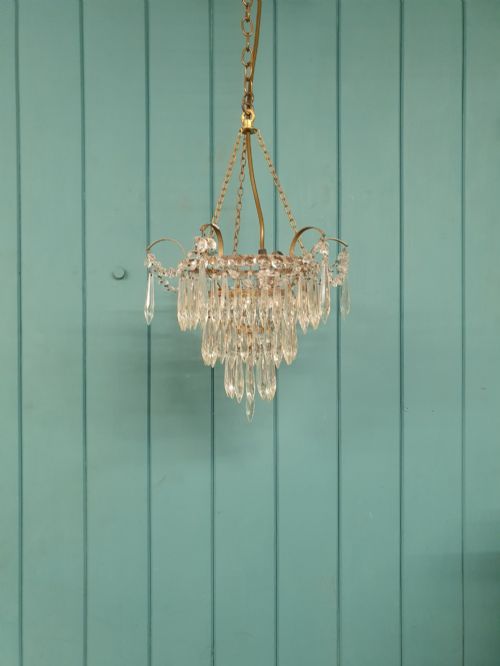
- Chandelier configuration where strings of crystals form an upper canopy shape above a cascading lower tier of drops.
- Cut glass drops
- Faceted glass pendants hung from lighting fixtures to refract illumination into the room.
Traditional French Brass Lighting: Frequently Asked Questions
How do I hang a heavy brass chandelier?
These metal and crystal fixtures require attachment to a ceiling joist or a suitably rated structural support box. Professional installation ensures the weight of the bronze and glass distributes safely.
Electrical wiring inside older frames often requires updating to meet current safety standards during the hanging process.
Can I clean the crystal drops safely?
Gently washing the glass elements in warm water with a mild detergent restores their clarity without damaging the surrounding metal. Drying each drop by hand prevents water spots from forming on the facets.
Leaving the crystals attached to the frame while cleaning works best if support is maintained underneath.
What rooms suit a hall lantern?
Enclosed lanterns fit well in entrance hallways, stairwells, and high-ceilinged landings where vertical space allows proper clearance. Their glass panels protect the interior light source from drafts.
Smaller variants also function effectively in smaller vestibules or intimate dining spaces.
How do I identify a Neoclassical style fixture?
Neoclassical designs draw on classical Greek and Roman motifs, showing symmetry, urn shapes, and restrained leaf patterns in the metalwork. These pieces avoid excessive asymmetry in favour of balanced geometry.
Straight lines and architectural details distinguish them from later Rococo revival pieces.