

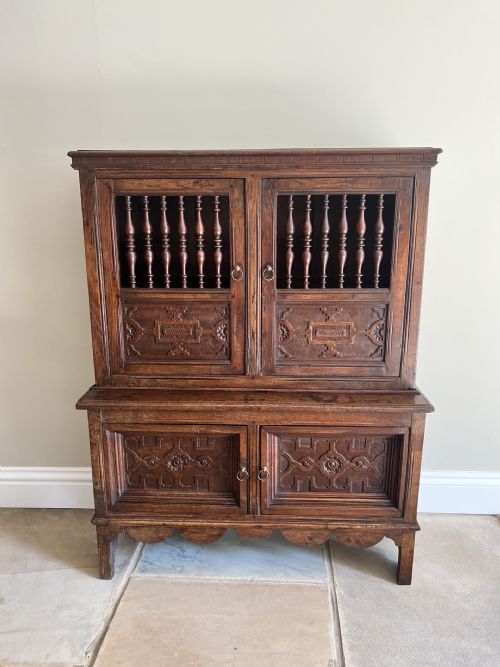


Traditional Food Safe
A traditional food safe is a utilitarian kitchen cabinet built to protect perishables from insects before refrigeration.
Traditional Food Safe
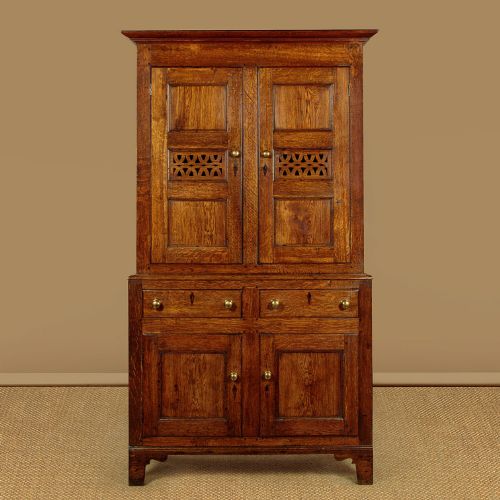
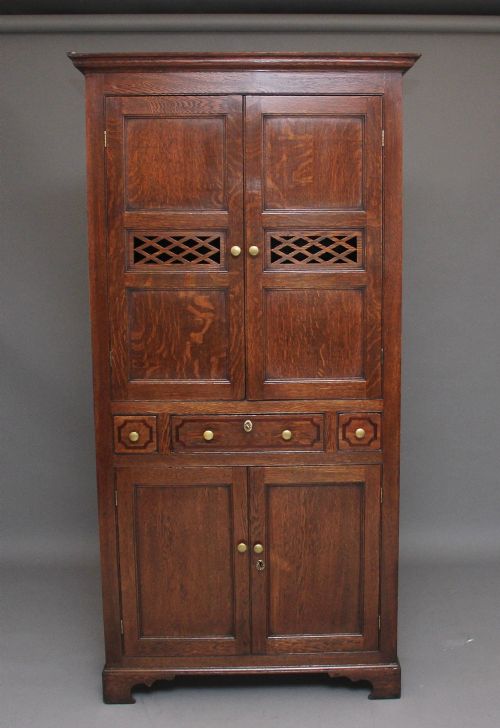
A traditional food safe takes the form of a cupboard or cabinet designed to store food while allowing air circulation. The examples found here span several centuries and regions, ranging from English housekeeper cupboards to French provincial armoires and Scandinavian folk art pieces.
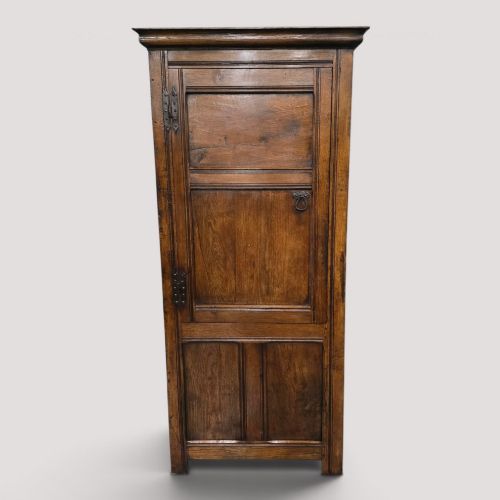
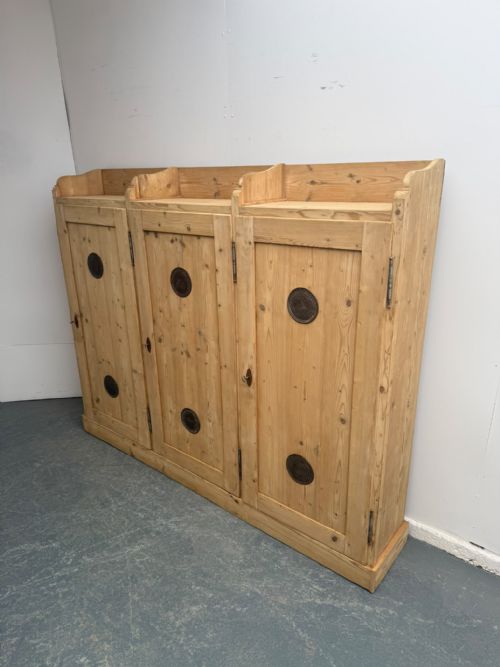
Buyers will encounter various incarnations, including wall cabinets, pantry cupboards, and larder cupboards. Materials stretch from sturdy pine and oak to cedar and walnut, reflecting the domestic needs of past households.
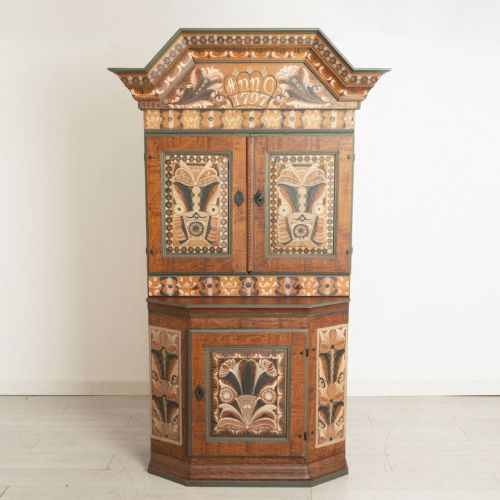
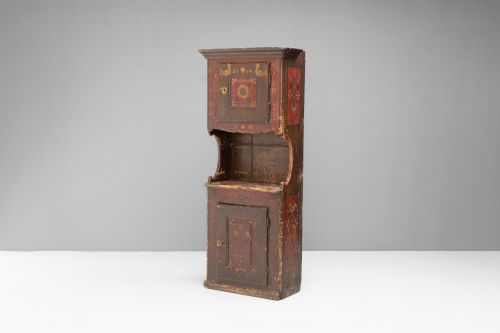
Many of these pieces display regional characteristics, such as the hand-painted finishes seen on European folk art examples. Whether standing tall in a hallway or fitted into an alcove, each cabinet serves as a direct link to historical domestic life.
Materials and construction
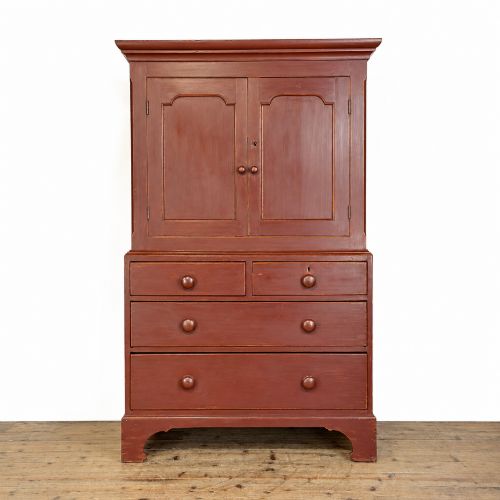
Makers relied primarily on timber such as pine and oak to build the carcasses of these cupboards. These woods were chosen for their availability and structural stability, often finished with paint or left to wax.
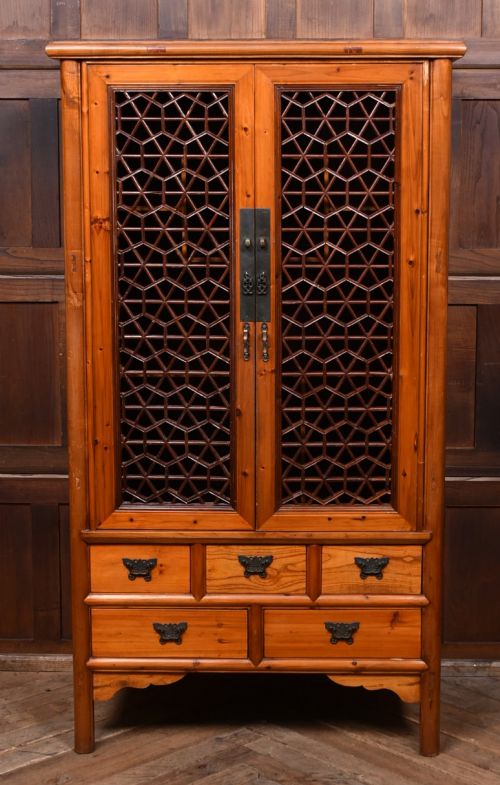
Metal hardware such as iron, wrought iron, and brass provided hinges, latches, and ventilation grills. These functional elements were essential for securing doors and keeping pests away from stored provisions.
Traditional Food Safe Retail Price Guide 2026
Typical asking prices for traditional food safe among the pieces listed under this phrase on Sellingantiques today, from the lower quarter to the upper quarter. They describe what is for sale here now, not the wider market.
Listings feature pine, oak, walnut, and cedar cabinets spanning from the seventeenth century through the Victorian era.
Judging quality in a traditional food safe
Quality rests upon the integrity of the timber and the skill of the original joinery. Solid construction using traditional joints distinguishes robust utilitarian furniture from more hastily assembled items.
The survival of original surfaces, such as early paint layers or aged patina on pine and oak, elevates the character of a piece. Subtle details in the hardware and the proportion of the cabinet dictate its overall presence.
The Traditional Food Safe Glossary
- Housekeeper's cupboard
- A large storage cabinet traditionally used in substantial homes to store linens, dry goods, or provisions. These pieces often feature multiple doors and drawers.
- Larder cupboard
- A tall storage unit designed specifically for food storage before the advent of domestic refrigeration. They frequently incorporate ventilated sections to keep provisions fresh.
- Panetière
- A traditional French bread cabinet used to store loaves safely away from household pests. These pieces often feature turned spindles or pierced panels for ventilation.
- Folk art
- Decorative objects and furniture created within a specific cultural tradition by self-taught or local artisans. These items often feature hand-painted motifs and unpretentious construction.
Traditional Food Safe: Frequently Asked Questions
What is a traditional food safe used for?
These cabinets were originally built to store perishables like bread, cheese, and meats safely away from flies and rodents. Ventilation holes or mesh panels kept air moving through the interior while forming a physical barrier against pests.
Today, they function well as standalone kitchen pantries, linen stores, or display cupboards in living spaces. Their historic utility translates easily into modern homes seeking characterful storage.
How do I tell different periods apart?
Dating relies on examining construction methods, timber choice, and surface treatments. Pieces from earlier centuries often show hand-planed surfaces and forged iron hardware, whereas later Victorian examples might display more standardised manufacturing techniques.
Regional styles also provide clues, as French provincial pieces and Scandinavian folk art cabinets carry distinct decorative traditions. Comparing the joinery inside the cupboard helps establish its age.
Are these cupboards suitable for daily kitchen use?
These cabinets handle everyday storage admirably, offering deep shelves and enclosed spaces for kitchenware or dry goods. Their sturdy construction in pine and oak means they remain robust functional furniture.
Placing them in a modern kitchen introduces historic warmth and practical capacity. The internal shelving accommodates modern kitchen items while preserving the external aesthetic.
How should I care for a painted pine cupboard?
Painted surfaces require gentle cleaning with a soft, dry cloth to remove dust without damaging historic finishes. Avoid modern chemical solvents that can strip away aged paint or wax.
Keeping the timber away from direct heat sources and excessive moisture prevents the wood from warping. Regular light waxing helps maintain unpainted wooden elements over time.