






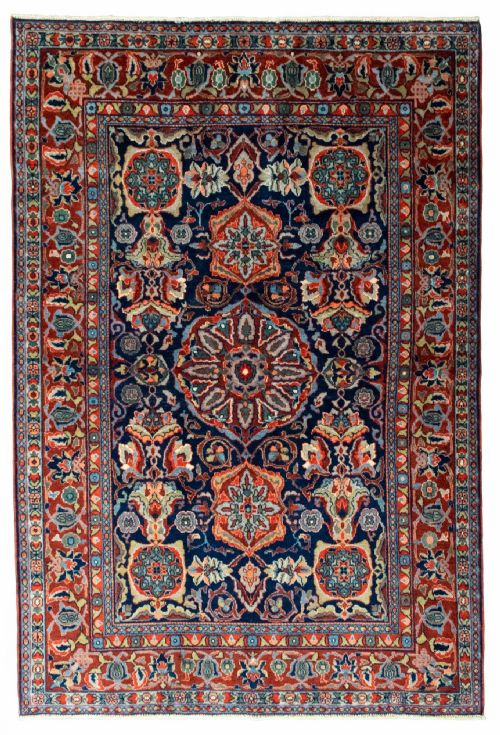
Traditional Floral Carpet Runner
A traditional floral carpet runner grounds a hallway with centuries of woven motifs.
Traditional Floral Carpet Runner
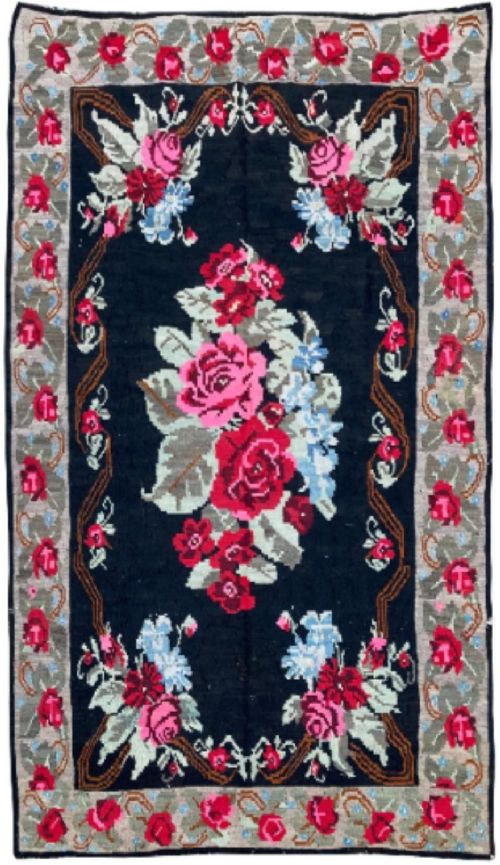
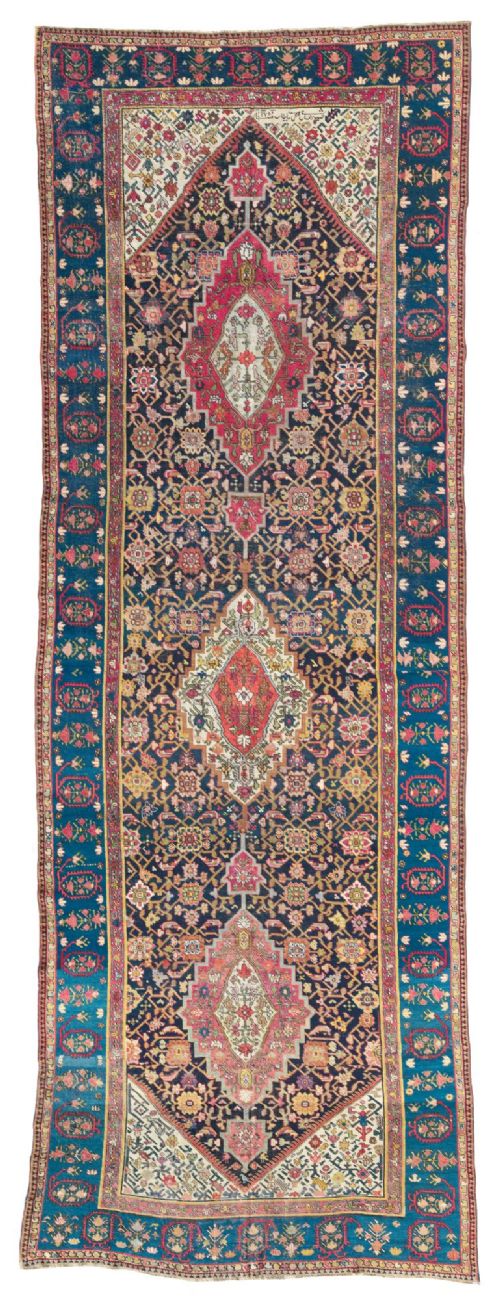
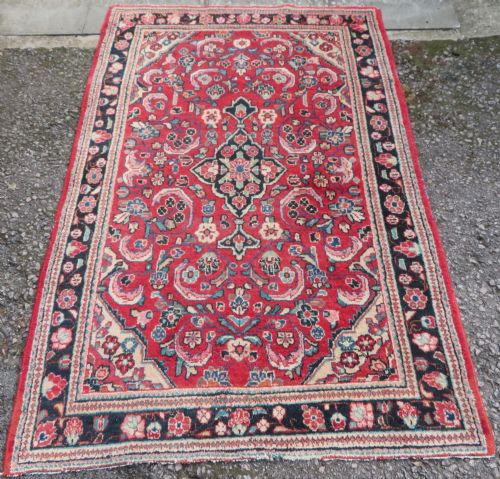
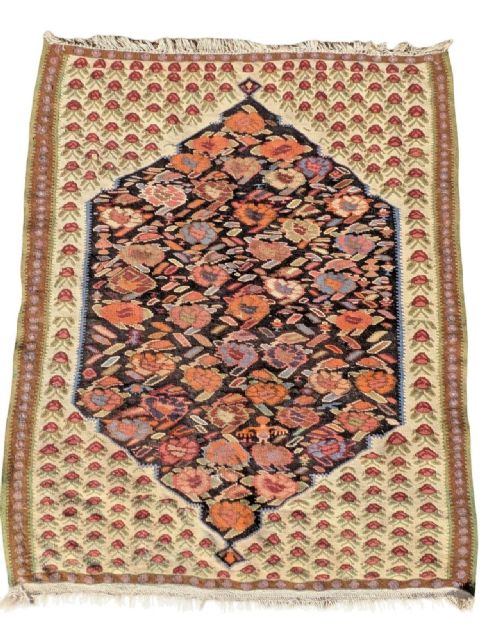
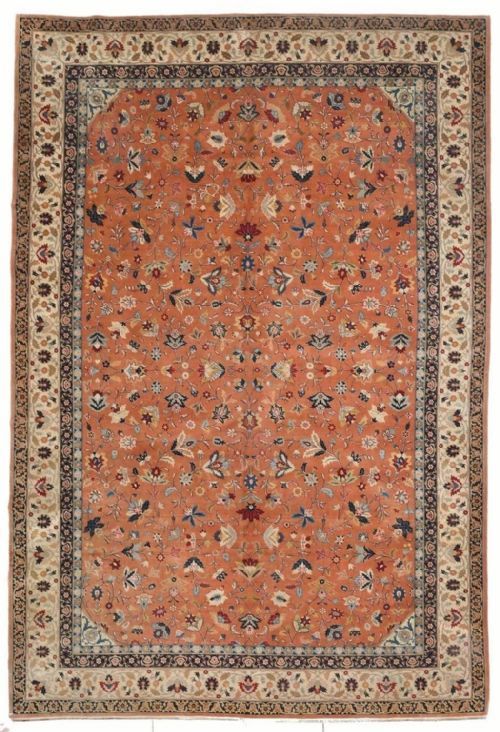
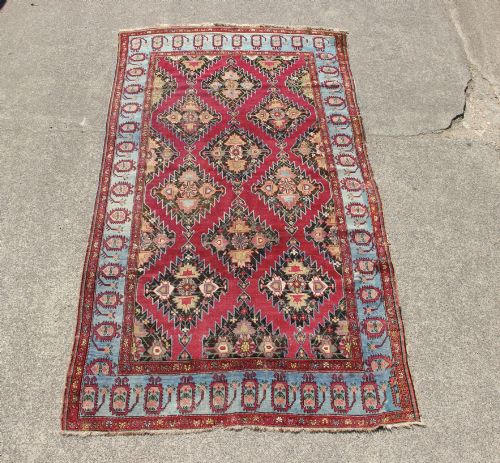
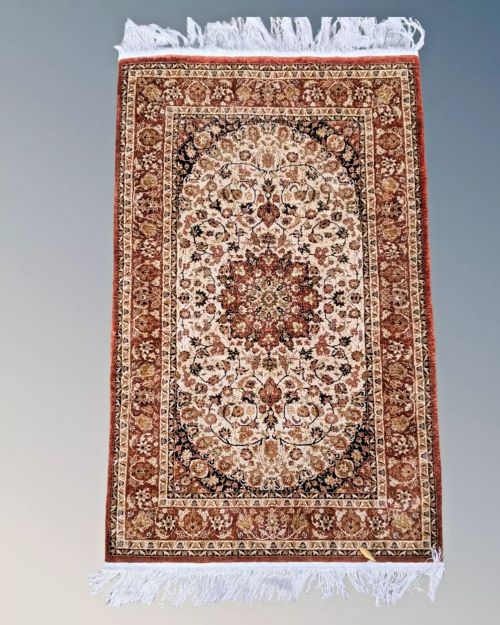
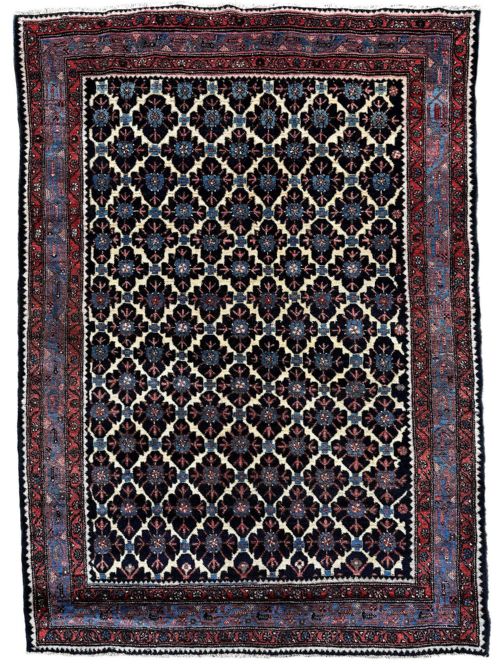
A traditional floral carpet runner is a long, narrow textile designed for corridors, stairs and narrow spaces, drawing the eye along the floor with repeating botanical patterns. When searching this phrase, buyers encounter elongated formats originating from Persian, Caucasian and Turkish weaving traditions, spanning the nineteenth and early twentieth centuries.
The pieces appearing on this page take the form of narrow runners, kelims and village carpets created in regions such as Sarouk, Ushak, Bakhtiari and Hamadan. These formats serve practical traffic areas while displaying intricate floral vines, medallions and garden layouts handed down through generations of makers.
How they were made
Weavers constructed these runners primarily using wool and cotton foundations, knotted or flat-woven by hand to withstand heavy domestic use. Silk and mercerised cotton also appear in specific regional examples, adding lustre to the pile.
Dyers utilised natural and early synthetic colourants to achieve rich tones across field and border details, while hand-spun fibres impart subtle variations in texture and shade along the length of the runner.
Several runners manage to squeeze entire botanical gardens into a hallway no wider than a stride.
What varies in quality
The fineness of the knot density and the precision of the botanical drawing dictate the upper tiers of quality in these runners. Tightly packed wool yields a resilient pile that retains crispness in floral motifs over decades of foot traffic.
Dye consistency and the complexity of the secondary borders also separate standard village weaving from master workshop production. A balanced palette and harmonious abrash denote careful material selection during creation.
The Traditional Floral Carpet Runner Glossary
- Pile
- The upright yarn loops that form the tactile surface of a woven runner. This layer absorbs friction and displays the design.
- Kilim
- A flat-woven textile produced without a raised pile. These pieces rely on interlocking warp and weft threads to form geometric and floral patterns.
- Warp
- The vertical foundation threads stretched lengthwise on the loom. Weft threads cross horizontally to lock the structure together.
- Abrash
- A natural variation in colour tone caused by changes in dye batches or wool lots. This characteristic appears as subtle horizontal bands across the field.
- Kelleh
- A large, oblong format traditionally used in domestic interiors. It sits between a standard rug and a full carpet in proportions.
Traditional Floral Carpet Runner: Frequently Asked Questions
Where should I place a runner?
These long formats suit narrow hallways, entryways and corridors where linear floor coverings protect timber and add visual warmth.
They also function effectively on staircases, provided the weave density and foundation strength match the demands of step edges.
How do I clean an antique runner?
Regular gentle vacuuming without a rotating brush roll removes surface grit from the wool pile safely.
Professional specialist cleaning remains necessary for deep maintenance to protect natural dyes and delicate silk or cotton foundations.
How do I identify the origin of a runner?
Specific knotting structures, border arrangements and characteristic floral motifs point toward particular weaving centres like Sarouk, Ushak or Bidjar.
Palette choices and wool characteristics further help distinguish Persian regional production from Caucasian or Anatolian work.