


Traditional Floral Artwork
Traditional floral artwork brings centuries of botanical beauty into a room through oil, watercolour and gouache.
Traditional Floral Artwork
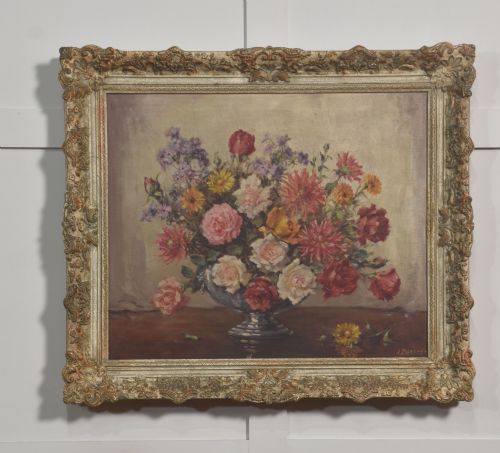
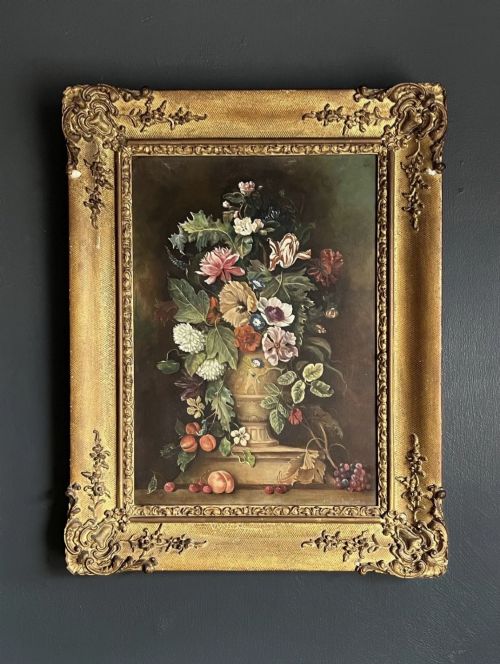
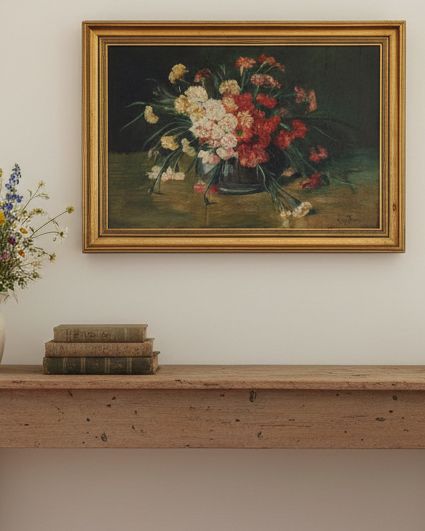
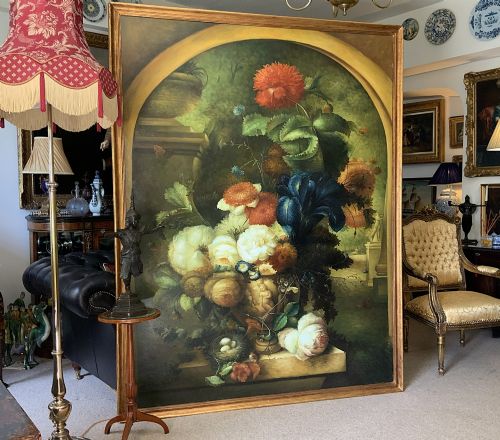
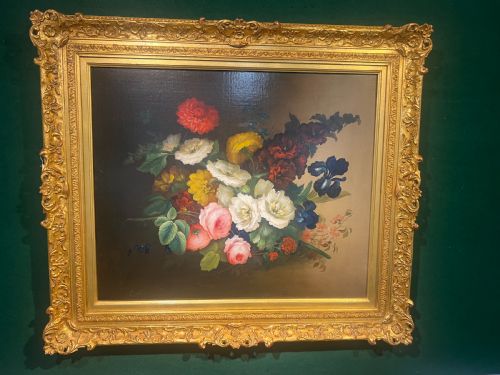
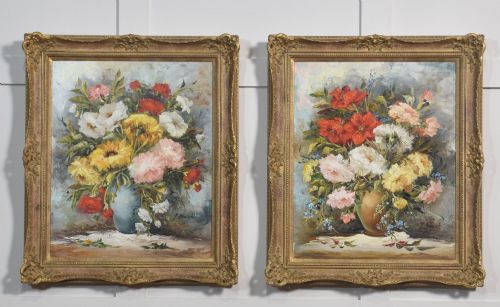
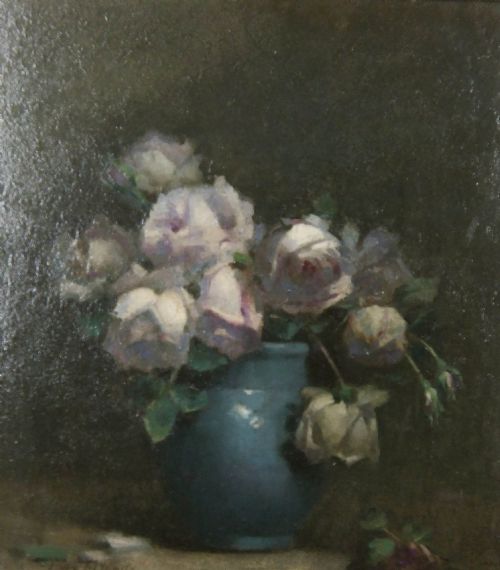
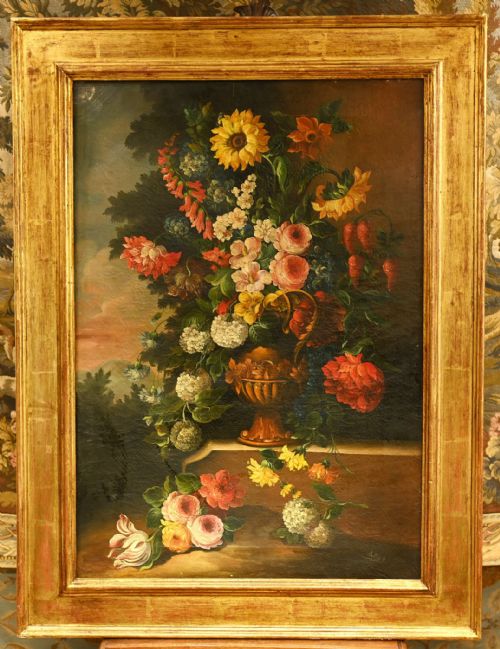
Traditional floral artwork encompasses paintings and wall art focusing on flowers, bouquets and garden scenes. When searching for traditional floral artwork, collectors encounter pieces spanning from the eighteenth century to the mid-twentieth century, including Victorian works and mid-century interpretations.
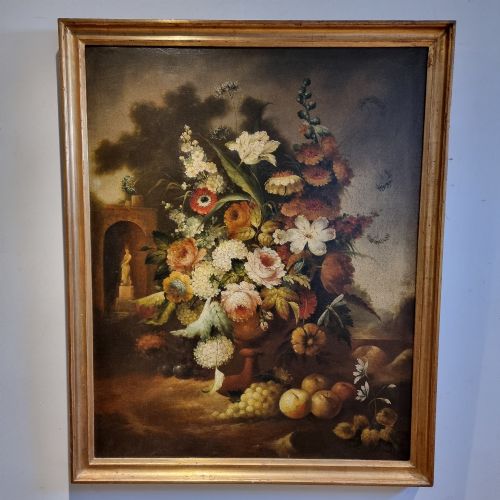
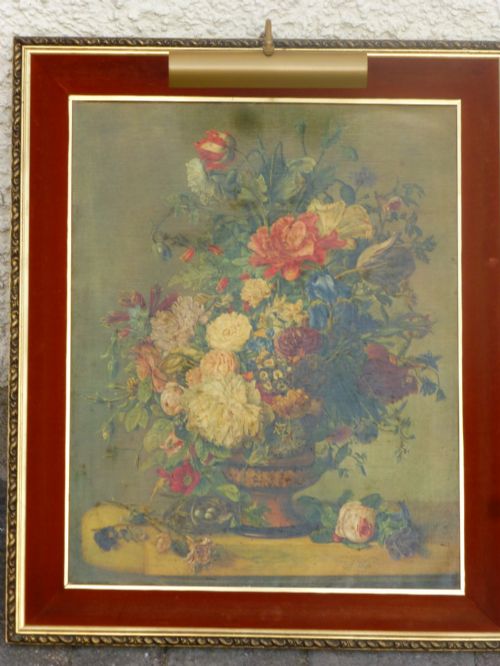
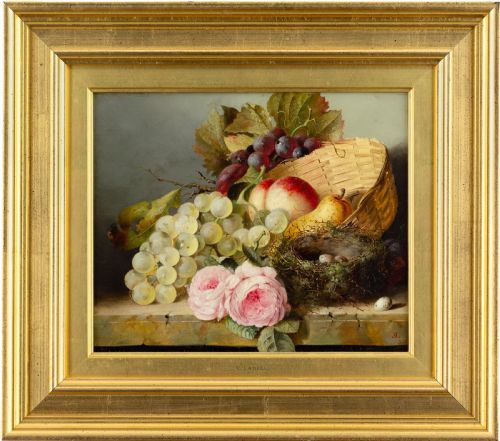
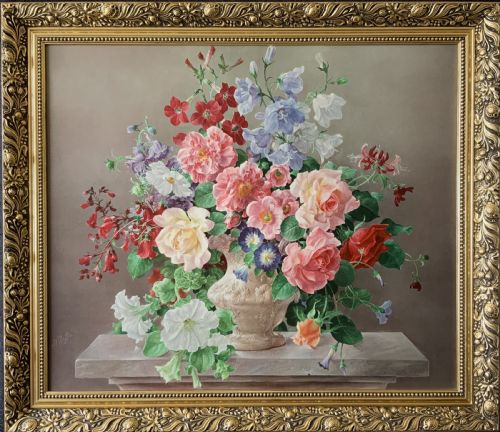
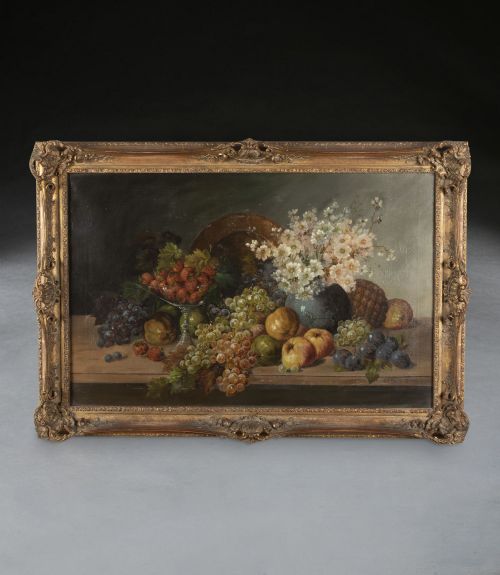
The selections available lean heavily towards oil paintings on canvas and watercolours on paper, often depicting still life compositions with roses, lilies, and summer flowers arranged in vases or baskets. Dutch style floral pieces and Flemish inspired arrangements dominate the historical forms within these offerings.
Materials and methods of creation
Artists utilise oil paint on canvas or wood panels, building up rich textures with brushes and sometimes incorporating gesso grounds for framing. Watercolours and gouache on paper or silk also appear frequently, capturing delicate botanical details with fluid pigments.
Framing forms an integral part of these pieces, with many works housed in period wooden or gilded gesso frames that complement the painted compositions. Reverse painted and etched mirror techniques add alternative decorative surfaces to the traditional canvas medium.
Materials span canvas, wood, oil paint, gesso, paper, and gilded wood across Victorian, Edwardian, and mid-century periods.
Distinctions in quality
The standard of execution in brushwork and botanical accuracy separates masterworks from simpler decorative studies. Subtle handling of light, shadow, and depth within the floral arrangement elevates a piece above standard mass-produced or derivative compositions.
The integration of the artwork with its original period frame contributes to the overall integrity of the piece. Superior examples exhibit harmonious colour palettes and balanced composition that reflect the specific artistic movements of their era, such as British Impressionism or Dutch Baroque Revival.
I. Berezny·Edward Ladell·Harold Clayton·Edwin Steele·Manuela Bonati·William Thomas Wood·Gertrude Hayes·Owen Bowen·William Edward Fox·Theresa Stannard·Terence Loudon·Robin MacKertich·Henry Schouten·Pierre Joseph Redoute·Charlotte Isa James·Emily Selinger·Margaret Evangeline Wilson·Harold Edward Conway·Jane Utley·Edgar Bundy
The Traditional Floral Artwork Glossary
- Still life
- A painting or drawing depicting inanimate subject matter, typically everyday objects such as flowers, fruit, or tableware. In botanical art, this usually centres on arranged floral subjects.
- Gesso
- A plaster mixture used as a smooth base for painting or applied to wooden frames before gilding. It provides a durable surface for ornate decorative moulding.
- Gouache
- An opaque watercolour paint consisting of natural pigment, water, and a binding agent such as gum arabic. It dries to a matte, velvety finish.
- Oleograph
- A mechanical colour lithograph printed on canvas to imitate an oil painting. These prints replicate the texture and appearance of genuine brushwork.
Traditional Floral Artwork: Frequently Asked Questions
What periods do these paintings cover?
The pieces span multiple centuries, ranging from eighteenth-century Baroque compositions to Victorian works and mid-twentieth-century post-war studies.
Mid-century interpretations sit alongside older nineteenth-century traditions, offering a broad chronological spread of botanical art.
How are these artworks typically framed?
Many works are housed in period wooden or gilded gesso frames that match the age and style of the painting.
Original frames enhance the historical context of the piece, though some artworks may require minor restoration to their surrounds.
What subjects feature in these artworks?
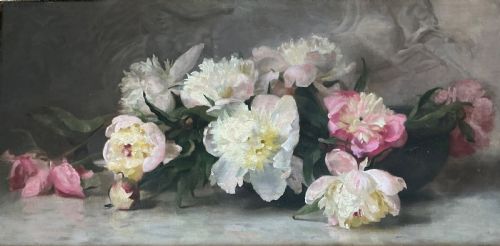
Common subjects include still life arrangements of roses, tulips, peonies, and summer flowers displayed in vases, jugs, or wicker baskets.
Certain pieces also explore garden views, architectural settings, and detailed botanical studies featuring butterflies alongside floral sprays.
Which mediums are most common?
Oil paint on canvas is widely represented, alongside watercolours and gouache on paper or silk surfaces.
Alternative decorative forms such as reverse painted and etched mirrors with floral motifs also appear within the selection.