

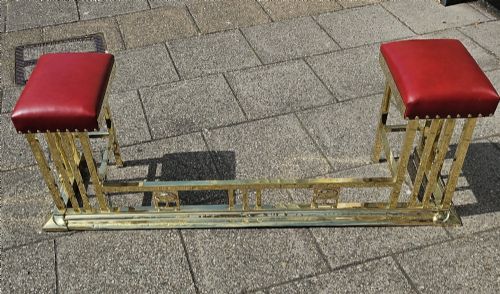


Traditional Fireside Bench
These traditional fireside bench pieces offer sturdy seating and warmth, anchored by sturdy timber and upholstered leather.
Traditional Fireside Bench
A traditional fireside bench spans sturdy settles and club fenders designed to sit directly by a hearth. They provide low seating or high-backed protection against draughts.
Most examples appearing here belong to the nineteenth and eighteenth centuries, taking the form of high-backed pine settles or brass and leather club fenders.
Makers utilised heavy timbers like oak and pine alongside wrought iron and brass to withstand the heat and daily use near an open fire.
How they were made
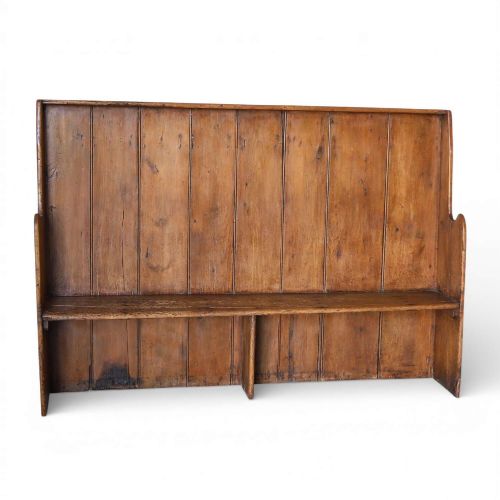
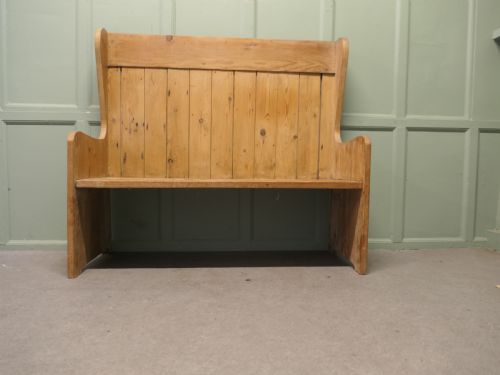
Carpenters joined heavy oak and pine using traditional framing methods to build high backs that blocked cold air from the room. Surfaces received simple finishes like paint or developed honey brown patinas over decades of use.
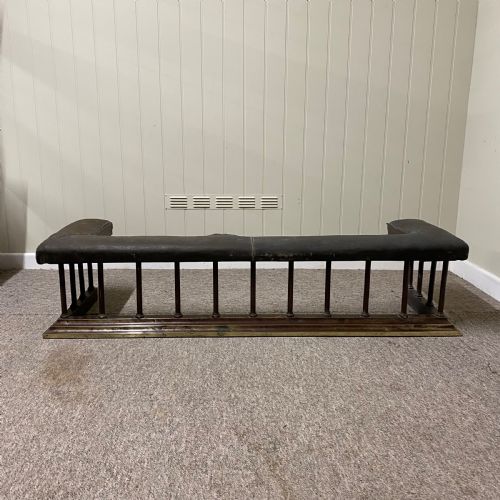
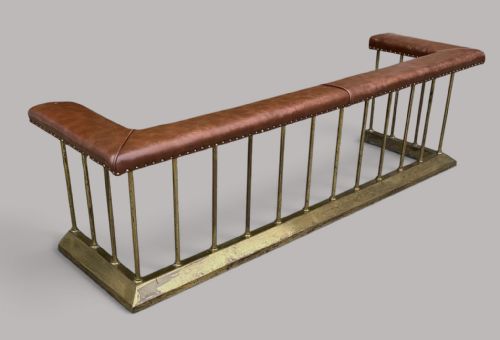
Metalworkers shaped brass and wrought iron to construct club fenders, frequently incorporating upholstered leather seats with metal studs. These materials combined structural strength with the comfort required for sitting close to the hearth.
Traditional Fireside Bench Retail Price Guide 2026
Typical asking prices for traditional fireside bench among the pieces listed under this phrase on Sellingantiques today, from the lower quarter to the upper quarter. They describe what is for sale here now, not the wider market.
Listings feature oak, pine, brass, wrought iron, and leather across pieces dating from the eighteenth century through to the early twentieth century.
What varies in quality
Quality rests upon the integrity of the timber framing and the original condition of materials like leather and brass. Substantial construction in oak or pine distinguishes the more enduring examples from simpler utility seating.
Subtleties in proportion and decorative restraint dictate the character of each piece. Painted surfaces and aged patinas show the natural evolution of the material rather than later alterations.
The Traditional Fireside Bench Glossary
- Settle
- A wooden bench with a high back, solid arms, and often a box base used to keep draughts away from the fire. These form a primary seating type found beside period hearths.
- Club fender
- A low, padded frame surrounding an open fireplace, traditionally topped with leather and supported by brass or wrought iron columns. It provides convenient seating close to the fire.
- Joint stool
- A sturdy wooden stool constructed with mortise and tenon joints, dating from earlier periods. They offer compact auxiliary seating near the hearth.
- Patina
- The surface sheen and colour developed by wood and leather through age, handling, and light exposure. A rich patina indicates long use without harsh restoration.
- Metal studs
- Small decorative or functional nails used to secure leather upholstery to the wooden or metal frames of club fenders. They add a traditional decorative border.
Traditional Fireside Bench: Frequently Asked Questions
What is a club fender?
A club fender is a low, padded seat built around the perimeter of an open hearth. It provides comfortable seating directly adjacent to the fire.
Most examples combine a brass or wrought iron framework with a leather-upholstered top supported by metal studs.
How were high-back settles used?
High-back settles were placed near fireplaces in country homes and pubs to block cold draughts. The solid wooden back kept warmth circulating around the seated person.
Many featured enclosed lower sections that prevented cold air from sweeping across the floorboards toward the hearth.
What woods are typical for these benches?
Pine and oak form the primary timbers found in these traditional seating pieces. Oak provides robust heavy framing, while pine offers a lighter domestic construction.
Surfaces often display natural honey brown patinas or historic painted finishes applied by earlier owners.
How do I care for leather seats?
Leather upholstery on club fenders benefits from occasional gentle cleaning and conditioning to maintain flexibility. Keeping the material away from direct excessive heat preserves the surface.
Avoid harsh chemical cleaners that strip the natural oils and diminish the historic finish of the hide.