



Victorian Hearth Seating
Victorian hearth seating brings solid brass, steel and timber frames together around the fire.
Victorian Hearth Seating
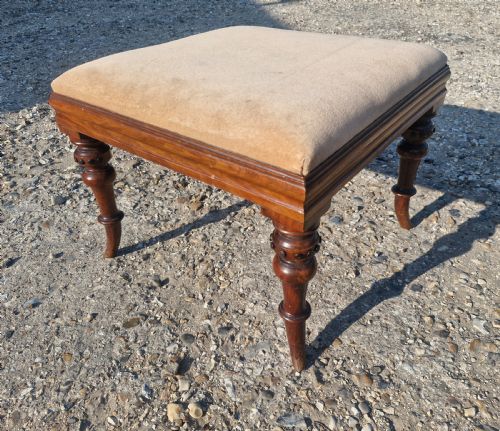
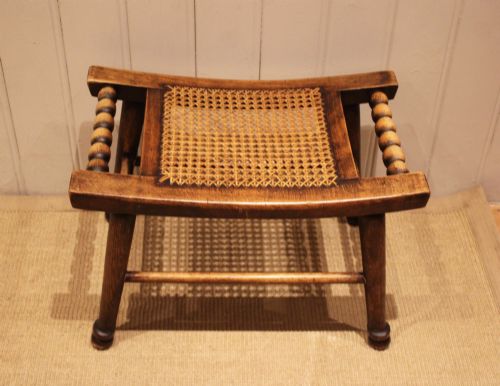
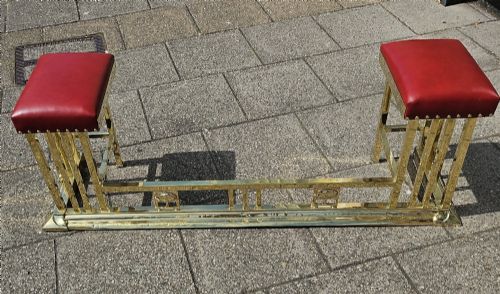
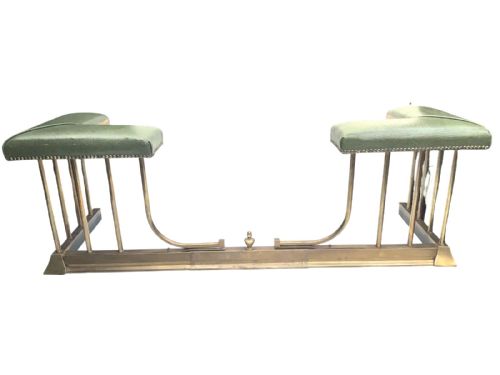
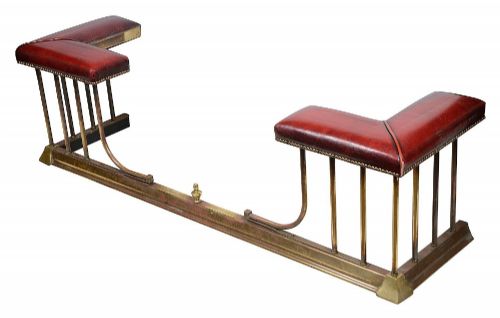
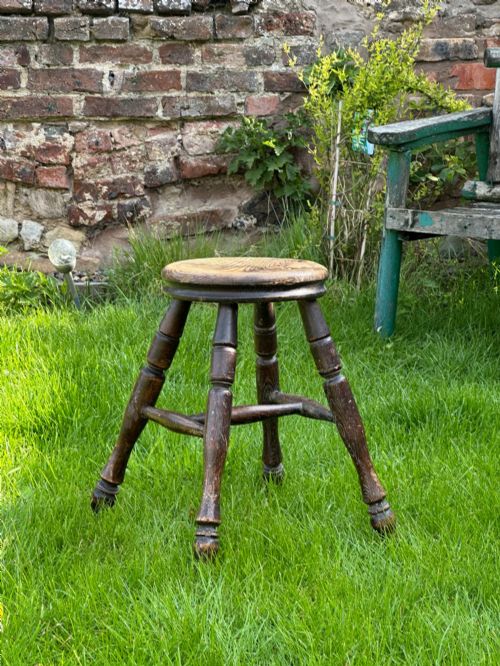
Victorian hearth seating encompasses sturdy club fenders, low stools and substantial armchairs designed for placement directly beside the fireplace. When you search for victorian hearth seating, you encounter robust club fenders constructed with upholstered bench seats mounted over metal frames, alongside diverse wooden stools.
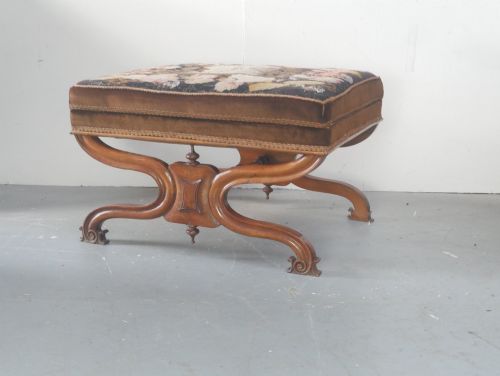
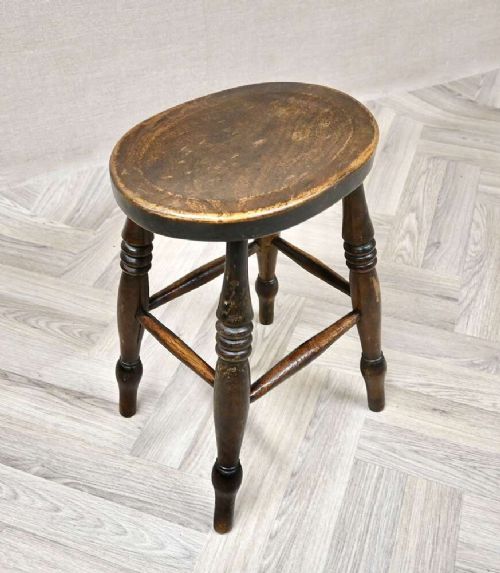
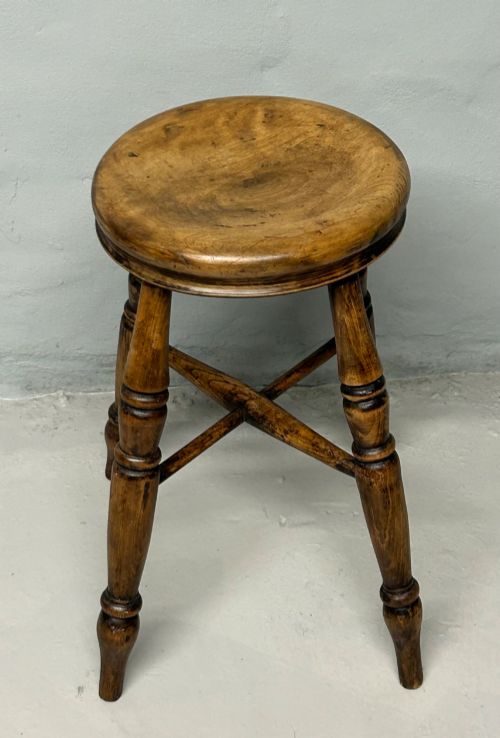
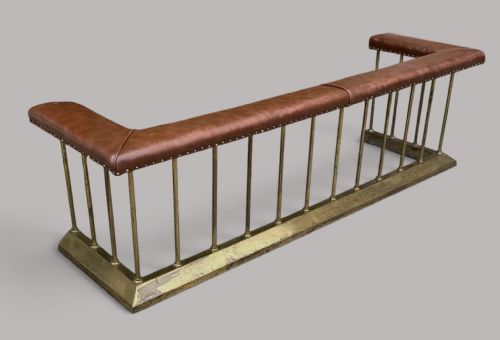
The selections span simple country tavern stools in beech and elm, carved walnut stools on cabriole legs, and expansive Windsor armchairs. Club fenders dominate the offerings, frequently incorporating leather seat pads supported by polished brass or cast steel uprights.
Materials and Construction
Makers utilised durable metals such as brass, copper, cast steel and wrought iron for the structural framework of club fenders, often pairing them with supple leather upholstery for the seats. Timber frames relied on native woods including elm, oak, beech, walnut and mahogany, shaped through traditional joinery and turning techniques.
Seated ceramic spaniels regularly stood guard by Victorian hearths, serving as silent companions to the evening fire.
Factors of Quality
Substantial weight and the gauge of metal dictate the integrity of a club fender, separating solid brass and heavy cast steel structures from lighter alternatives. The quality of the underlying timber frame and the precision of hand-carved walnut or oak determine the distinction in standalone stools.
Upholstery execution matters significantly, noting whether leather retains mature suppleness or needlepoint remains tight and intact. Original components, such as matched brass extenders and period-appropriate fixings, elevate the standing of any piece.
The Victorian Hearth Seating Glossary
- Club Fender
- A low, U-shaped fireside seat with upholstered top rails built over a metal base. This design allowed people to sit close to the hearth without blocking the heat.
- Cabriole Leg
- A furniture leg that curves outward and then tapers inward, finishing in a pad or foot. This style gained popularity during revival periods referencing earlier centuries.
- Windsor Armchair
- A wooden chair constructed with upright spindles inserted into a solid carved seat. These chairs often combine different woods like ash and elm for the seat and frame.
- Staffordshire Spaniel
- An earthenware figurine commonly placed on mantelpieces or hearths in pairs. These ceramic dogs were staple ornaments in Victorian domestic interiors.
- Needlepoint
- A type of canvas embroidery worked in counted stitches to create dense pictorial or geometric patterns. It frequently covers the drop-in seats of period stools.
Victorian Hearth Seating: Frequently Asked Questions
What is a club fender?
A club fender is a low, padded seat built around three sides of a fireplace hearth. It provides convenient fireside seating while protecting the room from stray sparks.
Most examples combine a sturdy metal frame of brass or steel with leather upholstery on top. They became popular in large country houses during the nineteenth century.
How do I choose the right size?
Measure the width and depth of your fireplace surround before selecting a fender or stool. Club fenders need sufficient clearance around the hearth opening to function properly.
Consider whether you want a compact model or an extra-large version with extended seating. The proportions should match the scale of your fireplace and mantelpiece.
Are these pieces suitable for daily use?
These items were built for practical domestic environments and remain entirely functional for everyday seating today. Solid timber frames and heavy metal fenders tolerate regular use remarkably well.
Leather upholstery and wooden surfaces benefit from basic conditioning to maintain their condition over time. Original textiles may require more careful treatment depending on their age.
How do I identify a Victorian piece?
Look for construction traits typical of the nineteenth century, such as heavy brass tubing, cast steel bases, and traditional wood turnings. Styles range from plain vernacular elm to ornate carved walnut and Scottish Baronial forms.
Materials like mature tan leather, earthenware spaniels, and pegged joinery help confirm the period context. Comparing the proportions and finishes to documented examples clarifies the date.