
Traditional Figure Painting
Traditional figure painting brings people, portraits, and pastoral groups from past centuries into the home.
Traditional Figure Painting
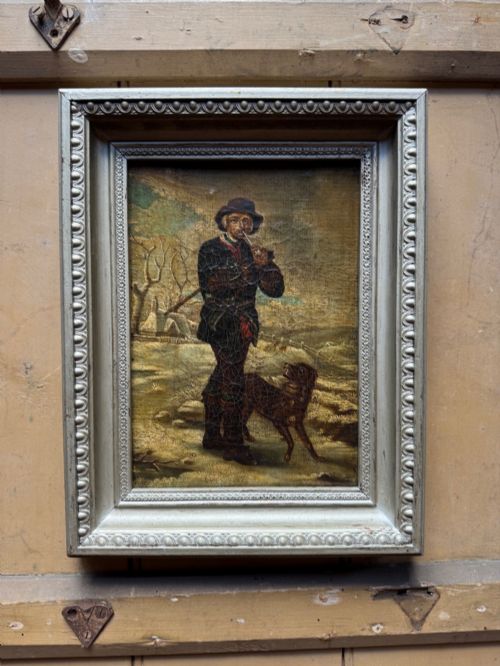
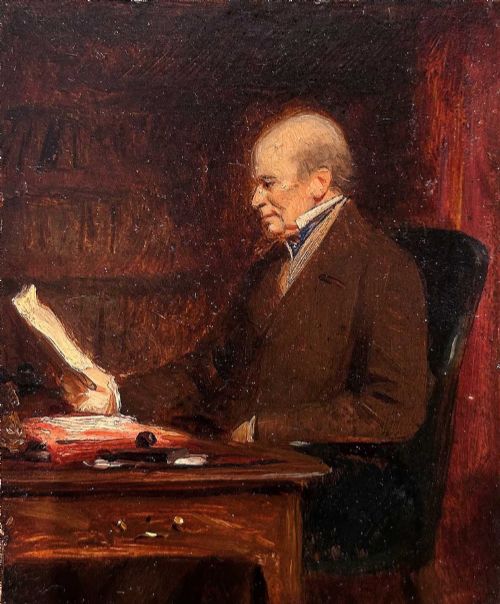
Traditional figure painting encompasses portraits and rural scenes populated by people, captured mostly in oil on canvas or wooden board. These works emerge from diverse movements such as the Norwich School, the French School, and British regional art.
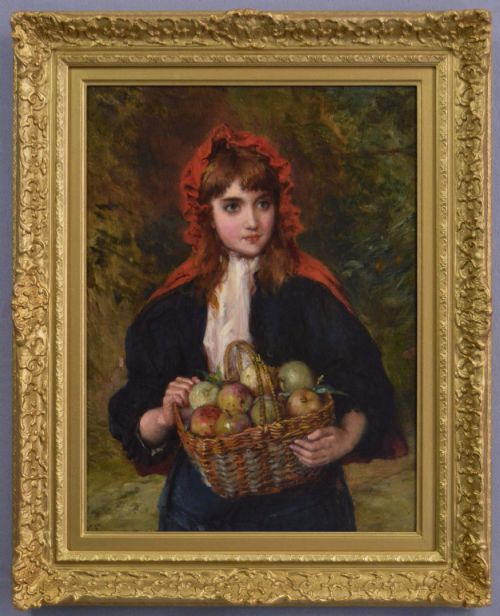
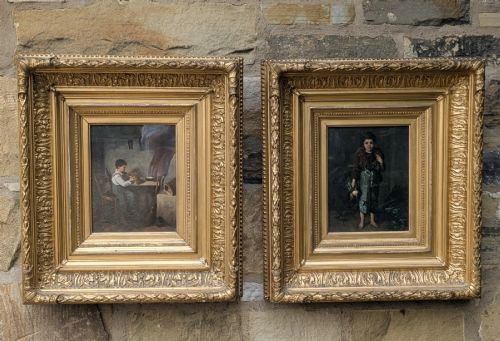
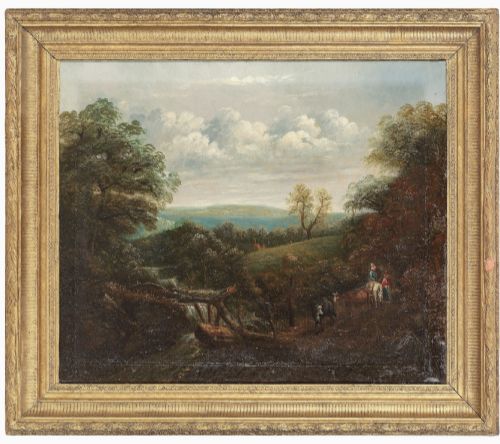
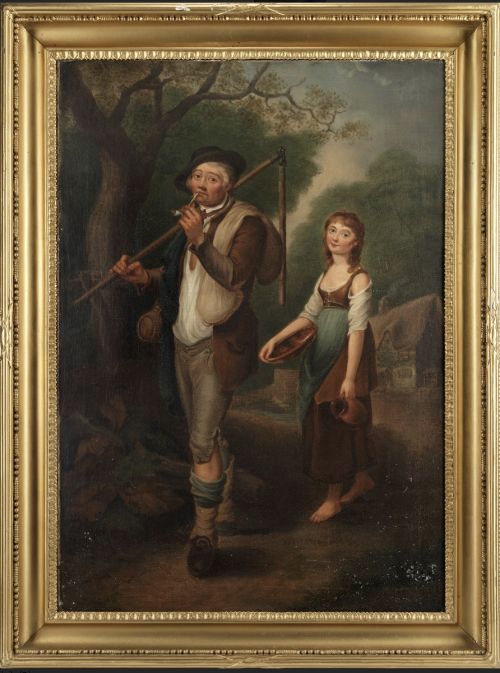
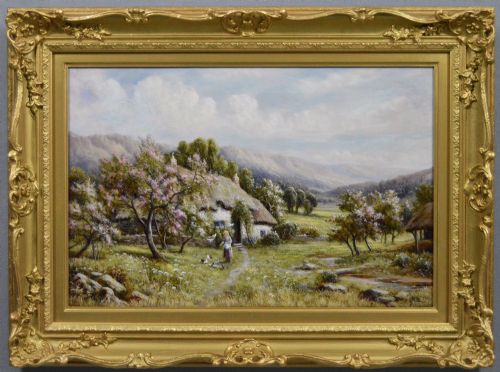
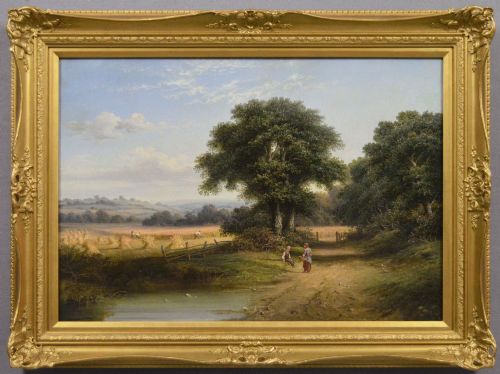
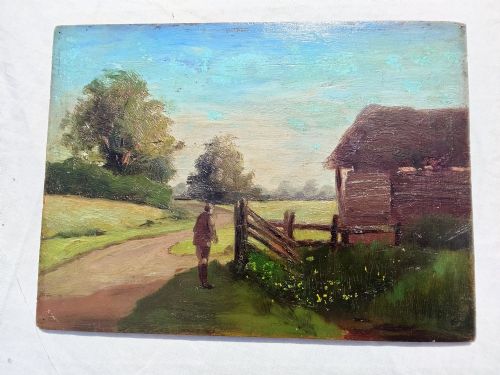
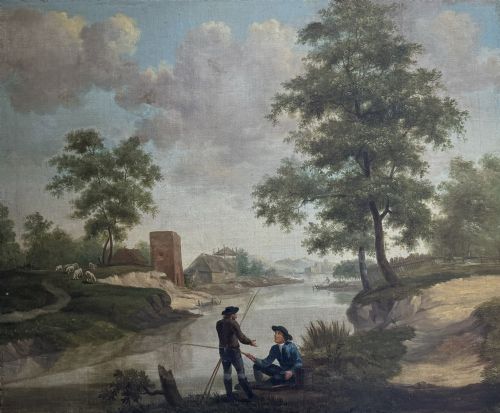
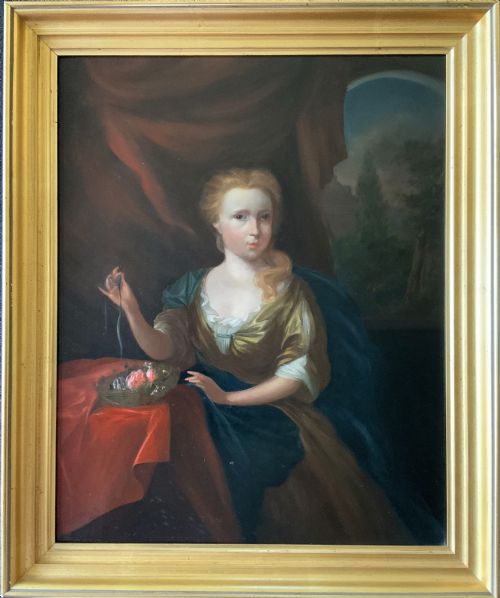
Buyers encounter portraits of young women, pairings of young boys, and pastoral landscapes featuring figures near harvest fields, cottages, or rivers. The pieces date largely from the eighteenth and nineteenth centuries, carrying the distinct palettes of those periods.
How they were made
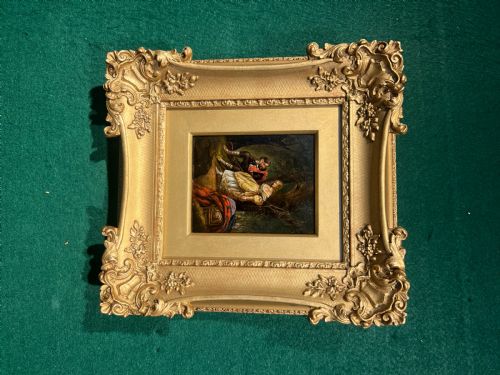
Painters applied oil paint to stretched canvas, wooden boards, or paper, often building depth with multiple translucent layers. Gesso and gilt wood frequently finished the frames that house these works.
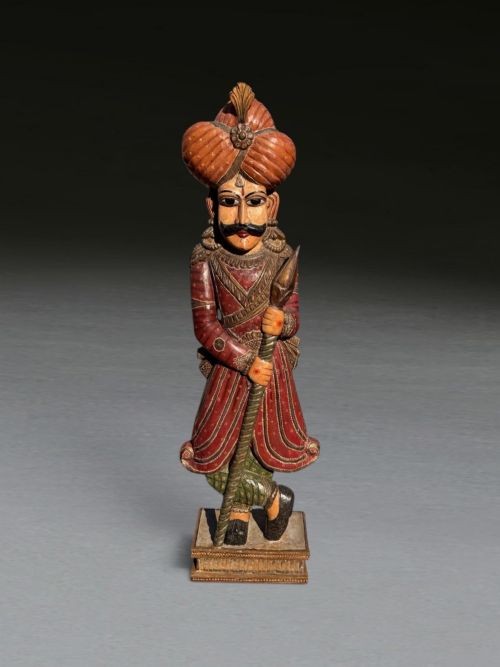
Watercolour served as an alternative medium for artists working on paper, while related figurative pieces utilised carved wood, lacquered surfaces, earthenware, and cast iron.
Listings feature works spanning the seventeenth through the twentieth centuries, employing canvas, wood, paper, and oil paint.
What varies in quality
The strength of the composition and the handling of light distinguish superior works from simpler decorative pieces. Masterful brushwork brings physical presence and psychological depth to human subjects.
Signed works attributed to documented artists or recognised regional schools carry distinct provenance that elevates the standing of the piece within the tradition.
William Oliver·Thomas Barker of Bath·Thomas W Lascelles·Robert John Hammond·Walter Heath Williams
The Traditional Figure Painting Glossary
- Oil on canvas
- Pigments bound in a drying oil applied to a woven fabric support. This method dominated portraiture and landscape painting through the eighteenth and nineteenth centuries.
- Norwich School
- A regional group of artists inspired by the Norfolk landscape and rural life. Members recorded local figures, cottages, and rivers with distinct naturalism.
- Gesso
- A plaster-like mixture applied to wood or canvas as a base for painting or gilding. It provides a smooth surface for the final layers.
- Genre painting
- The pictorial representation of scenes from everyday life, typically involving ordinary people engaged in common activities. These works focus on narrative rather than formal portraiture.
Traditional Figure Painting: Frequently Asked Questions
What periods do these paintings date from?
The works span several centuries, with a strong representation from the eighteenth and nineteenth centuries. Painters of the Georgian and Victorian eras dominate the selection.
Individual pieces also reflect early twentieth-century movements and specific regional schools of art.
How should I care for an oil painting?
Keep paintings away from direct sunlight and significant fluctuations in temperature or humidity. Stable conditions protect the canvas and the wooden stretcher bars.
Dust the surface gently with a soft, dry brush without applying pressure to the paint layer.
Are all the paintings signed by the artist?
Many works bear signatures, initials, or inscriptions left by the painter or later cataloguers. Attribution often relies on stylistic comparison with known regional schools.
Unsigned pieces frequently emerge from British, French, or Dutch traditions of the period.
What subjects appear alongside the human figures?
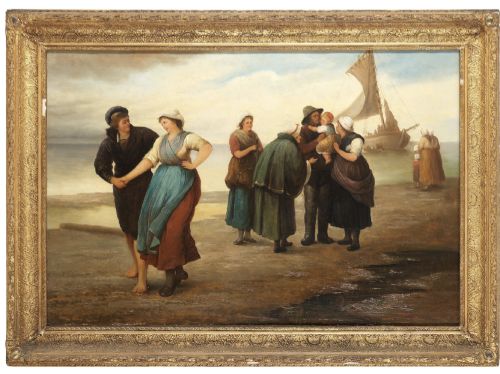
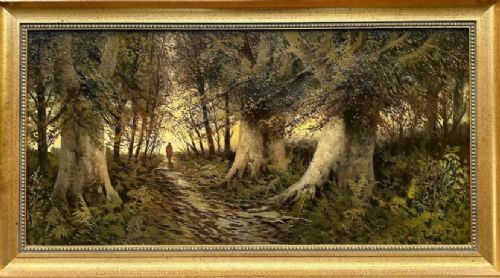
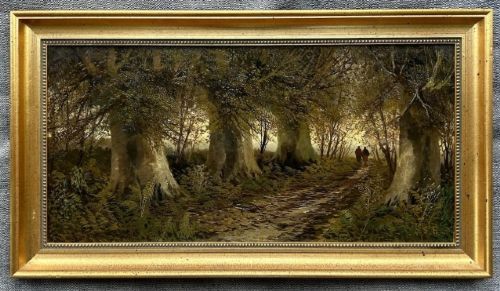
Human subjects are commonly set within landscapes, coastal views, or domestic interiors. Harvest fields, woodland paths, and riverbanks provide the standard backdrop.
Some compositions focus strictly on individual portraits or pairs of figures.