



Traditional Figural Art
Traditional figural art captures human form and character across diverse cultural traditions, offering buyers a rich tapestry of historical portraits, carvings, and painted scenes.
Traditional Figural Art
Traditional figural art encompasses a wide variety of pieces focusing on human representation, spanning oil paintings, watercolours, and carved wooden objects. Buyers exploring traditional figural art will encounter works ranging from Victorian genre paintings to African tribal carvings and Japanese Imari ceramics.
The selections on this page bridge multiple eras, predominantly featuring pieces from the nineteenth century alongside early twentieth-century creations. Portraiture, decorative planters, and ceremonial items form the core of what is available for collectors.
Materials and construction
Works in this category rely heavily on traditional artistic mediums such as oil paint and watercolour applied to canvas and paper. These two-dimensional pieces capture subjects with fine brushwork, reflecting the techniques of their respective periods.
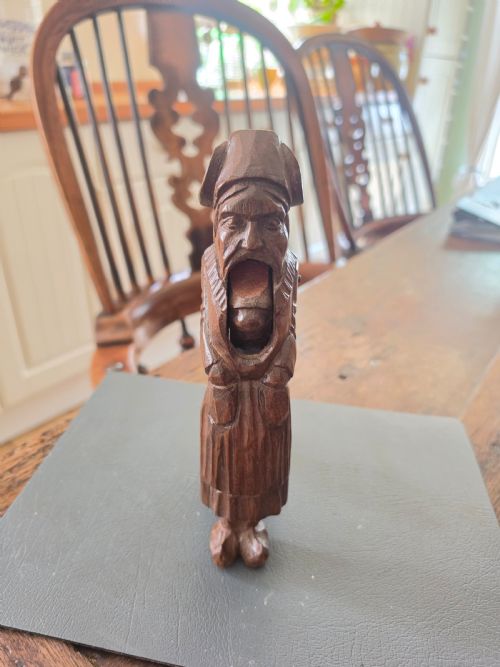
Carved pieces utilise various woods, including hard wood and oak, alongside bone and terracotta for three-dimensional objects. Artisans shaped these materials using hand-carving methods to produce detailed nutcrackers, headrests, and functional decorative items.
Traditional Figural Art Retail Price Guide 2026
Typical asking prices for traditional figural art among the pieces listed under this phrase on Sellingantiques today, from the lower quarter to the upper quarter. They describe what is for sale here now, not the wider market.
Listings feature periods from the nineteenth century up to the nineteen-forties, using canvas, paper, wood, oak, glass, and terracotta.
Assessing quality and execution
Quality in these pieces depends on the precision of the carving or brushwork and the expressive depth of the human figure. Finer examples display meticulous attention to anatomical detail and cultural authenticity.
The integrity of the material and the preservation of the surface finish further distinguish superior examples. Pieces that retain their original patination and pigment offer a clearer connection to the maker's hand.
John Robert Dicksee·James Hardy Junior·Madeline Hughes
The Traditional Figural Art Glossary
- Genre painting
- Depictions of aspects of everyday life by depicting ordinary people engaged in common activities. These works provide insight into social history and domestic routines.
- Imari
- A type of Japanese porcelain decorated in underglaze blue and overglaze red, gold, and other colours. It represents a significant tradition in decorative ceramics.
- Headrest
- A carved wooden support used in various cultures to elevate the head during sleep and protect elaborate hairstyles. They often feature intricate figural carvings.
- Watercolour
- A painting method in which the paints are made of pigments suspended in a water-based solution. It allows for translucent layers of colour on paper.
Traditional Figural Art: Frequently Asked Questions
What defines traditional figural art?
Traditional figural art encompasses paintings, carvings, and objects that focus centrally on the human form. These pieces span various global cultures and historical periods.
Collectors find everything from detailed oil portraits to tribal ceremonial spoons and carved wooden figures within this diverse category.
How do I care for antique paintings?
Antique canvas and paper works require stable environmental conditions away from direct sunlight and excessive moisture. Proper framing helps protect them from atmospheric pollutants.
Gentle dusting with a soft, dry cloth is usually sufficient for maintenance, avoiding liquid cleaners on delicate surfaces.
Where were reverse paintings on glass made?
Reverse glass painting involves applying pigment to the back of a glass panel so the image is viewed through the front. This technique flourished in various decorative traditions.
Artists utilised this meticulous method to achieve glossy surfaces and vibrant colours that resisted fading over time.