



Traditional Farmhouse Dresser
Traditional farmhouse dressers are sturdy utilitarian storage furniture built from pine and oak that anchor a kitchen with honest country character.
Traditional Farmhouse Dresser
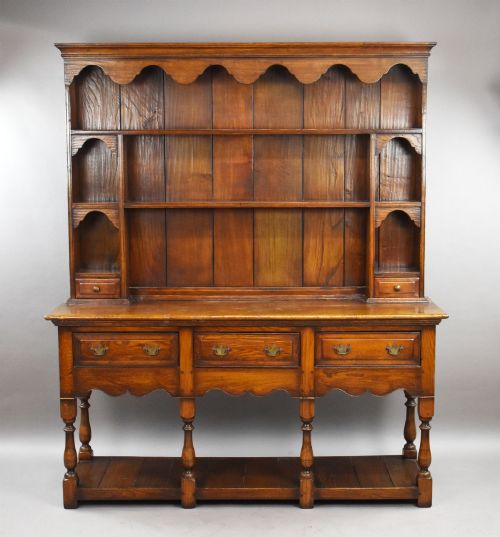
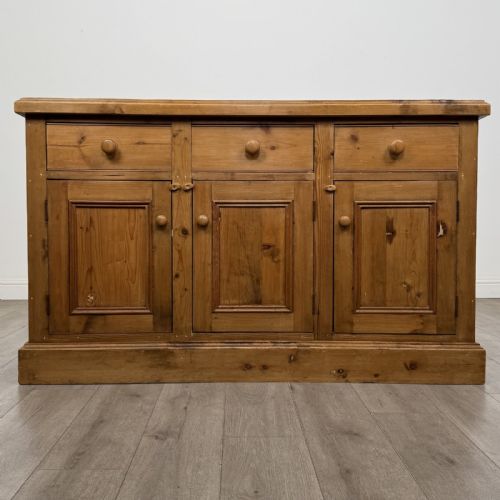
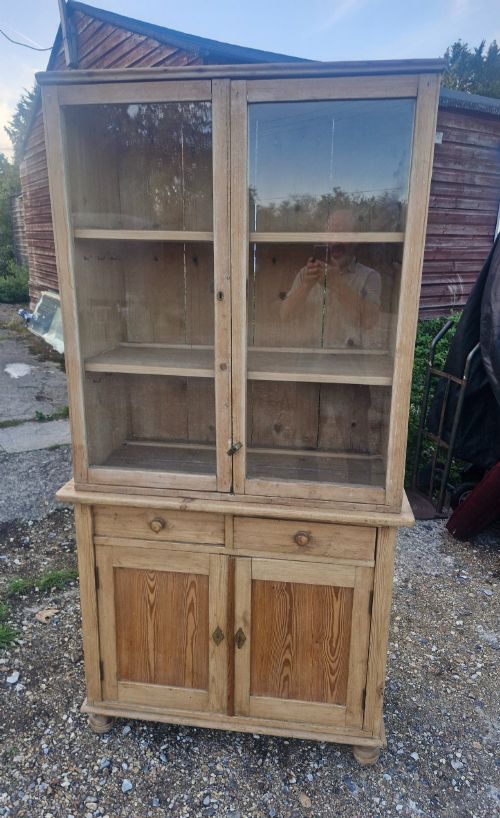
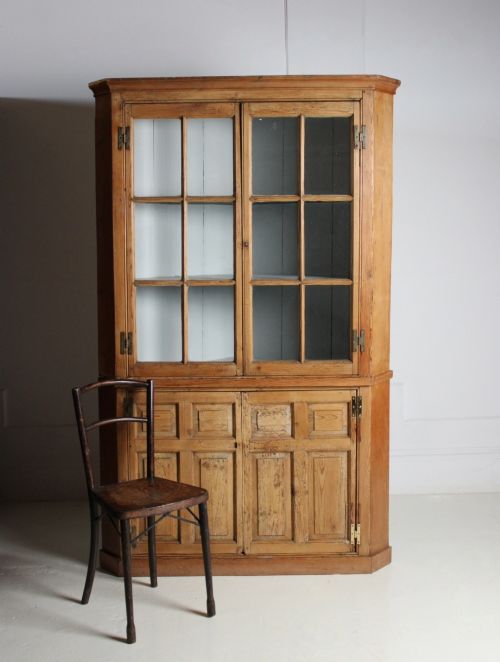
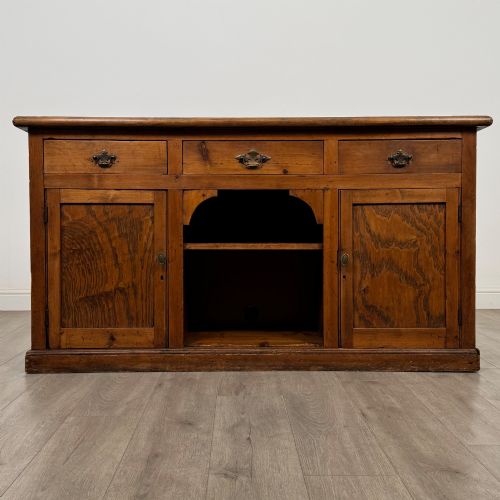
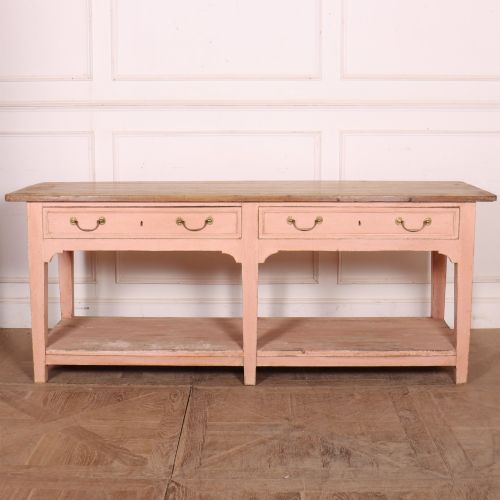
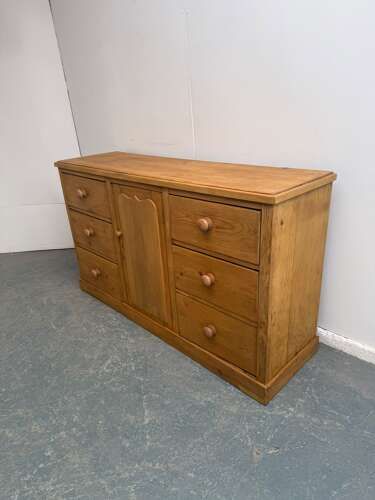
A traditional farmhouse dresser serves as the primary storage and display piece in a country kitchen, encompassing tall two-part kitchen cupboards, open dresser bases, and potboard servers. These pieces span the eighteenth century through the Victorian era, offering substantial storage through banks of drawers and lower cupboards combined with upper plate racks or shelving.
The most common formats met on this page are nineteenth century pine dresser bases and kitchen cupboards, often featuring waxed finishes or original paint. Variants range from English country house and rustic farmhouse styles to French provincial and alpine folk art examples.
Object types stretch from kitchen dressers and hutch combinations to narrow potboard servers and glazed corner cupboards. Each piece reflects the functional requirements of historic domestic spaces, prioritising generous proportions and practical utility over ornamental display.
Materials and construction
Solid pine and oak form the structural core of these traditional farmhouse dressers, supplemented by chestnut in continental European examples. Woods were selected for local availability and durability, frequently left in a natural waxed state or finished with early painted surfaces.
Joinery relies on traditional hand-cut methods suited to heavy daily use in domestic kitchens, including panelled doors and robust drawer construction. Brass hardware and glass panels appear on selected later nineteenth century variations, while gallery backs and potboards provide distinct structural framing.
Traditional Farmhouse Dresser Retail Price Guide 2026
Typical asking prices for traditional farmhouse dresser among the pieces listed under this phrase on Sellingantiques today, from the lower quarter to the upper quarter. They describe what is for sale here now, not the wider market.
Many a nineteenth century pine dresser base still bears faint flour dust or spice rings trapped deep within the grain from decades of kitchen service.
Distinguishing quality in country furniture
Quality in a traditional farmhouse dresser rests upon the integrity of the timber selection and the preservation of original surfaces, whether waxed pine or authentic old paint. Substantial thickness in the construction timber and uncompromised structural frames separate superior pieces from standard utility items.
Proportion and detail articulation also divide the range, from simple functional carcass work to finely executed panelled doors, gallery backs, and integrated potboard bases. The survival of untouched patination and original brass or wooden fittings elevates the standing of an individual piece.
The Traditional Farmhouse Dresser Glossary
- Potboard
- A lower open shelf built into the base of a dresser, historically used for storing heavy pots and pans off the damp flagstone floor. This architectural feature distinguishes specific regional English and continental formats.
- Dresser Base
- The lower section of a kitchen dresser, functioning as a standalone sideboard or serving surface with drawers and cupboards. These pieces provide heavy-duty surface space and enclosed storage.
- Gallery Back
- A raised wooden barrier attached to the rear edge of a top surface or chest, designed to prevent items from sliding off. This detail adds decorative height and practical containment.
- Pine
- A softwood widely utilised in British and European country furniture due to its abundance and workability. It accepts wax and paint finishes readily, developing a deep patina over centuries of use.
- Folk Art
- Decorative work produced within a traditional community culture, often characterised by vernacular styles and hand-applied painted finishes. Alpine examples demonstrate distinct regional carving and pigment application.
Traditional Farmhouse Dresser: Frequently Asked Questions
What is a traditional farmhouse dresser?
A traditional farmhouse dresser is a utilitarian storage unit built from solid woods like pine and oak, designed for domestic kitchens to hold tableware and provisions. They typically combine lower cupboards and drawers with upper shelving or display racks.
These pieces originate mainly from the eighteenth and nineteenth centuries, reflecting regional vernacular styles across Britain and Europe.
How were these dressers used historically?
Historically, these dressers acted as the hardworking heart of the kitchen, storing everyday ceramics, linens, and dry goods while providing a sturdy worktop for food preparation. Open potboards and shelves kept frequently used dishes within immediate reach.
In larger country houses and farmhouses, they evolved from purely functional storage into prominent furniture displaying the household's utility ware.
How do I style a farmhouse dresser at home?
Live with a traditional farmhouse dresser by using its open shelves to display everyday ceramics, glassware, and kitchenalia, letting the honest wood grain or original paintwork anchor the room. The generous surface and lower cupboards provide practical storage for modern dining linens and tableware.
Position the piece against a dining room or kitchen wall where its substantial proportions can provide both visual weight and functional utility.
How do I tell nineteenth century pine from later wood?
Nineteenth century pine displays deep patination, hand-cut joinery marks, and timber density achieved through slow growth over generations. The surface texture typically shows the softening effects of long-term waxing and domestic wear.
Examining the drawer construction, backboards, and interior fixings reveals the hand-tool methods characteristic of Victorian workshop production.