




Traditional English Tableware
Traditional English tableware brings centuries of refined dining heritage to the table through durable ceramics and sterling silver.
Traditional English Tableware
Traditional English tableware comprises functional and decorative items designed for dining and serving, spanning multiple centuries of craftsmanship. When exploring traditional english tableware, buyers encounter an array of forms ranging from expansive hand-painted dinner services to individual decorative plates and serveware. The pieces available draw from diverse periods including the Georgian era, the nineteenth century, and the early twentieth century.
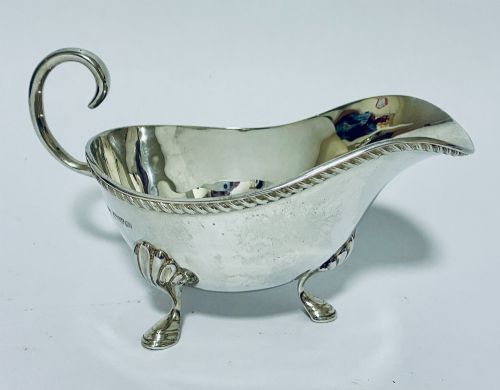
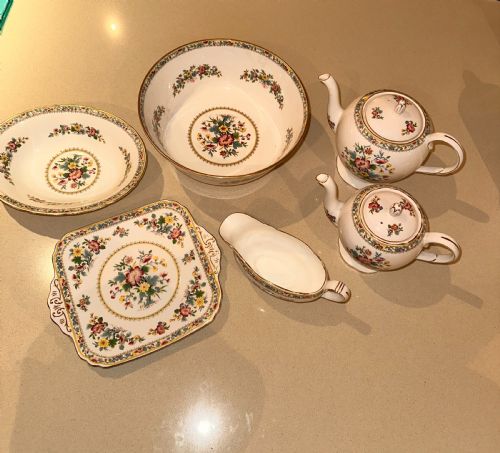
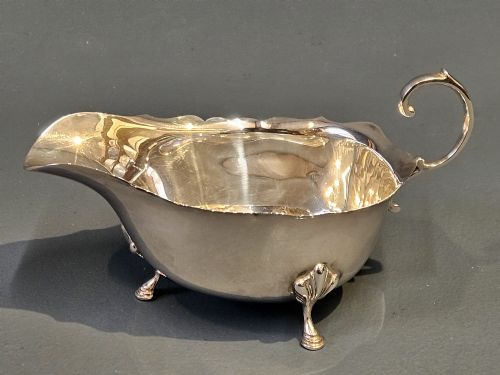
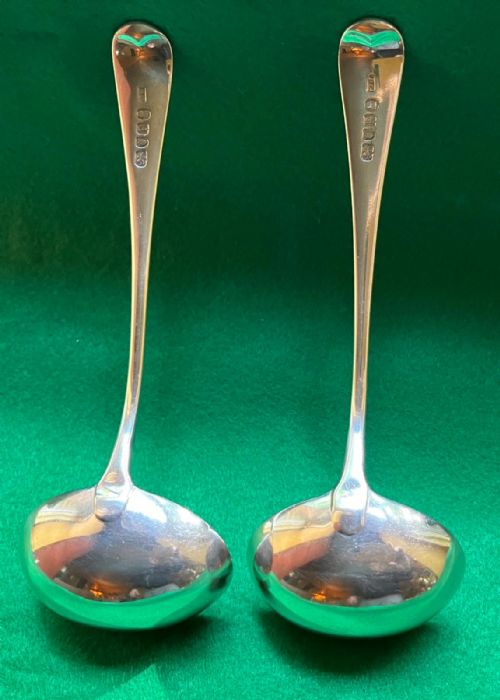
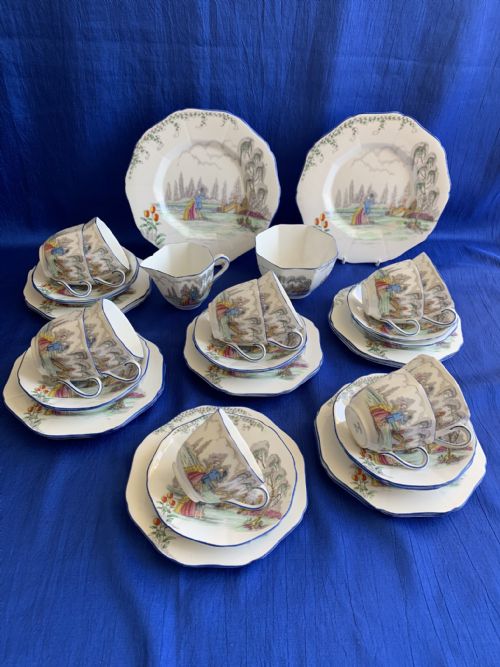
Serveware and dinnerware form the core of these listings, featuring specialised items such as sauce boats, sauce ladles, loving cups, platters, milk jugs, and cow creamers. Earthenware, ironstone, porcelain, and sterling silver dominate the physical forms, often decorated with transfer-printed scenes, gold leaf, or enamel. Buyers are most likely to meet nineteenth-century earthenware plates, twentieth-century bone china teasets, and sterling silver sauce boats on this page.
How they were made
Ceramic pieces in this selection rely on traditional potteries utilising earthenware, ironstone, porcelain, and bone china bodies. Potters shaped these materials into plates, jugs, and vessels before applying hand-painted details, transfer printing such as the native pattern, or rich glaze finishes.
Metal items are formed from sterling silver or pewter, shaped into functional serving utensils like sauce ladles and sauce boats. Master metalsmiths hammered, cast, and polished these metallic wares to create durable dining implements intended for daily household use.
A cow with a glossy black glaze stands ready to pour your morning milk.
What varies in quality
Quality in traditional English tableware rests on the crispness of the manufacturing execution, whether in the depth of a silver hallmark or the precision of a transfer-printed ceramic motif. Hand-painted details and the application of gold leaf demand steady artistic skill, separating masterworks from standard production pieces.
The choice of body material also dictates the standard of the piece, with fine bone china and heavy sterling silver representing elevated manufacturing ambitions compared to standard utility earthenware.
Masons·Royal Worcester·William Adams·Sutherland
The Traditional English Tableware Glossary
- Ironstone
- A heavy, durable type of earthenware patented in the nineteenth century to imitate porcelain. It resists chipping far better than standard pottery while maintaining a bright white glazed surface.
- Transfer printing
- A decoration technique where an engraved copper plate transfers a design onto paper, which is then pressed onto the ceramic body. This method allowed intricate scenes like the native pattern to be reproduced consistently.
- Loving cup
- A large ceramic or metal two-handled drinking vessel traditionally passed among guests at banquets and celebrations. Royal Worcester examples often elevate this form into highly decorative cabinet pieces.
- Sauce boat
- A small pitcher designed specifically for serving gravies or sauces at the dining table. They frequently feature an integrated stand and a comfortable pouring spout.
- Cow creamer
- A whimsical ceramic container shaped like a cow, with milk poured through an opening on the back and dispensed via the animal's mouth. Jackfield pottery examples typically feature a glossy black glaze.
Traditional English Tableware: Frequently Asked Questions
What is ironstone tableware?
Ironstone is a dense, durable ceramic developed in the nineteenth century as a robust alternative to porcelain. It bridges the gap between everyday utility earthenware and fine china.
Items made from ironstone, such as plates and platters, resist chipping and heavy wear while holding bright glazes and transfer prints remarkably well over generations of use.
How do I use sauce ladles?
Sauce ladles are small serving spoons with deep bowls designed specifically for portioning gravies, creams, and sauces from a boat or jug. They complement matching silver or ceramic serveware.
In a modern setting, these ladles serve wonderfully at the dining table for passing sauces during formal meals or Sunday roasts.
What is a cow creamer?
A cow creamer is a novelty ceramic vessel shaped in the form of a cow, used historically to serve milk or cream at the table. Liquid is poured through a hole on the back and poured out of the mouth.
These whimsical pieces sit charmingly on display cabinets or breakfast tables, offering a distinct conversation starter for collectors of quirky ceramics.
How are teasets dated?
Dating teasets involves examining the pottery marks stamped or printed on the base, along with stylistic cues in the shape and decorative patterns. Bone china teasets from the early twentieth century often feature specific factory ciphers.
Comparing the floral motifs and handle shapes against known production eras helps narrow down the decade of manufacture.