




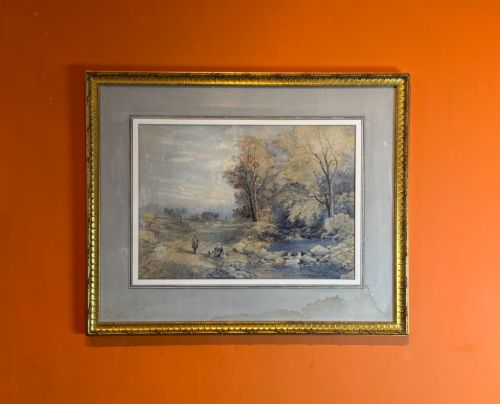
Traditional English River Scene
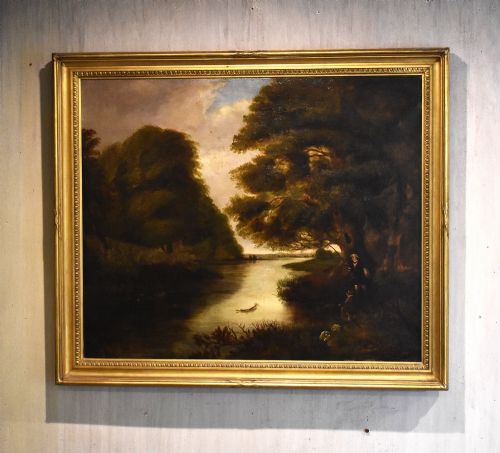
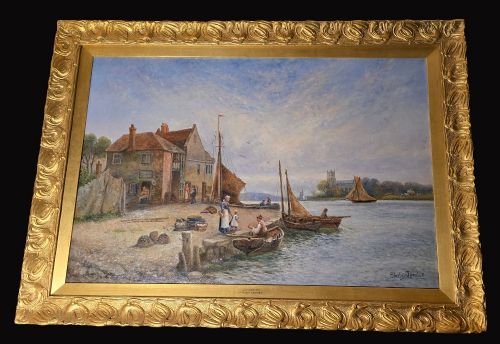
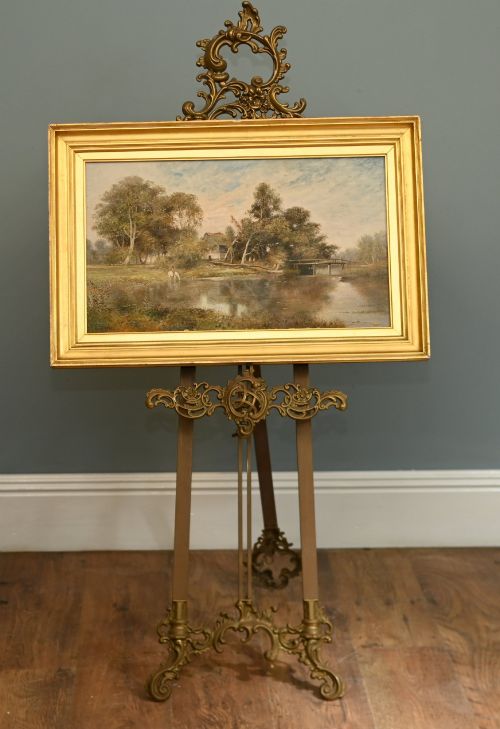
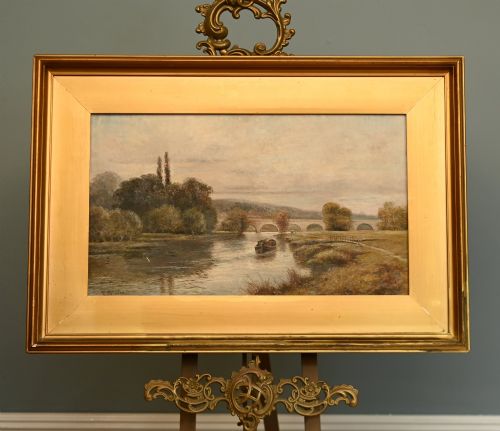
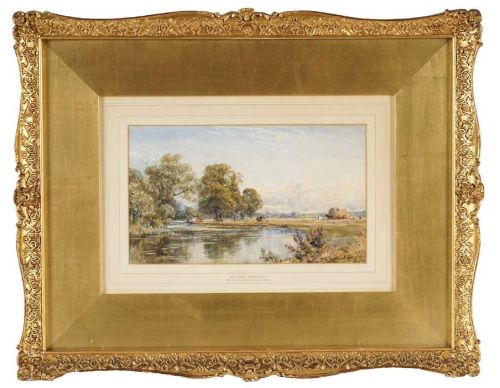
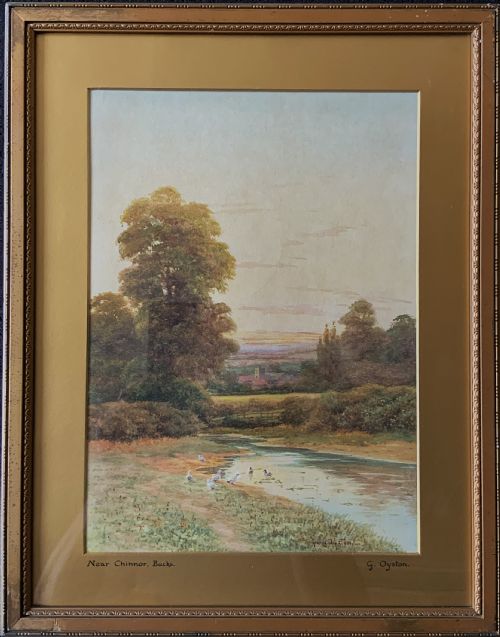
A traditional english river scene captures the pastoral calm of nineteenth and early twentieth-century waterways through detailed brushwork and atmospheric watercolours.
Traditional English River Scene
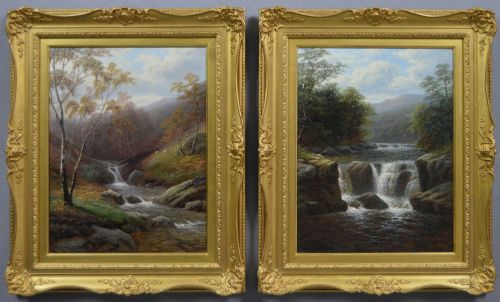
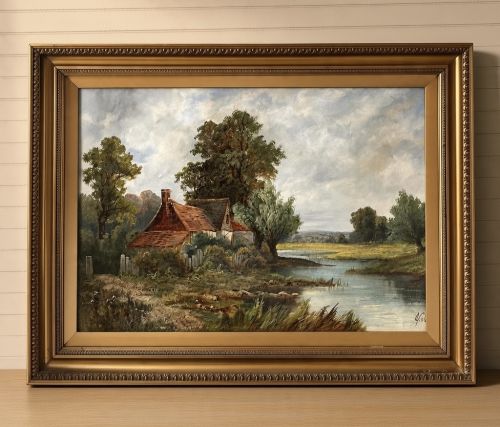
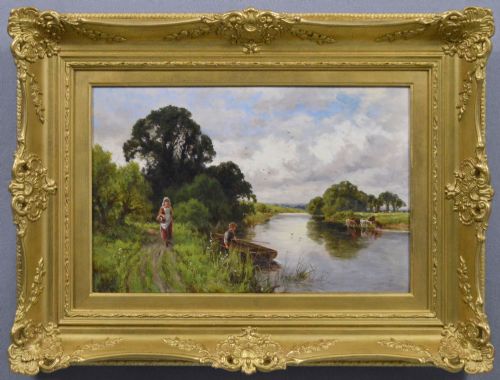
A traditional english river scene depicts rural waterways, locks, and pastoral riverbanks painted across the nineteenth and early twentieth centuries. These works span Victorian and Edwardian periods, capturing recognizable locations such as the Thames, the Severn, and various regional streams.
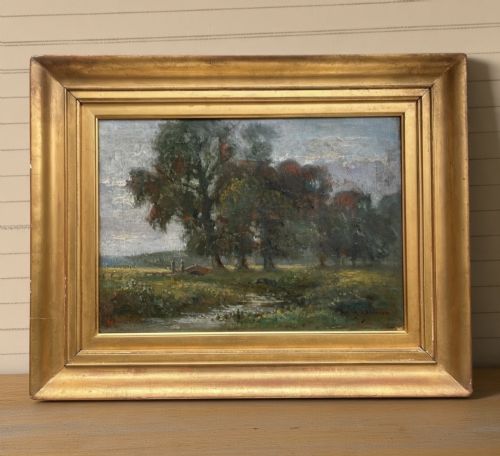
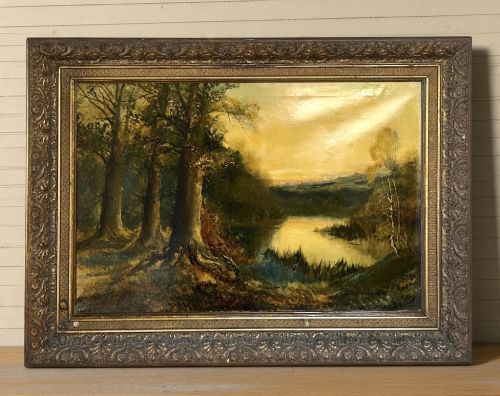
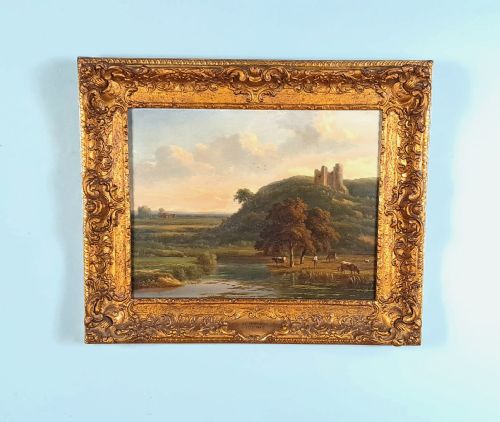
The pieces on this page appear primarily as oil paintings on canvas or wood panel, alongside delicate nineteenth-century watercolours on paper. Artists commonly populate these landscapes with figures fishing, cattle grazing near the water, or small boats moored by willow trees.
Buyers seek these pastoral compositions for their serene depictions of English countryside life and their adherence to traditional British landscape traditions. The selection heavily represents nineteenth-century realism and British impressionist approaches to natural scenery.
How They Were Made
Artists painted these river scenes using oil paint on stretched canvas, wooden panels, or prepared boards, often building texture with layered brushstrokes. Watercolour paintings utilise washes on paper to capture the translucent quality of water and atmospheric skies above river valleys.
Framing typically involves gilt wood or giltwood surrounds that complement the tonal warmth of the canvases and protect the paper works behind glass. Wooden panels provide a rigid support favoured by painters working outside the traditional studio setting.
Traditional English River Scene Retail Price Guide 2026
Typical asking prices for traditional english river scene among the pieces listed under this phrase on Sellingantiques today, from the lower quarter to the upper quarter. They describe what is for sale here now, not the wider market.
Several Victorian anglers immortalised on canvas spent more time waiting by locks for a bite than the artists did mixing their greens.
What Varies in Quality
Skill in handling light and water reflection determines the success of a river landscape, separating mechanical reproduction from atmospheric observation. Mastery over tone allows artists to render the subtle moisture in the air and the depth of shaded riverbanks convincingly.
Compositional balance also distinguishes finer works, where figures, cattle, and architecture integrate naturally into the surrounding topography rather than appearing forced. The precision of the brushwork, particularly in detailed foliage and moving water, marks the distinction between standard topographical records and accomplished fine art.
Henry Cooper·Stanley Leader·E Steele·F Staple·George Graham·Alfred Young Nutt·Robert Thorne Waite·George Oyston·T C Hofland·Henry H Parker·David Cox·Sydney Yates Johnson·Hubert Wellington·Thomas Baker of Leamington·Henry John Kinnaird·J Phipps·J Laporte·Robert Winchester Fraser·Benjamin Williams Leader·Frederick Waters Watts·Walter Follen Bishop·A A Finch·Thomas Creswick·Paul H Ellis·Thomas Pyne
The Traditional English River Scene Glossary
- Oil on Canvas
- A painting medium where pigments suspended in drying oils are applied to a woven fabric surface stretched across a wooden frame. This combination allows for rich colour blending and textured impasto work.
- Watercolour Painting
- A method where fine pigments are mixed with water-soluble binders and applied in translucent washes onto paper. This technique creates luminous effects particularly suited for skies and river surfaces.
- Gilt Wood
- Carved wood decorated with a thin layer of gold leaf or gold paint, commonly used for period picture frames. The reflective surface enhances the visual weight of nineteenth-century oil paintings.
- Wood Panel
- A rigid wooden support used by artists instead of canvas, often seen in nineteenth-century and early twentieth-century landscape works. Panels offer a smooth, stable ground that preserves fine detail.
- British Impressionism
- An artistic movement focusing on light, fleeting moments, and everyday rural subjects painted with visible brushstrokes. Practitioners adapted French techniques to capture distinct English weather and scenery.
Traditional English River Scene: Frequently Asked Questions
What periods do these river scenes cover?
The listings span from the late eighteenth century through the Victorian and Edwardian eras up to the mid twentieth century. Most pieces concentrate in the nineteenth century and the early decades of the 1900s.
During this time, British landscape painters frequently documented rural rivers, locks, and pastoral valleys. Artists returned repeatedly to the Thames, the Severn, and local streams to study changing natural light.
How should I care for an antique watercolour?
Watercolours on paper require protection from direct sunlight to prevent the pigments and paper from fading over time. Keeping them behind glass with conservation-grade framing materials limits exposure to damaging ultraviolet rays.
Stable indoor humidity prevents the paper from warping or developing foxing spots. Hanging these works away from damp exterior walls ensures the paper support remains sound for decades.
How do I identify a Victorian oil painting?
Victorian oil paintings often feature narrative elements like fishermen, cattle, or historic bridges set within meticulously rendered natural landscapes. The canvases are typically mounted on wooden stretchers and housed in heavy, ornate giltwood frames.
Signatures, dates, or artist inscriptions frequently appear in the lower corners of the canvas or on the reverse wooden backing. Examining the craquelure in the oil paint also helps confirm the age of nineteenth-century works.
Where were these landscape subjects usually found?
Painters concentrated heavily along navigable English waterways, particularly the River Thames, the River Severn, and the River Kennet. Popular destinations included Windsor, Wargrave, and Stratford-upon-Avon, where locks and mills provided picturesque focal points.
Artists often travelled from urban centres into rural counties like Worcestershire, Berkshire, and Suffolk. These locations offered the accessible pastoral charm demanded by nineteenth-century collectors and exhibition spaces.