

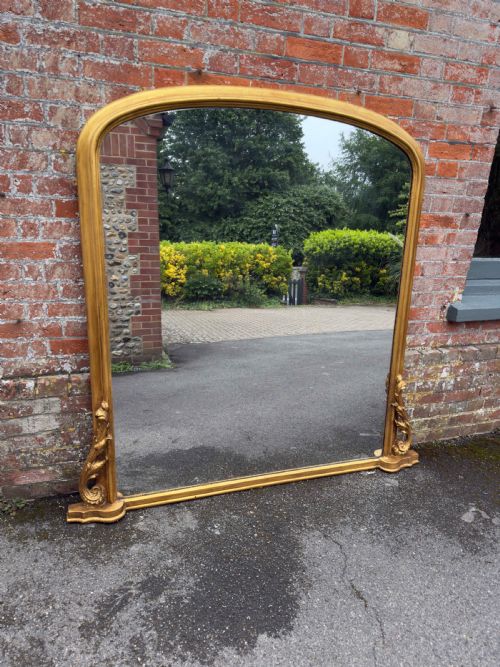

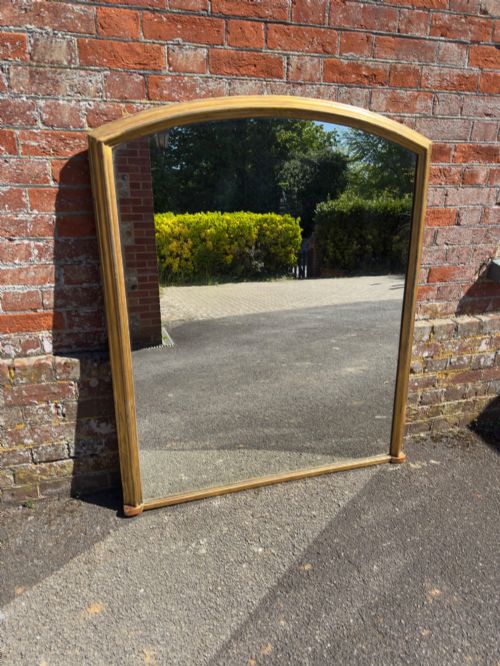

Traditional English Overmantel Mirror
Traditional English overmantel mirror selections bring substantial nineteenth-century presence and reflective light to a historic fireplace setting.
Traditional English Overmantel Mirror
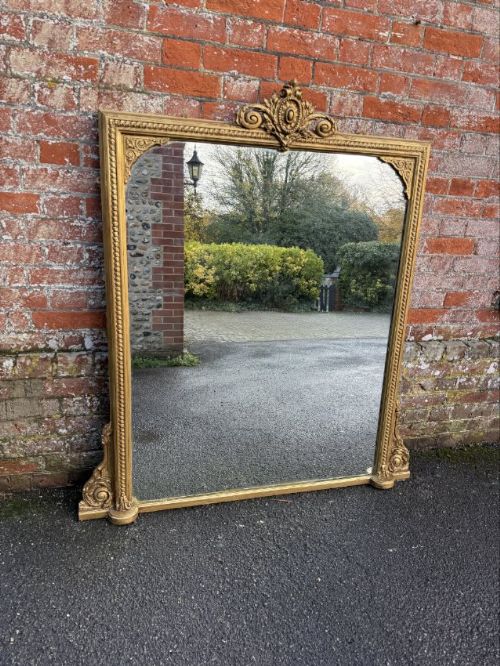
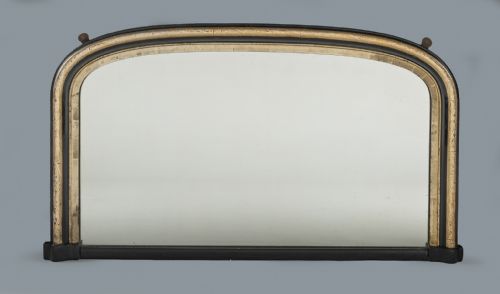
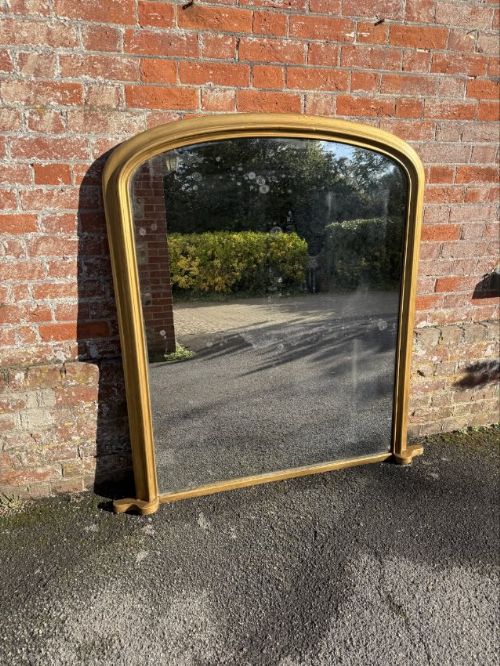
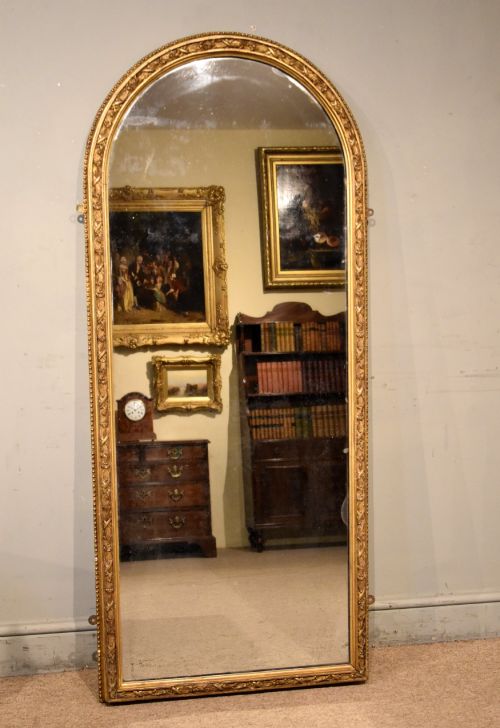
A traditional English overmantel mirror sits above a fireplace mantel, offering a grand architectural presence that anchors a room. The pieces found here date predominantly from the nineteenth century, spanning Victorian and Edwardian periods.
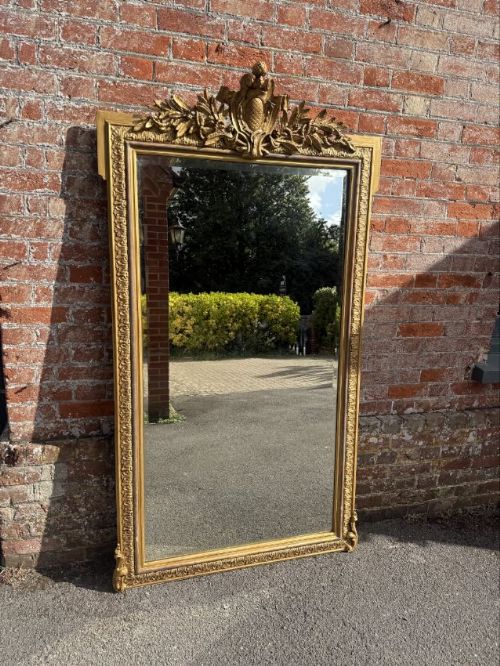
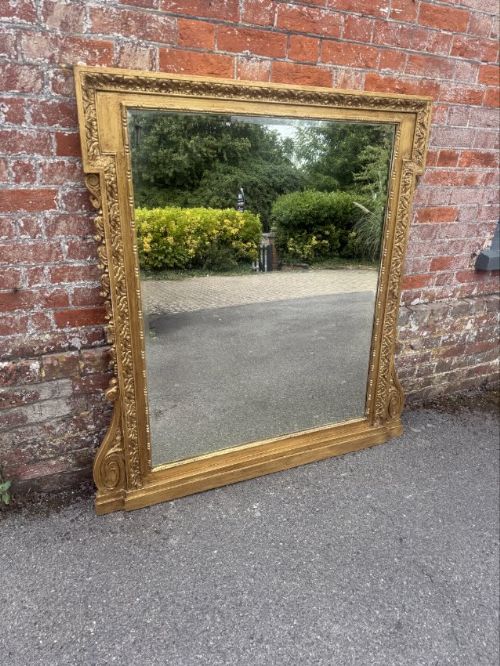
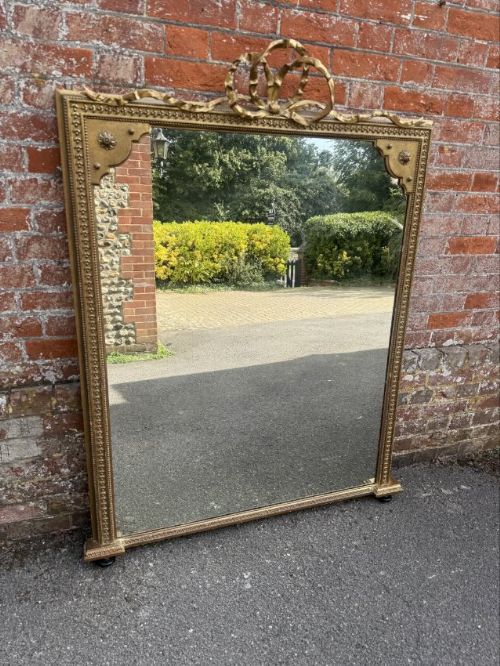
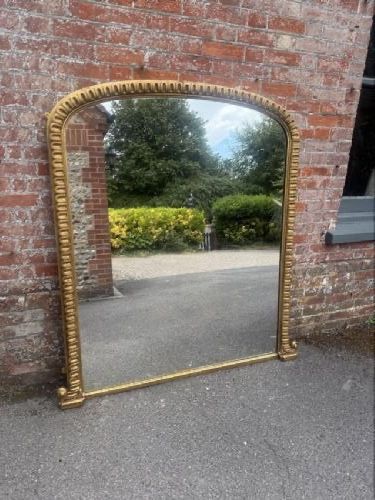
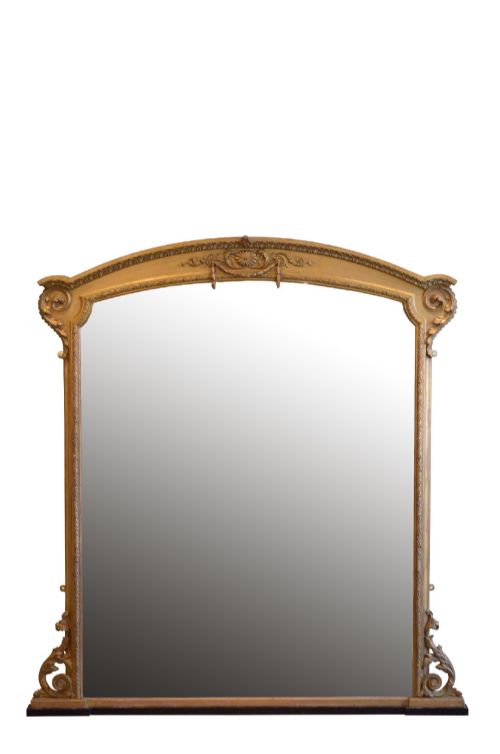
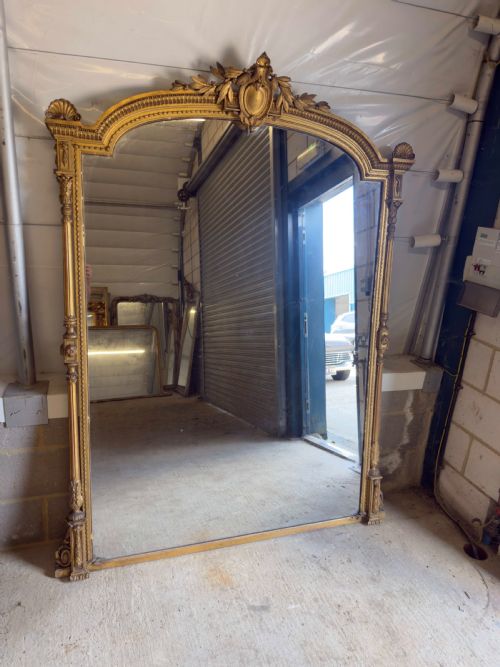
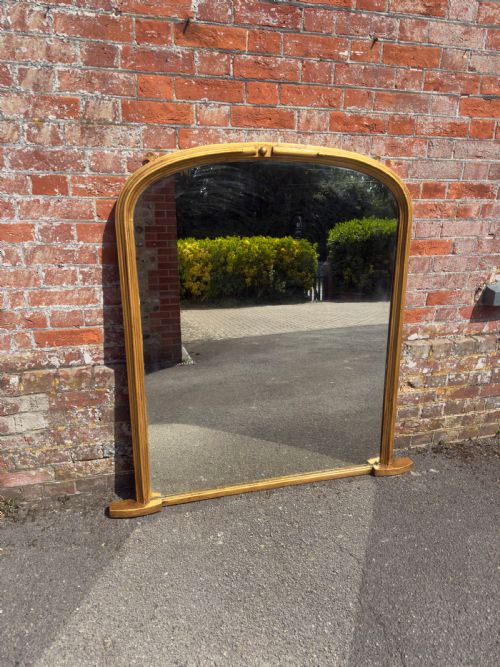
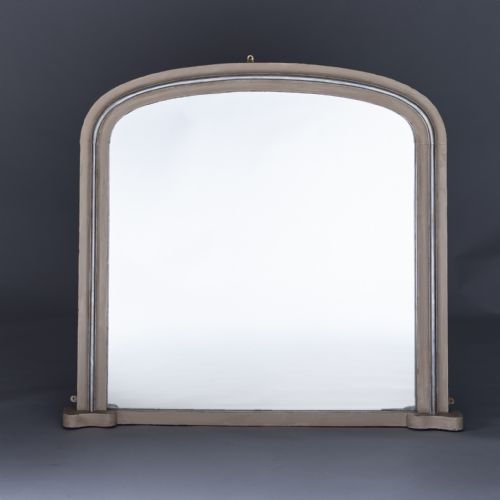
Most examples meet the eye with arched or shaped tops designed to mirror the proportions of period fire surrounds. Forms include giltwood frames, carved wood and gesso structures, and painted finishes originating from English workshops.
How traditional English overmantel mirror pieces were constructed
Carved wood provides the structural frame, frequently layered with gesso to receive intricate surface ornamentation. Gilding with gold leaf or applying paint finishes completes the decorative scheme on these large wall mirrors.
Mirror glass is set within these heavy wooden carcases, sometimes accompanied by column details, ribbed mouldings, or rope twist borders shaped by nineteenth-century craftsmen.
Traditional English Overmantel Mirror Retail Price Guide 2026
Typical asking prices for traditional english overmantel mirror among the pieces listed under this phrase on Sellingantiques today, from the lower quarter to the upper quarter. They describe what is for sale here now, not the wider market.
Current listings feature nineteenth-century Victorian and Edwardian periods using carved wood, gesso, mirror glass, and gold leaf.
What varies in traditional English overmantel mirror execution
The crispness of the carved wood and gesso ornamentation distinguishes ambitious framing from simpler production. Relief depth, structural integrity, and the preservation of original gilding or paint define the standing of each piece.
The quality of the mirror glass and the retention of original surface patination create distinct visual character across different examples from the Victorian era.
The Traditional English Overmantel Mirror Glossary
- Overmantel mirror
- A large wall mirror specifically scaled to hang above a fireplace mantel. These pieces often feature arched tops to complement architectural chimney breasts.
- Gesso
- A plaster-like mixture applied to carved wood frames to create a smooth surface for gilding. This material allows for crisp, intricate moulding details.
- Giltwood
- Timber coated with gold leaf applied over a preparation layer. It provides the bright, reflective finish seen on many nineteenth-century frames.
- Parcel-gilt
- A decorative treatment where only specific portions of a painted or stained wooden frame are gilded. This technique highlights particular carved details.
- Archtop
- A mirror frame featuring a curved upper section. This silhouette is typical of Victorian fireplace furnishings.
Traditional English Overmantel Mirror: Frequently Asked Questions
Where should a traditional English overmantel mirror hang?
These mirrors traditionally anchor the space directly above a living room fireplace mantel. Their scale and arched silhouettes are engineered to fill the vertical wall area between the shelf and the ceiling.
Placing one in this position reflects light across the room and balances the substantial weight of a period fireplace surround.
How do I identify a Victorian overmantel mirror?
Victorian examples frequently combine carved wood and gesso frames finished in gold leaf or paint. Look for distinct nineteenth-century design elements such as arched tops, column framing, or rope twist details.
The materials and construction methods align with pieces produced across England during the mid-to-late eighteen hundreds.
Can these mirrors be hung without a fireplace?
While originally built for chimney breasts, these large wall mirrors function effectively on any expansive wall in a high-ceilinged room. Their substantial proportions require secure fixing directly into masonry or heavy studwork.
Positioning one on a plain wall creates a strong architectural focal point similar to its traditional hearth placement.
What maintenance do giltwood frames require?
Giltwood surfaces need gentle dusting with a dry, soft brush to protect the delicate gold leaf layer. Moisture and harsh cleaning agents damage the underlying gesso and historical finish.
Preserving the original surface requires keeping the mirror away from direct dampness and extreme temperature fluctuations.