


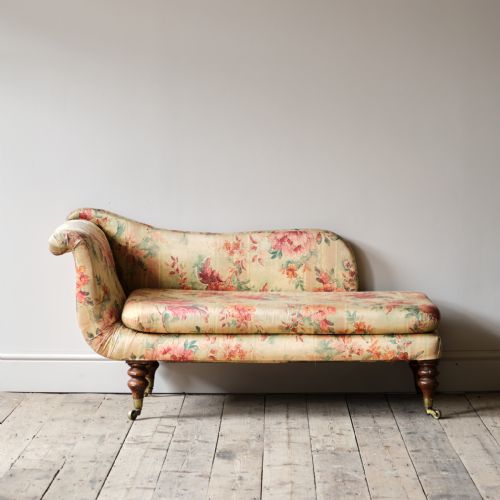


Traditional English Daybed
A traditional english daybed offers a reclining seat for country house interiors, combining nineteenth-century wood frames with upholstered textiles.
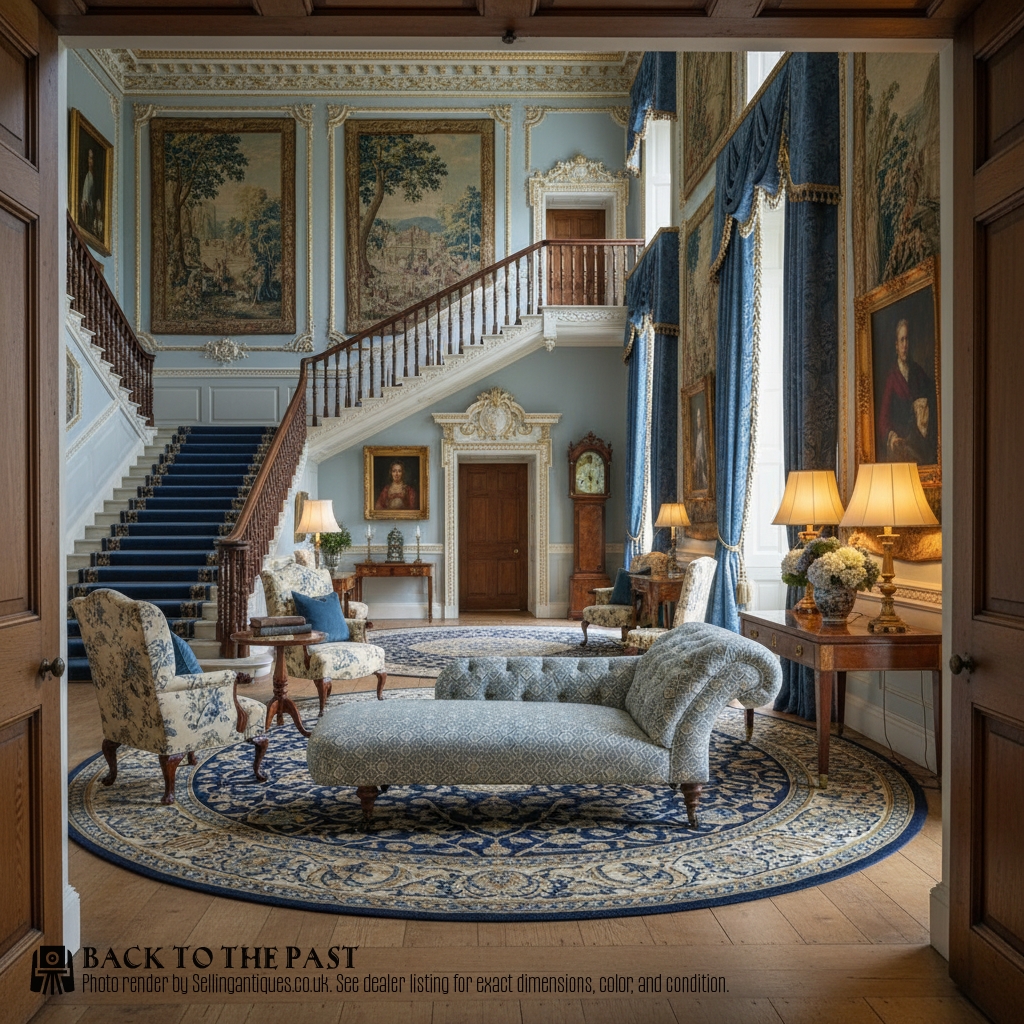
Traditional English Daybed
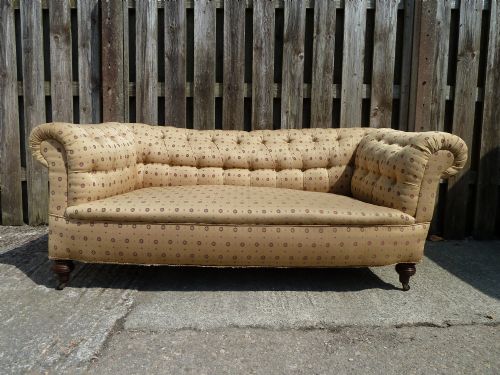
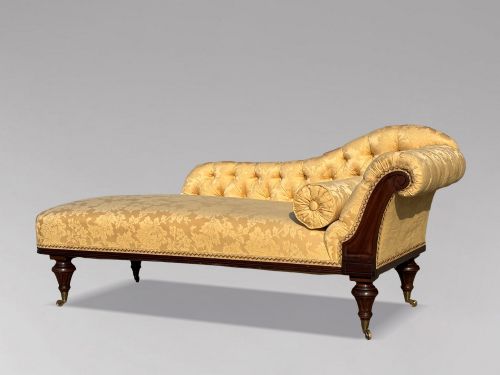
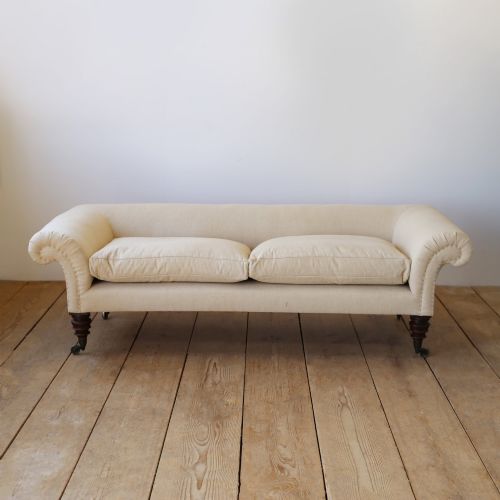
A traditional english daybed encompasses nineteenth-century chaise longues, day beds, and sofas designed for reclining. These pieces emerge from periods spanning the Regency era through the Victorian years, including specific dates from eighteen sixty to eighteen ninety.
The most common forms on this page include country house chaise longues and day beds alongside upholstered sofas. Makers such as Howard and Sons, Holland and Sons, Gillows, and Jas Shoolbred shape the stylistic lineage of these daybeds.
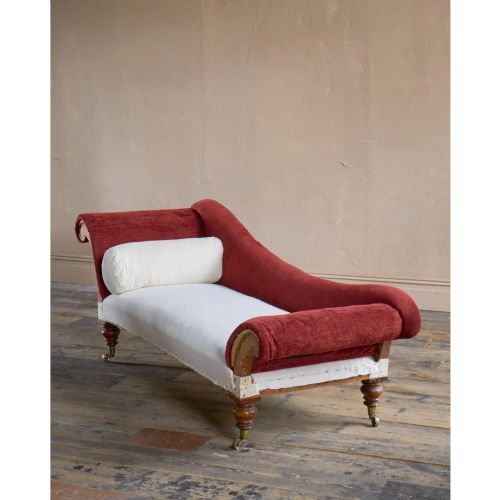
Buyers encounter frames built from mahogany and wood, complemented by upholstery fabrics including velvet, calico, damask, and standard fabric. Brass accents also appear across nineteenth-century examples.
How they were made
Makers constructed traditional english daybed frames primarily from solid mahogany and other woods, sometimes incorporating turned components like bobbin turnings. These structural frames support sprung and padded seating platforms.
Upholstery techniques involve layering traditional textile coverings such as velvet, damask, calico, and standard fabric over the internal padding. Brass elements appear as decorative details or functional castors on the feet of the daybeds.
Some nineteenth-century daybeds feature charmingly chunky bobbin turnings that make even a serious parlor piece look slightly playful.
What varies in quality
The distinction between standard nineteenth-century seating and superior pieces rests upon attribution to notable workshops like Howard and Sons or Gillows. Greater craftsmanship shows in the precision of the woodwork and the structural integrity of the frame.
Quality also resides in the integrity of the original timber and the choice of textile upholstery, whether rich damask or simpler calico. The refinement of carved or turned details distinguishes country house pieces from ordinary production.
Holland and Sons·Howard and Sons·Gillows·Jas Shoolbred
The Traditional English Daybed Glossary
- Chaise longue
- An elongated chair or sofa designed for reclining with a backrest at one end. This form dominates the nineteenth-century daybed category.
- Mahogany
- A durable hardwood commonly utilised for furniture framing during the Regency and Victorian periods. Its grain provides a rich surface for polished finishes.
- Calico
- A plain-woven cotton textile frequently used for initial upholstery stuffing or as a neutral covering on antique seating. It often lies beneath decorative outer fabrics.
- Damask
- A reversible figured fabric traditionally woven with patterns visible on both sides. This textile appears on formal nineteenth-century daybeds.
- Bobbin turning
- A form of woodturning characterised by spherical or spool-shaped segments repeated along a spindle. This technique defines specific nineteenth-century daybed frames.
Traditional English Daybed: Frequently Asked Questions
How do I date a daybed?
Dating relies on stylistic markers from the Regency and Victorian eras, alongside specific construction methods seen in nineteenth-century workshops. Details like bobbin turnings or specific frame proportions help establish the period.
Attributions to makers such as Gillows or Howard and Sons also anchor pieces within precise nineteenth-century decades.
Where were daybeds used?
Nineteenth-century daybeds primarily occupied country house drawing rooms, parlours, and private chambers. They provided a comfortable place for daytime resting and reading.
Their elegant mahogany frames and upholstered textiles suited formal interior settings alongside standard sofas and settees.
How do I care for antique upholstery?
Preserving antique upholstery involves gentle vacuuming with a soft brush attachment to remove dust from fabrics like velvet and damask. Direct sunlight should be avoided to prevent fading of historical textiles.
Wooden frames benefit from occasional dusting and maintenance with appropriate furniture wax to protect the mahogany surface.