



Traditional English Ceramics
Traditional English ceramics encompass centuries of domestic pottery, stoneware and bone china shaped by Georgian, Victorian and Edwardian makers.
Traditional English Ceramics
Traditional English ceramics cover utilitarian kitchenware, decorative mantel figures and complete tea services found across the Georgian, Victorian and Edwardian eras. Buyers encounter earthenware bowls, ironstone plates and bone china cups produced by regional potteries and major factories alike.
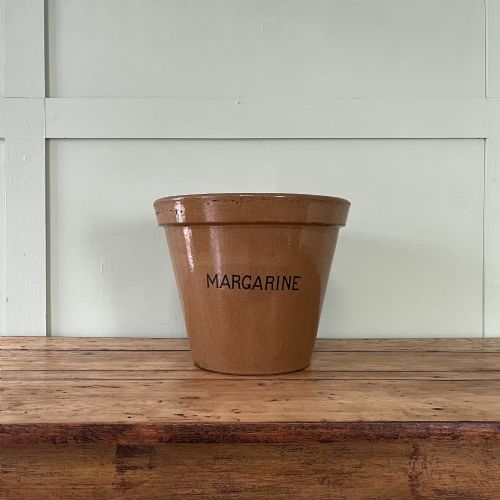
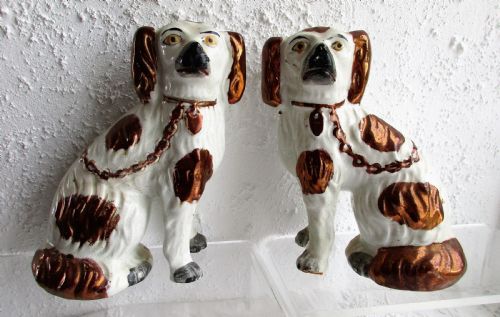
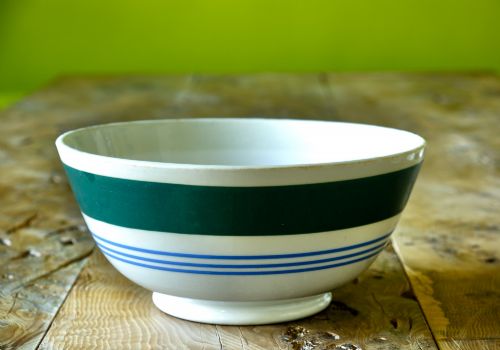
The most common pieces on this page are Staffordshire figures such as spaniels, Toby jugs and cow creamers alongside utilitarian storage crocks and banded bowls. These domestic and decorative items reflect the daily life and aesthetic tastes of nineteenth and early twentieth century Britain.
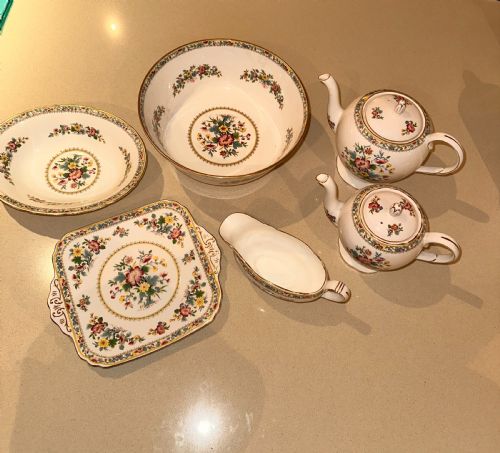
Forms range from large dairy bowls and mortar vessels to intricate dinner services and miniature flat irons. Each object demonstrates the specific functional requirements of British households from the eighteenth century onwards.
Materials and production methods
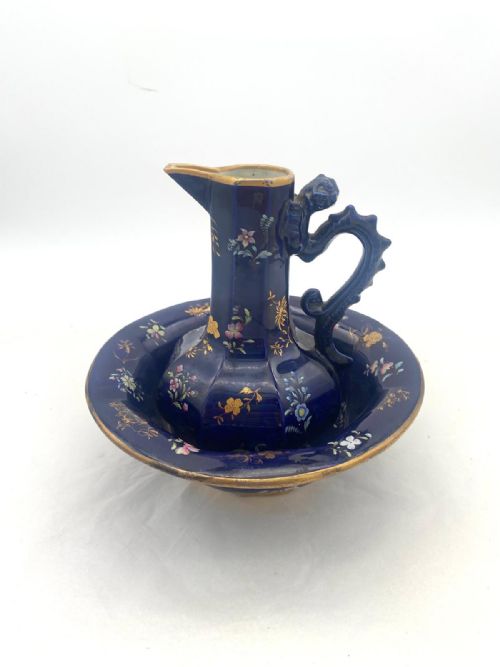
Potters utilised earthenware, stoneware, ironstone and bone china, applying lead glazes, enamel colours and gold leaf to finish the surfaces. Slipware and transfer printing provided distinct decorative patterns across plates, jugs and bowls.
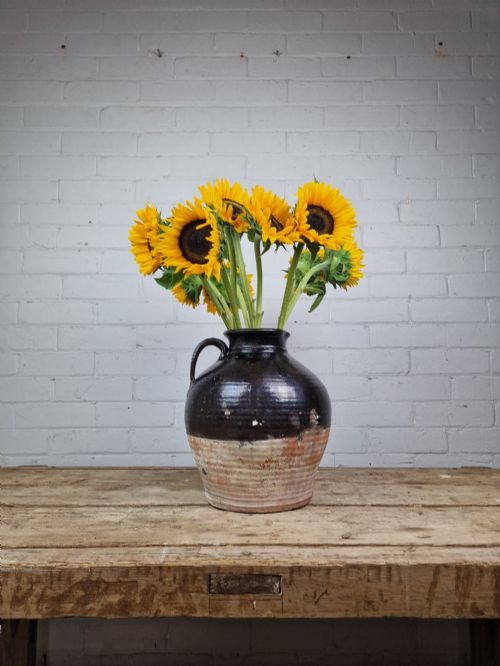
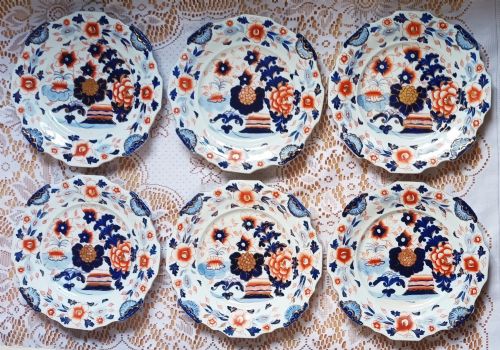
Many items feature hand-painted details over transfer-printed outlines, particularly on ironstone plates and porcelain tea sets from the nineteenth century. Stoneware pieces relied on durable salt glazing or slip glazes suitable for heavy kitchen and dairy use.
Nineteenth century Staffordshire cow creamers cleverly use the animal's tail as the handle for pouring milk.
Assessing quality in British pottery
The sophistication of the glaze and paste distinguishes everyday utility items from superior parlour wares. Finer bone china tea sets and early ironstone plates show greater translucency, even thickness and precise control during kiln firing.
Masons Ironstone·T G Green Pottery·Verwood Pottery·Royal Crown Derby·Doulton Lambeth·Royal Albert Crown China·Royal Worcester·Poole Pottery·Wedgwood·William Adams
The Traditional English Ceramics Glossary
- Earthenware
- Porous pottery fired at lower temperatures, typically covered in a glaze to render it waterproof. It forms the body of many traditional figures and kitchen bowls.
- Ironstone
- A dense, durable type of earthenware patented in the nineteenth century to imitate Chinese porcelain. It resists chipping and forms the base of many heavy-duty plates and jugs.
- Slipware
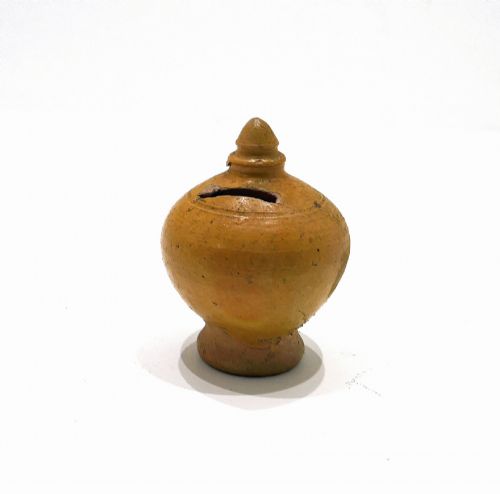
- Pottery decorated with slip, a liquid clay mixture poured or piped onto the clay body before firing. It creates distinctive patterns on traditional country bowls and money boxes.
- Bone china
- Porcelain incorporating bone ash, producing a strong, white and slightly translucent body. It is standard for fine British tea services and cabinet pieces.
- Tyg
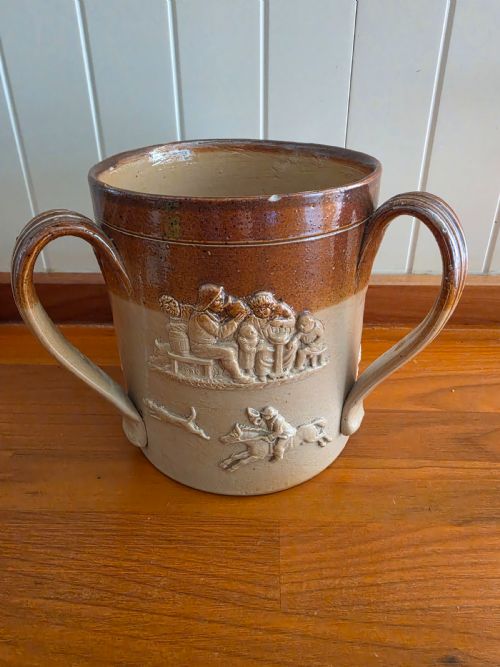
- A large drinking vessel featuring three or more handles designed for communal passing around a table. These lead-glazed stoneware or earthenware pieces date back to the seventeenth century and earlier.
Traditional English Ceramics: Frequently Asked Questions
What are Staffordshire dogs?
Staffordshire dogs are ceramic figures of spaniels produced in pairs during the Victorian era for display on mantelpieces. Potters painted them with copper lustre patches or enamel details to decorate British homes.
These spaniels often feature glass eyes and gold lockets, serving as domestic ornaments rather than functional items. They remain among the most recognisable forms of nineteenth century English folk art.
How do I care for antique pottery?
Antique ceramics require gentle hand washing in lukewarm water with mild soap when cleaning is necessary. Dishwashers damage old glazes, crazed surfaces and delicate enamel or gold leaf decorations.
Keep pieces away from direct sunlight to prevent fading on hand-painted or transfer-printed patterns. Stable indoor humidity protects porous earthenware bodies from further drying or stress.
What is a Toby jug?
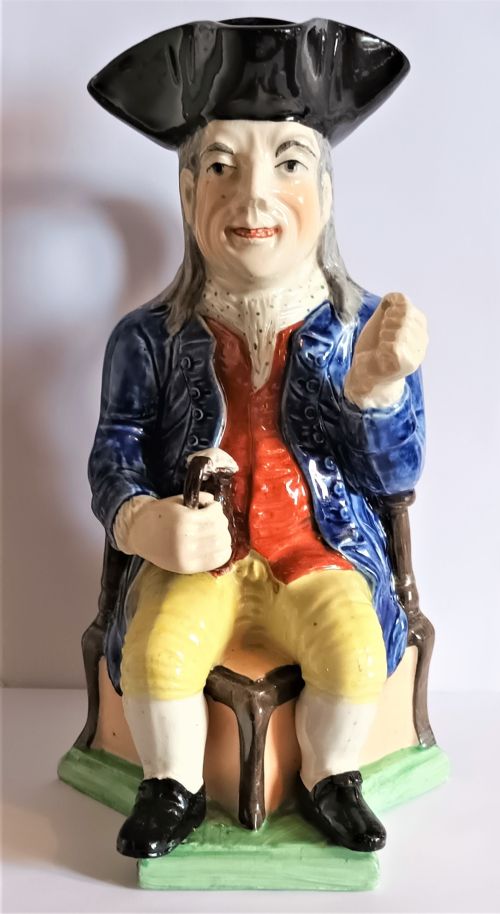
A Toby jug depicts a seated stout figure holding a mug of beer and a pipe, typically wearing eighteenth century attire. Potters used earthenware and lead glazes to create these characterful drinking vessels.
While occasionally used for serving ale in past centuries, collectors primarily display them as decorative mantel ornaments. Their exaggerated facial expressions and tricorne hats help distinguish different regional makers.
How do I distinguish ironstone from porcelain?
Ironstone is a heavy, opaque ceramic body developed to withstand daily dining without fracturing easily. It lacks the delicate translucency found when holding fine bone china up to a strong light.
Plates and jugs made of ironstone feel substantially thicker and heavier in the hand than porcelain tea sets. The glaze on ironstone also tends to show a harder, more utilitarian finish.