

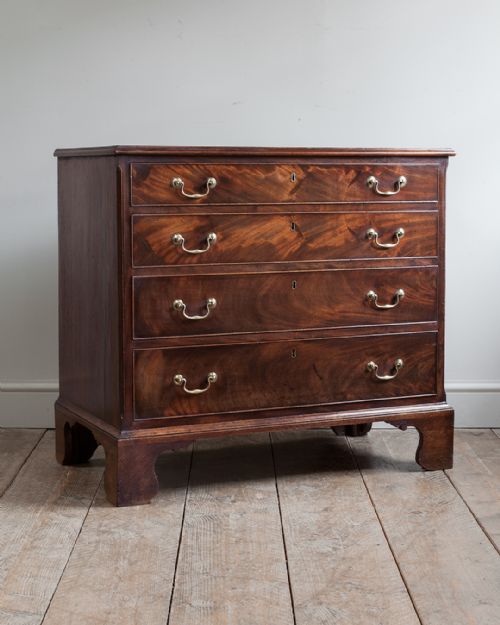


Traditional English Bedroom Furniture
Traditional English bedroom furniture comprises substantial timber pieces built for storage and sleeping across centuries of domestic life.
Traditional English Bedroom Furniture
These items emerge from periods spanning the seventeenth century through to the early twentieth century, encompassing Georgian, Victorian, Regency, and earlier reigns. Buyers frequently encounter oak, mahogany, and pine constructions reflecting English country and formal workshop traditions.
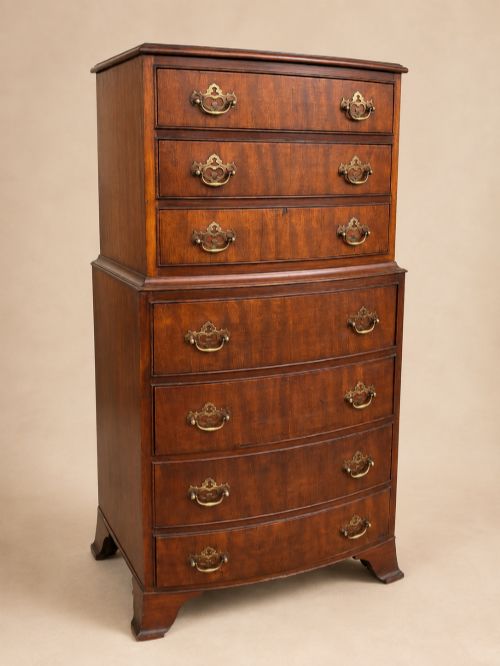
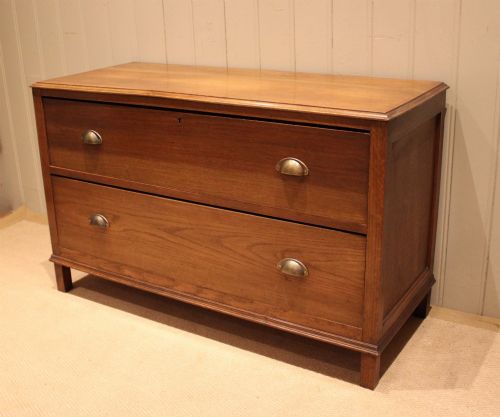
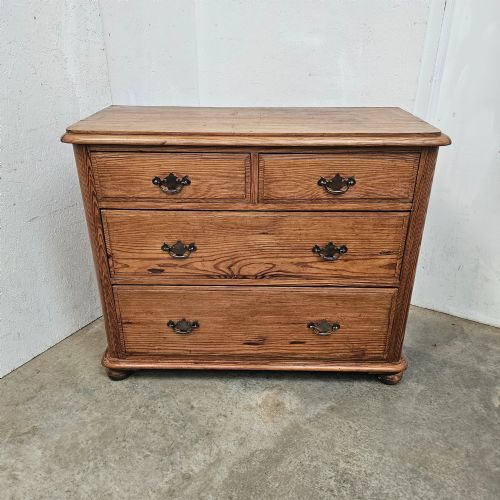
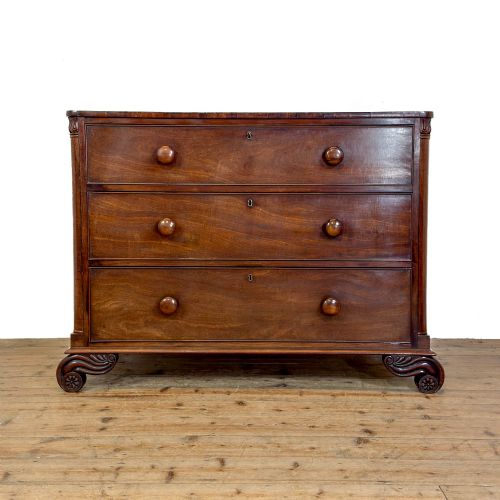
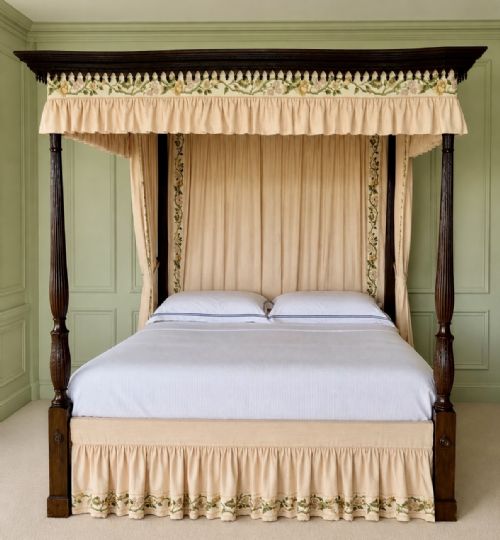
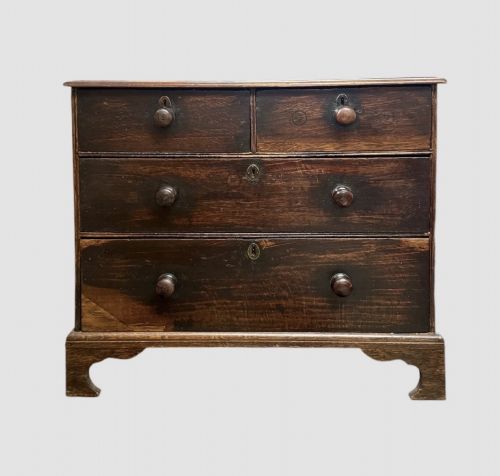
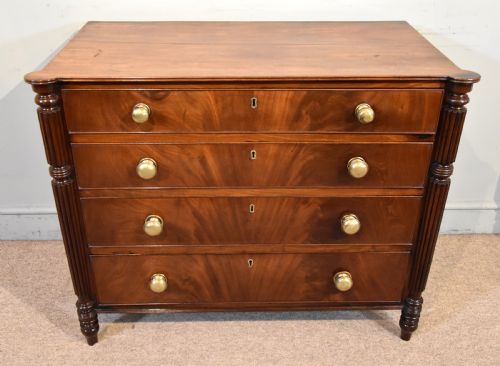
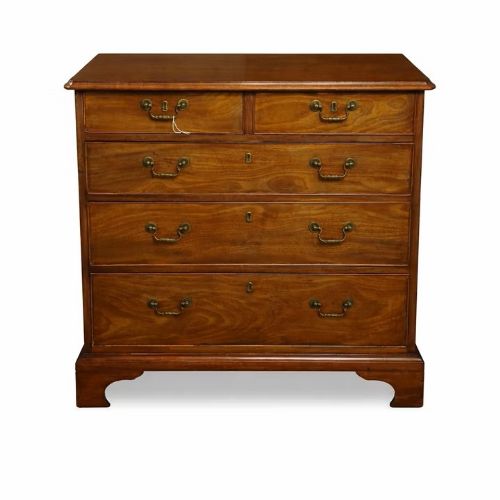
Forms range from low chests and bachelor chests to monumental chests on chest and four poster beds. Each piece records the domestic requirements of past households through utilitarian design and timber selection.
What Varies in Quality
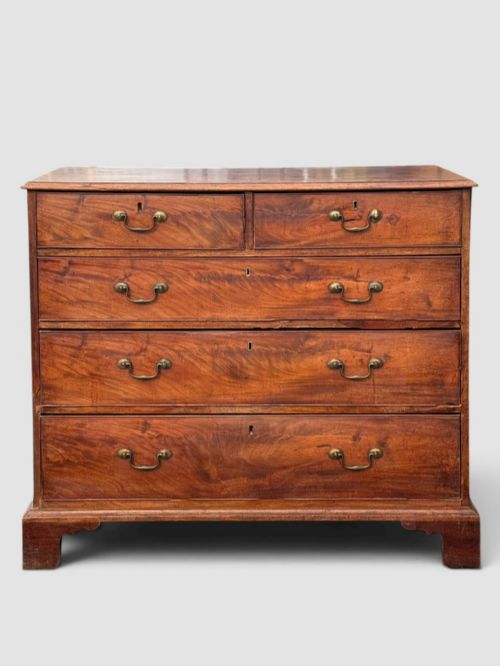
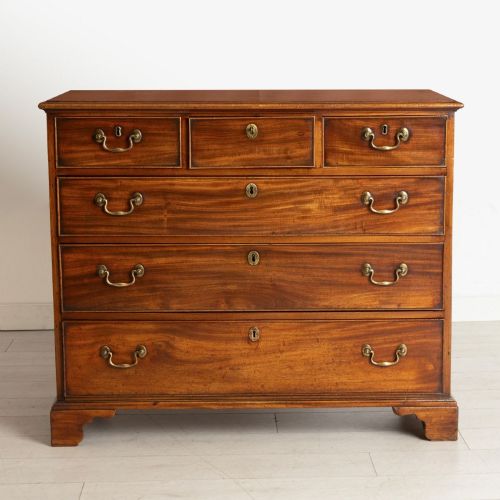
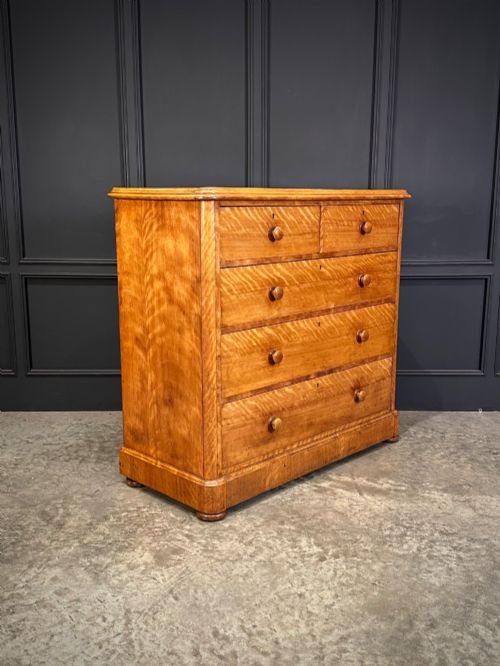
Quality in these pieces rests upon the selection of timber figures, such as flame mahogany or figured walnut, matched carefully across drawer fronts. Superior construction is evident in the tightness of dovetail joints and the retention of original brass hardware.
Proportion and architectural detailing distinguish refined urban workshop items from simpler country vernacular examples. The presence of original surface treatments, whether clear polish or early paint, elevates the integrity of a piece.
One listed chest includes a dedicated cot drawer designed for nursery storage.
The Traditional English Bedroom Furniture Glossary
- Chest on chest
- A tall storage unit formed by stacking one chest of drawers directly on top of another, often combining a smaller upper section with a wider base.
- Bowfront
- A curved cabinet front that swells outward in the centre, commonly seen on Georgian and Regency chests of drawers.
- Marquetry
- Decorative veneer work arranged in geometric or pictorial patterns using various coloured woods on a carcase surface.
- Scumble paint
- A decorative surface finish applied by dragging or mottling translucent paint over a base coat to imitate finer grained timber or create textured patterns.
- Tester bed
- A wooden bed frame featuring an overhead canopy supported by four posts, sometimes referred to as a four poster bed.
Traditional English Bedroom Furniture: Frequently Asked Questions
How do I identify a Georgian chest of drawers?
Georgian chests typically display proportioned carcases in mahogany or oak, featuring hand-cut dovetails and period brass handles. Drawer configurations often follow a two-over-three arrangement.
Secondary woods inside the drawers should be oak or pine, showing tool marks consistent with eighteenth-century workshop practices.
What is the difference between a wardrobe and a press?
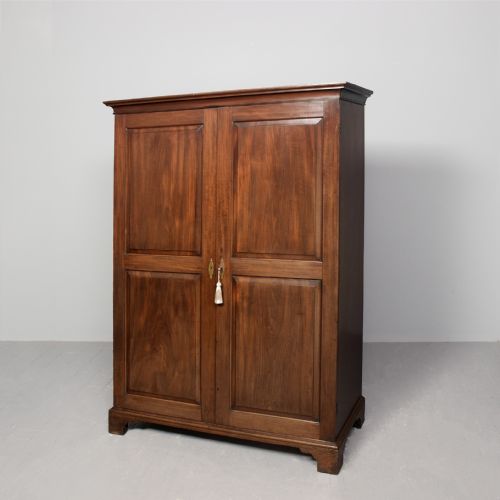
An early press combines upper hanging or shelving space enclosed by doors with a chest of drawers base. Wardrobes evolved to focus primarily on full-length garment hanging.
Both forms utilise architectural cornices and raised panel construction derived from their period of manufacture.
Are painted pine chests of drawers original?
Many Victorian and earlier pine pieces received painted finishes or country house scumble paint to protect the softwood and suit domestic interiors. Original paint layers exhibit craquelure and wear consistent with age.
Such surfaces are preserved by collectors who value the unpretentious character of country furniture.
How do I care for antique mahogany furniture?
Keep wooden furniture away from direct sunlight and heat sources to prevent timber shrinkage and veneer splitting. Dust gently with a dry cloth and apply traditional beeswax sparingly to maintain the polish.
Stable room humidity ensures the structural joints remain tight and drawer movement stays smooth.