

Traditional End Tables
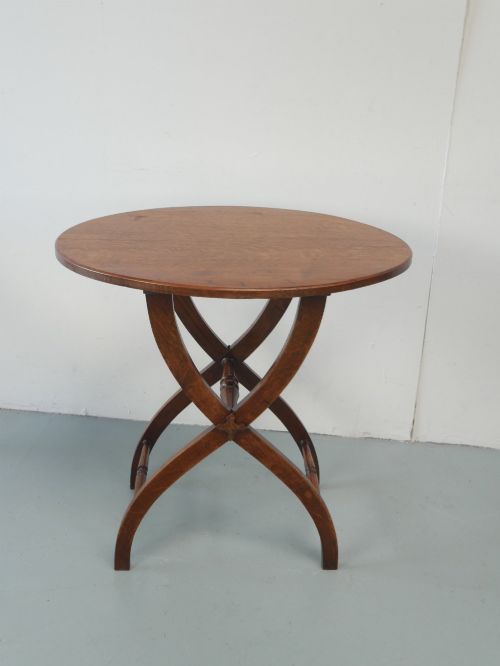
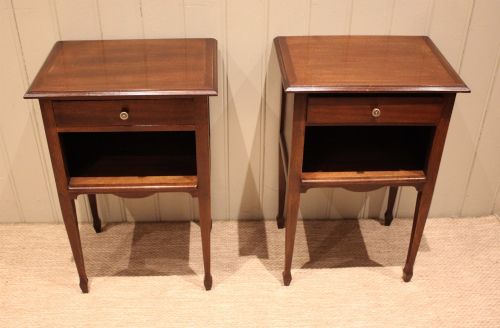
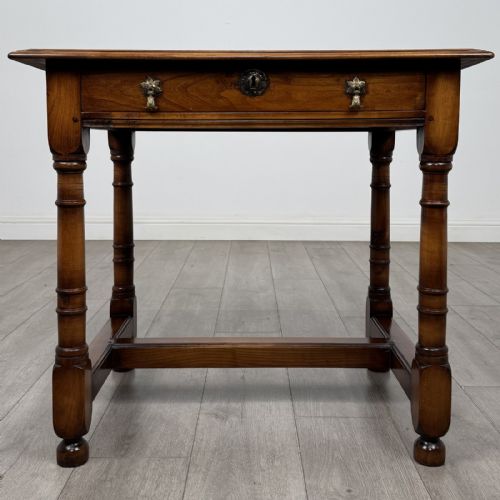
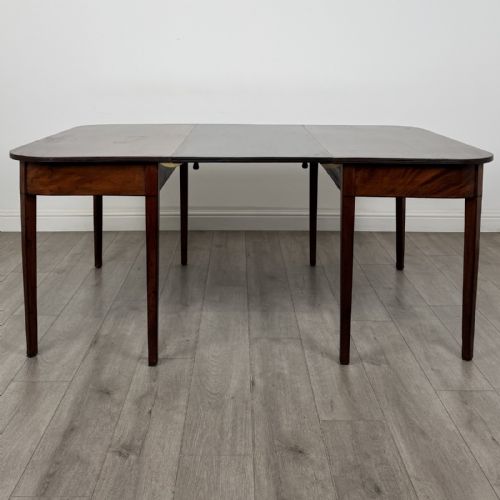
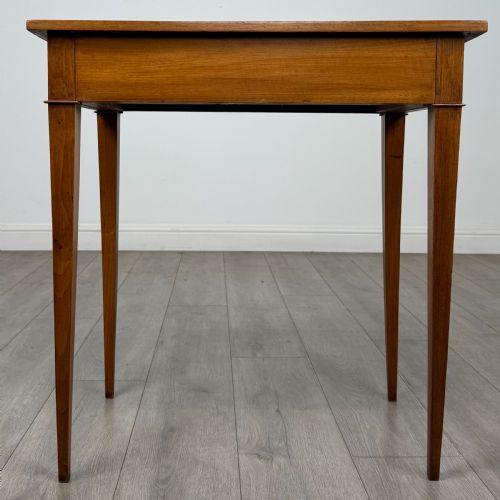
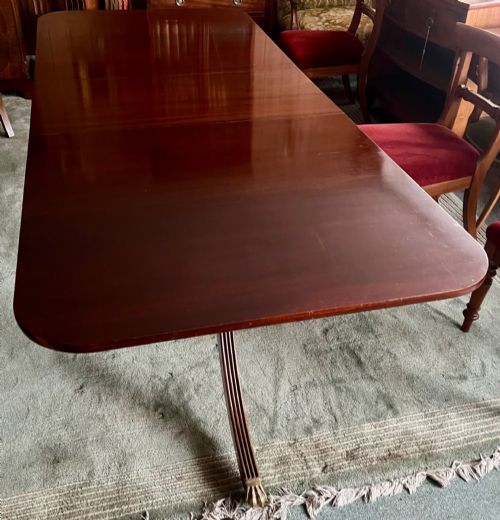
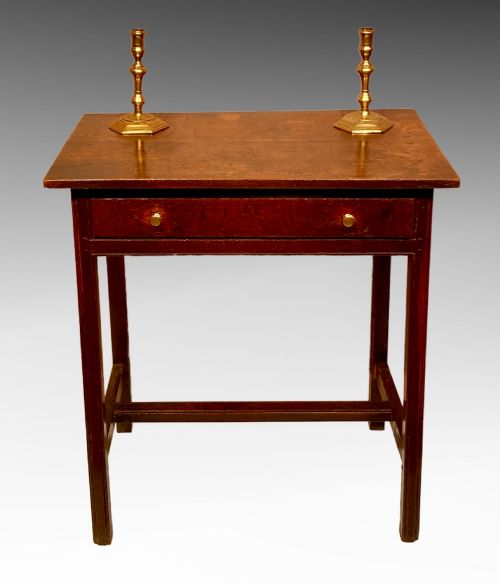
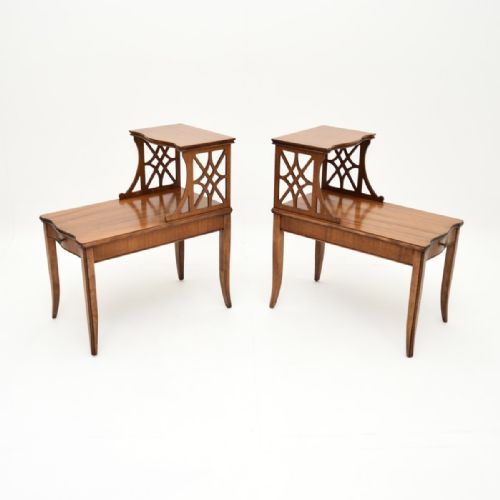
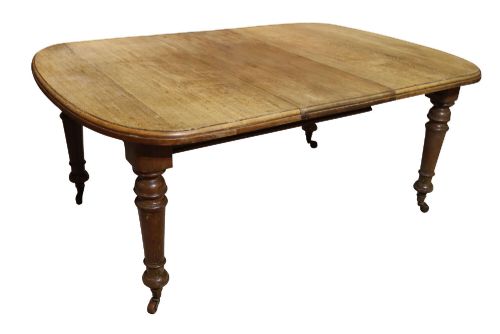
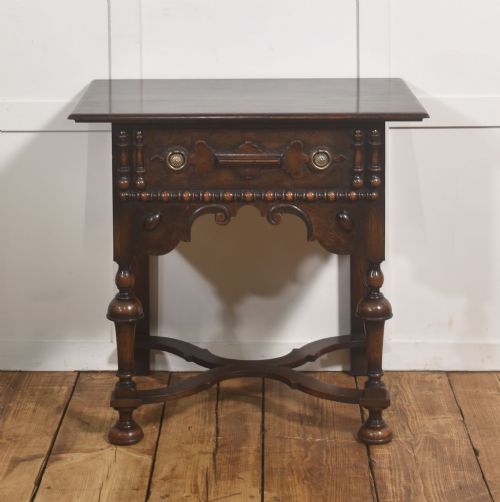
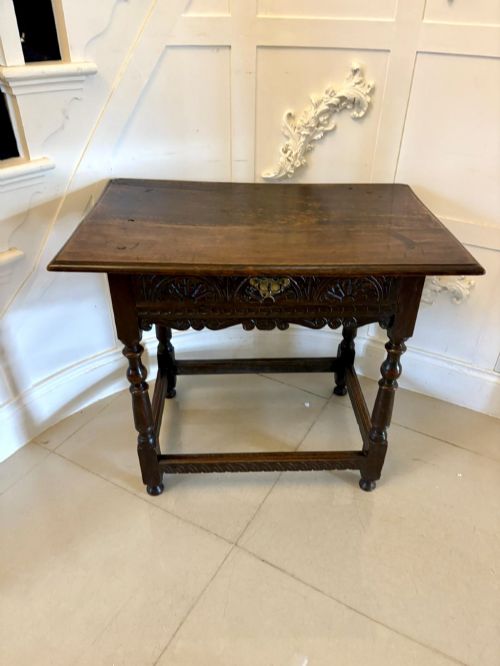
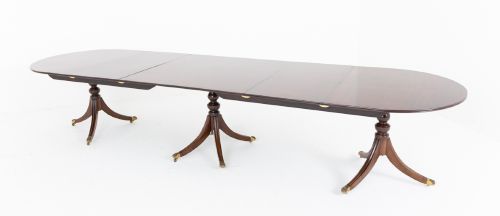
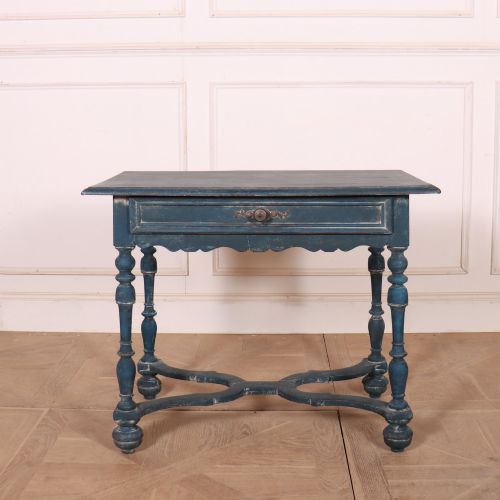
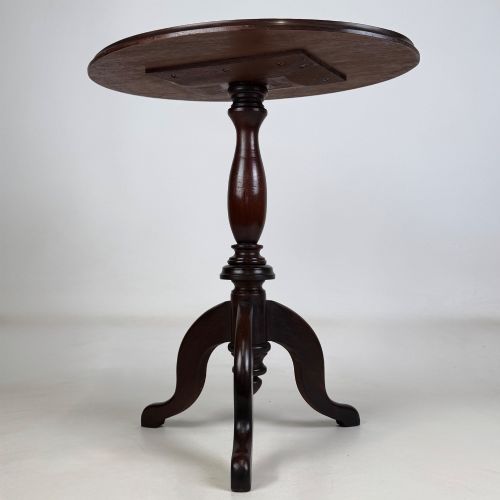
Traditional end tables offer compact surface space beside seating, appearing here in mahogany, oak, and walnut across several historic periods.
Traditional End Tables
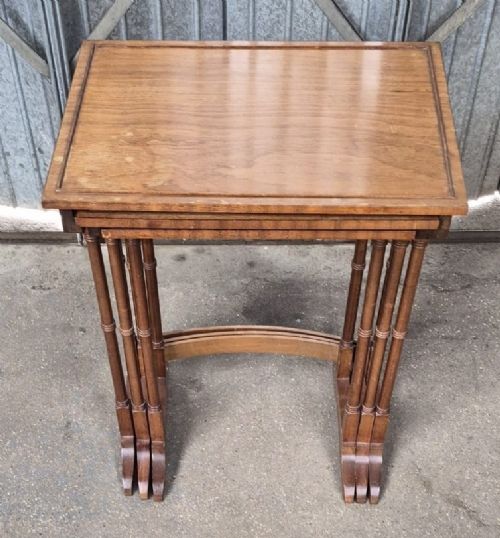
Traditional end tables encompass smaller companion surfaces such as lamp tables, side tables, bedside tables, and nests of tables designed to sit alongside chairs and sofas. These pieces emerge from periods spanning the eighteenth century through the Edwardian era and the early twentieth century.
The selection on this page shows significant variety in regional and stylistic interpretations, ranging from English country oak pieces to French mahogany bedsides and Chinese hardwood nests. Buyers searching for traditional end tables will encounter both individual lamp tables and matching pairs intended for balanced room layouts.
Materials and construction methods
Cabinetmakers relied heavily on timbers such as mahogany, oak, walnut, and fruitwood to construct these smaller tables, utilising solid planks and fine veneers. Turnings, cabriole legs, and stretcher bases provide structural support while defining the stylistic period of each piece.
Joinery techniques visible across the inventory include traditional drawer construction and clever folding mechanisms for drop-leaf and pembroke designs. Painted finishes and carved details also appear on select tables, demonstrating the diverse workshop practices of past centuries.
Traditional End Tables Retail Price Guide 2026
Typical asking prices for traditional end tables among the pieces listed under this phrase on Sellingantiques today, from the lower quarter to the upper quarter. They describe what is for sale here now, not the wider market.
Listings for traditional end tables feature pieces fashioned from mahogany, oak, walnut, and fruitwood across the eighteenth, nineteenth, and early twentieth centuries.
Distinctions in construction and finish
The integrity of the original structure, the smoothness of drawer operation, and the preservation of a rich patinated finish separate standard examples from exceptional ones. Surviving pairs also command greater interest for maintaining their matching proportions over generations.
The Traditional End Tables Glossary
- Lamp Table
- A small standalone table designed specifically to hold a lighting fixture beside a chair or sofa. These compact surfaces often feature single drawers or lower shelves.
- Nest of Tables
- A set of graduated tables designed to slide neatly underneath one another when not in use. They provide flexible surface space in principal reception rooms.
- Pembroke Table
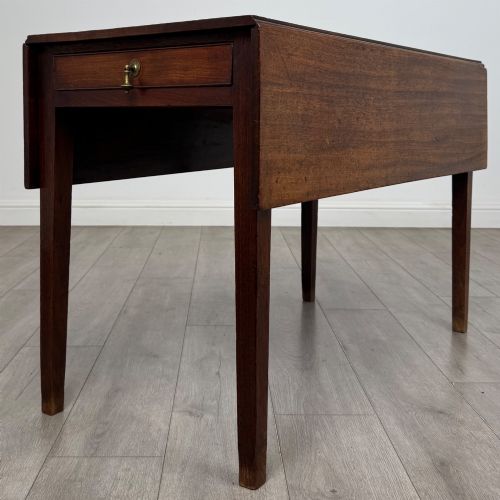
- A small rectangular table featuring two hinged drop leaves on either side. These tables often include a single operating drawer and slender tapering legs.
- Cabriole Leg
- A furniture leg that curves outward in a convex arc before tapering inward in a concave sweep. This decorative form originates from ancient animal leg shapes.
- Quartetto
- A matched set of four graduating occasional tables designed to stack together. This form gained popularity during the nineteenth and early twentieth centuries.
Traditional End Tables: Frequently Asked Questions
What defines traditional end tables?
Traditional end tables are compact occasional surfaces created to sit beside seating areas in living spaces. They encompass lamp tables, side tables, and small nests originating from historic eras.
The category relies on classic timbers like mahogany and oak combined with traditional joinery. Their enduring appeal lies in providing practical surface area without dominating a room.
How do I use a nest of tables?
A nest of tables provides flexible surface space that expands when entertaining guests. The smaller tables pull out from beneath the main surface to hold drinks or books.
When not in use, the set stacks compactly into the footprint of a single small table. This space-saving design makes them particularly useful beside armchairs or sofas.
What is a pembroke table used for?
A pembroke table serves as a versatile occasional table with drop leaves that raise when extra surface area is required. Historically utilised for writing or light needlework.
In modern rooms, their modest scale allows them to function effectively as end tables or bedside companions. The hinged leaves make them adaptable to tighter spatial constraints.
How do I date an older wooden table?
Dating an older table involves examining the timber species, construction methods, and tool marks visible on secondary woods. Stylistic cues such as leg shapes and hardware also indicate specific periods.
Comparing structural details against established historical designs helps narrow down the decade of manufacture. Grain patterns and natural patination offer further clues regarding age.