




Traditional Embroidered Textile
A traditional embroidered textile brings tactile warmth and regional narrative to an interior through layered needlework from Central Asia, India, and Europe.
Traditional Embroidered Textile
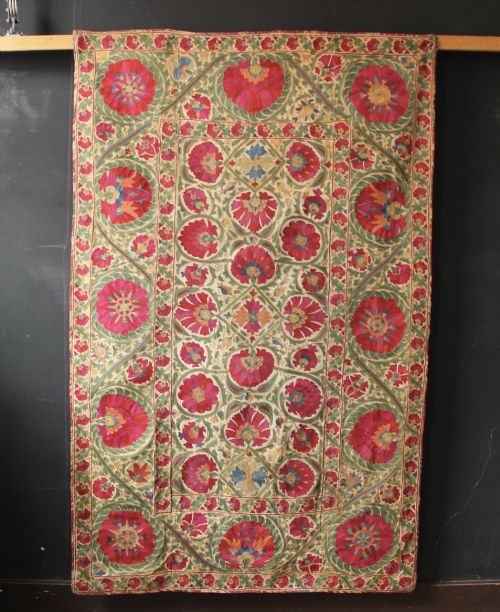
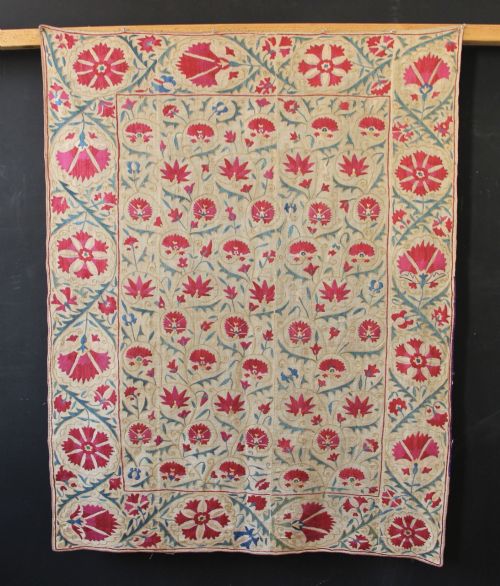
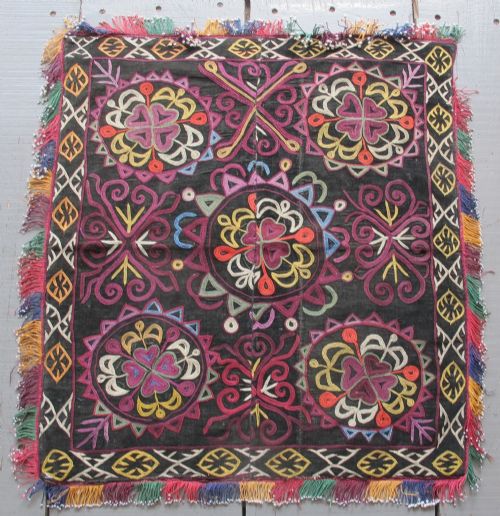
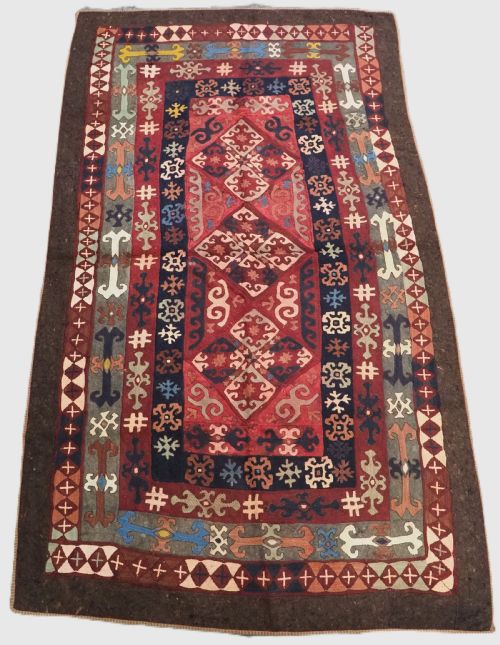
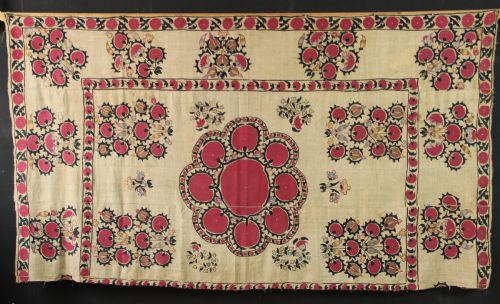
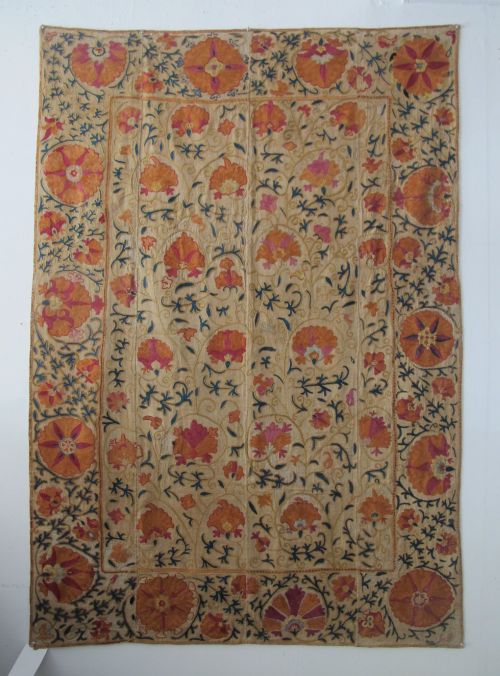
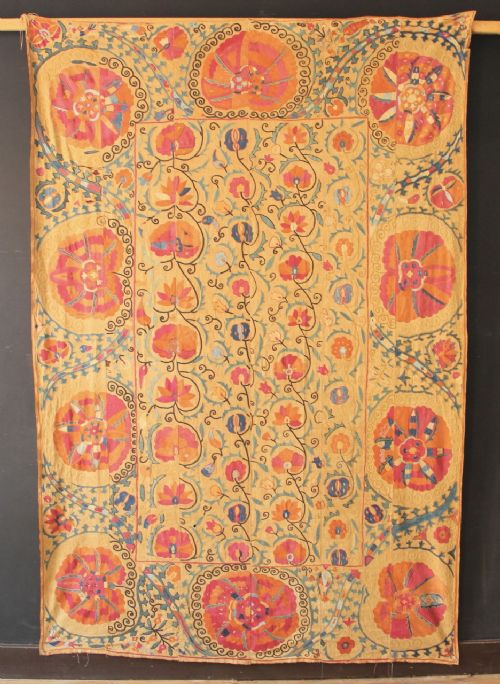
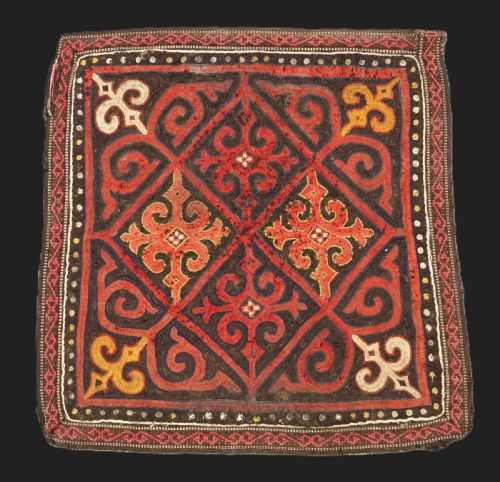
A traditional embroidered textile encompasses decorative wall hangings, ceremonial garments, bed covers, and domestic panels created across different centuries. Buyers searching this phrase encounter examples ranging from Central Asian suzanis and tribal rugs to Indian shawls and European samplers.
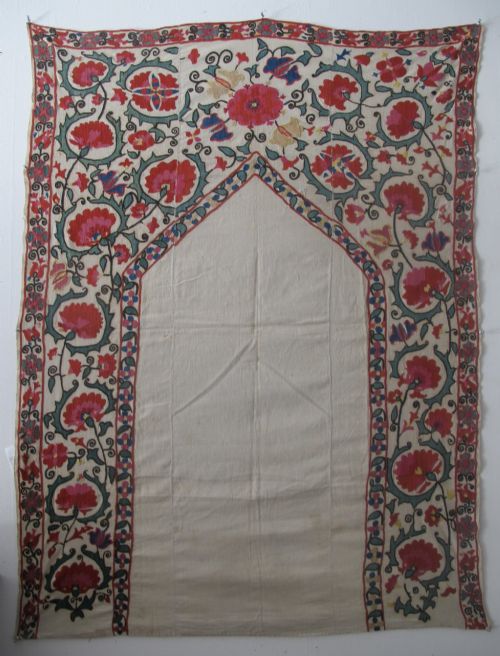
The category leans heavily towards Central Asian pieces, particularly Uzbek suzanis featuring botanical and architectural motifs stitched on cotton, silk, or wool grounds. These items served functional and ceremonial roles in homes, functioning as wall decor, covers, or ceremonial wear.
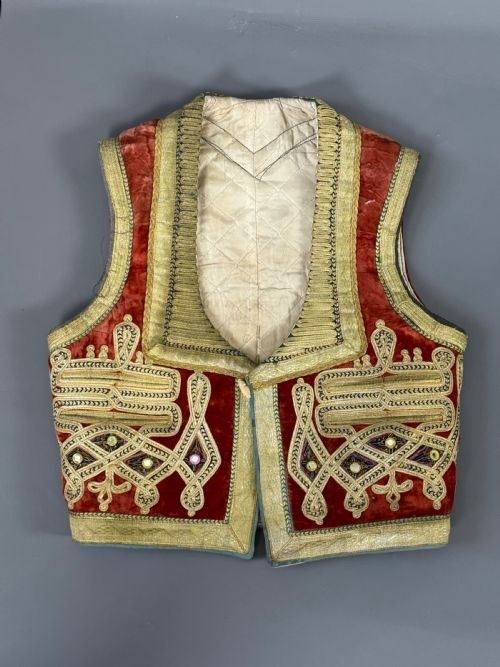
Beyond Central Asia, the selection includes Portuguese needlepoint, Ottoman waistcoats, and crewelwork panels. Each object reflects the specific domestic traditions and decorative arts of its region of origin.
Materials and construction
Makers utilised natural foundations such as cotton, linen, wool, velvet, and adras silk as the base for their compositions. These grounds received dense needlework applied using silk thread, wool, and metallic thread.
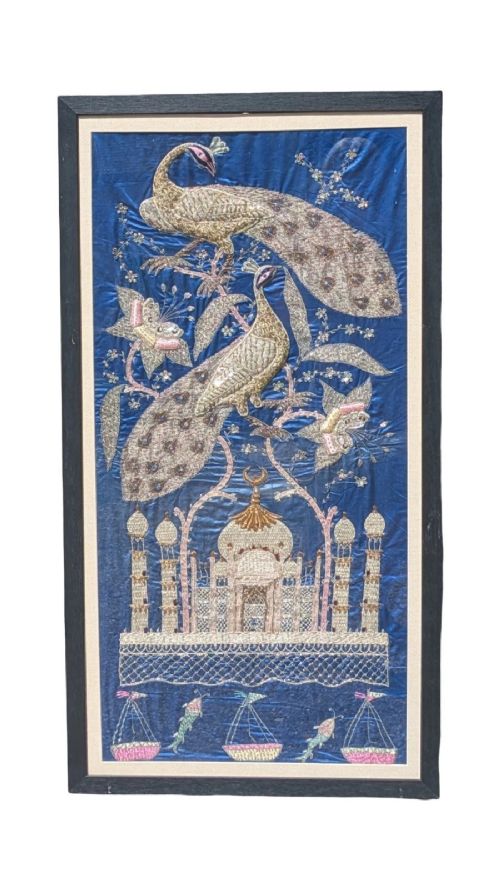
Techniques varied from fine surface embroidery and applique work to crewelwork and needlepoint. Artisans stitched intricate patterns by hand, frequently employing tambour work or laid-work stitches to build up dense floral or geometric designs.
Listings feature textiles spanning the eighteenth, nineteenth, and twentieth centuries, with a strong concentration of early twentieth-century Uzbek suzanis.
Evaluating quality and execution
Quality rests in the precision and density of the stitchwork, the complexity of the design layout, and the harmony of the natural dye palette. Superior pieces display confident needle control and intricate detailing within motifs such as medallions or floral sprays.
The integrity of the foundation fabric and the preservation of the original embroidery threads determine the overall condition. Finer examples maintain crisp chromatic contrast and secure stitching across large panels or garments.
The Traditional Embroidered Textile Glossary
- Suzani
- A traditional embroidered tribal textile from Uzbekistan, typically featuring large-scale floral designs stitched by women for dowries.
- Nim suzani
- A smaller variant of the standard suzani wall hanging or bed cover, measuring roughly half the full scale.
- Crewelwork
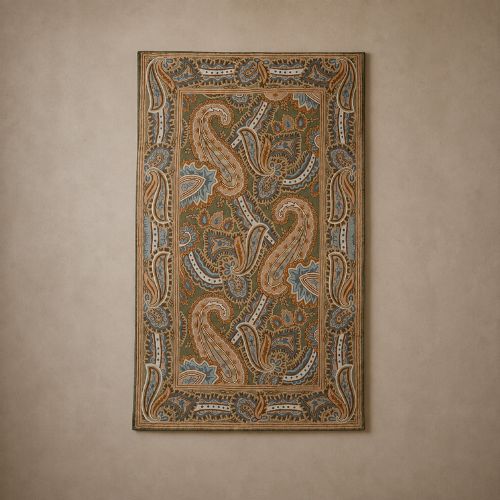
- A type of surface embroidery utilising wool yarn to create textured, flowing designs on a sturdy linen or cotton twill ground.
- Adras
- A traditional Central Asian fabric woven from a mixture of silk and cotton yarns, frequently used as a ground cloth for embroidery.
- Chyrpy
- A ceremonial ladies coat originating from Turkmenistan, heavily embroidered with silk thread across the upper body and sleeves.
Traditional Embroidered Textile: Frequently Asked Questions
How were suzanis used?
Suzanis served primarily as dowry items, wall hangings, and decorative covers within traditional homes in Uzbekistan.
Families displayed them on special occasions, and they functioned as bed covers or thresholds during ceremonies.
Can I hang textiles on the wall?
Many panels and suzanis adapt well to wall display when mounted correctly with a supportive backing.
Distributing the weight evenly across a sleeve or mounting system protects the historic fabric fibres from undue strain.
How do I clean an antique textile?
Historic needlework requires professional textile conservation rather than standard domestic washing methods.
Gentle surface vacuuming through a mesh screen removes loose dust without disturbing fragile silk or wool threads.
What is an adras ground?
An adras ground consists of a woven fabric made from a blend of wild silk and cotton yarns.
This mixed textile provided a stable yet lustrous base for artisans to stitch intricate floral and geometric embroidery.