

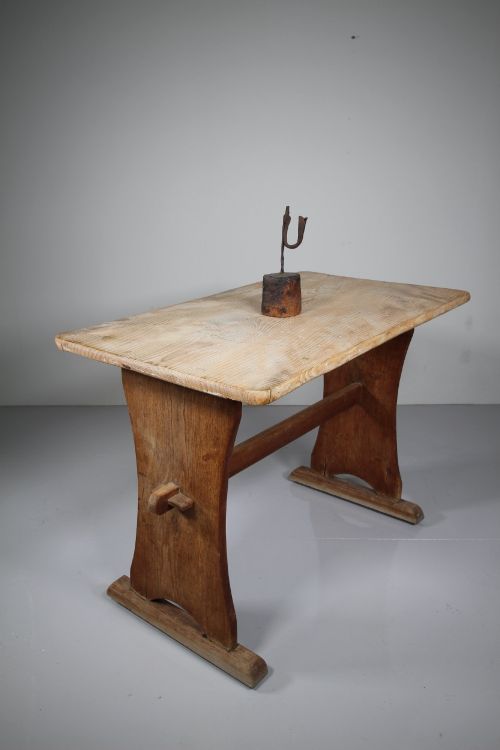

Traditional Elm Desk
These traditional elm desk alternatives and seating bring honest country craftsmanship and durable native timbers directly to your workspace.
Traditional Elm Desk
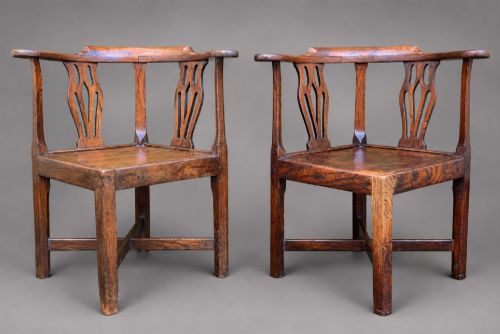
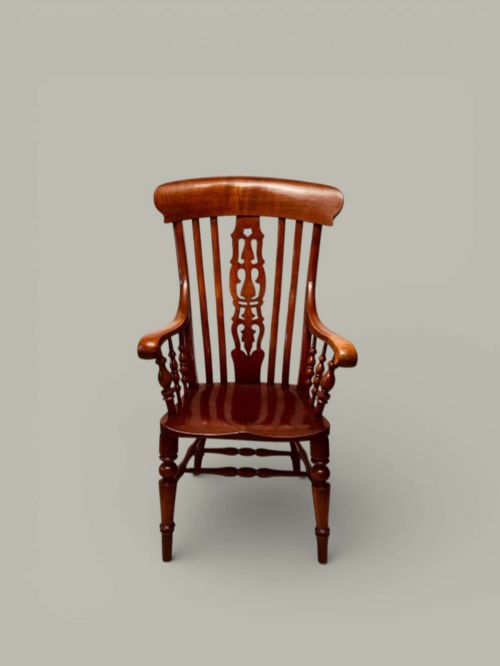
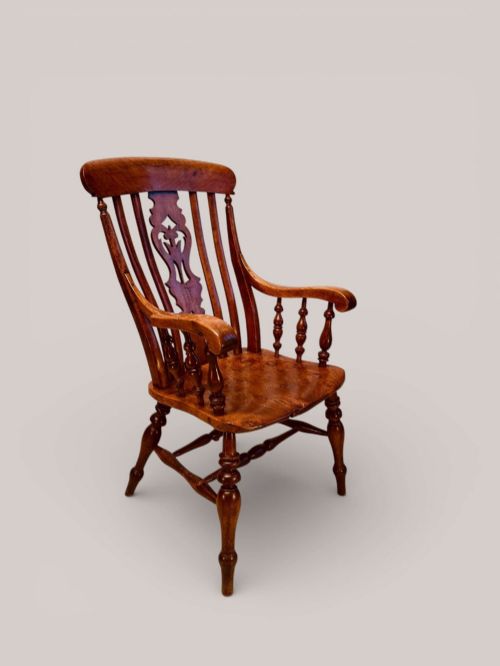
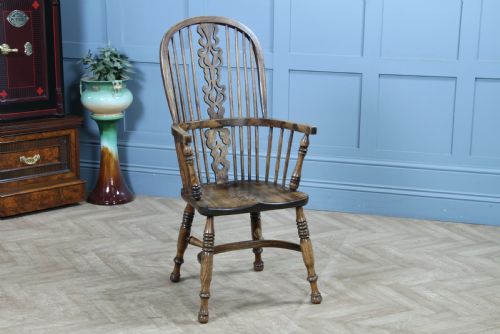
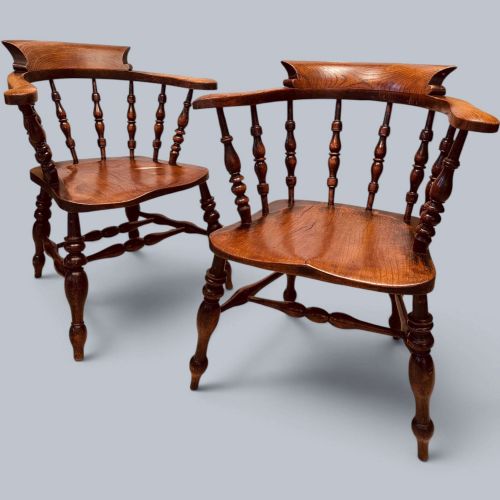
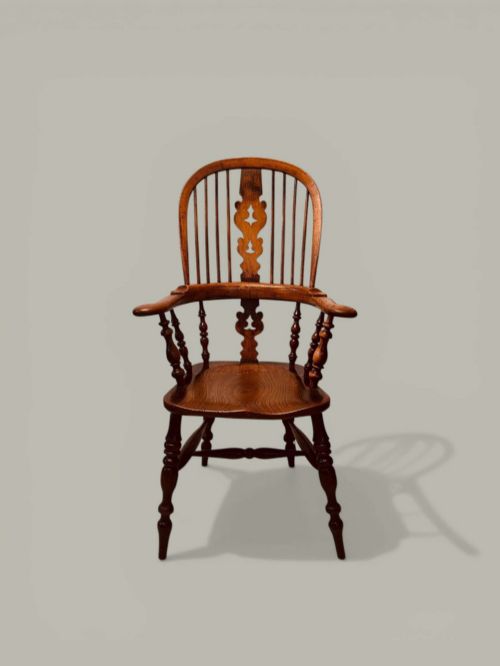
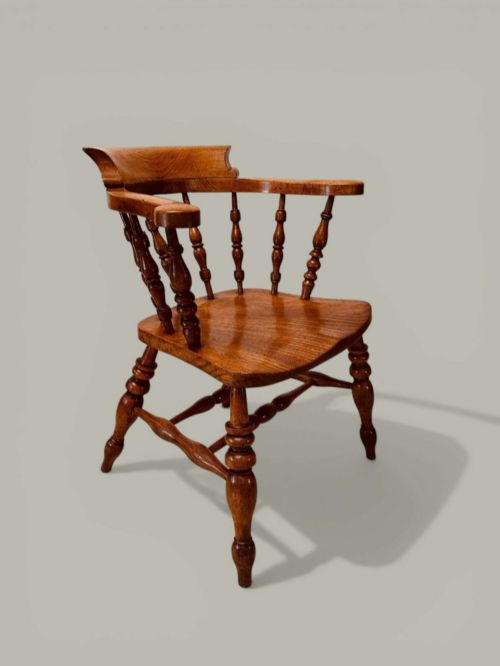
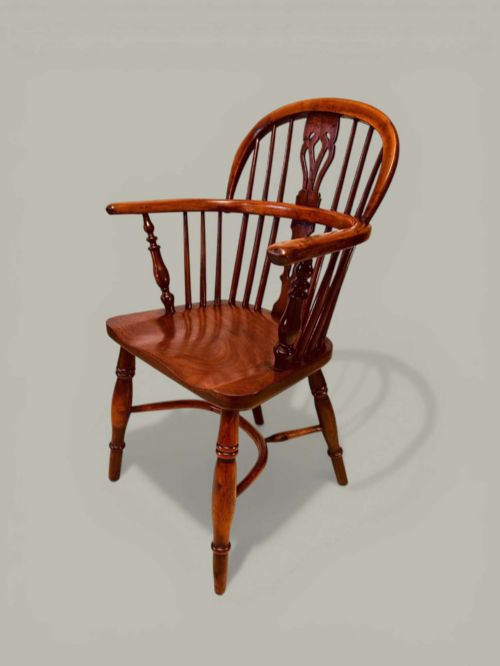
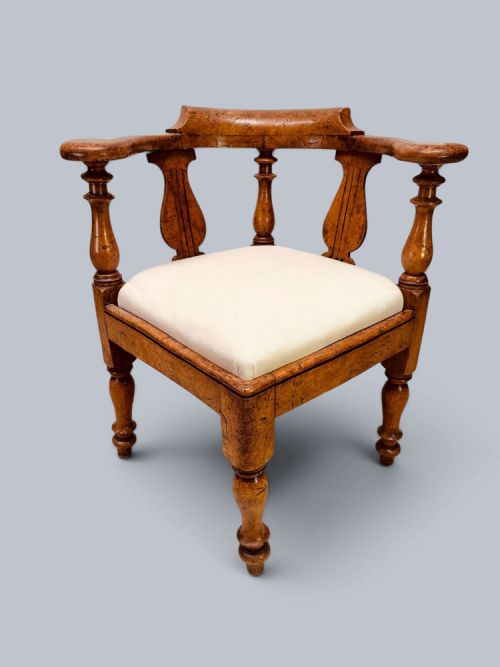
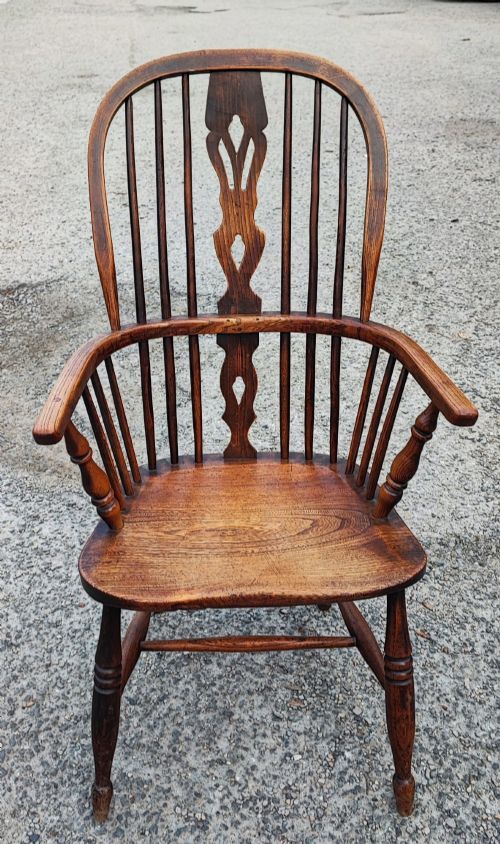
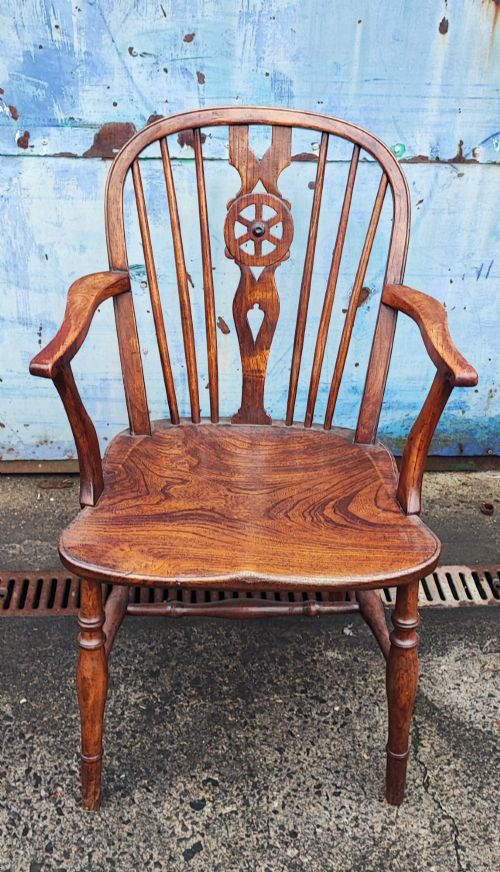
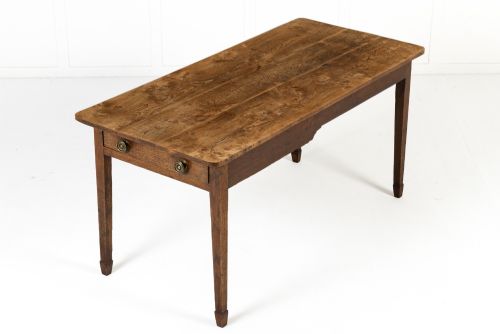
When you search for traditional elm desk pieces, you encounter sturdy vernacular seating designed for functional workspaces and farmhouse writing areas. The selection comprises robust Windsor armchairs, low-backed smoker's bows, and captain's chairs rather than standard writing tables.
Most examples hail from the nineteenth and eighteenth centuries, bearing the hallmarks of English country workshops. You find regional variations including Thames Valley and West Country forms constructed from native hardwoods.
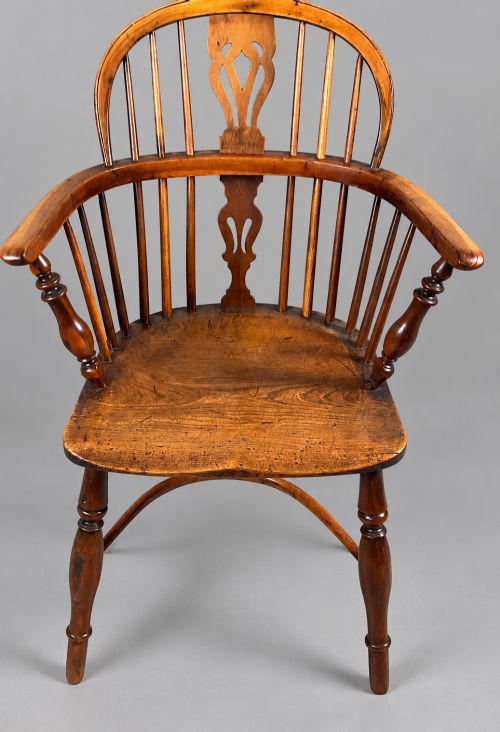
The dominant timber is elm, frequently paired with ash, beech, and fruitwood to create resilient seating suited for daily use at a desk. These chairs combine deep saddle seats with steam-bent spindles and arm bows.
Materials and construction methods
Cabinet makers and rural joiners utilised elm for the seats due to its interlocking grain, which resists splitting when shaped into solid plank forms. Legs and spindles typically employ straight-grained ash or beech for tensile strength.
Makers shaped the thick seats using adzes and scorps to create comfortable scooped depressions, then wedged tapered legs and undercarriage stretchers directly into drilled mortises. Steam-bending techniques allowed them to form continuous hoop backs and arm bows from a single flexible timber rod.
Traditional Elm Desk Retail Price Guide 2026
Typical asking prices for traditional elm desk among the pieces listed under this phrase on Sellingantiques today, from the lower quarter to the upper quarter. They describe what is for sale here now, not the wider market.
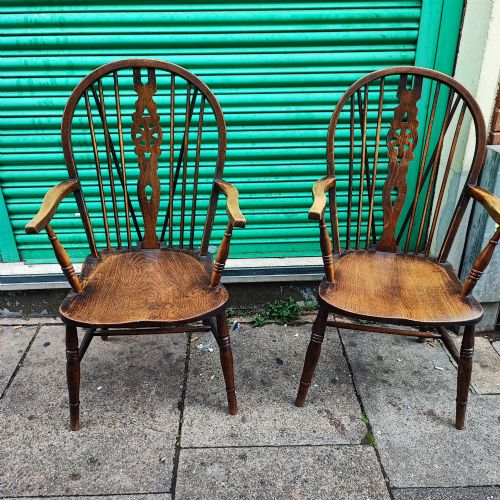
Listings feature eighteenth and nineteenth-century forms including hoop backs, low backs, and wheel backs constructed in elm, ash, and beech.
Assessing craftsmanship and proportion
Quality rests in the balance of proportions, the depth of the seat plank, and the retention of original surface patination. Superior examples display carefully sculpted comb backs, well-turned spindles, and minimal replacement parts in the structural undercarriage.
Thick, figured elm seats with distinct burr patterns and contrasting timber woods like yew or fruitwood elevate an example above standard utility seating. The crispness of the arm scrolls and the stability of the wedge joints dictate the piece's structural integrity.
J Spencer·Rockley maker
The Traditional Elm Desk Glossary
- Windsor chair
- A chair built with a solid wooden seat into which the legs and back spindles are directly inserted. This design originated in rural England before evolving into numerous regional subtypes.
- Smoker's bow
- A low-backed Windsor armchair featuring a continuous curved arm rail and short turned spindles, popular in Victorian offices and smoking rooms. It provides compact support for desk work.
- Comb back
- A Windsor chair variant where the central back spindles extend upward through a top rail to resemble the teeth of a comb. This style offers a taller backrest for the seated user.
- Penny seat
- A colloquial term for a round wooden chair seat shaped with a distinct central depression resembling a large coin. It denotes ergonomic hand-carving by country joiners.
- Vernacular furniture
- Domestic objects made by local craftsmen using regional traditions and native materials rather than adhering to formal metropolitan design rules. It prioritises utility and durability.
Traditional Elm Desk: Frequently Asked Questions
Are these chairs comfortable for daily desk work?
The deep saddle seats and supportive steam-bent back rails make these traditional chairs surprisingly comfortable for extended periods at a writing table.
Their sturdy wooden construction offers firm ergonomic posture, though many users add a simple loose cushion for extra softness.
How do I distinguish between an 18th and 19th-century Windsor chair?
Earlier eighteenth-century examples often feature higher hoops, finer spindle turnings, and distinct regional vernacular details built entirely by hand.
Nineteenth-century versions tend to show more standardised turning and occasionally incorporate machine-sawn components alongside traditional joinery.
What is the difference between a smoker's bow and a captain's chair?
Smoker's bows generally feature a lower back with a continuous curved rail designed for relaxed posture in vernacular settings.
Captain's chairs often incorporate a higher, sweeping comb or spindle back suited for upright desk tasks and office environments.
Can I use these historic chairs with modern desks?
The compact proportions and lower arm heights of these traditional country seats allow them to slide neatly beneath standard modern desk heights.
Checking the clearance between the desk underside and the chair arms ensures a proper fit for your workspace.