



Traditional Duck Painting
Traditional duck painting brings the countryside straight indoors through oils and watercolours capturing wildfowl on river banks and farmyard ponds.
Traditional Duck Painting
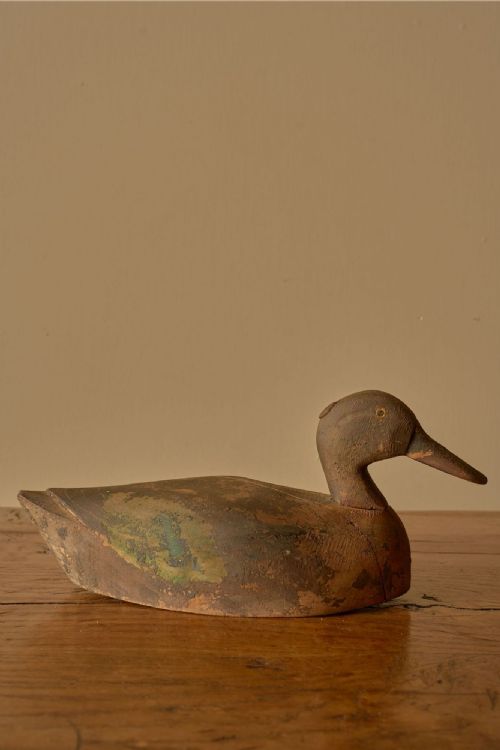
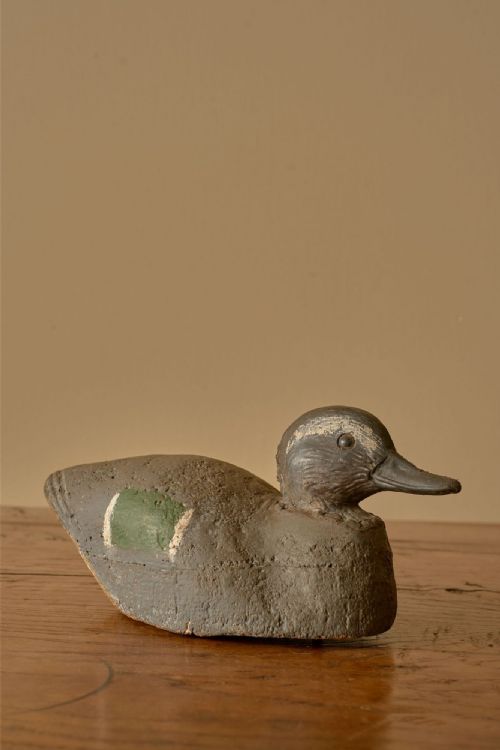
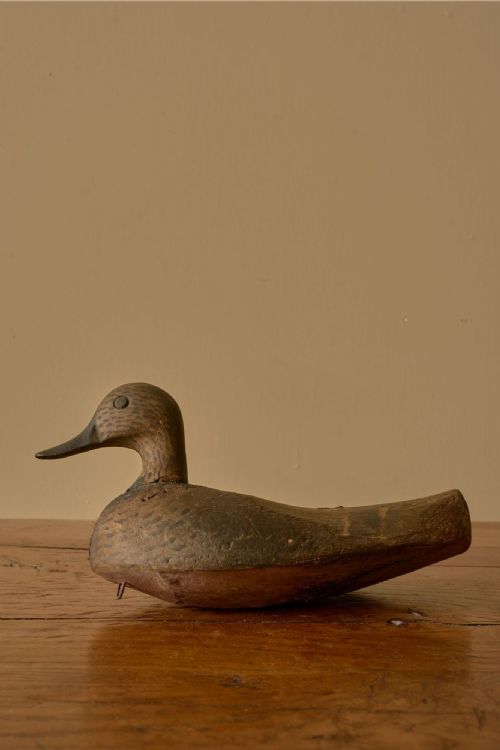
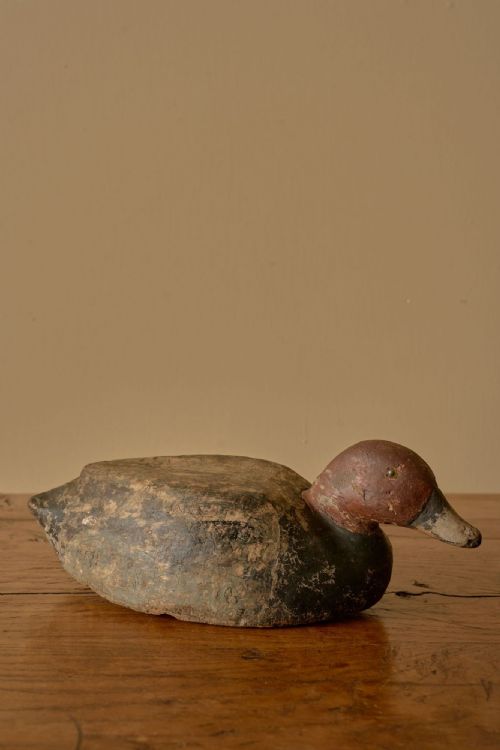
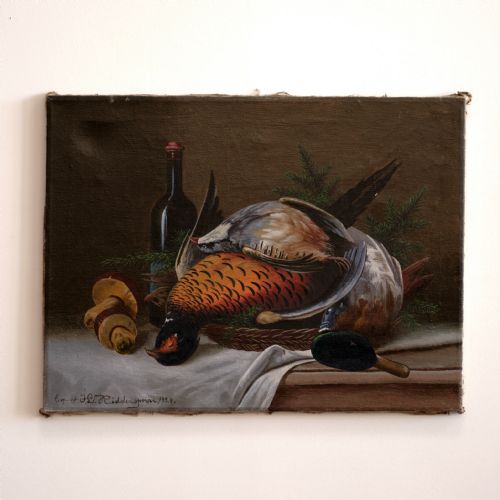
A traditional duck painting typically depicts wildfowl and farm birds in natural rural settings, spanning periods from the Georgian era through to the mid twentieth century. Buyers searching this phrase encounter oil on canvas works, watercolours, and carved wooden decoys that reflect sporting art and rural realism. These pieces celebrate British country life, portraying ducks near rivers, farmyards, and harvested fields.
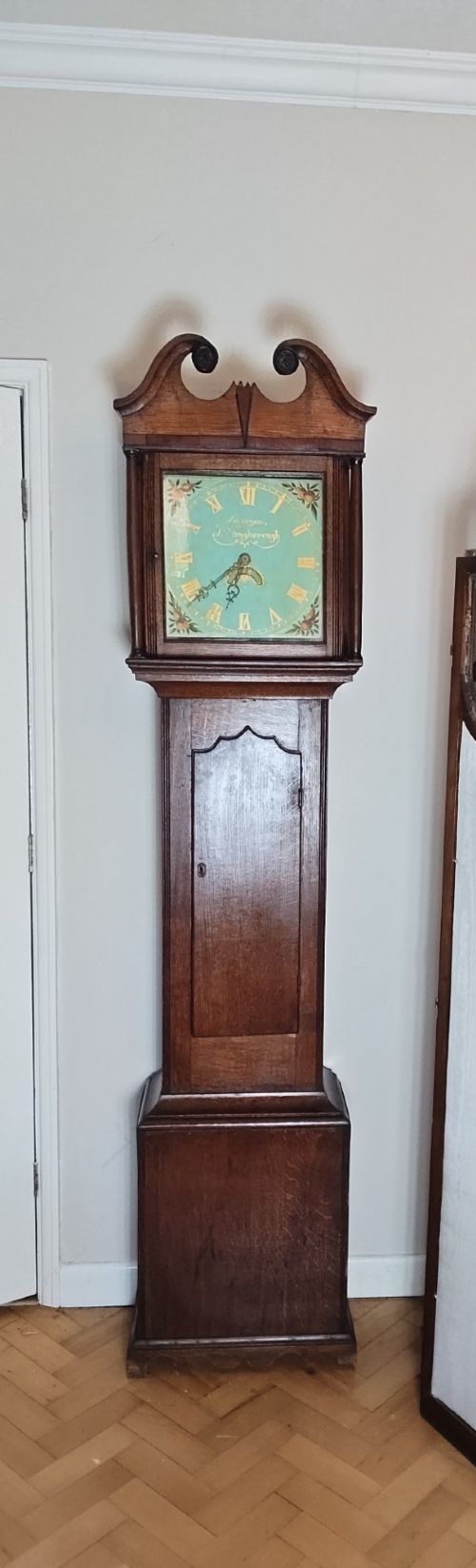
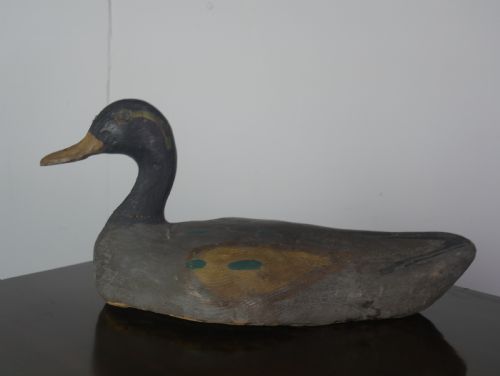
The selection ranges from detailed nineteenth century oils by listed animal painters to early twentieth century hand painted wooden decoys. Many works form part of broader farmyard and landscape scenes featuring horses, chickens, and riversides. Smaller decorative objects and clocks occasionally complement the paintings to bring rustic character into a room.
How they were made
Painters applied oil and watercolour pigments onto stretched canvas, timber panels, and paper support sheets to capture feather textures and water reflections. Artisans carved solid blocks of wood by hand to shape three dimensional decoys, finishing them with detailed brushwork in oil or traditional paint. Timber frames and glass protections frequently accompany the paper and canvas works to preserve the pigments.
Makers utilised traditional artist materials suited to nineteenth and twentieth century studio practices, building up layers to render natural light across river banks. Wooden decoys received durable coatings to withstand outdoor use on water before transitioning to interior decorative roles. The combination of carved timber, oil paint, and watercolour defines the physical nature of these works.
Traditional Duck Painting Retail Price Guide 2026
Typical asking prices for traditional duck painting among the pieces listed under this phrase on Sellingantiques today, from the lower quarter to the upper quarter. They describe what is for sale here now, not the wider market.
Listings feature works from the Georgian period through to the 1960s, executed in oil, watercolour, and carved wood.
What varies in quality
Quality rests upon the skill of the brushwork and the anatomical accuracy with which the artist renders the subject. Works by established nineteenth century painters demonstrate superior handling of light, landscape depth, and animal posture compared to anonymous decorative pieces. The precision of the hand carving and the preservation of original painted surfaces distinguish finer wooden decoys from simpler workshop examples.
The depth of the composition and the condition of the canvas, panel, or paper support influence the visual impact of a painting. Finer works retain their original pigments and framing materials without heavy overpainting, offering a clearer window into historical rural life. The presence of a recognised artist signature often aligns with a higher degree of artistic execution in the painted details.
John Frederick Herring Jnr·George Armfield·James Hardy Junior·John Frederick Herring·Arthur Walker Redgate·Alfred Banner·Constant Ludovic Artz
The Traditional Duck Painting Glossary
- Decoy duck
- A carved and painted wooden figure once used to lure wildfowl during shooting expeditions. These objects now function as decorative folk art sculptures.
- Oil on canvas
- Pigment mixed with drying oils applied to a woven fabric stretched across a wooden frame. This medium allowed artists to build rich textures and deep tones.
- Watercolour
- Pigments suspended in a water soluble medium applied to paper sheets. It creates translucent washes often seen in landscape and river studies.
- Sporting art
- A genre of painting focused on rural sports, shooting, fishing, and animals in the field. It gained significant popularity during the Victorian period.
- Folk art
- Items created by traditional craftsmen or amateur makers using regional techniques. These pieces emphasise functional utility and rustic charm over academic fine art rules.
Traditional Duck Painting: Frequently Asked Questions
What is a traditional duck painting?
It is an artwork depicting wildfowl or farm ducks within a rural landscape, executed in oil or watercolour during the nineteenth or twentieth century.
These pieces reflect historic British country life and sporting traditions, capturing birds on river banks, ponds, and farmyards.
How were wooden duck decoys used?
Decoys were floated on water or placed on banks by hunters to attract live ducks within range during shooting expeditions.
Over time, many of these carved wooden pieces transitioned into decorative folk art objects displayed inside homes.
Where do these paintings fit at home?
They suit country houses, studies, and living rooms decorated in traditional or rustic styles where nature themes predominate.
Grouping carved wooden decoys alongside framed oil paintings creates a cohesive display celebrating rural heritage.
How do I identify the period of a piece?
The materials, framing methods, and artistic style provide key clues to the age of a painting or carved decoy.
Nineteenth century works often feature canvas supports and academic realism, while early twentieth century items lean towards simpler folk art finishes.