

Traditional Dressing Table
A traditional dressing table brings historic timber and considered proportion to a bedroom, offering a surface for daily routine that carries genuine age.
Traditional Dressing Table
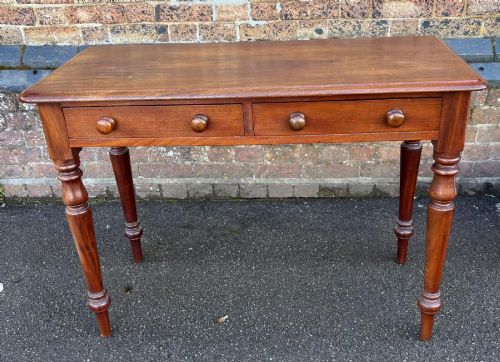
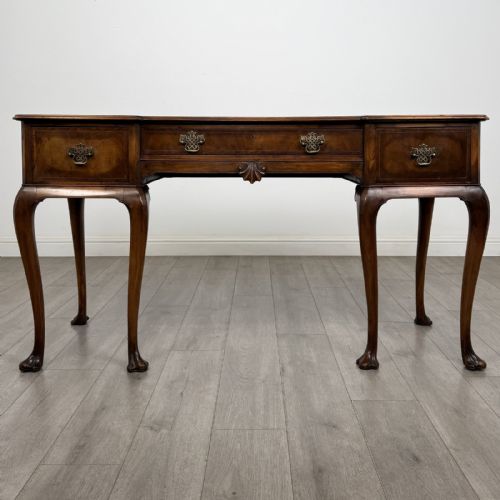
When you search for a traditional dressing table, you encounter pieces that span the eighteenth, nineteenth, and early twentieth centuries, drawing on Georgian, Victorian, and Edwardian periods. These pieces often overlap in form with lowboys, writing tables, and side tables fitted with drawers.
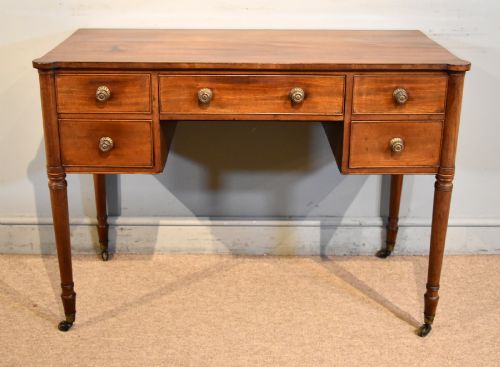
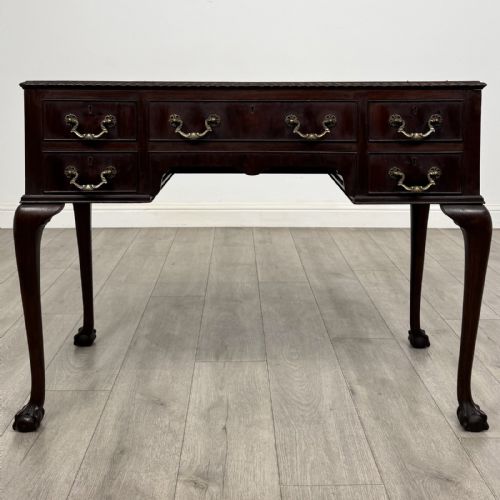
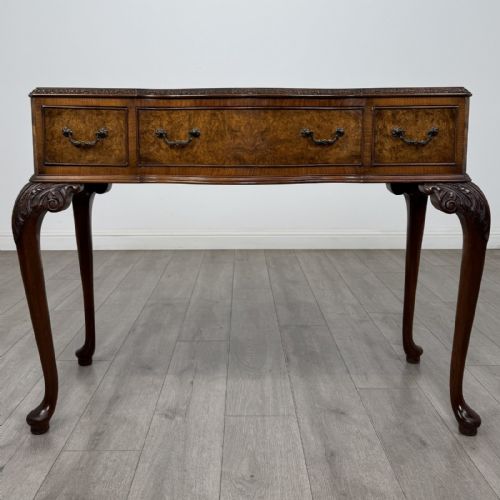
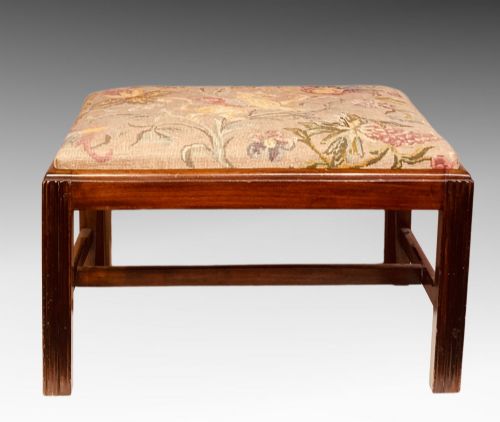
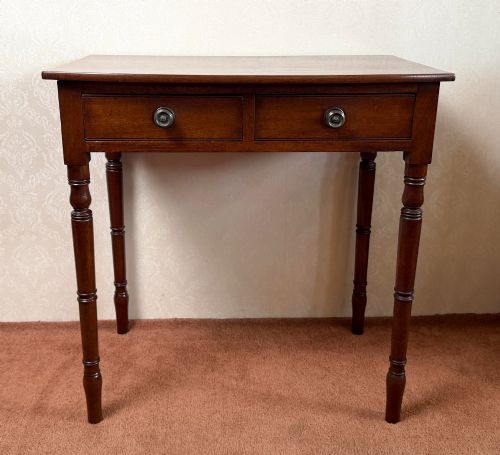
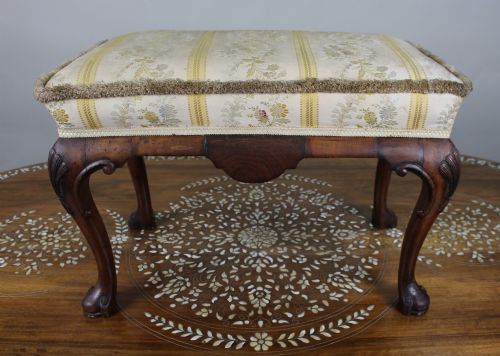
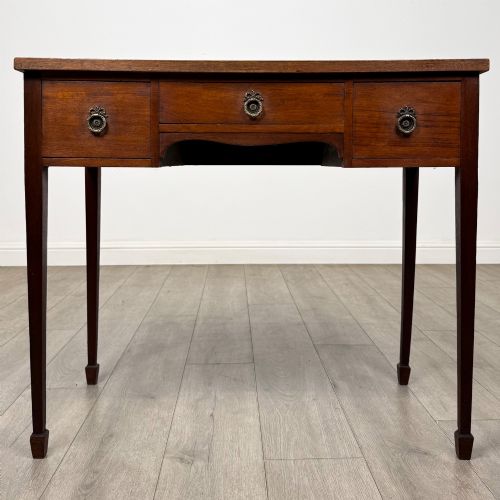
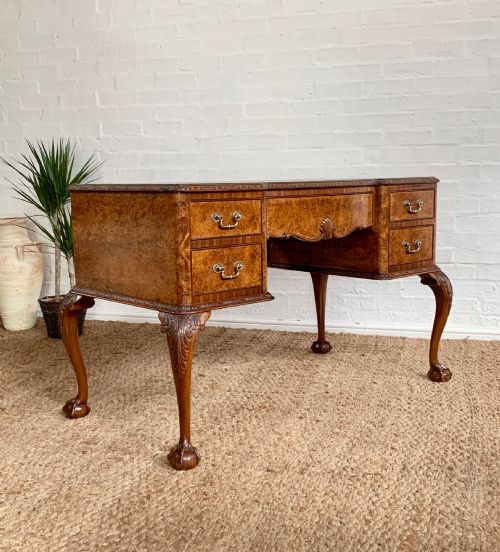
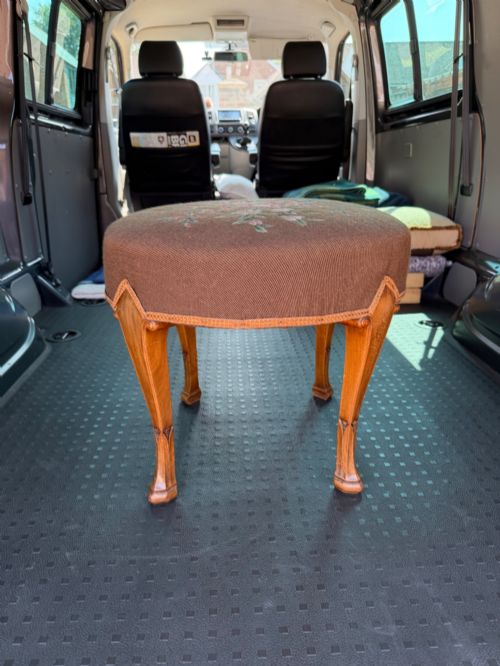
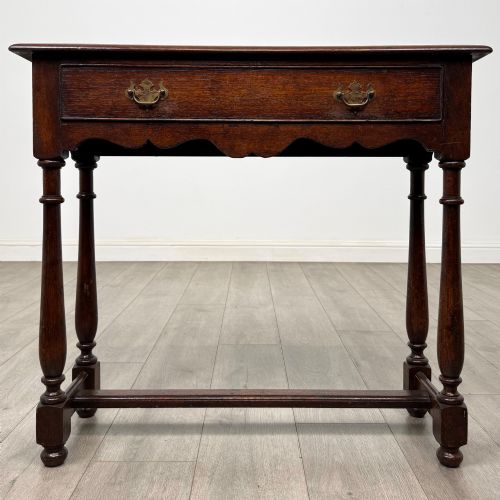
The version most commonly met on this page is the mahogany or burr walnut table featuring multiple small drawers, sometimes accompanied by related seating such as dressing stools or footstools. Oak and pine examples also appear, representing country house and simpler domestic workshops.
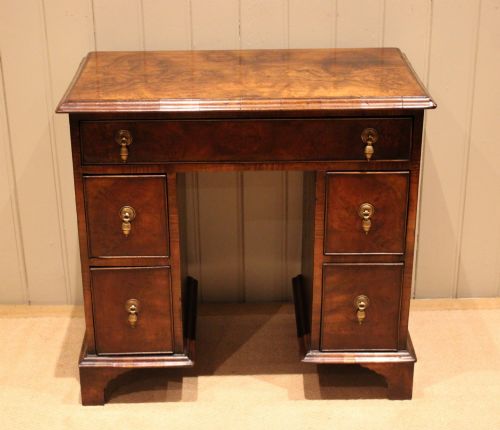
Makers and regional cabinet makers utilise traditional forms such as the lowboy or kneehole desk to serve the function of a dressing table. The structural layout relies on solid timber frames housing dovetailed drawers designed for personal storage.
How they were made
Cabinet makers constructed these pieces using dense hardwoods like mahogany, oak, and walnut, frequently applying burr walnut or flame mahogany veneers with crossbanding to primary display surfaces. Secondary timbers such as pine or oak formed the interior drawer linings.
Construction techniques include hand-cut dovetailing for drawer construction and mortise and tenon joints for the sturdy frames. Brass hardware, leather writing surfaces, and carved details like cabriole legs or barley twist supports complete the execution.
Traditional Dressing Table Retail Price Guide 2026
Typical asking prices for traditional dressing table among the pieces listed under this phrase on Sellingantiques today, from the lower quarter to the upper quarter. They describe what is for sale here now, not the wider market.
Listings feature pieces spanning the 18th century through to the 1930s, constructed in mahogany, oak, walnut, and pine.
What varies in quality
The distinction between standard domestic production and superior cabinet work lies in the selection of timbers and the precision of the veneer figure. Fine burr walnut and flame mahogany exhibit lively, matched grain patterns across the drawer fronts and top.
Proportion and restrained enrichment define the better pieces, where carved cabriole legs or barley twist supports integrate harmoniously with the overall form. Original brass handles and uncompromised structural integrity elevate the standing of a piece.
Gillows·Wylie and Lochhead Glasgow·J A Mein Edinburgh Cabinet Maker
The Traditional Dressing Table Glossary
- Lowboy
- A small oak or walnut table with one or more rows of drawers, commonly used as a dressing table or side table in the eighteenth century.
- Kneehole desk
- A desk or dressing table featuring a central recess for the legs, flanked by pedestals of small drawers.
- Crossbanded
- A border technique where thin strips of veneer are laid perpendicular to the grain of the central panel.
- Lowboy
- A low dressing table or side table dating frequently from the eighteenth century, equipped with drawer storage.
- Cabriole leg
- A furniture leg that curves out and then in, tapering to a foot, typical of Queen Anne and related revival styles.
Traditional Dressing Table: Frequently Asked Questions
How do I date a traditional dressing table?
Dating relies on observing construction methods, timber choices, and hardware styles across the piece. Hand-cut dovetails and secondary woods often point to earlier eighteenth or nineteenth-century origins.
Revival pieces from the Edwardian era or the 1920s imitate earlier Georgian or Queen Anne lines but reveal machine assistance or twentieth-century secondary timbers upon closer inspection.
Were lowboys used as dressing tables?
Eighteenth-century lowboys frequently doubled as dressing tables, providing a flat surface and drawer space for grooming equipment before dedicated dressing tables became widespread.
Their compact scale allows them to function comfortably as modern dressing tables or console tables in smaller bedrooms.
How do I care for antique wood surfaces?
Maintain timber surfaces by applying quality beeswax periodically and avoiding direct placement near heat sources or strong sunlight. Gentle dusting with a soft cloth preserves the polished finish.
Protect leather writing surfaces from moisture and direct chemical contact to maintain the original tooling and colour.
What is the difference between a kneehole desk and a dressing table?
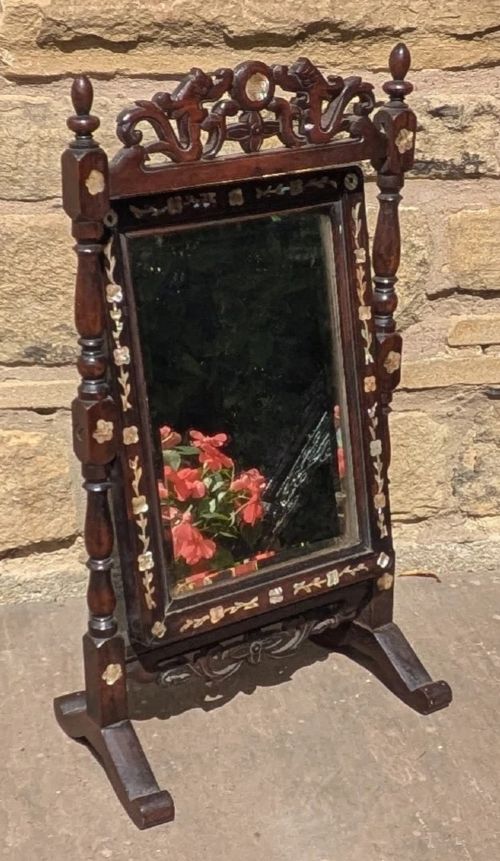
Kneehole desks and dressing tables share pedestal drawer configurations and central leg recesses, often leading to overlapping use across different periods. Historically, dressing tables might accommodate mirrors or specialised compartments.
Many lowboys and side tables listed under this search perform identical functions in a modern bedroom regardless of their original designation.