


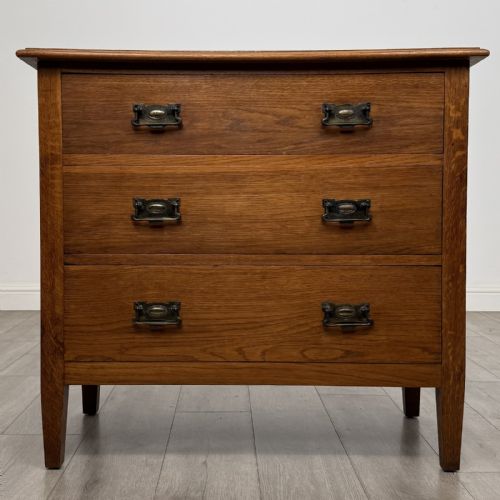
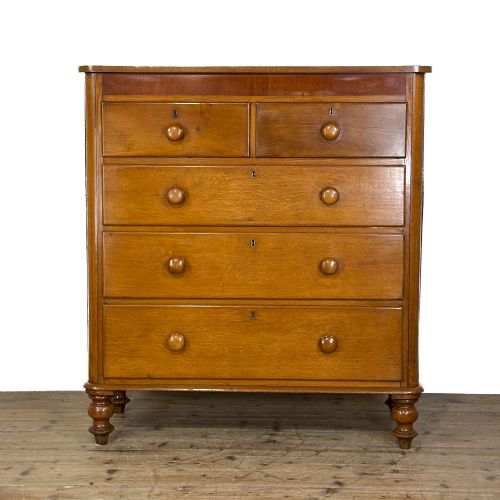
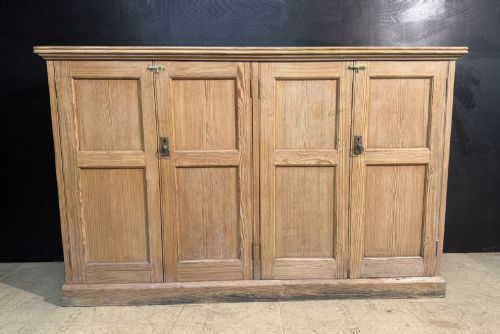

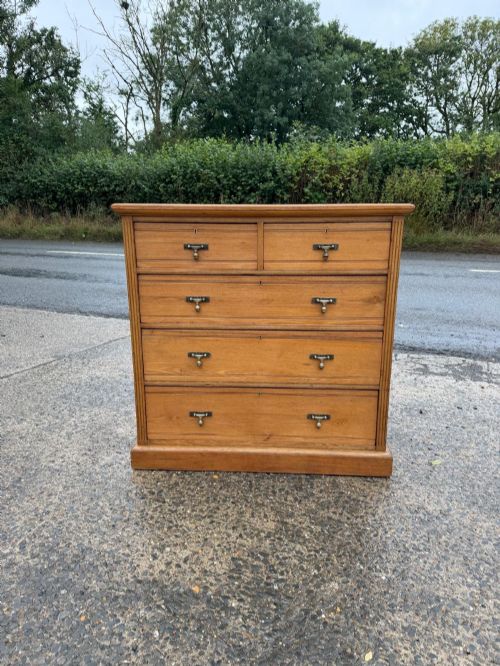
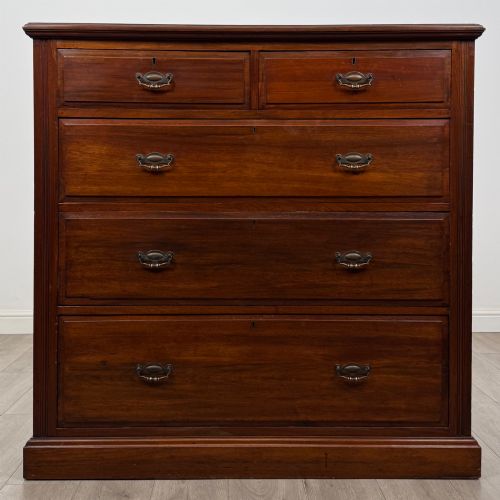
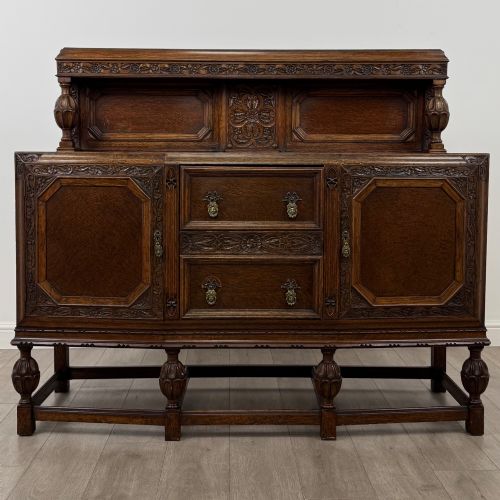
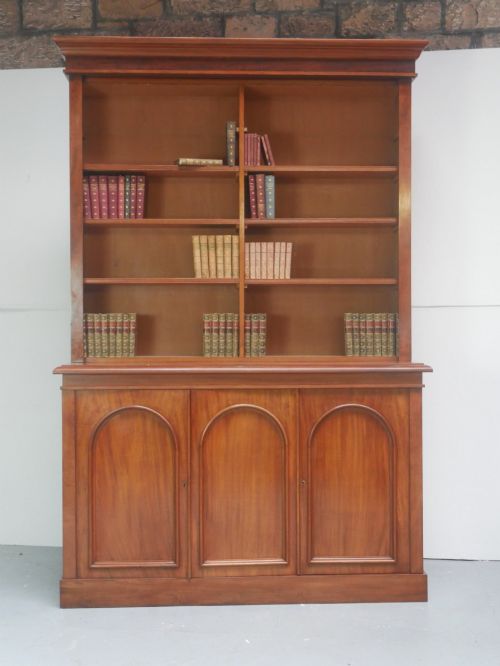
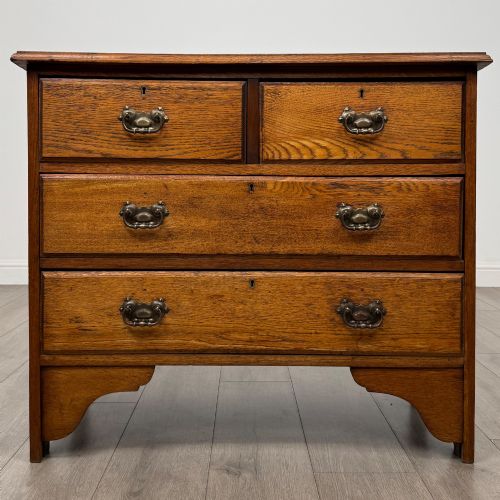
Traditional Dresser Unit
A traditional dresser unit brings solid oak and pine storage into a room, offering deep drawers and display shelves rooted in centuries of cabinet-making.
Traditional Dresser Unit
A traditional dresser unit encompasses robust timber furniture designed for storage and display, spanning centuries of British and continental craftsmanship. When exploring traditional dresser units, buyers frequently encounter kitchen dressers with open wall racks alongside substantial drawer chests and display cabinets.
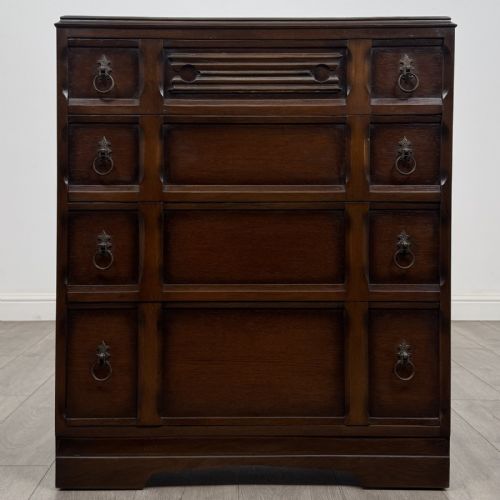
The pieces on this page originate from diverse eras, stretching from the eighteenth century through the Victorian and Edwardian periods into the early twentieth century. Styles range from Georgian country forms and rustic farmhouse iterations to Jacobean Revival and Victorian Country designs.
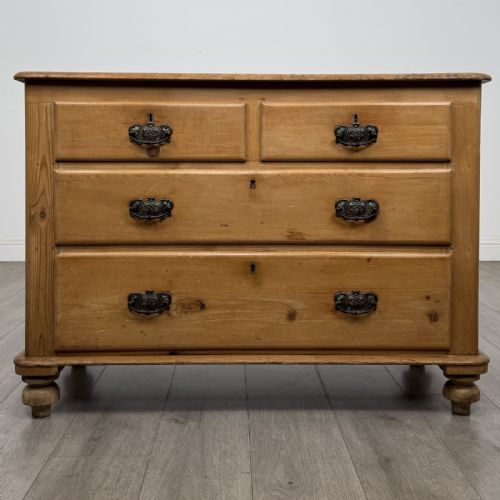
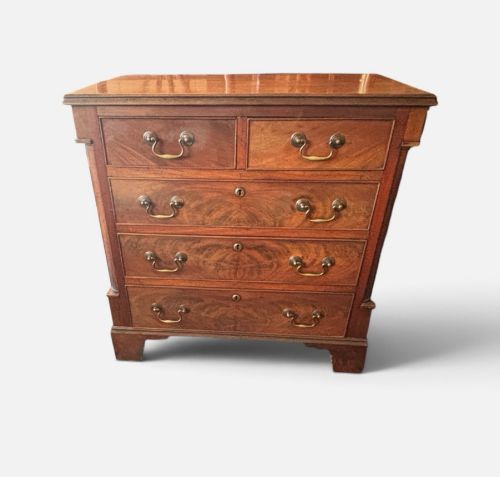
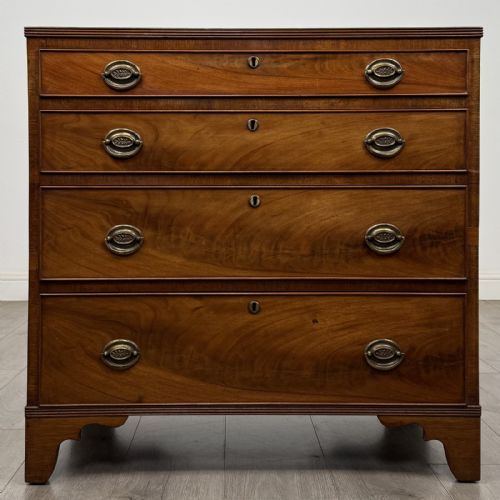
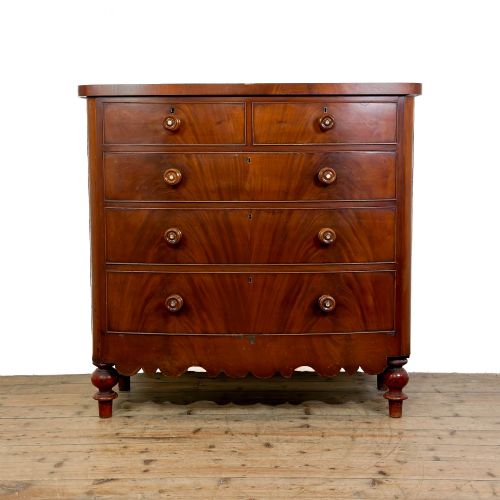
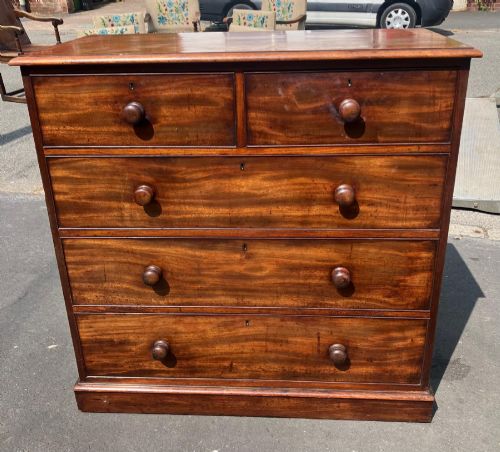
Forms vary from pine kitchen dressers and low storage cupboards to mahogany bachelor chests and oak corner cabinets. Oak and pine dominate the vernacular pieces, while mahogany and walnut shape the more formal examples.
How they were made
Cabinet makers relied predominantly on solid timbers including oak, pine, and mahogany, supplemented by walnut, yew wood, and brass for handles and fittings. Construction often involved traditional joinery, dovetailing drawer carcases, and mounting panelled doors.
Surfaces received various finishes, from waxed pine and golden oak to polished flame mahogany and carved details. Glazed doors utilised plain or leaded glass to enclose display areas, while brass acorn handles and turned legs completed the construction.
Traditional Dresser Unit Retail Price Guide 2026
Typical asking prices for traditional dresser unit among the pieces listed under this phrase on Sellingantiques today, from the lower quarter to the upper quarter. They describe what is for sale here now, not the wider market.
Listings feature oak, pine, and mahogany pieces spanning the eighteenth century to the early twentieth century.
What varies in quality
The standard of a traditional dresser unit rests upon the selection of timber, the crispness of carved mouldings, and the retention of original hardware such as brass face handles. Superior examples display thoughtful grain matching, particularly in flamed mahogany and figured oak surfaces.
Structural integrity and the survival of original components, from raised galleries to leaded glass, distinguish finer pieces from heavily altered or later utility furniture.
The Traditional Dresser Unit Glossary
- Raised gallery
- A low decorative upstand attached to the rear or sides of a chest top to prevent items from sliding off.
- Dovetail
- A traditional interlocking joint used in drawer construction that provides robust tensile strength.
- Wall rack
- An open-shelved wooden unit mounted to the wall above a dresser base for displaying plates and kitchenware.
- Flame mahogany
- Mahogany veneer exhibiting a distinctive flickering flame-like grain pattern prized for its decorative appearance.
- Corner cabinet
- A specialised storage piece built with an angled footprint designed to fit snugly into the corner of a room.
Traditional Dresser Unit: Frequently Asked Questions
How do I date a dresser?
Dating relies on identifying timber choices, construction methods, and stylistic cues associated with periods like the Georgian era, Victorian reign, or Edwardian epoch.
Examinations of drawer dovetails, handle styles, and secondary woods help establish whether a piece belongs to the eighteenth century or later revivals.
Are pine dressers durable?
Pine dressers constructed in the eighteenth and nineteenth centuries utilise dense old-growth timber that withstands generations of domestic use.
Properly maintained waxed or painted surfaces protect the softwood while allowing the grain and natural markings to age gracefully in a modern home.
Where should I place a dresser unit?
These units suit kitchens, dining rooms, and living spaces where their storage capacity and display shelves can be fully utilised.
Placing them away from direct heat sources protects the antique timber, glues, and traditional wax finishes from drying out over time.