


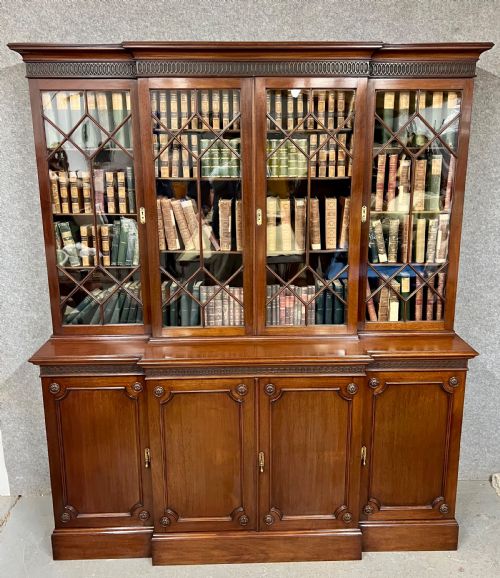
Traditional Display Case
A traditional display case holds treasured books and objects behind glass, bringing period craftsmanship straight into a modern room.
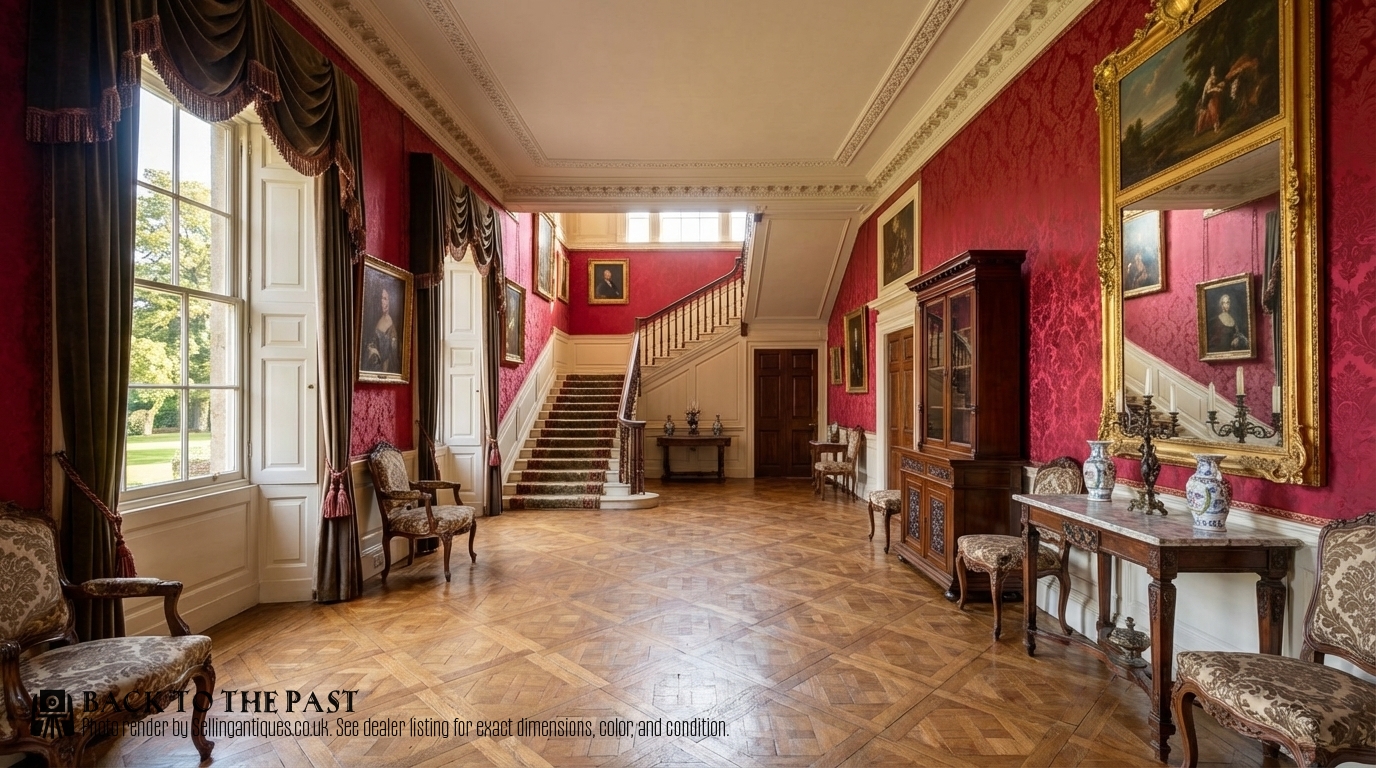
Traditional Display Case
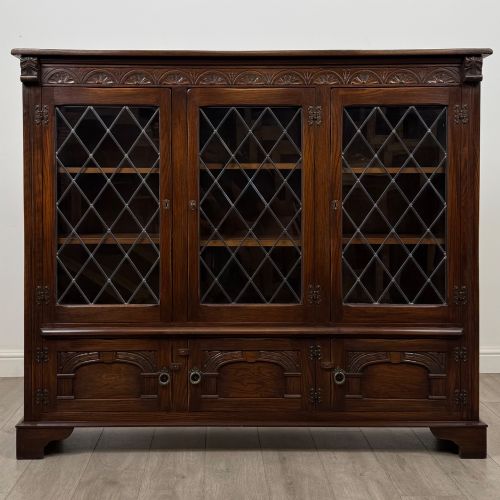
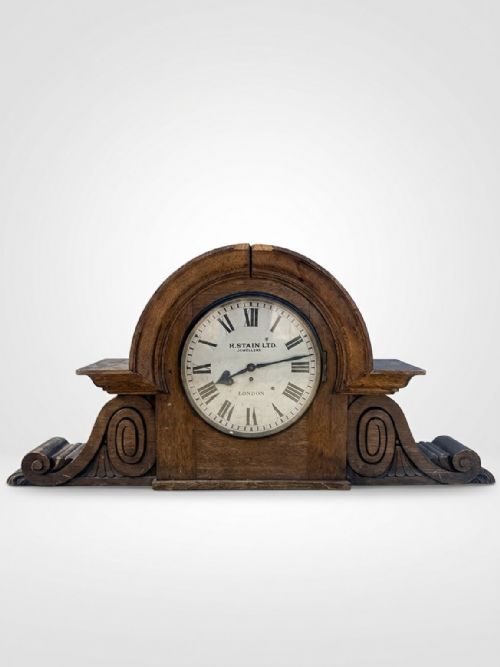
A traditional display case encompasses glazed bookcases, corner cabinets, vitrines, and bookcase cabinets built across the Georgian, Victorian, Edwardian, and interwar periods. These pieces serve to organise collections, books, and curiosities while protecting them from dust behind timber frames and glass panels.
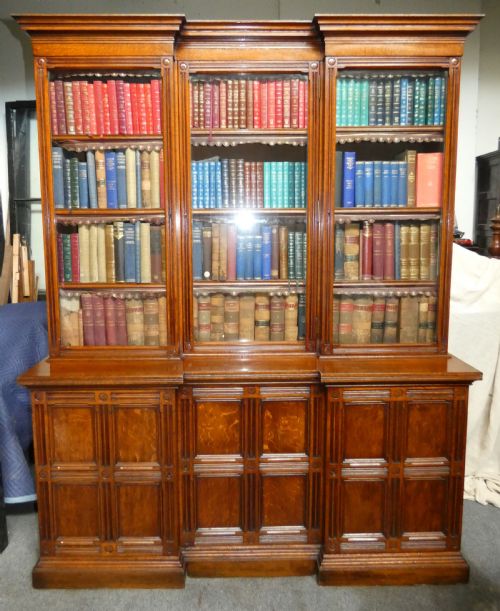
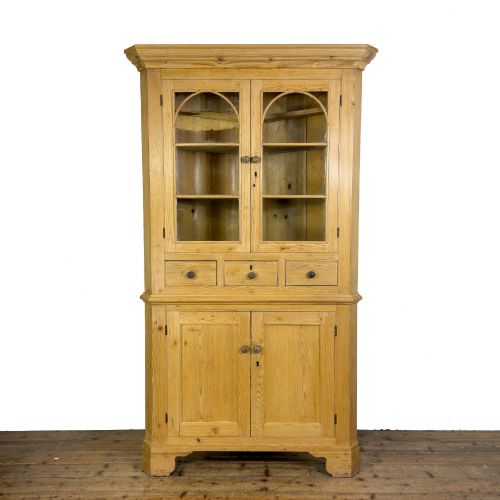
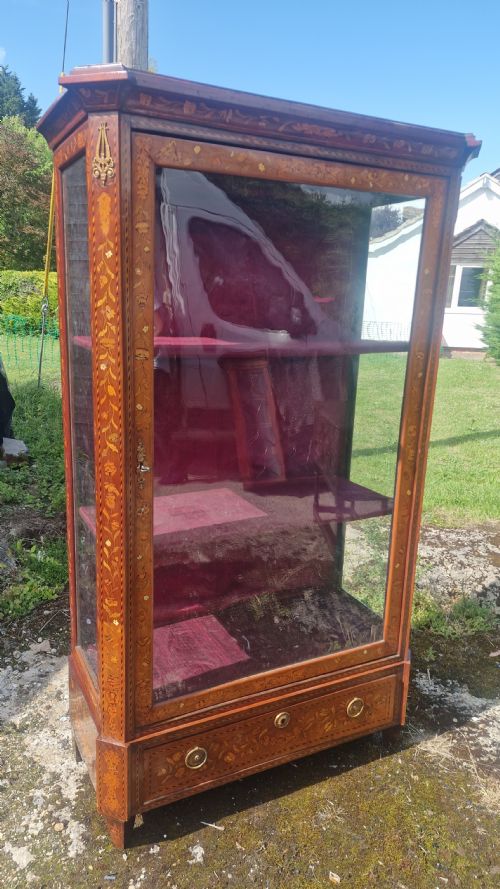
The versions most frequently met on this page are oak and mahogany pieces from the Victorian and Edwardian eras, alongside Georgian and interwar examples. Formats range from tall two-section breakfront bookcases to compact corner cupboards and Dutch marquetry vitrines.
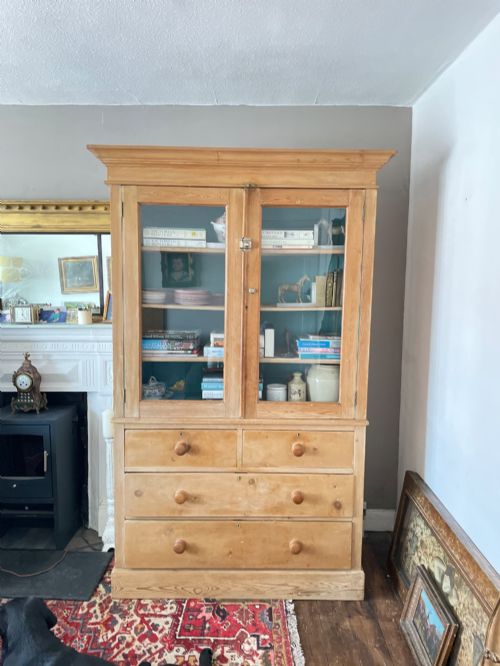
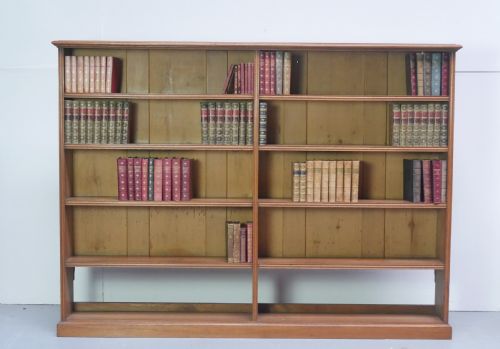
Proportions vary from small bow-front corner units designed to fit tight domestic spaces to large architectural library bookcases intended for substantial rooms. Many combine open shelving or glazed upper doors with enclosed wooden cupboards below.
What varies in quality
Quality rests upon the selection of timber and veneer, from plain waxed pine and solid oak up to figured burr walnut and rich mahogany. The fineness of the joinery, the execution of carved details, and the crispness of inlaid work set finer examples apart.
Hardware choice and glass selection contribute significantly to the character of a piece, with bevelled plates and original brass fittings marking out superior execution. The balance of proportions and the integrity of the original finish determine the overall presence of the cabinet.
Listings feature oak, mahogany, walnut, pine, brass, and iron across Victorian, Edwardian, Georgian, and 1930s periods.
The Traditional Display Case Glossary
- Vitrine
- A glass-fronted cabinet specifically designed for displaying fine objects and porcelain. These often feature glazed sides to maximise light reflection.
- Astragal
- Moulding strips used to divide glass panes within a door frame. They form geometric patterns typical of Georgian and Edwardian cabinet work.
- Breakfront
- A piece of furniture where the central section projects forward from the flanking wings. This architectural arrangement creates depth and shadow.
- Marquetry
- The art of applying decorative veneer pieces to a structure to form pictorial or geometric patterns. Walnut and exotic woods are frequently employed for this.
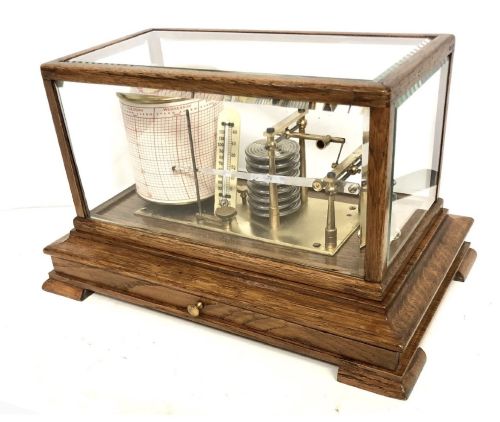
- Barograph
- A recording barometer housed in a wooden and glass case, often featuring a chart drawer and thermometer. These scientific instruments date widely to the Victorian era.
Traditional Display Case: Frequently Asked Questions
How do I clean the glass?
Use a gentle glass cleaner applied to a cloth rather than directly onto the wood. This prevents moisture from damaging antique polishes and frames.
Keep cloths soft to avoid scratching older glass panes, which may be thinner than modern equivalents.
Where should I place a corner cabinet?
Corner cabinets make effective use of dead space in a room while drawing the eye to interesting angles. Position them away from direct sunlight to protect timber finishes and contents.
Ensure the floor is level so the doors hang true and close evenly against the frame.
Can these hold heavy books?
Solid oak and mahogany bookcases are built to bear substantial weight across their wooden shelves. Check the depth and thickness of individual shelves before loading heavy volumes.
Distribute weight evenly across the shelf span to prevent bowing over time.
How do I identify an Edwardian piece?
Edwardian cabinets often feature lighter mahogany timbers, delicate string inlay, and Edwardian or Sheraton revival styling. They tend to look brighter and more restrained than heavy Victorian designs.
Look for machine-sawn timber elements alongside traditional hand-finished joinery, which is typical of the period.