
Traditional Desk Seat
A traditional desk seat brings solid nineteenth-century timber and sturdy construction to a study, offering genuine historical character for daily workspace use.
Traditional Desk Seat
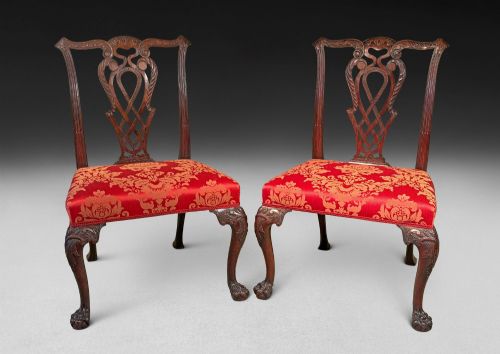
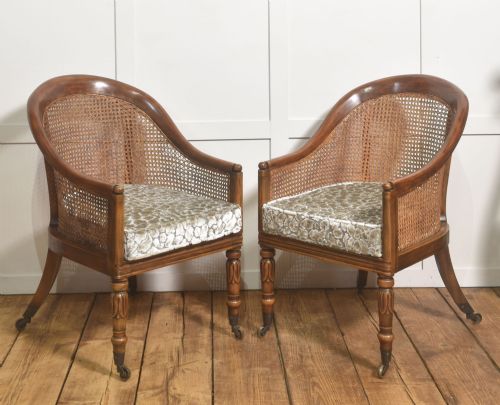
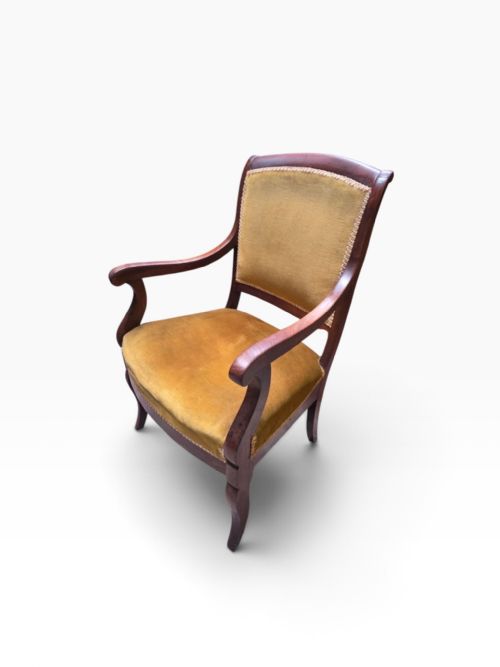
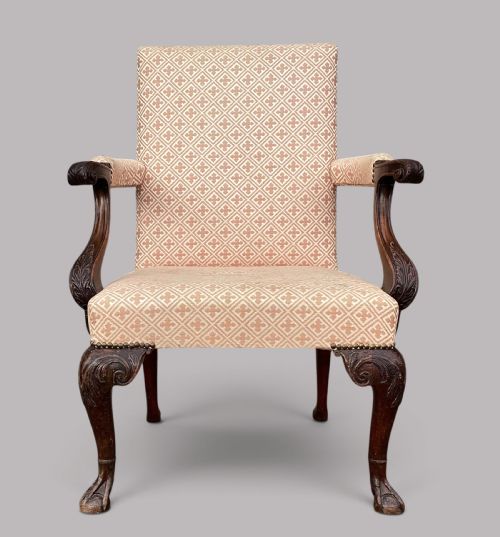
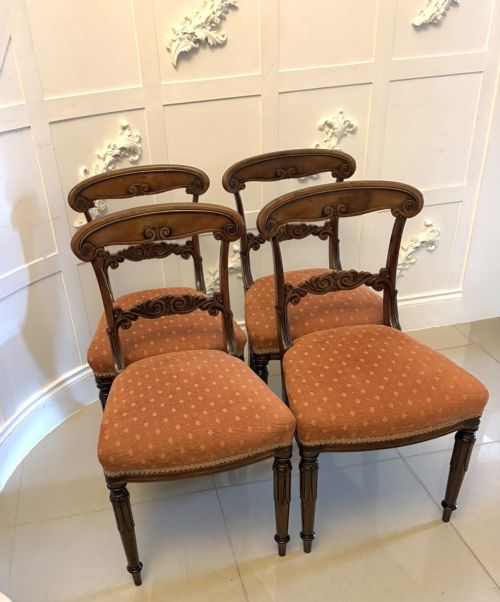
When searching for a traditional desk seat, buyers encounter a robust variety of wooden seating spanning the eighteenth, nineteenth, and early twentieth centuries. The selection encompasses vernacular country armchairs, Windsor forms, and upholstered library chairs designed for writing and study.
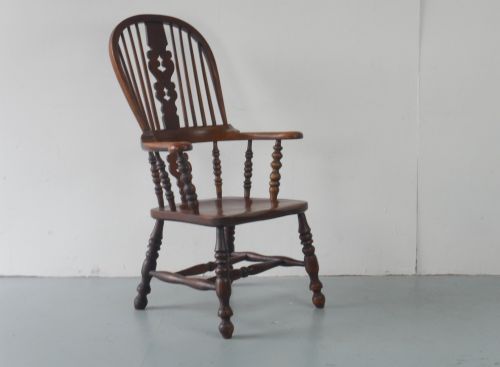
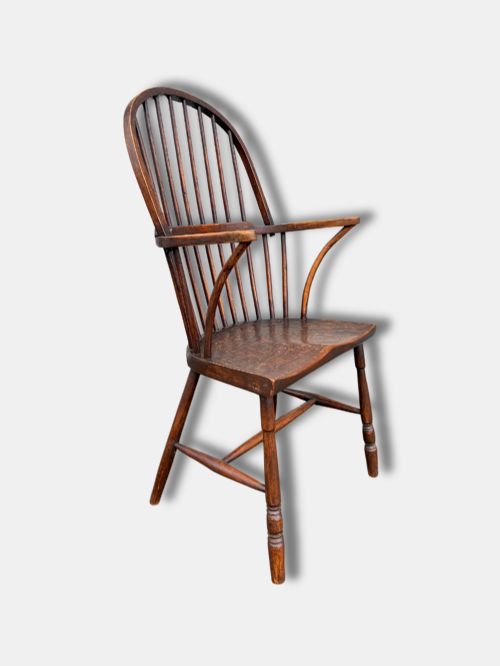
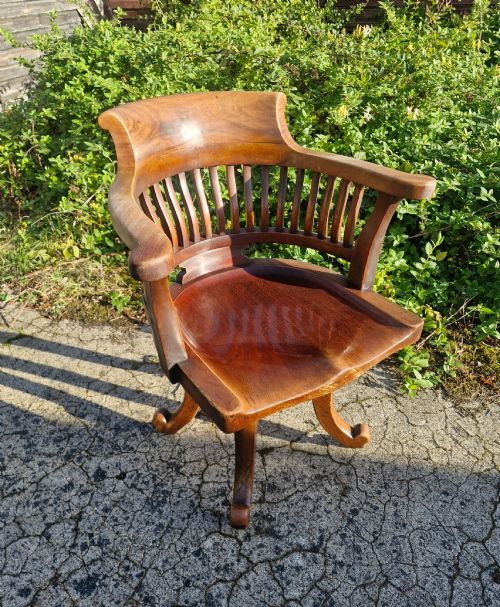
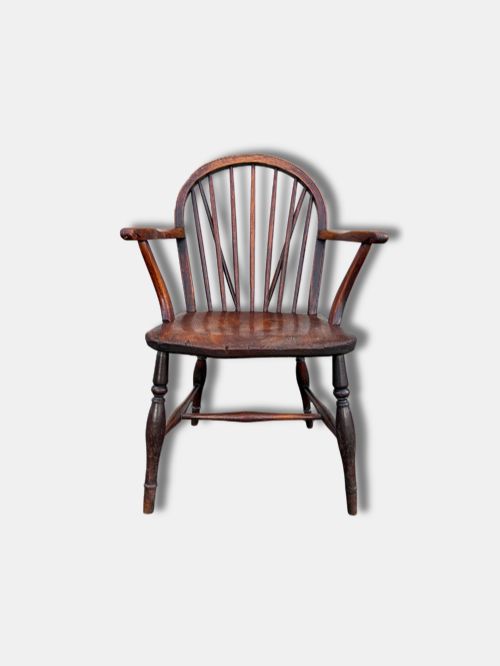
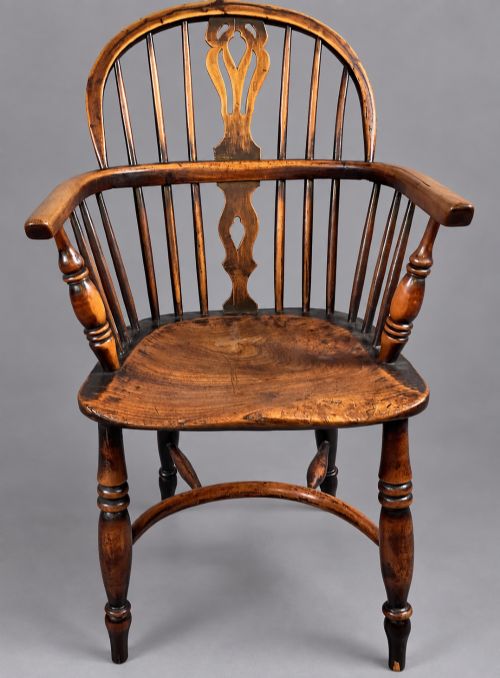
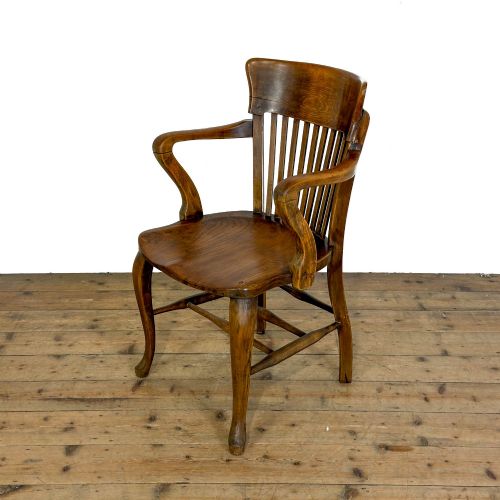
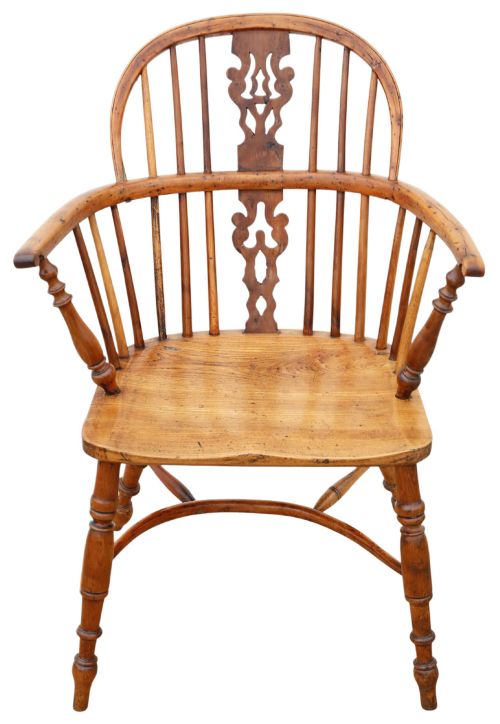
The version most commonly met on this page is the nineteenth-century wooden armchair, frequently combining native timbers like elm, ash, and yew in traditional stickback or Windsor designs. Alongside these sit mahogany library chairs and swivel office variations from the Victorian and Edwardian periods.
Materials and construction
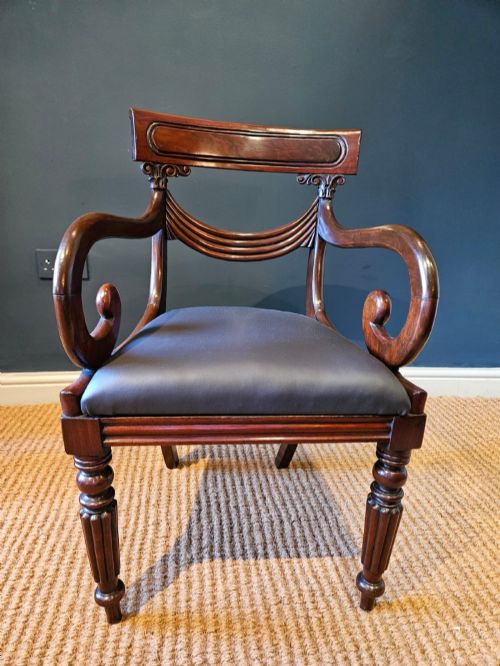
Construction relies heavily on traditional joinery paired with dense native and imported hardwoods. Elm and ash provide tough, resilient seats and bentwood bow frames, while mahogany and walnut form the structural basis for formal library and Gainsborough models.
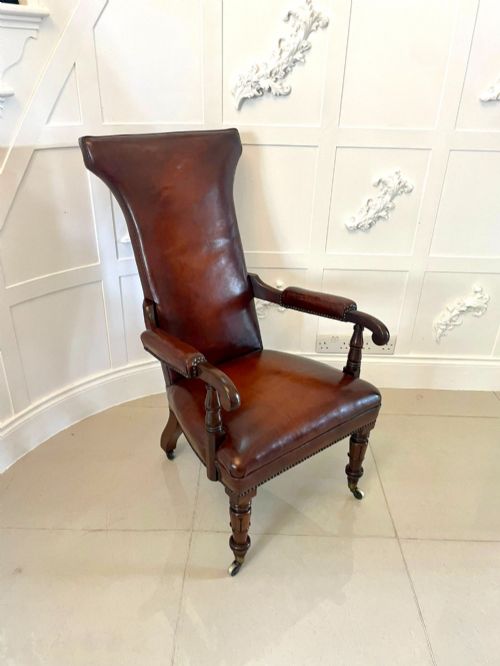
Surface finishes range from polished mahogany and fruitwood to waxed elm and original patinated wood. Leather upholstery frequently appears on revolving office and library chairs, secured with brass studding.
One remarkably detailed nineteenth-century desk seal depicts a tiny dog of fo perched atop a chunky carved jade-type stone.
Judging quality in seating
Quality rests upon timber selection and the retention of original surface patination rather than mere age. Examples utilising figured mahogany, substantial yew wood, or carefully turned spindle work demonstrate superior workshop origins.
Structural integrity and untouched original finishes separate utilitarian seating from exceptional vernacular or formal pieces. Subtle hand-carving and well-executed joinery distinguish fine regional workshop production from standard output.
Charles Tozer
The Traditional Desk Seat Glossary
- Windsor chair
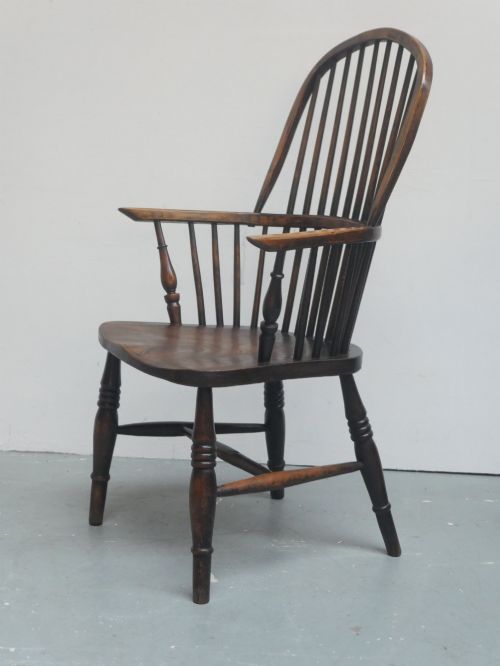
- A wooden chair featuring a thick solid timber seat into which the legs and back spindles are directly wedged. These vernacular seats often incorporate bentwood hoops and comb backs.
- Gainsborough chair
- A wide, upholstered armchair with open padded arms, originating in the mid-eighteenth century. They typically stand on square legs and serve well at a partners desk.
- Vernacular
- Objects made by regional craftsmen following local traditions rather than strict academic pattern books. These pieces prioritise utility and local timber availability.
- Captain's chair
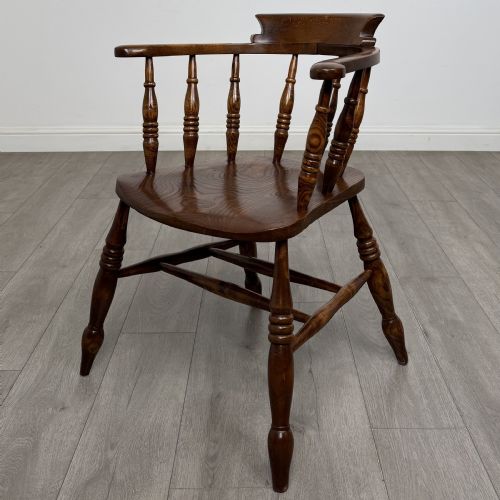
- A low-backed wooden armchair designed for comfort and stability. They frequently feature curved top rails supported by numerous spindles.
- Library chair
- A substantial upholstered armchair intended for reading and writing rooms. They often combine mahogany frames with leather seating.
Traditional Desk Seat: Frequently Asked Questions
What is a traditional desk seat?
A traditional desk seat refers to antique wooden and upholstered chairs historically used for writing, reading, and study. The category spans sturdy Windsor armchairs and formal mahogany library seats.
These pieces originate primarily from the eighteenth and nineteenth centuries, constructed by regional and metropolitan cabinet makers using timber such as elm, ash, and mahogany.
How do I date a Windsor desk chair?
Dating a Windsor chair involves examining the combination of woods, the turning of the legs, and the construction of the seat. Earlier examples often feature comb backs and native yew or ash.
Victorian and later iterations frequently integrate beech or elm with broader saddle seats. Tool marks and construction methods underneath the seat reveal the manufacturing period.
Are swivel desk chairs period correct?
Revolving office desk chairs date back to the Victorian and Edwardian eras. They combine traditional timber frames with mechanical swivel mechanisms and leather upholstery.
Late nineteenth and early twentieth-century examples provide functional height adjustment while maintaining period aesthetic integrity.
How do I care for antique wood and leather?
Maintaining antique seating requires regular dusting with a soft cloth and occasional application of traditional beeswax to nourish the timber. Leather elements benefit from specialised conditioning balms to prevent drying.
Keeping wooden chairs away from direct heat sources and dramatic humidity fluctuations preserves the original finish and structural joinery.