
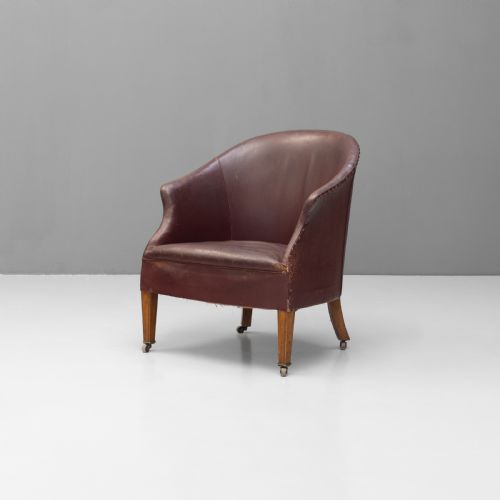


Traditional Curved Back Chair
A traditional curved back chair brings a deep, organic sweep to a room, offering both sculptural presence and deep support.
Traditional Curved Back Chair
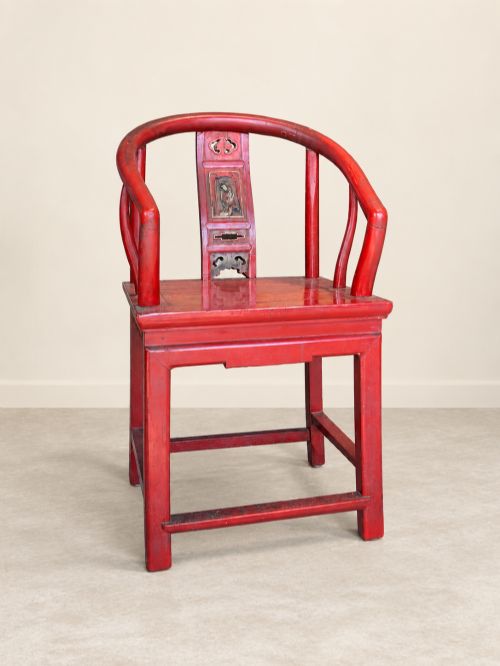
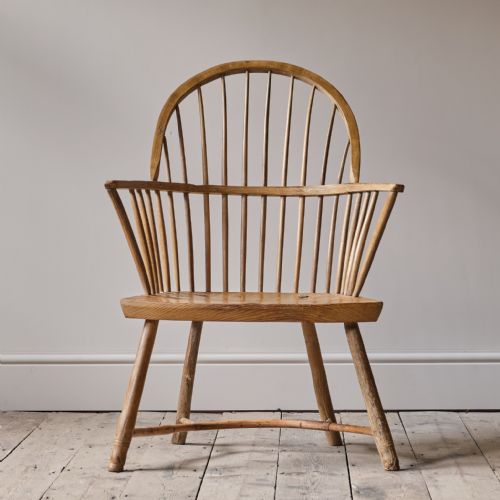
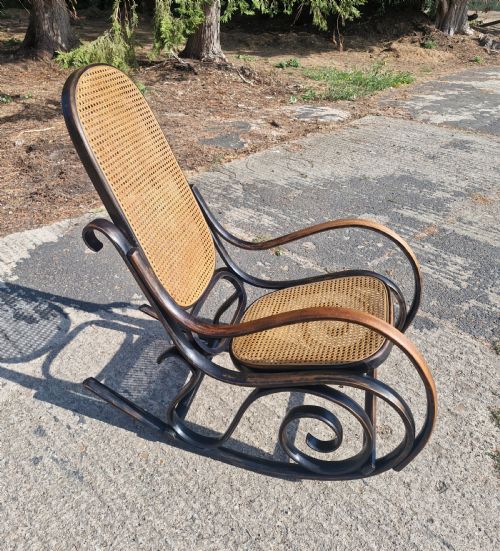
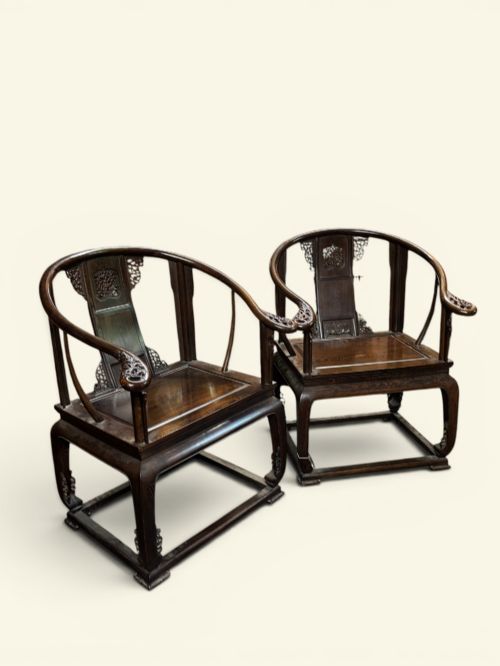
A traditional curved back chair encompasses a wide sweep of forms found in the listings, from English country seating to Chinese horseshoe designs. Buyers searching this phrase encounter dining chairs, office armchairs, and rocking chairs shaped by a continuous arc supporting the spine.
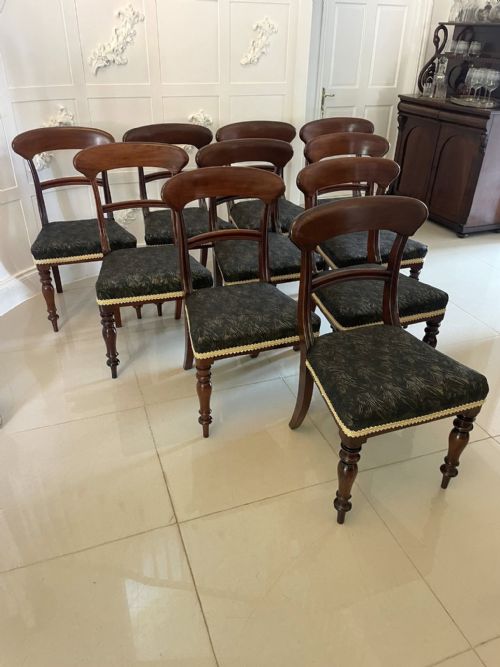
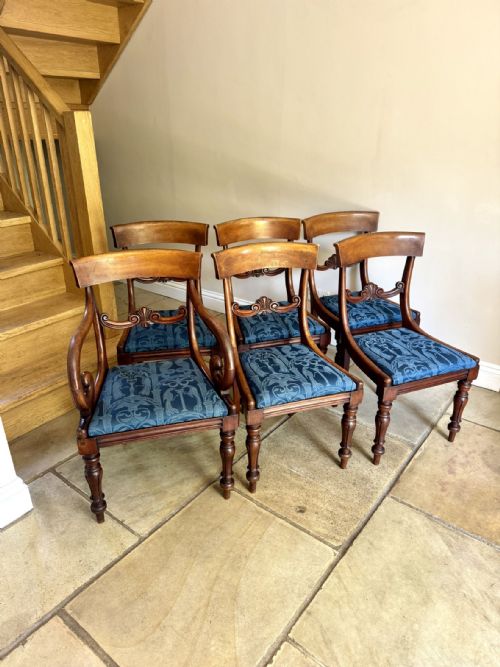
The most common examples on this page are Windsor armchairs in yew or elm, alongside Victorian dining sets and Chinese hardwood seating. These pieces span several centuries, with the Victorian and Edwardian eras heavily represented alongside earlier Georgian and Qing Dynasty works.
Forms range from low back kitchen seating to grand Captain's desks chairs and barrel backs upholstered in leather or fabric. Each piece utilises the natural resistance of bent wood or carved timber to create a comfortable, embracing posture.
Evaluating Quality and Execution
Quality rests in the integrity of the curved joinery and the harmonious grain selection of the timber used for the back rail. Superior examples display seamless transitions where the arms meet the crest, whereas lesser pieces show heavy-handed repairs or clumsy pegging.
The retention of original surface finishes, whether polished mahogany or aged elm patination, separates standard examples from exceptional survivals. Proportions also dictate execution, with finer seating offering balanced rake and well-balanced spindle or splat arrangements.
Listings show traditional curved back chairs spanning the 18th, 19th, and 20th centuries, executed in materials including mahogany, elm, yew, and beech.
Edward William Godwin·Benjamin Gilling
The Traditional Curved Back Chair Glossary
- Horseshoe-back
- A chair design featuring a continuous curved rail that forms both the backrest and the arms. This ancient form appears frequently in Chinese hardwood and elm seating.
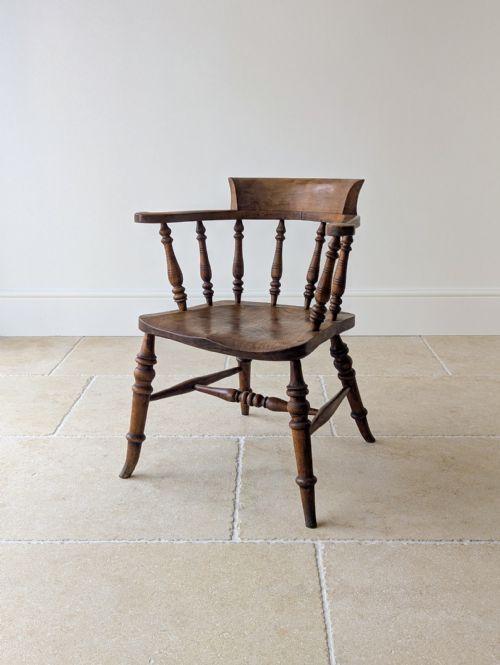
- Windsor chair
- A wooden chair built with a heavy solid saddle-shaped seat into which the legs and back spindles are raked. These vernacular English seats often utilise yew or elm.
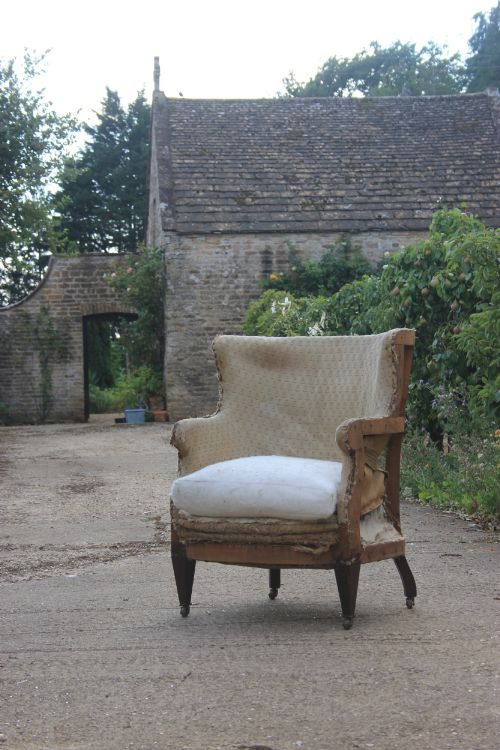
- Tub chair
- An upholstered armchair with a low, continuous curved back and arms forming a protected, barrel-like enclosure. Victorian and Edwardian examples often incorporate leather or fabric coverings.
- Captain's chair
- A sturdy wooden armchair, often featuring a low curved spindle back designed for desk use. Elm and beech versions are common in nineteenth-century examples.
- Bentwood
- Wood softened by steam and bent into curved structural components. This technique produced fluid, lightweight frames found in nineteenth and twentieth-century seating.
Traditional Curved Back Chair: Frequently Asked Questions
What defines a traditional curved back chair?
These seats are characterised by a continuous sweeping rail that supports the upper back and frequently integrates the armrests. They draw from various traditions, including English Windsor forms and Chinese horseshoe designs.
Materials range from native British yew and elm to imported hardwoods, shaped to provide ergonomic comfort through simple geometry.
Where were these chairs used historically?
Depending on the form, these seats served dining rooms, libraries, offices, and kitchens. Windsor and Captain's chairs provided sturdy utility in workspaces, while mahogany sets gathered around formal dining tables.
Upholstered tub chairs and barrel backs offered intimate seating in parlours and studies during the Victorian and Edwardian periods.
How do I care for a wooden curved back chair?
Maintain timber surfaces by applying appropriate beeswax or polish sparingly to nourish the grain without building up a heavy residue. Keep wooden seating away from direct heat sources and dramatic humidity fluctuations to prevent wood shrinkage.
Upholstered elements require gentle vacuuming and professional cleaning when dealing with antique leather or delicate fabrics.
How do I distinguish between periods in these chairs?
Dating relies on timber choice, construction marks, and stylistic motifs associated with reigns like the Georgian or Victorian eras. Earlier pieces often display vernacular hand-turned spindles and local timbers, while later Victorian and Edwardian versions incorporate factory-honed joinery.
Comparing leg turning, stretcher placement, and upholstery styles helps narrow down the decade of production.