



Traditional Craft Seating
Traditional craft seating encompasses sturdy rush-seated armchairs and oak dining chairs built by hand in the nineteenth and early twentieth centuries.
Traditional Craft Seating
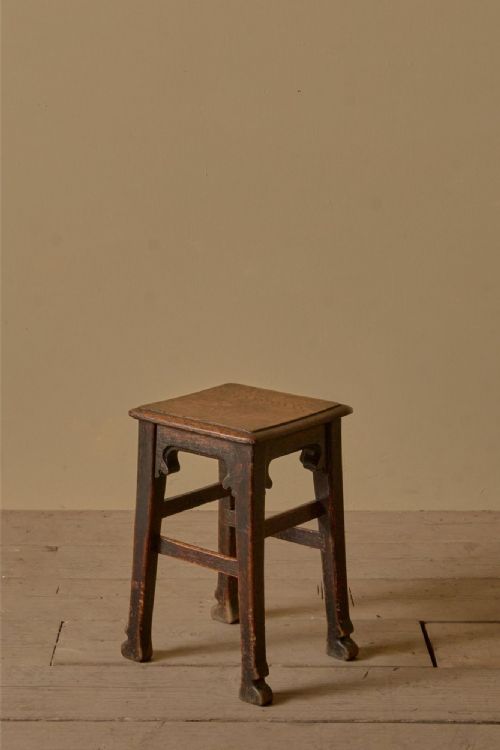
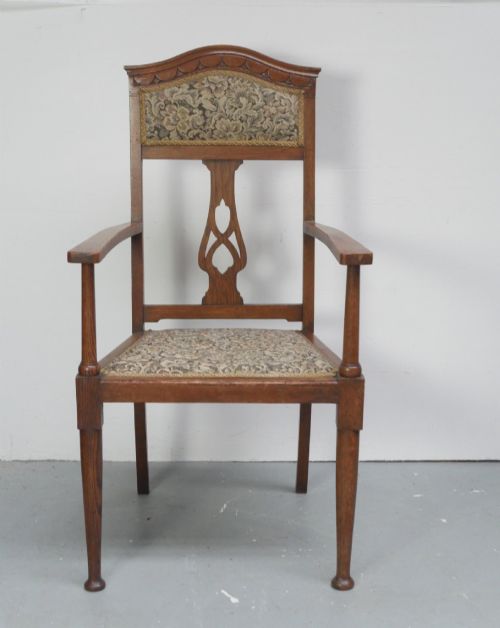
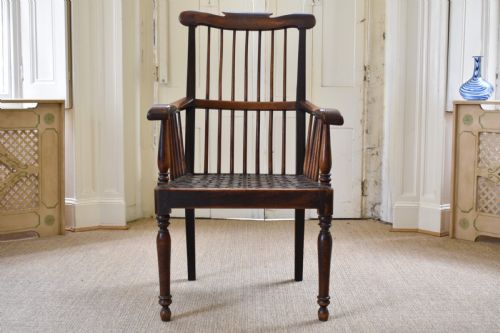
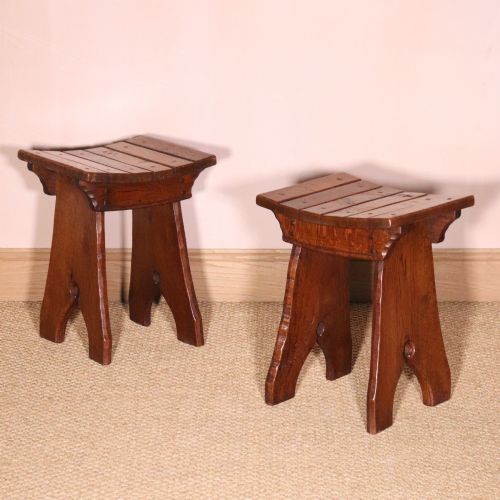
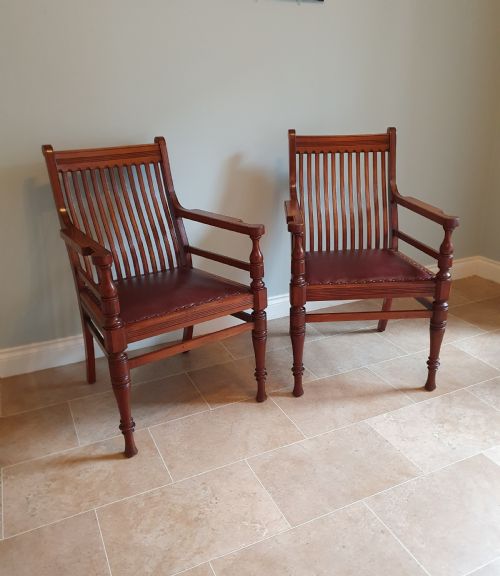
Traditional craft seating covers a practical group of domestic furniture including armchairs, dining chairs, stools, and hall seats originating from the Victorian period through to the nineteen-thirties. Buyers searching for traditional craft seating frequently encounter examples styled within the Arts and Crafts movement or constructed as vernacular country pieces.
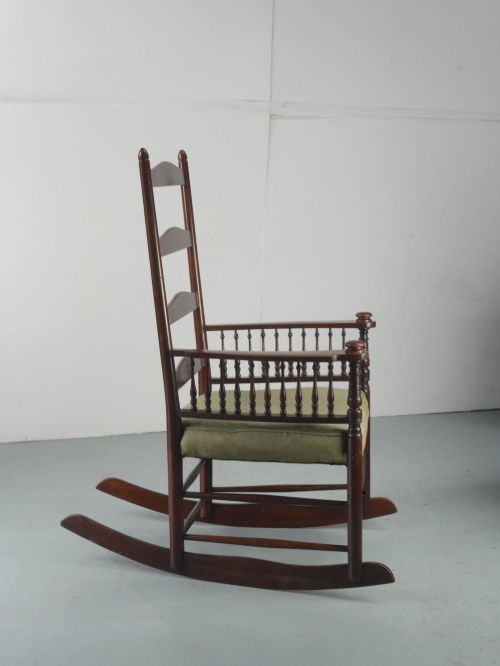
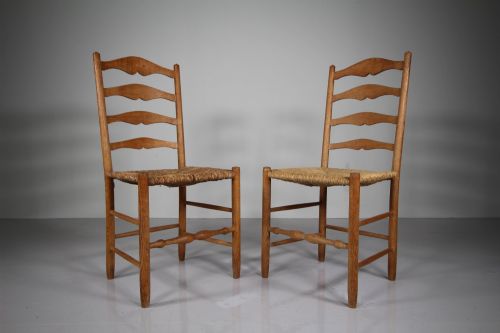
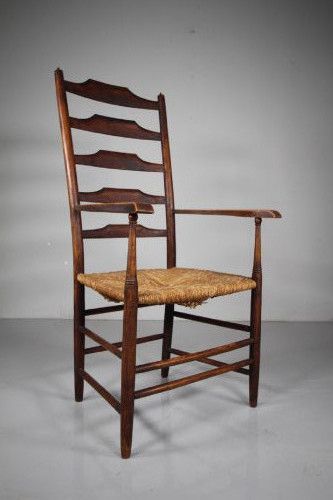
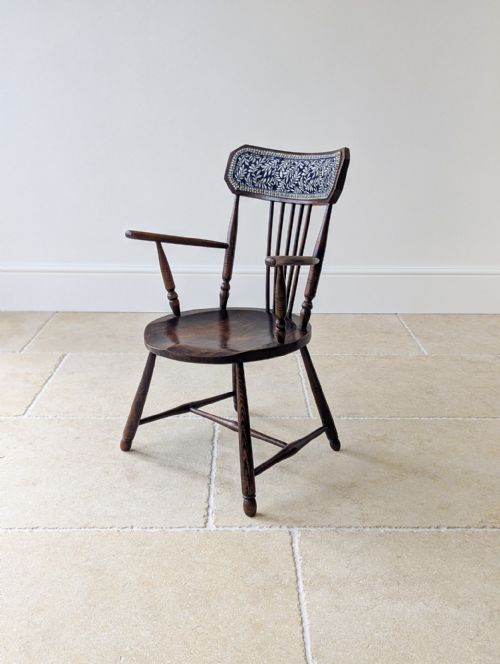
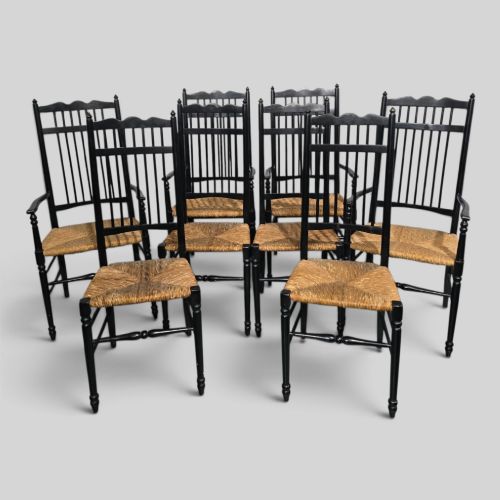
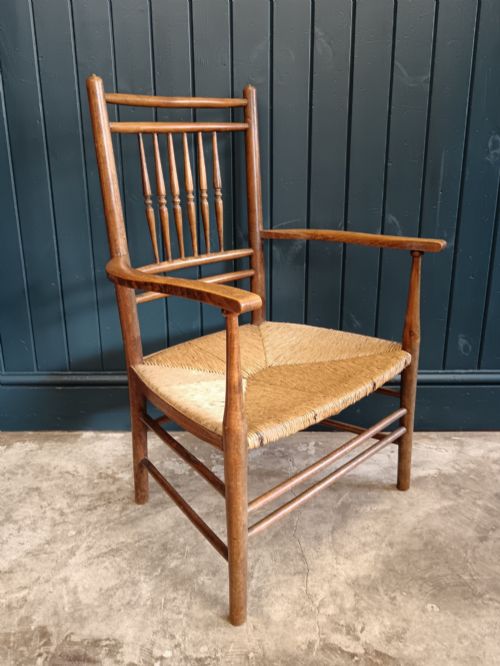
The selection ranges from low ladder-back chairs and spindle-back fireside seats to sets of oak dining chairs and distinctive regional forms like Orkney and crofter chairs. These pieces served everyday functions in kitchens, libraries, and bedrooms, relying on honest construction rather than applied ornament for their appeal.
Makers and designers associated with this tradition include Philip Webb, George Jack, and Ernest Gimson, whose workshops produced influential seating types alongside anonymous rural cabinetmakers. Regional variations emerge clearly in materials like ash, elm, and laburnum paired with traditional woven seating bases.
Craftsmanship and Proportion
Quality rests in the precision of the joinery and the integrity of the original frame, where tight joints prevent movement in daily use. Superior examples maintain balanced proportions and retain their early surface finishes rather than later heavy overhauls.
The tightness and neatness of hand-woven rush or cane seating distinguish finer workshop production from simpler rural makes. Subtle details in turned spindles and carved crest rails separate ambitious designer-maker pieces from standard regional output.
Traditional Craft Seating Retail Price Guide 2026
Typical asking prices for traditional craft seating among the pieces listed under this phrase on Sellingantiques today, from the lower quarter to the upper quarter. They describe what is for sale here now, not the wider market.
Folding child chairs turn up among these sturdy vernacular pieces, proving that even toddlers needed portable seating during the Victorian era.
Morris and Co·Philip Webb·George Jack·Liberty and Co·Lawrence Neal
The Traditional Craft Seating Glossary
- Rush seat
- A seating surface woven from dried marsh rushes twisted into cords and wrapped tightly around the seat frame. This technique provides a resilient and flexible platform common in vernacular and Arts and Crafts chairs.
- Ladder-back
- A chair back featuring multiple horizontal wooden slats curved to support the spine. The design appears frequently in vernacular country seating and nineteenth-century reform movements.
- Spindle back
- A chair construction method utilising numerous thin turned wooden rods set vertically into the back rail. This provides lightweight strength and visual transparency.
- Vernacular furniture
- Objects built by local craftspeople using regional materials and traditional local styles rather than high-fashion metropolitan designs. These pieces prioritize function and durability above all.
- Turnery
- The process of shaping wood on a lathe using gouges and chisels to create symmetrical legs, stretchers, and spindles. Skilled turnery is a key indicator of period chair construction.
Traditional Craft Seating: Frequently Asked Questions
How do I identify an Arts and Crafts chair?
Arts and Crafts chairs typically display exposed construction details such as pegged joints, visible grain, and honest materials like oak and rush. They reject excessive machine carving in favour of clean structural lines.
Look for ladder backs, spindle framing, and origins linked to workshops inspired by William Morris or regional vernacular traditions.
What is a Sussex chair?
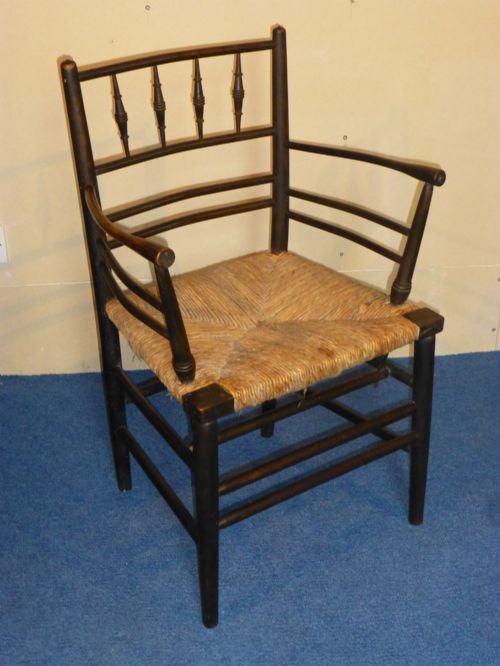
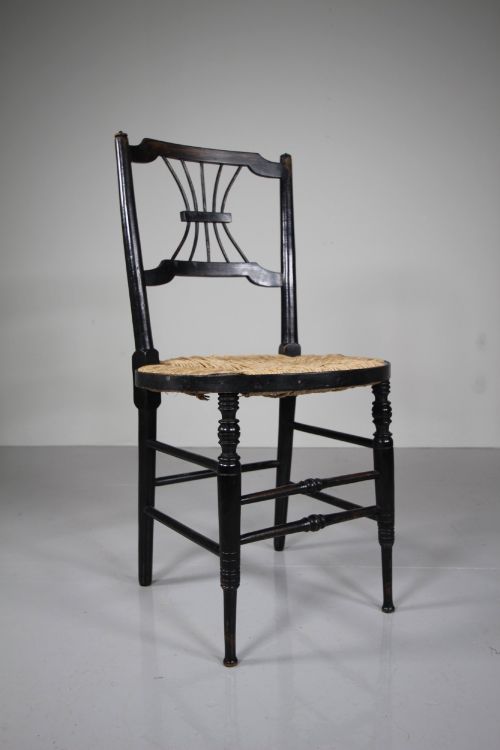
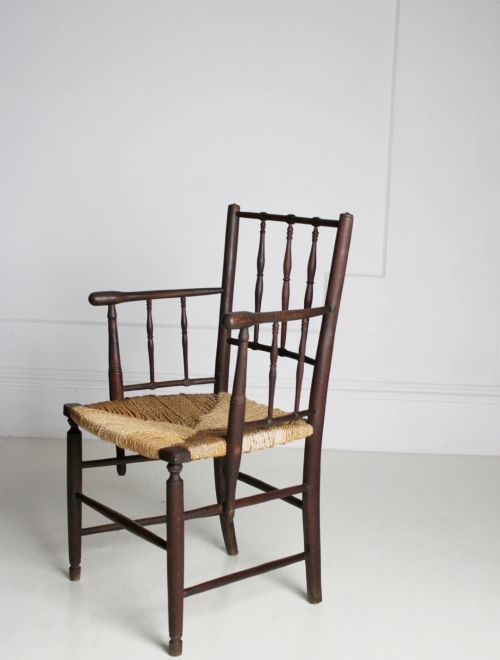
The Sussex chair is a lightweight nineteenth-century seating design with ebonised turned wood frames and rush seats. Originating from traditional country patterns, they were popularised by Morris and Co.
These versatile chairs served as dining and occasional seating in homes influenced by aesthetic reform.
How should I care for a rush seat?
Rush seats require a stable indoor environment protected from excessive moisture and direct sunlight which can dry out the natural fibres. Occasional gentle dusting with a soft brush keeps the weave clean.
Avoid heavy liquid cleaners, as moisture weakens dried marsh grass over time.
Are these chairs suitable for daily dining use?
Many traditional craft chairs, particularly oak dining sets and sturdy ladder-backs, are built robustly enough for everyday use. Inspecting the frame stability ensures the joints remain secure under regular weight.
Checking that rush or wooden seats show no major structural fraying guarantees comfortable daily seating.