
Traditional Country Sporting Art
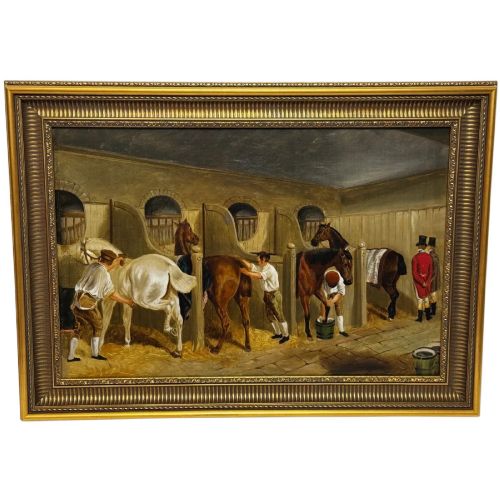
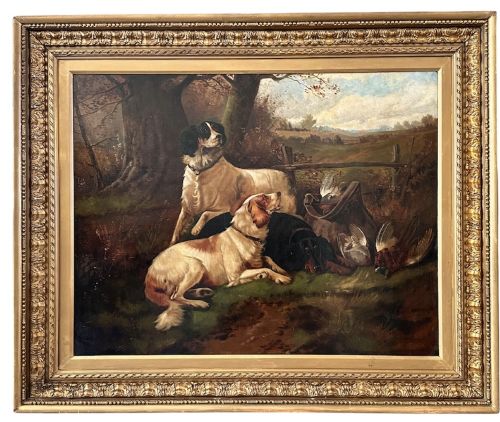
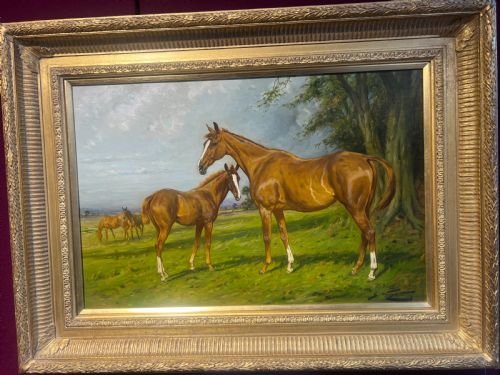
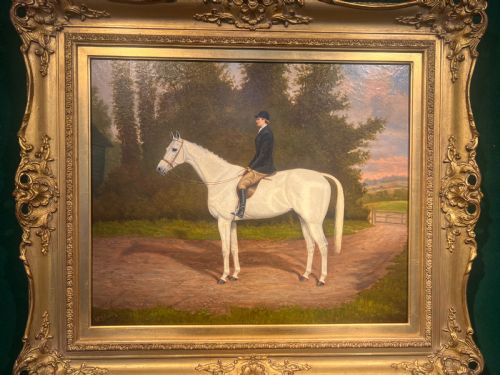
Traditional country sporting art captures the heritage of the field, featuring hounds, horses and game across oil paintings and prints.
Traditional Country Sporting Art
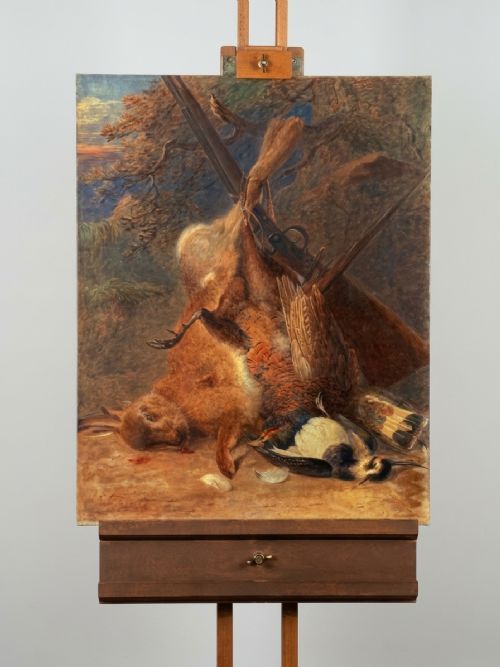
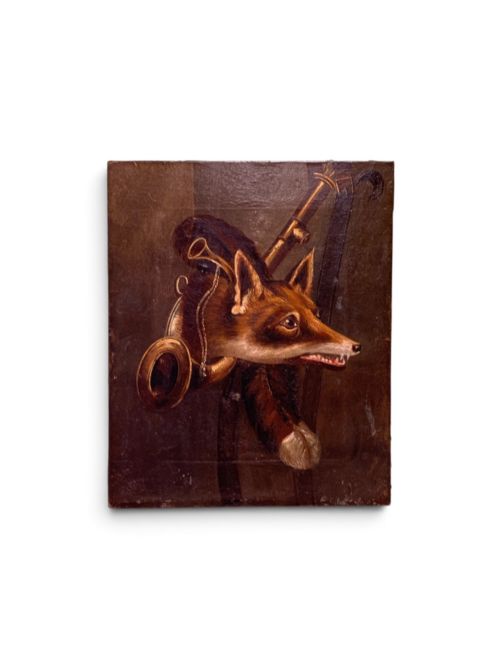
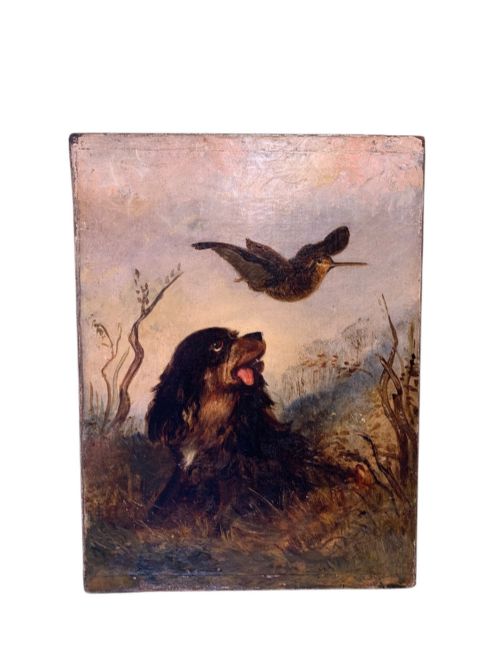
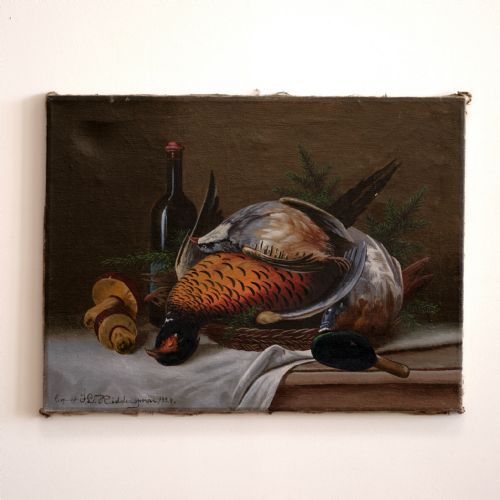
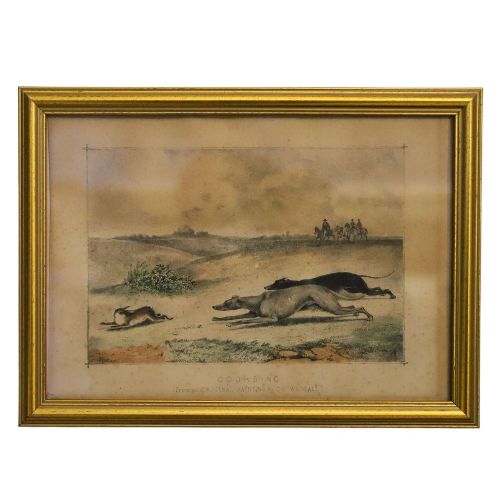
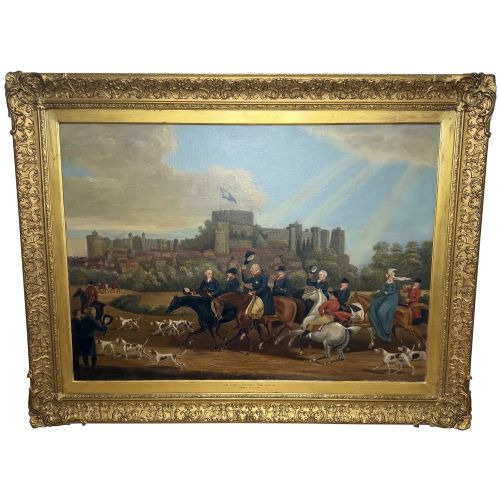
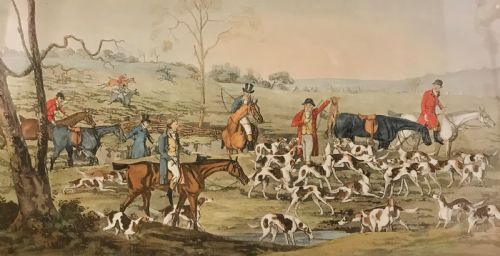
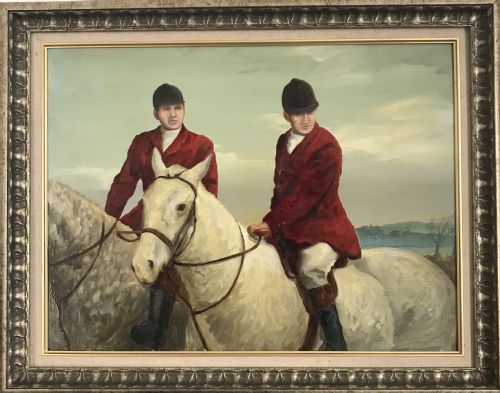
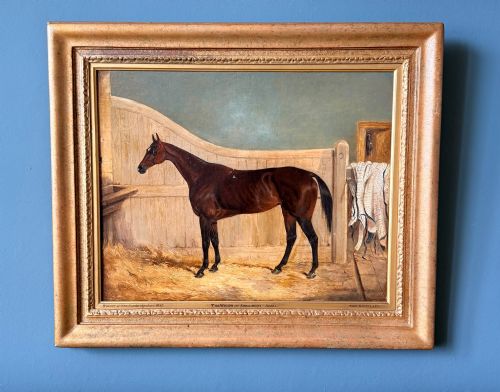
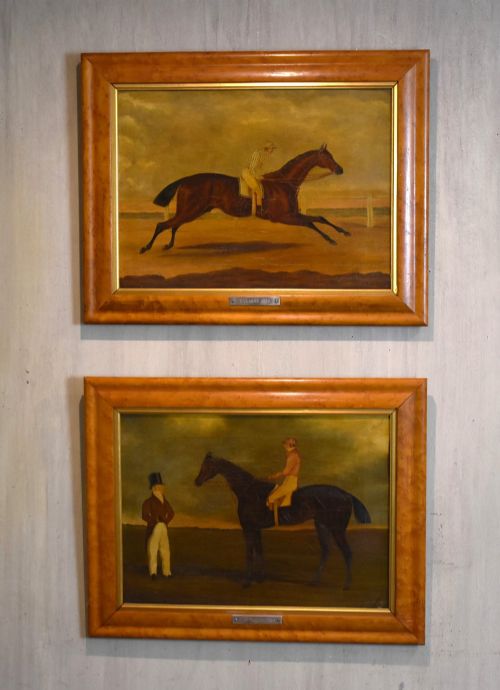
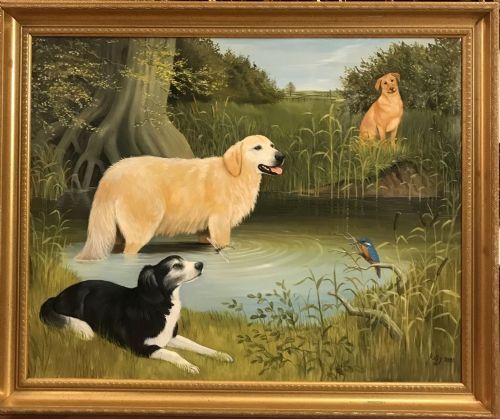
Traditional country sporting art gathers oil paintings, watercolours, lithographs and framed prints focused on horses, gun dogs, game and equestrian pursuits. Buyers encounter nineteenth-century canvases alongside early twentieth-century depictions of hunts and country life.
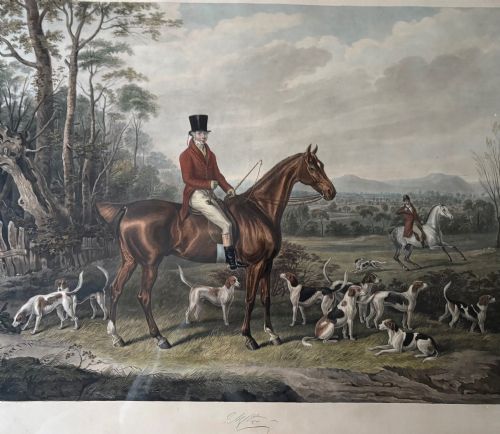
The selection leans heavily toward framed oil paintings on canvas and paper works, often housed in gilt wood frames that reflect the period of their creation. Subjects range from individual portraits of hunters and spaniels to panoramic scenes of the Berkeley Hunt.
Materials and construction
The works utilise oil paint on canvas or board, alongside watercolours, bodycolour, lithographs and hand-coloured engravings on paper. Frames are constructed from wood and finished in gilt or painted details.
Artists applied traditional layering and brushwork techniques to capture the texture of animal coats and landscape elements, while printmakers employed lithography and engraving plates to produce multiple impressions.
Canvases frequently star spaniels, setters, and foxhounds that appear more attentive than the human riders.
Distinctions in quality
Quality rests on the precision of draftsmanship in animal anatomy, the handling of light within the landscape, and the original condition of the canvas or paper support. Works by documented painters command closer attention for their accomplished brushwork.
The integration of period frames, the clarity of print impressions, and the preservation of pigment vibrancy distinguish finer examples from standard decorative pieces.
George Sydney Shepherd·John Sargent Noble·George Wright·William Albert Clarke·Thomas Walker Bretland·John Frederick Herring Snr·Benjamin Blake·John Arthur Lomax·Philip Henry Rideout·George E Sharpe·Michael Lyne·Charles Faulkner·Fannie Moody·Colin Graeme Roe·Clifton Tomson·John Frederick Herring Jnr·Samuel Henry Alken·John Charles Tunnard·John Sanderson Wells
The Traditional Country Sporting Art Glossary
- Oil on canvas
- Pigments bound in a drying oil applied to a stretched woven fabric support. This traditional medium allows for rich colour blending and texture.
- Lithography
- A printing process based on the antipathy of oil and water, utilising a stone or metal plate. Artists used this method to produce detailed sporting prints.
- Gilt wood
- Timber frames finished with a thin layer of gold leaf or metallic gilt. These frames often accompany nineteenth-century oil paintings.
- Bodycolour
- Watercolour mixed with a white pigment to make it opaque. This technique adds solid highlights and dense areas of tone to works on paper.
- Engraving
- A printmaking method where lines are cut directly into a metal plate with a burin. The resulting impressions capture fine detail in sporting subjects.
Traditional Country Sporting Art: Frequently Asked Questions
What periods do these pieces date from?
The works span the nineteenth and twentieth centuries, with significant representation from the Victorian era and the Edwardian period.
Dates recorded in the listings range from the early nineteenth century through to the mid-twentieth century.
How should I care for oil paintings and prints?
Oil paintings and works on paper require stable environmental conditions away from direct sunlight and excessive humidity.
Framed prints behind glass benefit from conservation-grade mounting to prevent discolouration of the paper over time.
Are the frames original to the artworks?
Many pieces retain period gilt wood frames that match the estimated date of the painting or print.
Some works may have been reframed during their history to better suit contemporary interior display.
How do I identify different print techniques?
Lithographs display smooth tonal gradations and flat areas created via chemical transfer from a stone matrix.
Engravings show distinct linear precision where ink sits within incised grooves on the paper surface.