
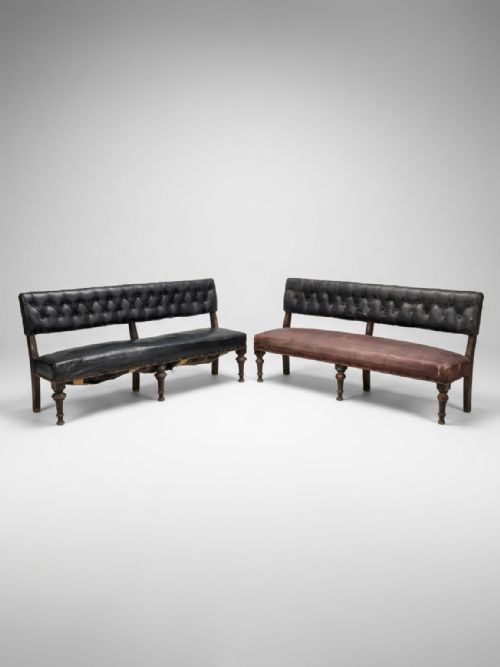
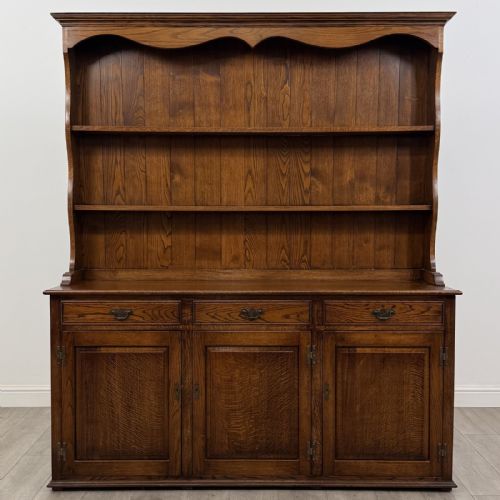
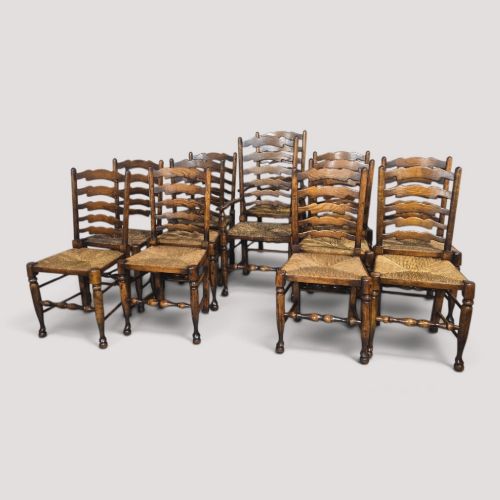
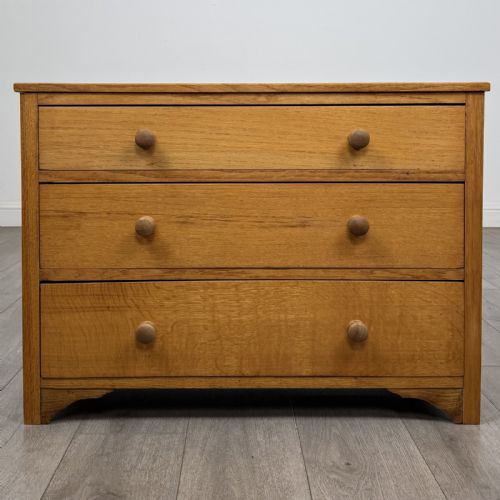
Traditional Country Furniture
Traditional country furniture brings solid oak, pine and elm utility into modern rooms through vernacular benches, dressers and Windsor chairs built to last centuries.
Traditional Country Furniture
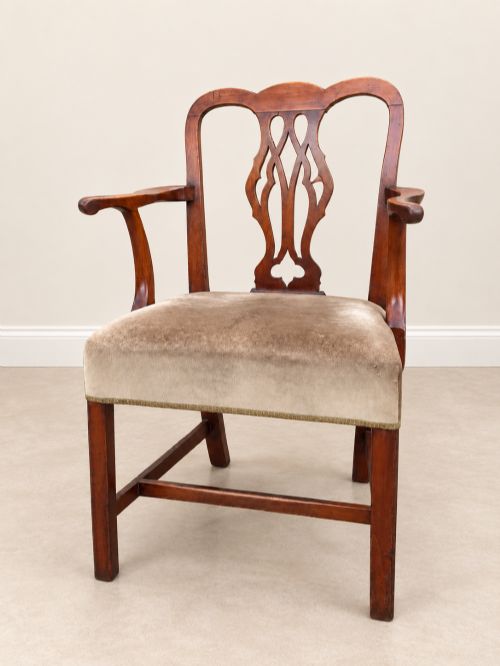
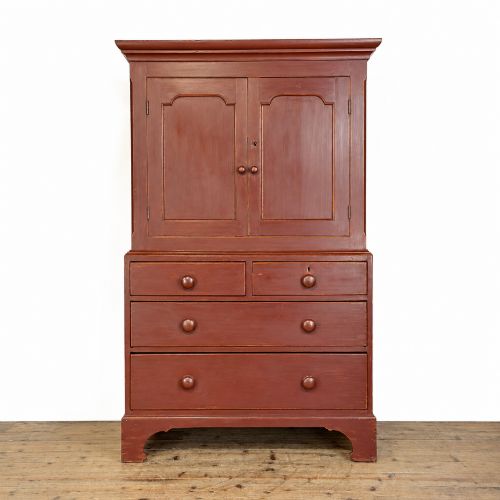
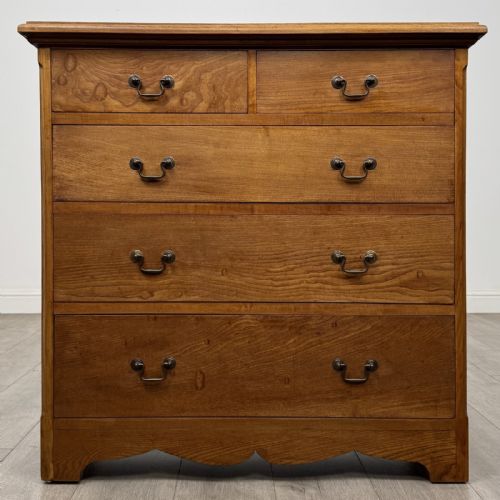
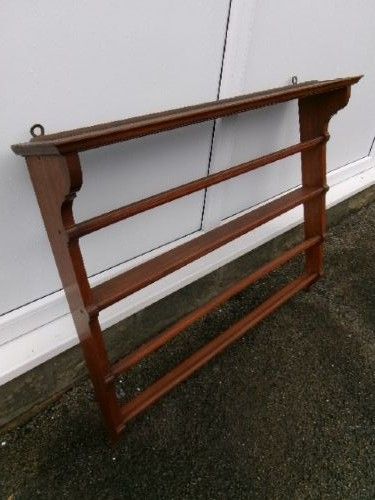
Traditional country furniture encompasses utilitarian domestic pieces created in regional workshops using local timbers. When exploring traditional country furniture, buyers encounter robust seating, storage and dining forms shaped by practical everyday needs rather than courtly fashion.
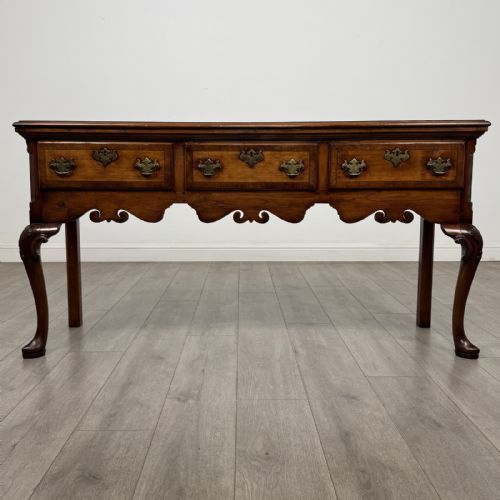
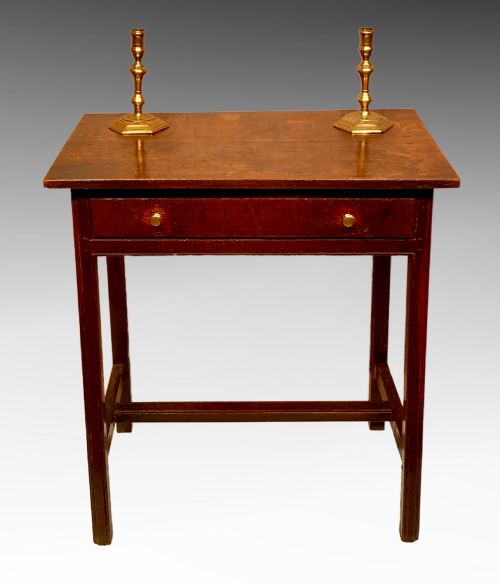
The pieces appearing most frequently here span the eighteenth and nineteenth centuries, including solid oak dresser bases, pine chests of drawers and sturdy elm or ash Windsor armchairs. Regional variations such as Welsh vernacular settles and low-back pub stools also emerge across the selection.
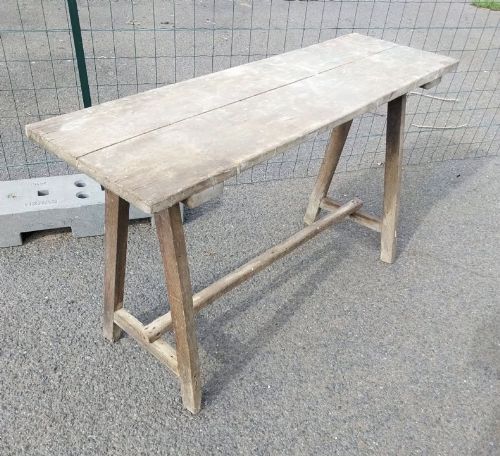
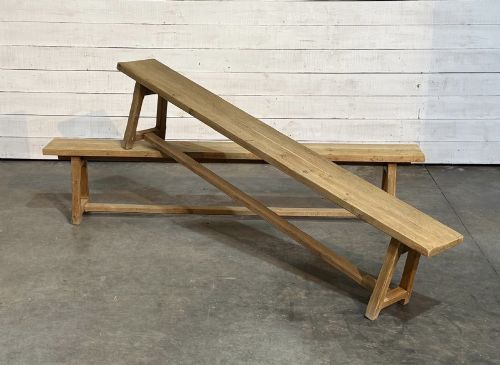
Domestic utility dictates the scale and construction of these items, from single plank dining tables to compact hallway benches. Each piece reflects the material available to regional makers, resulting in honest forms designed for hard daily use.
Materials and Construction
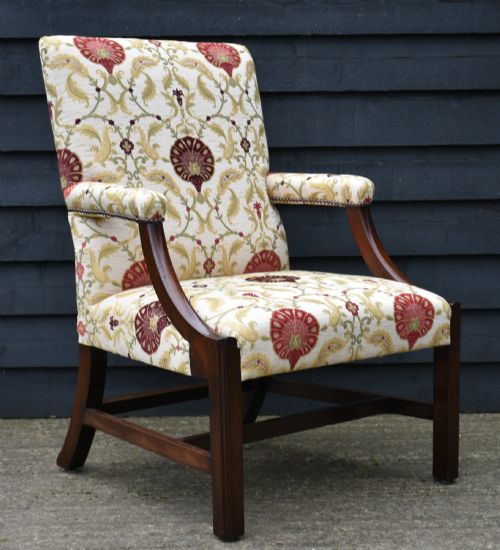
Makers relied on native hardwoods and softwoods including oak, pine, elm, ash and beech, often combining multiple timbers within a single piece. Windsor armchairs typically pair ash hoops with elm seats and beech spindles, utilising the specific physical properties of each wood.
Joinery methods prioritize durability, employing pegged mortise and tenon joints, dovetails on drawer construction, and turned components. Surfaces display the honest grain of solid wood, frequently enhanced by decades of wax polish and natural wear rather than elaborate veneers.
Early sycamore tavern stools spent centuries supporting weary drinkers before finding a second life beside modern kitchen islands.
Assessing Quality and Character
Quality rests in the integrity of the original construction, the thickness of the timber, and the survival of an honest surface patina. Pieces retaining their original boards, uncompromised structural joints and authentic surface wear stand apart from heavily restored examples.
Proportion and regional vernacular detailing also dictate distinction, particularly in vernacular seating and dressers. A well-balanced Windsor chair with crisp turnings or a dresser base with untouched hardware represents the pinnacle of regional craftsmanship.
The Traditional Country Furniture Glossary
- Vernacular furniture
- Objects built by local craftsmen for everyday domestic use rather than following strict metropolitan stylistic dictates. These pieces prioritise function and local material availability.
- Windsor chair
- A wooden chair constructed with a solid saddle-shaped seat into which the legs and back spindles are directly inserted. This construction method creates a sturdy, lightweight seating form.
- Settle
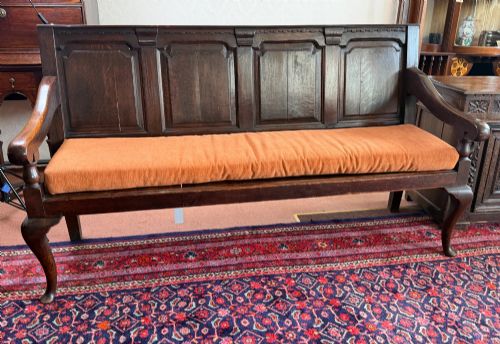
- A wooden bench featuring a high solid back, enclosed arms and often a box base intended to keep out drafts. They typically stood near hearths in farmhouses and inns.
- Cwpwrdd tridarn
- A traditional Welsh three-tier press cupboard used for food storage and display. They represent notable achievements of regional cabinet makers.
- Patina
- The surface sheen and colour developed by wood over decades through handling, waxing and oxidation. A rich patina indicates age and continuous use.
Traditional Country Furniture: Frequently Asked Questions
How do I care for antique pine furniture?
Maintain antique pine surfaces by applying natural beeswax sparingly and buffing with a soft cloth to preserve the finish.
Keep pieces away from direct heat sources and sudden humidity shifts to prevent the timber from splitting or warping over time.
Where were settles used in homes?
Settles traditionally stood in the kitchens and halls of farmhouses, cottages and public inns to provide draught-free seating near the fire.
The high wooden back and solid sides sheltered occupants from cold air currents sweeping across flagstone floors.
How can I tell eighteenth-century oak from later pieces?
Early pieces display hand-cut joinery marks, wide single boards and pegged tenons rather than modern machine-cut screws or standardised fixings.
The timber grain of older oak shows distinctive medullary rays, coupled with a deep, undulating surface texture acquired through centuries of use.