


Traditional Cottage Chairs
Traditional cottage chairs are robust vernacular seats shaped by country life, offering sturdy construction and enduring regional character for everyday spaces.
Traditional Cottage Chairs
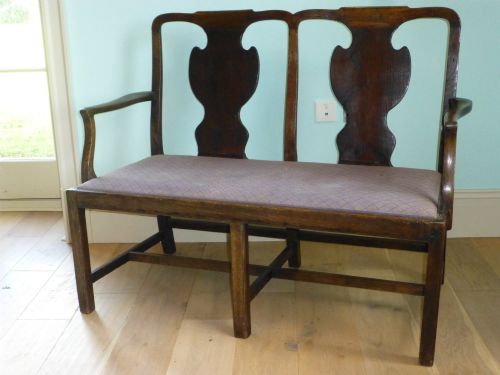
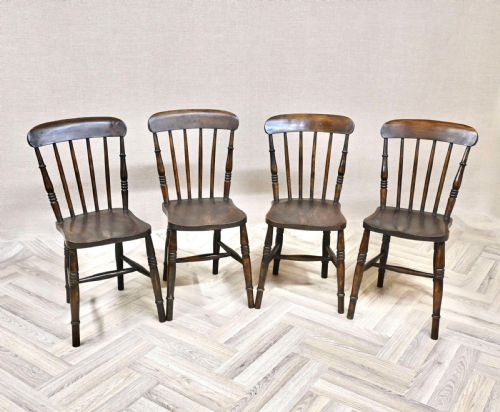
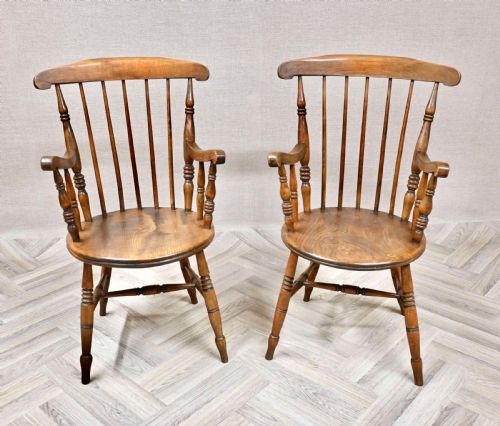
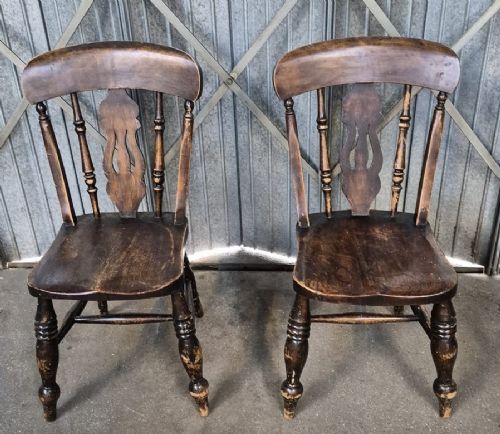
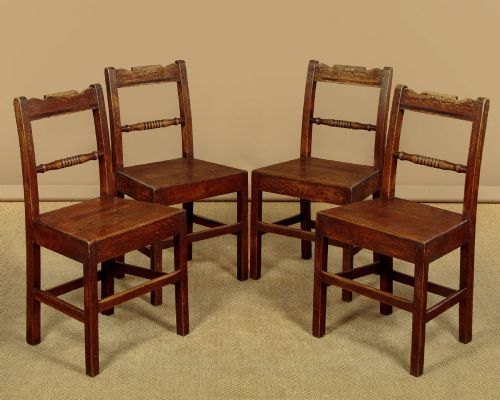
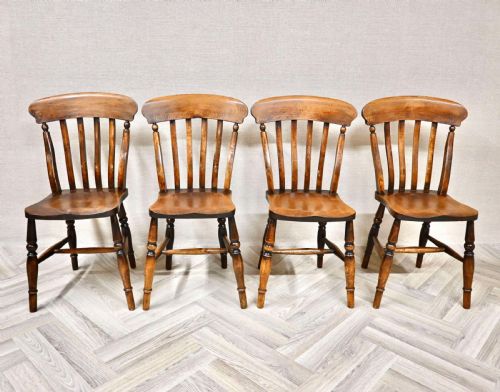
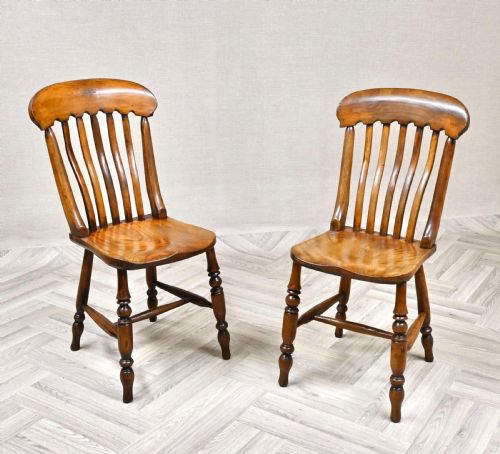
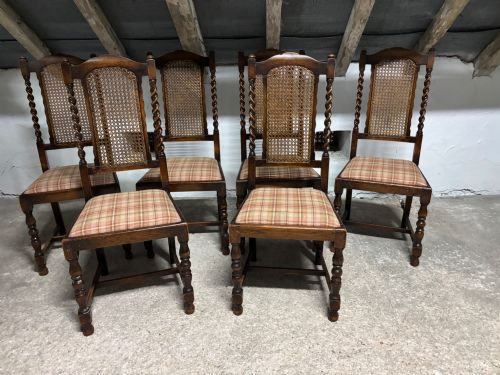
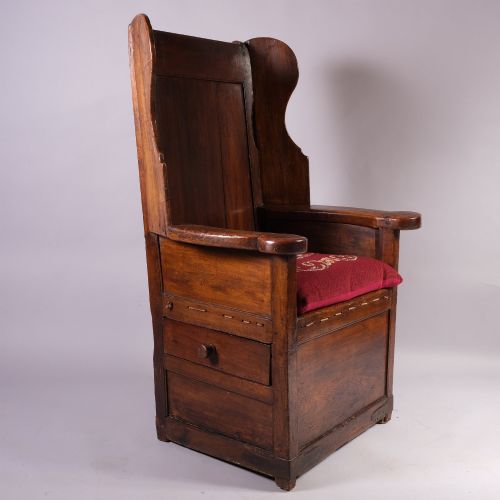
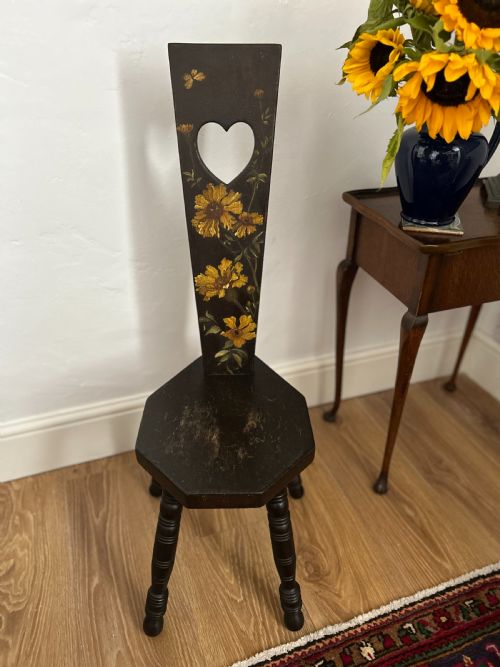
Traditional cottage chairs encompass a wide variety of practical country seating forms spanning from the eighteenth century through to the early twentieth century. Buyers seeking traditional cottage chairs encounter dining chairs, side chairs, armchairs, rocking chairs, stools, and specialised regional seating like lambing chairs and spinning chairs.
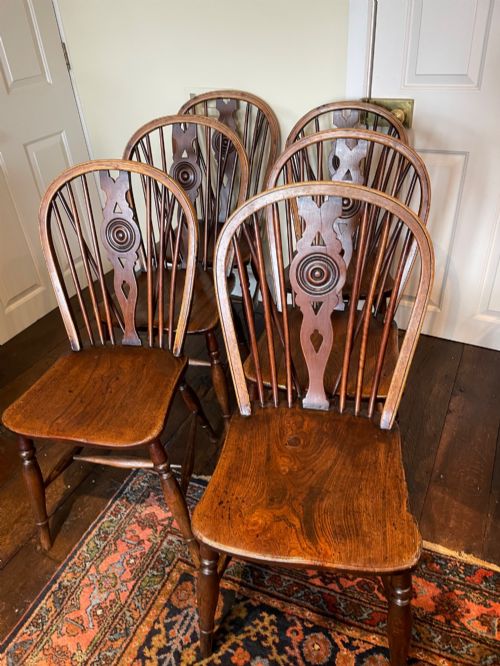
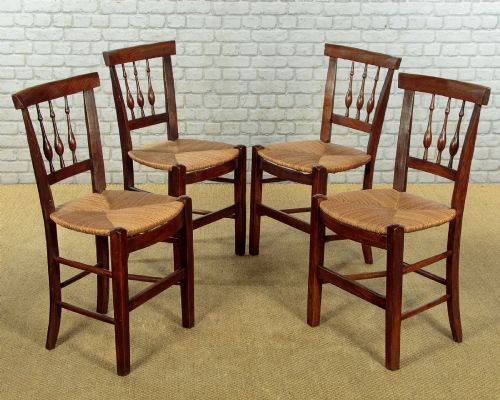
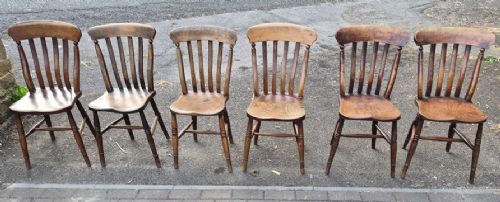
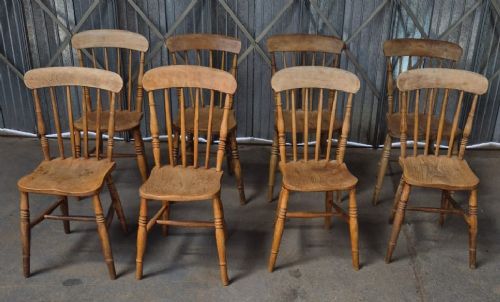
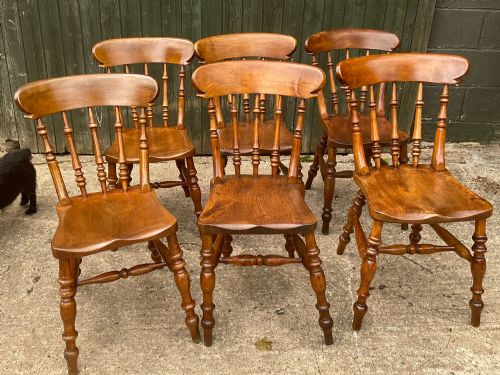
The selections on this page draw from several distinct vernacular traditions, including Windsor designs, lathback and stick back variations, wheel backs, ladderbacks, and spindle-backs. Materials span solid native timbers combined with rush, plaited straw, fabric, and painted or scumbled finishes.
Makers working within English, Welsh, Irish, and regional styles produced these pieces for domestic interiors and farmhouses. Surviving examples range from single chairs to extensive sets of ten or twenty-two pieces.
Materials and construction methods
Makers utilised native hardwoods, predominantly elm, beech, ash, and oak, selecting durable timbers suited to heavy domestic use. Seats often combined elm saddles with ash or beech spindles and legs, harnessing the specific strengths of each wood.
Seating surfaces incorporated solid carved timber or natural woven materials such as rush and plaited straw, secured to sturdy frames. Some examples feature applied paint or scumbled surface treatments to mimic more expensive finishes.
Traditional Cottage Chairs Retail Price Guide 2026
Typical asking prices for traditional cottage chairs among the pieces listed under this phrase on Sellingantiques today, from the lower quarter to the upper quarter. They describe what is for sale here now, not the wider market.
Listings feature eighteenth-century to twentieth-century pieces, utilising elm, ash, beech, oak, rush, and fabric across styles from Victorian Country to Arts and Crafts.
Distinguishing quality across examples
Quality rests upon the integrity of the timber selection, the tightness of traditional joinery, and the harmony of proportion within harlequin or matching sets. Superior examples maintain original surface patination and structural cohesion without excessive replacement parts.
Regional distinctiveness and specialised forms, such as lambing chairs or marked workshop productions, elevate specific pieces above standard utilitarian seating.
The Traditional Cottage Chairs Glossary
- Windsor chair
- A chair built with a solid wooden seat into which the legs and back spindles are inserted directly. These robust country seats frequently feature bowed backs and carved saddle seats.
- Lathback
- A chair back featuring horizontal wooden laths or slats instead of vertical spindles. This regional vernacular variation provides solid upper back support.
- Rush seat
- A seating surface woven from dried marsh rushes around a wooden frame. This traditional technique creates a resilient and flexible base for daily sitting.
- Scumbled
- A surface finish where a translucent top layer of paint is manipulated over a lighter base colour to simulate natural wood grain. This decorative treatment appeared frequently on nineteenth-century cottage furniture.
- Harlequin set
- A collection of seating pieces that match closely in style, period, and general form while showing subtle individual variations in turning or construction. Such groups accumulated organically over time rather than issuing from a single workshop batch.
Traditional Cottage Chairs: Frequently Asked Questions
What defines a traditional cottage chair?
Traditional cottage chairs are vernacular seating pieces made from native timbers like elm, ash, and beech for everyday domestic use. They reflect regional craft traditions rather than formal court styles.
These chairs include Windsor, ladderback, lathback, and spindle-back forms, often paired with solid wood or rush-woven seats.
How do I date an older cottage chair?
Dating relies on observing construction marks, tool traces, wood shrinkage patterns, and stylistic shifts across the eighteenth, nineteenth, and early twentieth centuries. Georgian and Victorian regional pieces carry specific structural characteristics.
Examining the underside of the seat and the joinery methods helps establish the manufacturing era.
Can I mix different cottage chairs together?
Mixing different styles is common practice, resulting in harlequin sets that share period characteristics, wood types, or construction methods. Country interiors naturally accumulated varied seating over generations.
Matching chairs by general height, material, and vernacular style creates a cohesive dining or kitchen arrangement.
How do I care for rush and straw seats?
Rush and plaited straw seats require stable indoor humidity and protection from excessive moisture to prevent the natural fibres from becoming brittle. Regular dusting with a soft brush keeps the weave clean.
Avoiding direct exposure to heat sources preserves the natural flexibility of the plant materials.