



Traditional Copper Log Bin
A traditional copper log bin brings warmth and practical storage to a hearth, combining durable metal with classic fireside utility.
Traditional Copper Log Bin
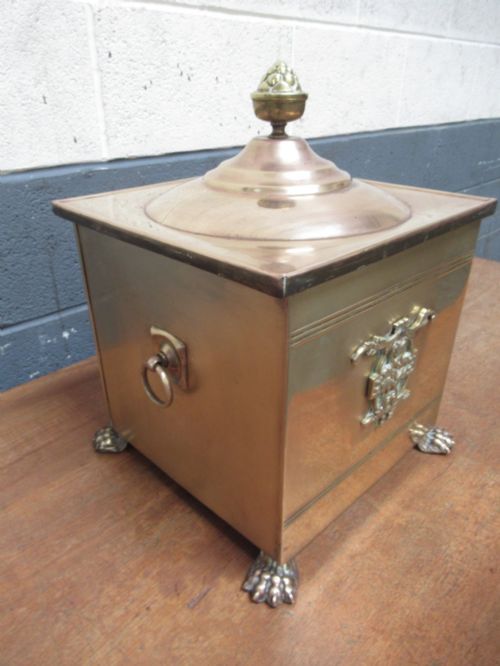
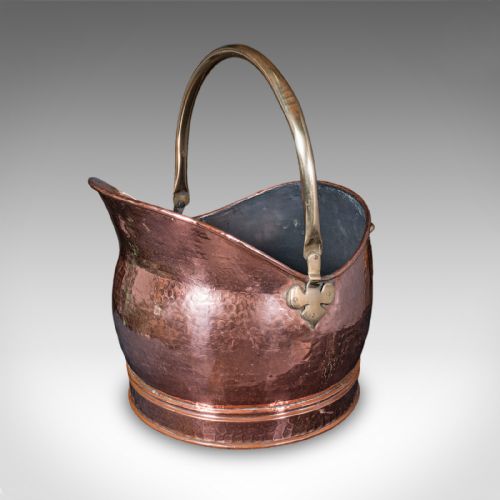
A traditional copper log bin is a fireside accessory designed for holding firewood, appearing in forms such as coal scuttles, buckets, and bins. The pieces available here span from the Georgian and Victorian eras up to the twentieth century, reflecting a long lineage of domestic metalwork.
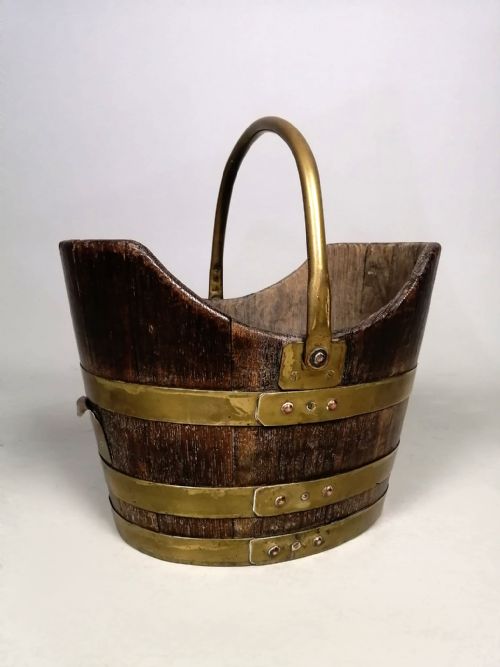
Buyers will encounter items ranging from eighteenth-century examples to later 1930s metal bins. These containers often incorporate brass bands, iron handles, and occasionally oak or wrought iron elements alongside the primary copper body.
Materials and construction
Makers constructed these vessels primarily from sheet copper, often reinforced with brass banding and iron or wrought iron fittings. Hand-finished details appear across many of the pieces, showing traditional metalworking techniques used to shape durable containers for daily hearth use.
Several examples combine copper with other materials such as oak or galvanised steel to provide structural strength. The integration of brass handles and secure fixings ensured the bins could support heavy loads of logs and coal.
Traditional Copper Log Bin Retail Price Guide 2026
Typical asking prices for traditional copper log bin among the pieces listed under this phrase on Sellingantiques today, from the lower quarter to the upper quarter. They describe what is for sale here now, not the wider market.
Listings span from the 18th Century through to the 1930s, utilising copper, brass, iron, and oak.
Assessing quality
The distinction between standard utility items and finer examples often lies in the weight of the metal and the presence of decorative brass banding. Pieces originating from the Georgian period demonstrate careful attention to proportion and metal thickness.
Hand-finished surface details and the integration of sturdy materials like oak or wrought iron elevate certain pieces above simpler metal bins. Construction integrity and period-appropriate hardware define the upper end of the selection.
The Traditional Copper Log Bin Glossary
- Coal scuttle
- A container traditionally used for carrying coal to a fireplace, often featuring a pivoted handle and a tapered body for pouring.
- Brass band
- A strip of brass fitted around a wooden or metal vessel for structural reinforcement and decorative contrast.
- Wrought iron
- A tough, malleable form of iron used historically for handles and fittings on heavy domestic containers.
- Georgian
- A design period spanning the eighteenth and early nineteenth centuries, known for balanced proportions and classical influence.
- Victorian
- A nineteenth-century period associated with ornate domestic metalwork and diverse decorative styles.
Traditional Copper Log Bin: Frequently Asked Questions
What is a traditional copper log bin?
A traditional copper log bin is a metal container used beside a fireplace to store and organise firewood.
These vessels combine durable copper bodies with brass bands, iron handles, and sometimes wooden elements for everyday utility.
How were these log bins used?
They served primarily in domestic settings to hold logs and coal close to the hearth for easy access.
Their robust construction allowed them to withstand heavy loads of fuel while functioning as decorative fireside accessories.
How do I date an antique log bin?
Dating relies on observing construction techniques, materials, and stylistic markers associated with periods like the Georgian and Victorian eras.
Earlier examples often feature distinctive brass banding and hand-finished metalwork characteristic of eighteenth-century craftsmanship.
How do I care for copper fireside items?
Copper requires gentle cleaning to maintain its metallic surface without removing the natural patina accumulated over decades.
Keep the metal dry and free from ash residue to preserve the finish of the brass and copper components.