


Traditional Copper Bucket
A traditional copper bucket brings warmth and texture to a hearth, offering both practical storage for solid fuel and a striking metallic focal point.
Traditional Copper Bucket
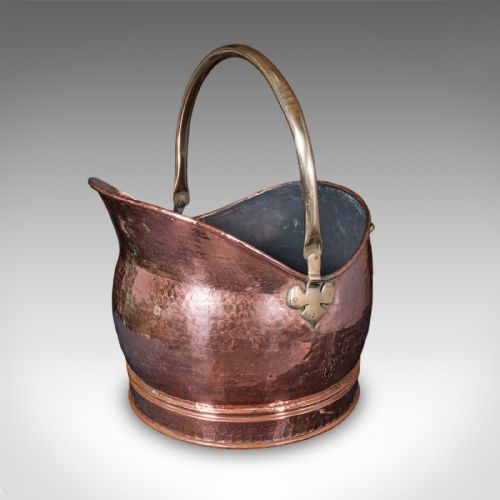
When you search for a traditional copper bucket, you encounter vessels designed primarily for fireside use, including coal scuttles, helmet buckets, and log bins. The selection spans the Georgian, Victorian, and Edwardian eras, reflecting centuries of domestic metalwork.
You are most likely to meet Victorian helmet-shaped coal scuttles on this page, alongside Georgian log bins and occasional French or Italian vessels. These objects served utilitarian roles beside the hearth before transitioning into decorative interior pieces.
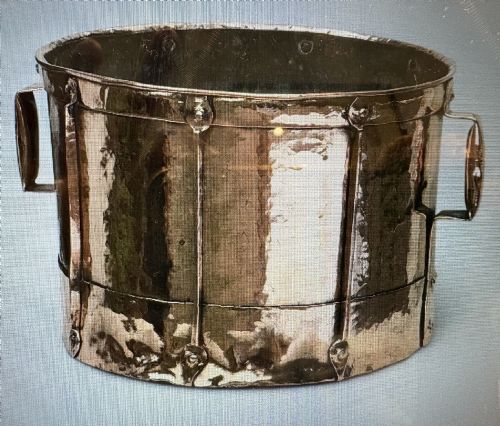
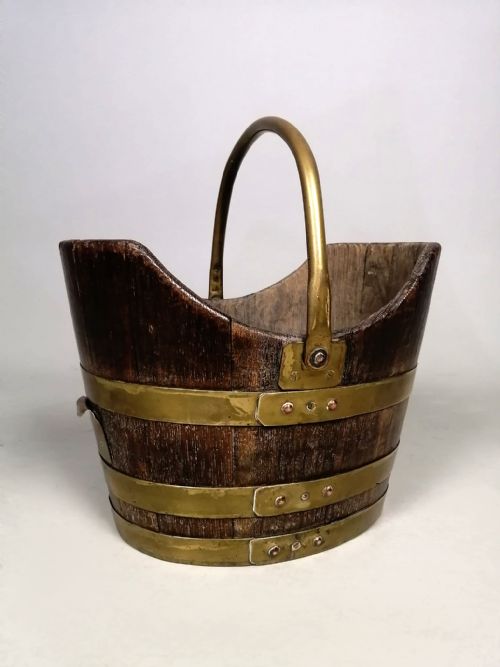
The forms range from deep cylindrical log bins to handled coal buckets featuring brass accents and swing handles. Each piece demonstrates the heavy-duty requirements of historic domestic heating.
How they were made
These items rely heavily on sheet copper shaped by hand, often joined with visible rivets along the seams. Metalworkers combined copper bodies with contrasting brass fittings, iron swing handles, and occasionally wooden grips.
Makers utilised hammering techniques to strengthen the metal, leaving subtle facets across the surface. Brass banding and cast feet provided structural support and stability to heavy vessels meant to hold coal or logs.
Object types recorded in these records include helmet coal scuttles, log bins, wine cisterns, and fireside companion pans.
What varies in quality
The distinction between ordinary utility pieces and finer examples rests on the weight of the copper and the crispness of the brass detailing. Superior specimens display substantial metal thickness and hand-finished riveted construction rather than mass-produced uniformity.
Proportion and decorative restraint set the better examples apart, particularly in Georgian and Victorian models where handle mounts and feet are integrated with architectural balance. Surviving matching shovels or original brass banding elevate the integrity of a piece.
The Traditional Copper Bucket Glossary
- Helmet scuttle
- A traditional coal container featuring a flared rim resembling a classic helmet, designed for pouring coal cleanly onto a fire. This shape gained immense popularity during the Victorian period.
- Log bin
- A deep, wide vessel built to hold firewood near a fireplace, frequently reinforced with brass bands or iron handles. These larger containers often date from the Georgian era.
- Riveted seam
- A method of joining metal plates by inserting pins through overlapping edges and hammering them flat. This technique ensures durability in heavy-use fireside containers.
- Swing handle
- A movable arched handle attached to the sides of a bucket or pan, allowing for balanced lifting. They are typically forged from iron or cast in brass.
- Wine cistern
- A large ornamental vessel, sometimes adapted from Italian forms, used historically to chill bottles. These deep basins share similar metalworking techniques with heavy domestic buckets.
Traditional Copper Bucket: Frequently Asked Questions
How do I clean a copper bucket?
Maintenance depends on the finish you prefer, though many collectors leave historic metal unpolished to preserve its aged patina. Gentle washing with warm soapy water removes dust and soot without stripping the character built over centuries.
If you choose to polish, use a dedicated metal cream applied softly with a cloth. Avoid abrasive pads that scratch the soft copper surface.
Can I use these for logs today?
Many historic coal buckets and log bins remain sturdy enough to hold firewood beside a modern hearth. Their original function as solid fuel containers makes them well-suited for daily domestic use.
Check the interior for any old moisture damage or loose rivets before loading heavy logs. Placing a protective liner inside helps prevent further wear to antique metal.
How do I date a copper bucket?
Dating relies on stylistic clues, construction methods, and materials such as wrought iron versus cast brass. Georgian pieces often display heavier cast mounts and hand-hammered body panels, while Victorian examples frequently feature shaped helmet rims.
Look at the construction of the seams and handles for signs of hand craftsmanship. Machine-rolled edges and uniform rivets typically point toward later nineteenth or twentieth-century production.